Vocabulary expansion Alphabet Worksheets for Ages 6-8 - Page 3
52 filtered results
-
From - To
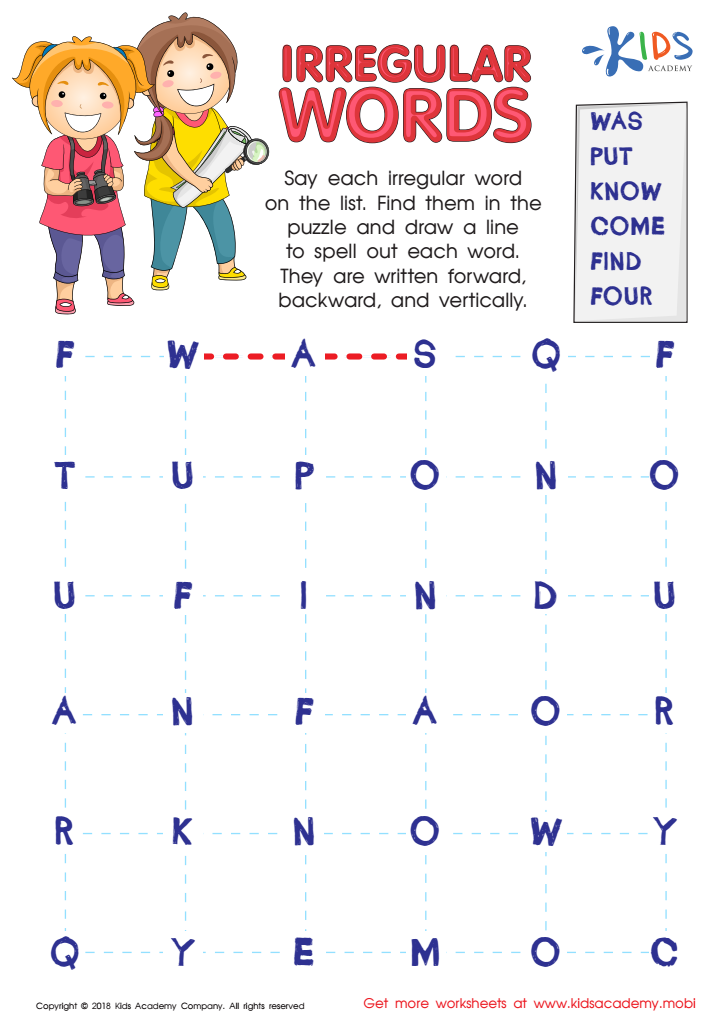
Irregular Words Worksheet
 Assign to My Students
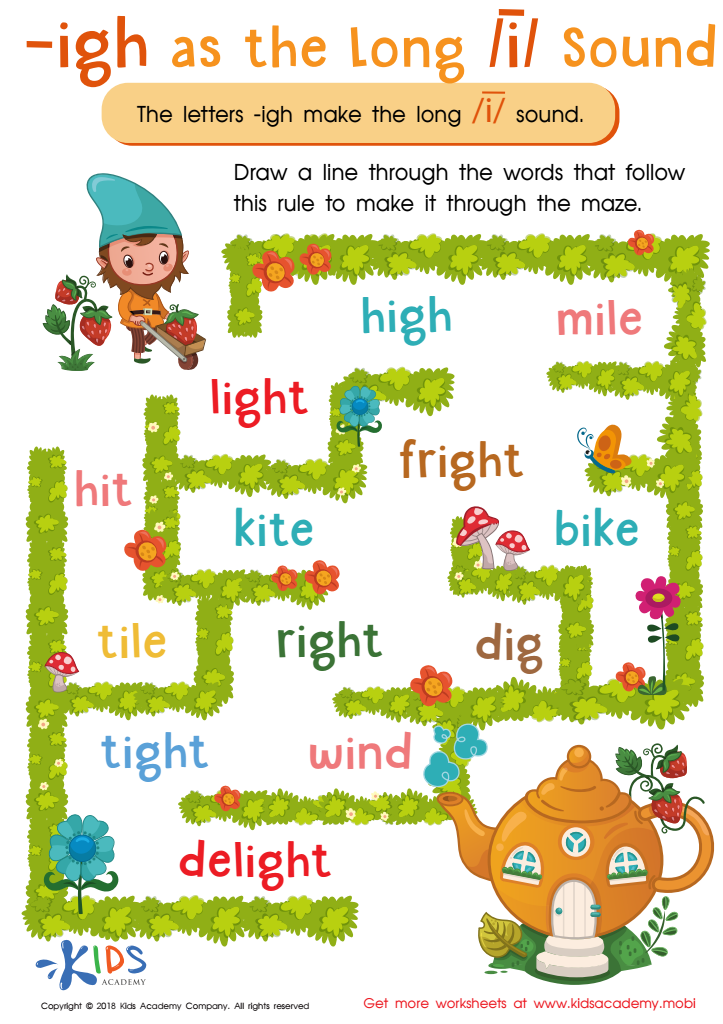
Reading: IGH as Long I Worksheet
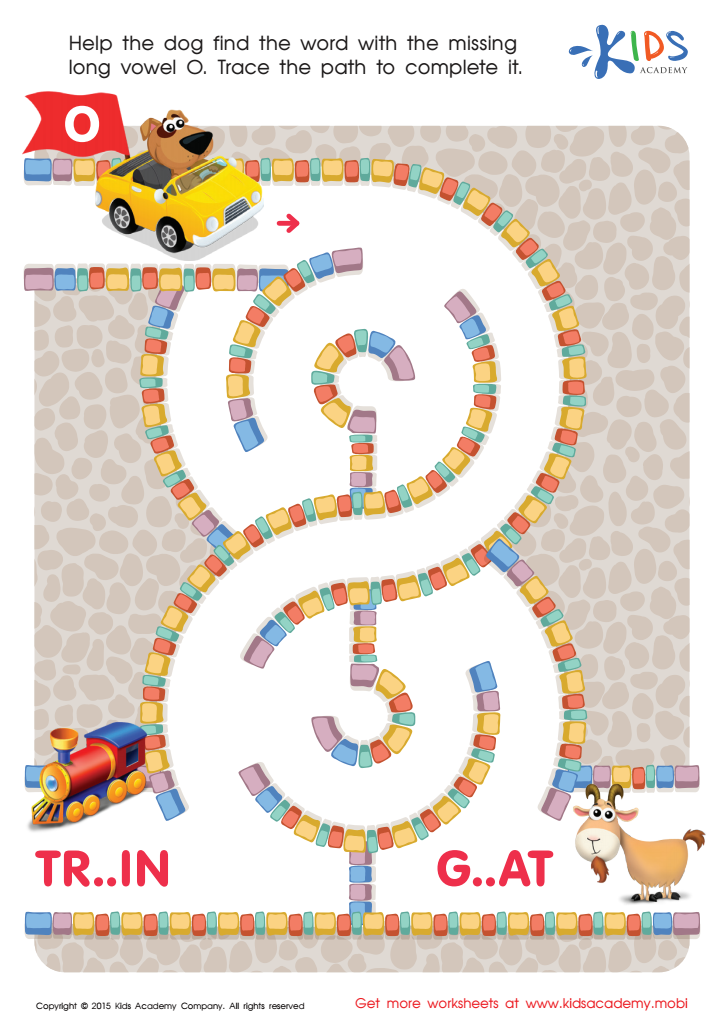
Long Vowel Sound O Worksheet
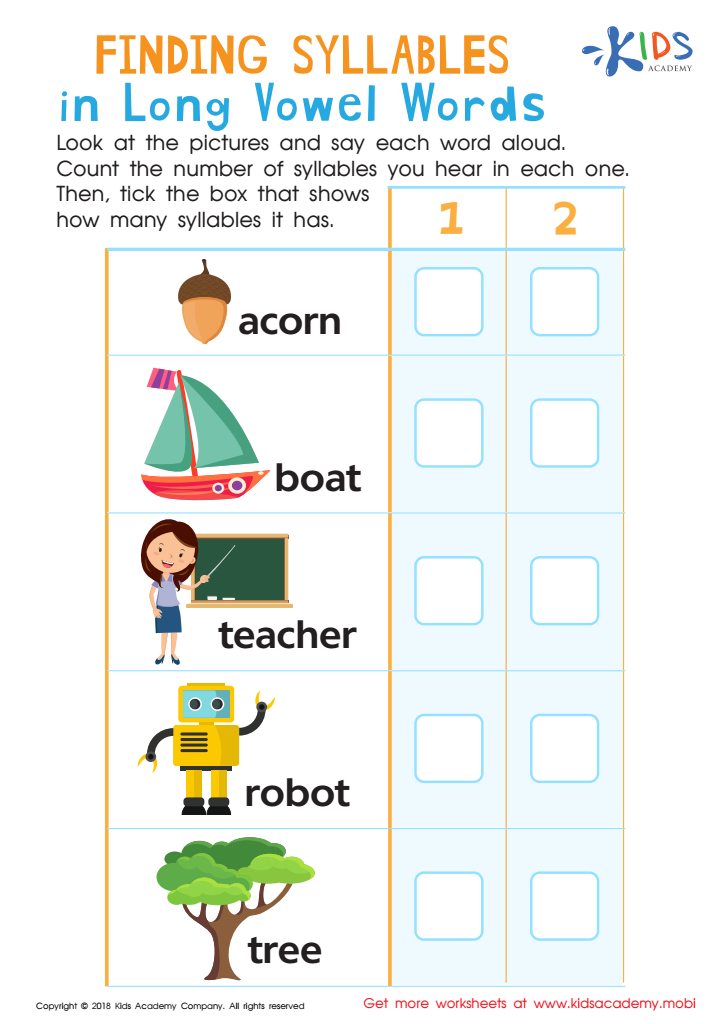
Finding Syllables in Long Vowel Words Worksheet







Vocabulary expansion during the early elementary years is critically important for several reasons. Ages 6 to 8 represent a crucial developmental period when children transition from learning to read, to reading to learn. An expanded vocabulary enhances reading comprehension, enabling children to better understand stories and content across all subjects, promoting academic success. Additionally, a broad vocabulary fosters clear and effective communication, essential for expressing thoughts, needs, and emotions both in and out of the classroom.
Parents and teachers play a pivotal role in this process. By providing a rich language environment, they can introduce new words in engaging and meaningful contexts, making learning enjoyable and relevant. Games, stories, and activities that encourage the use of diverse vocabulary not only stimulate curiosity but also cater to various learning styles. A strong vocabulary foundation is linked to advanced cognitive skills such as problem-solving and critical thinking, as children are equipped to understand complex concepts and instructions.
Furthermore, a robust vocabulary boosts self-confidence. As children become proficient in their language abilities, they are more likely to participate in discussions, ask questions, and engage with peers and adults, fostering social and emotional growth. By prioritizing vocabulary expansion, parents and teachers invest in a child's comprehensive development, setting them up for long-term success in various aspects of life.







