Alphabet sequencing Upper & Lowercase Letters Worksheets for Ages 6-8
4 filtered results
-
From - To
Empower your child's literacy journey with our Alphabet Sequencing Upper & Lowercase Letters Worksheets specifically designed for ages 6-8. These engaging and educational printables enhance alphabet recognition, sequencing skills, and letter-sound correspondence by seamlessly integrating both uppercase and lowercase letters. Perfect for young learners, these worksheets support reading readiness and fine motor skills through varied and age-appropriate activities. Tailored by educational experts, they provide a fun and interactive way to strengthen foundational skills essential for early reading success. Boost your child's confidence and ability with our carefully created sequencing worksheets only at Kids Academy.
Explore our collection today to spark learning!
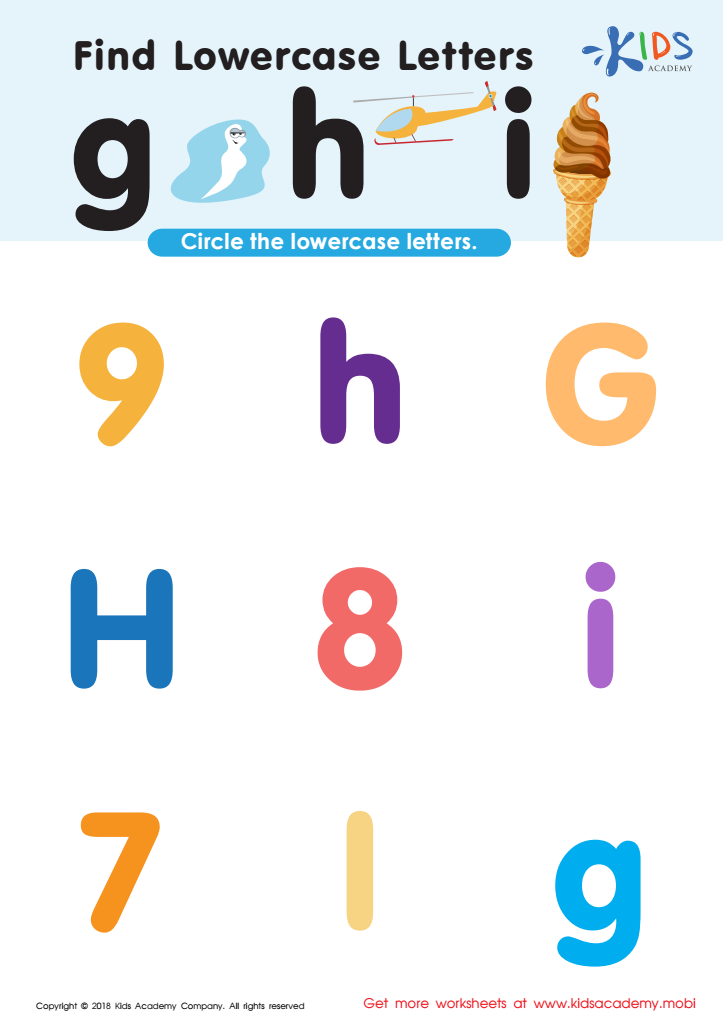
Find Lowercase Letters g h i Worksheet
 Assign to My Students
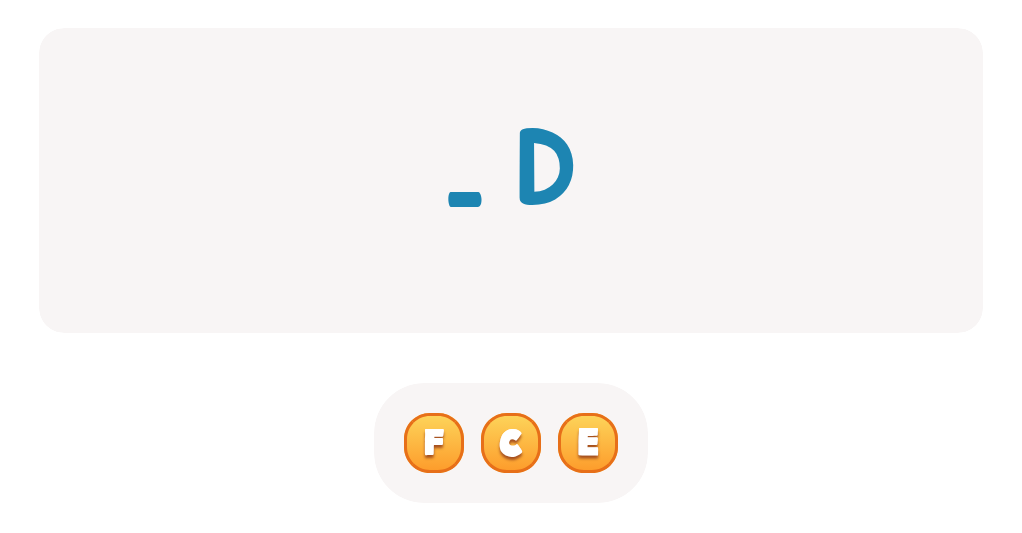

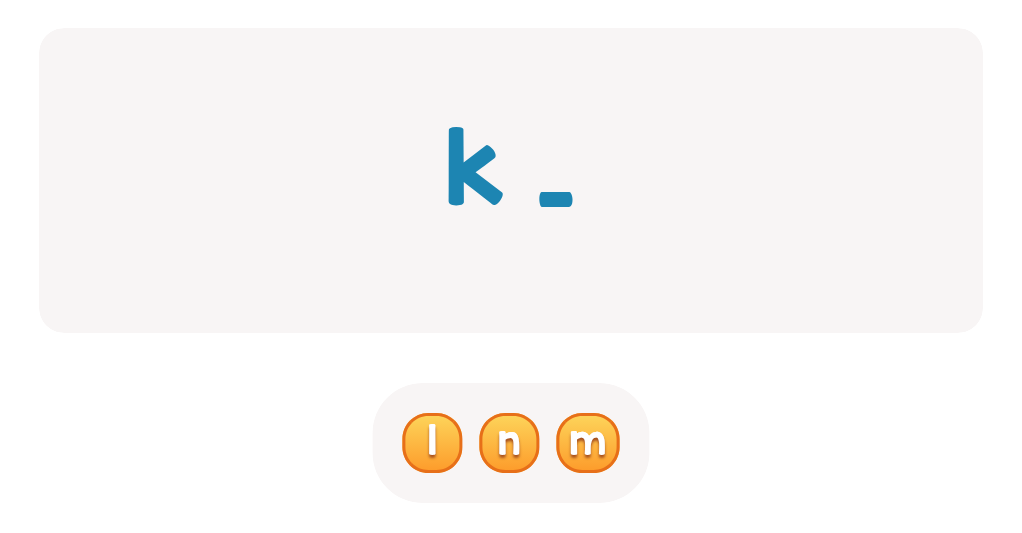
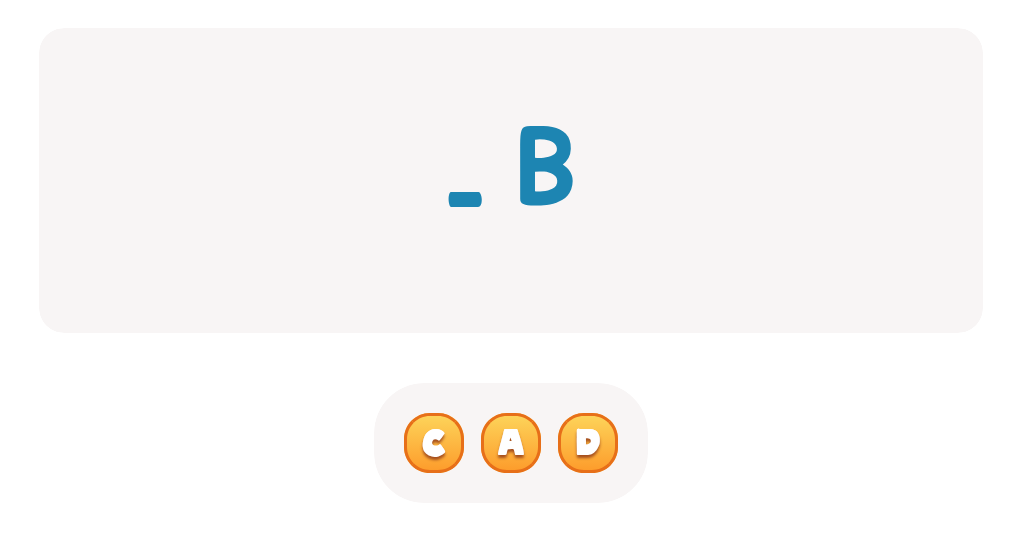

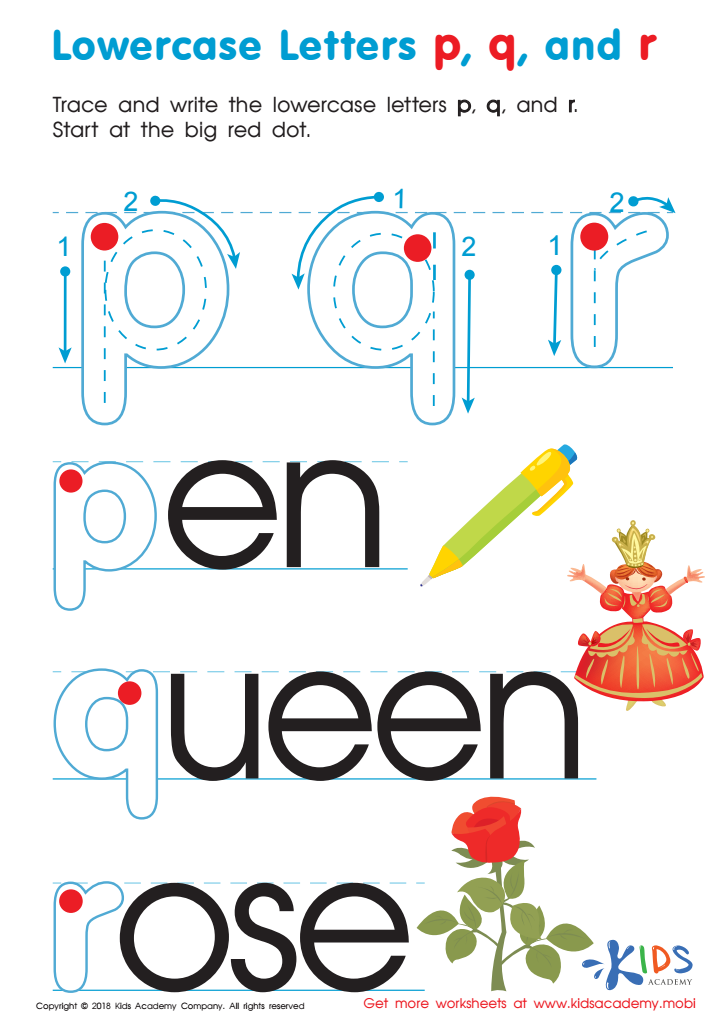
Lowercase Letters p q r Worksheet
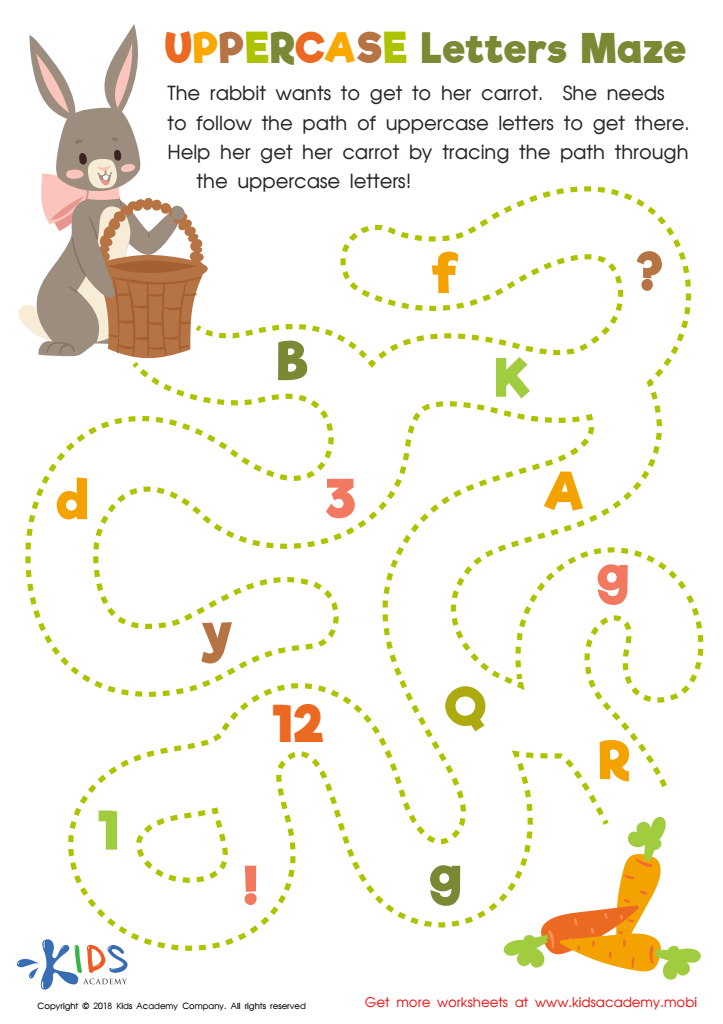
Uppercase Letters Maze Worksheet
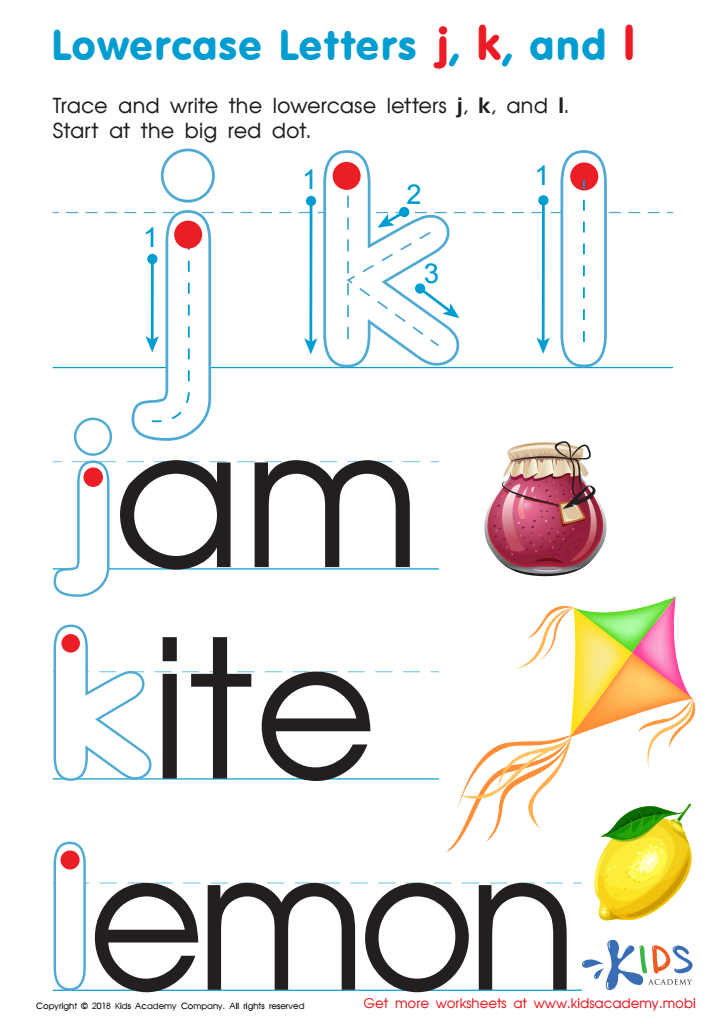
Lowercase Letters j k l Worksheet






Alphabet sequencing of upper and lowercase letters is a foundational skill that sets the groundwork for reading and writing proficiency in children aged 6-8. During these formative years, learning to recognize and order letters in both cases significantly bolsters a child's literacy development. It enhances letter recognition, ensuring that children can easily differentiate between 'A' and 'a', 'B' and 'b', which is crucial for reading fluency. Proficiency in sequencing sharpens their ability to alphabetize, an essential skill for tasks such as using dictionaries or organizing information.
Engaging with both cases helps improve fine motor skills as children practice writing each letter. This dual recognition supports cognitive development by fortifying memory and problem-solving abilities as children learn patterns and alphabetical order.
Consistency between home and school learning environments reinforces these skills. If parents and teachers emphasize alphabet sequencing, children receive regular, combined reinforcement, creating a more robust learning experience. Additionally, understanding that each letter has an upper and lowercase counterpart cultivates a normalized approach to reading varied text formats, enhancing comprehension and confidence.
Ultimately, investing effort in alphabet sequencing exercises equips children with the critical tools required for successful communication and progressive learning, laying a necessary groundwork for their continued educational journey.







