Uppercase identification Upper & Lowercase Letters Worksheets for Ages 6-8
5 filtered results
-
From - To
Discover our engaging "Uppercase Identification Upper & Lowercase Letters Worksheets" designed for children ages 6-8. These carefully crafted worksheets help young learners identify and differentiate uppercase and lowercase letters effectively. With fun activities and vibrant visuals, kids can navigate alphabet lessons with ease and excitement. Ideal for early graders, these printable resources enhance letter recognition skills, promote literacy, and foster a love for reading. Perfect for both classroom and at-home learning, our worksheets prepare your child for successful literacy development. Give your child a head start today with our interactive and educational resources!
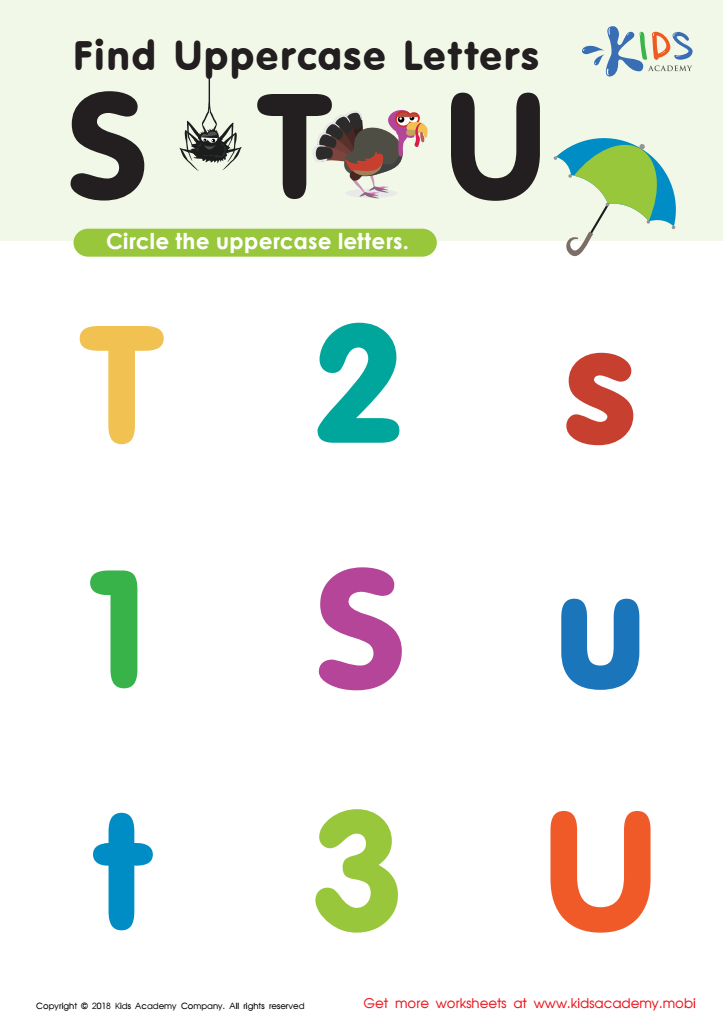
Find Uppercase Letters Worksheet
 Assign to My Students
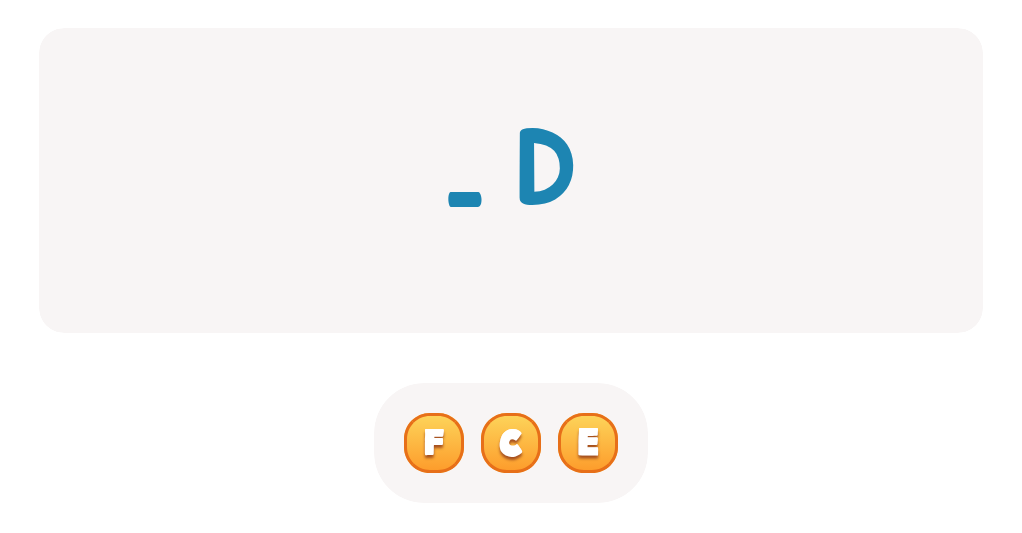

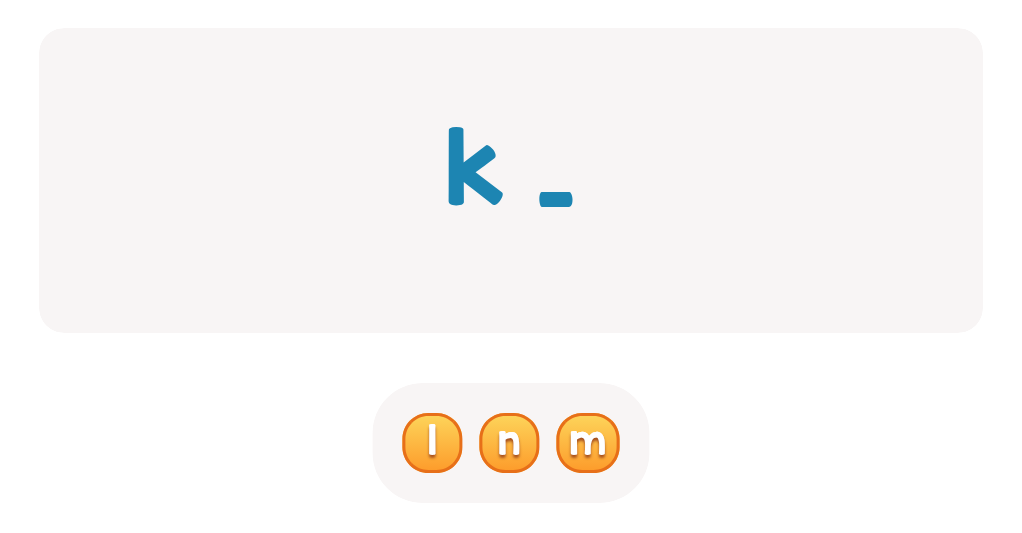
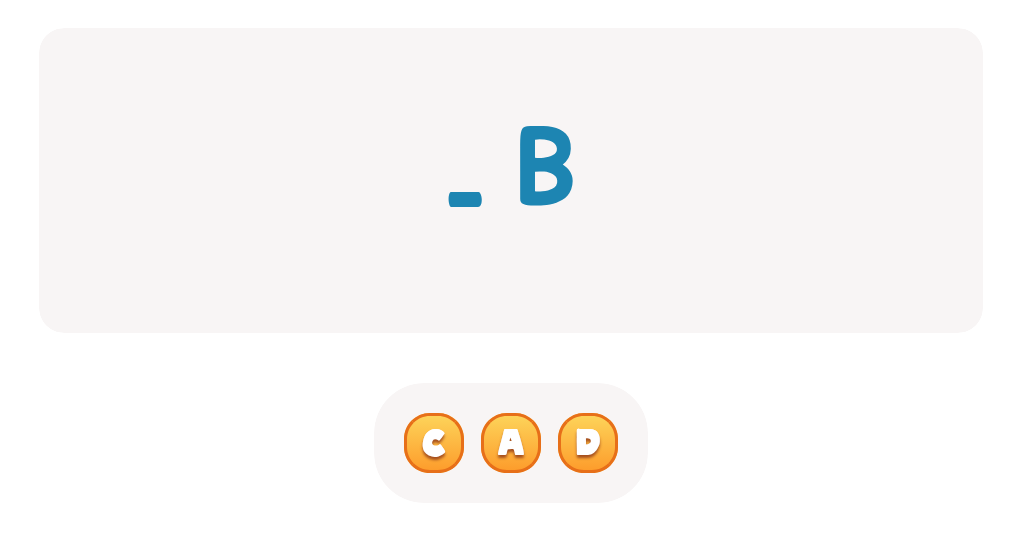
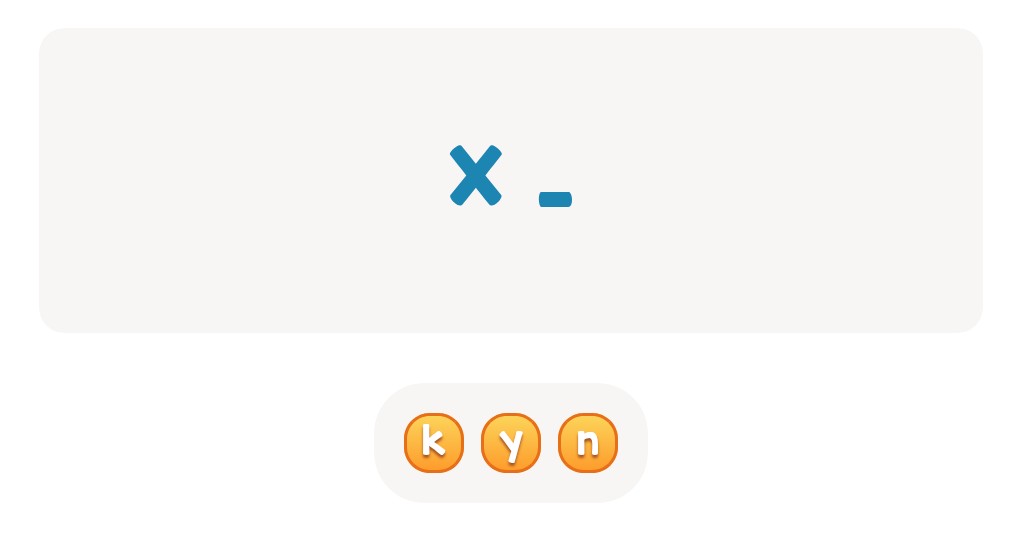
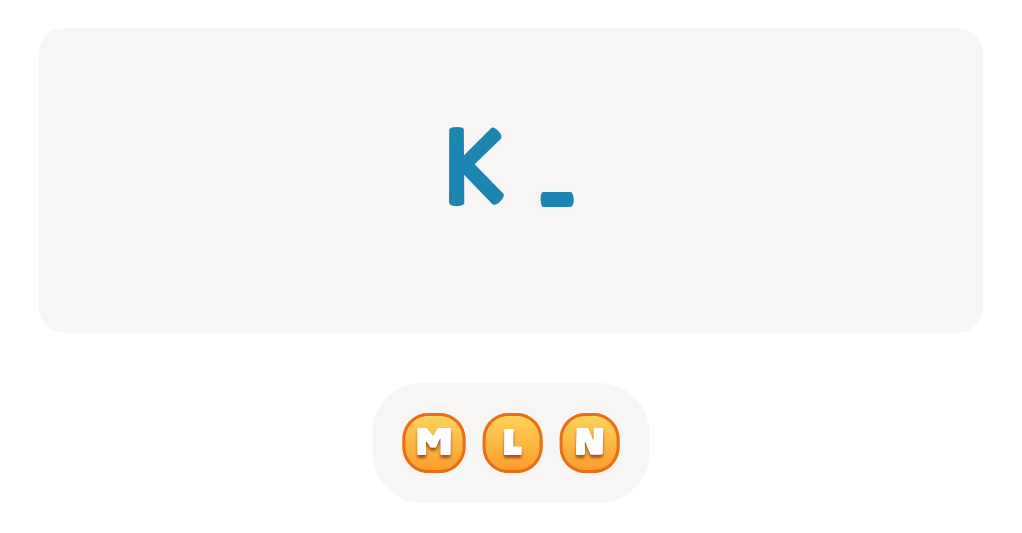
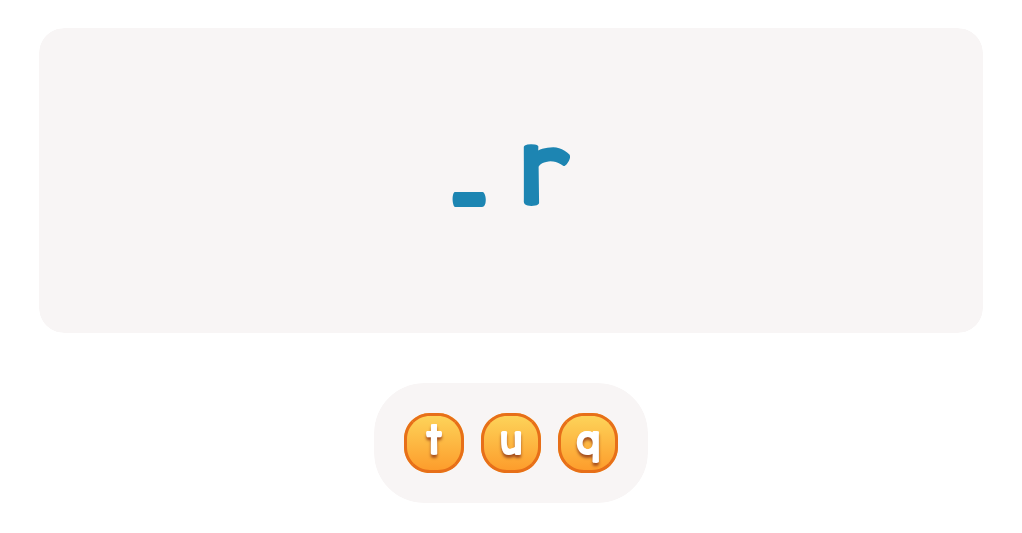
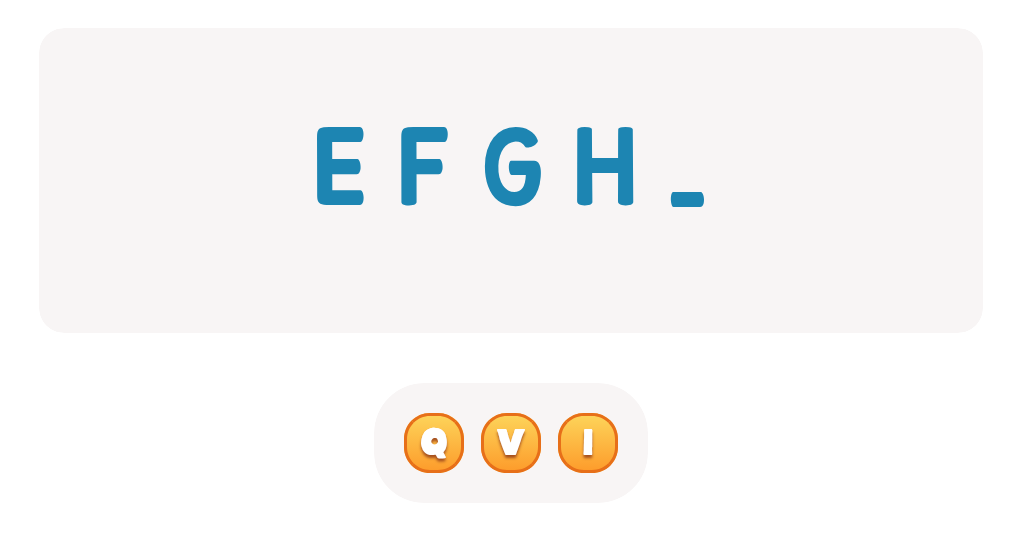
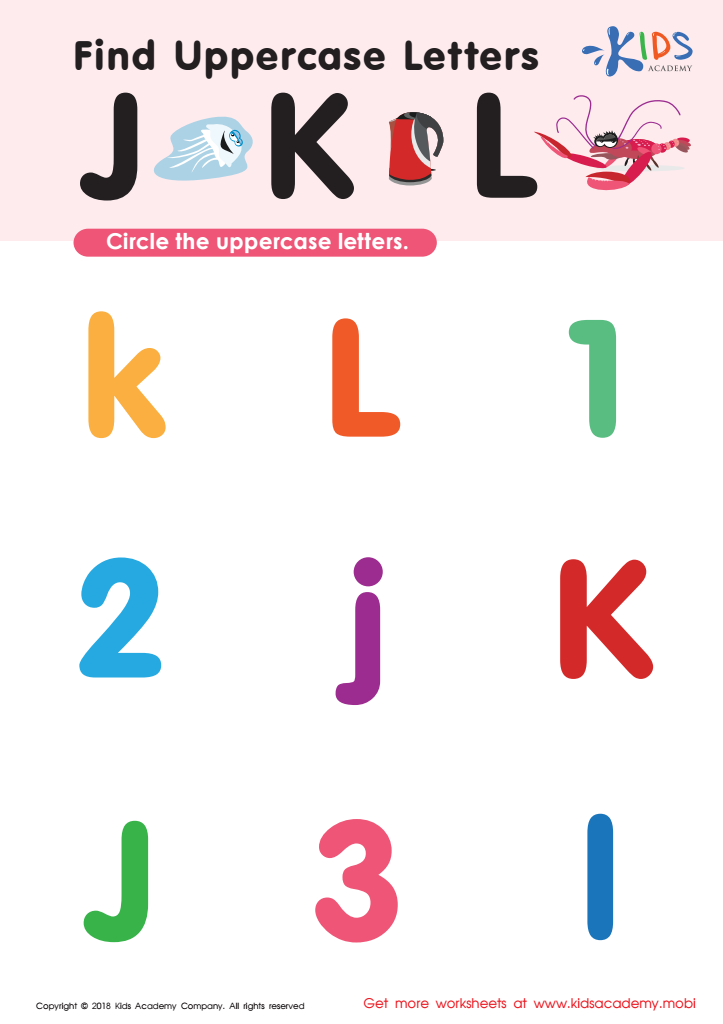
Find Uppercase Letters J, K, and L Worksheet
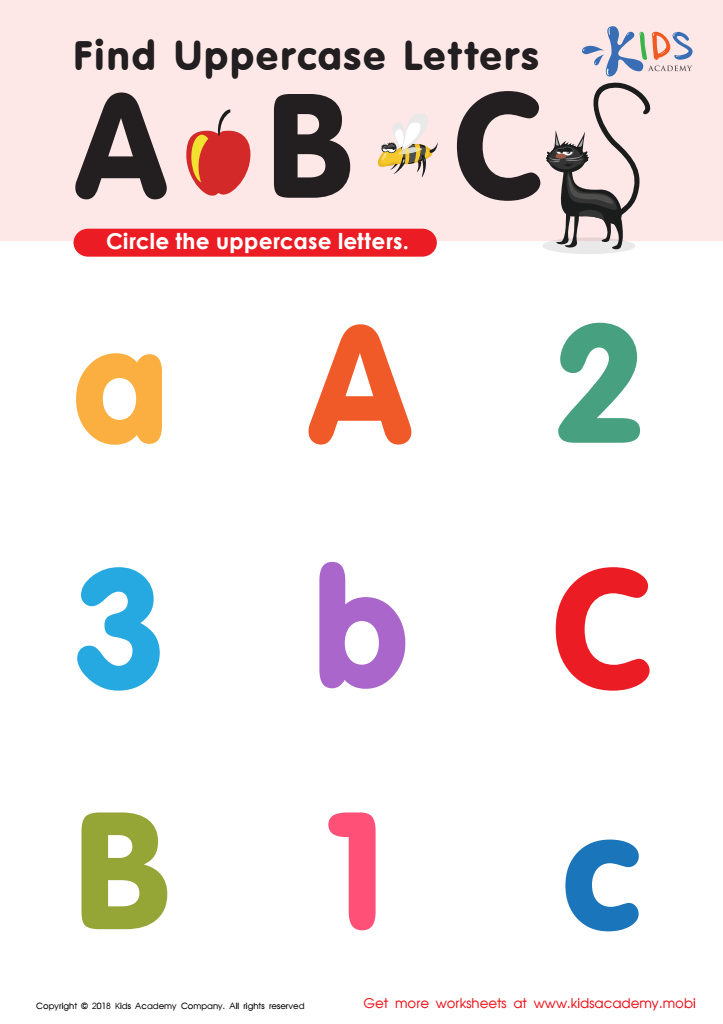
Find Uppercase Letters A, B, and C Worksheet

Find Uppercase Letters V, W, X Worksheet
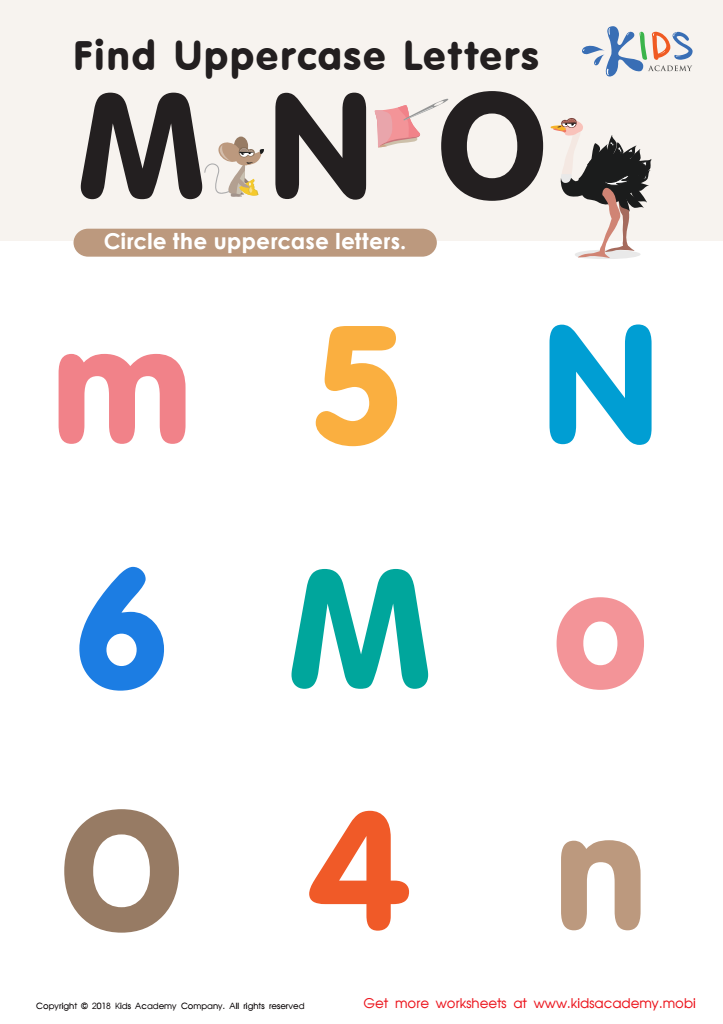
Find Uppercase Letters M, N, and O Worksheet






Uppercase and lowercase letter recognition is foundational for early literacy and overall educational success in children aged 6-8. At this formative stage, children transition from "learning to read" to "reading to learn." Proficient skills in identifying both uppercase and lowercase letters enable smoother reading fluency and comprehension, as texts in books and everyday print employ both cases.
Understanding the relationship between upper and lower case letters ensures that children can accurately participate in reading and writing activities. Different font styles and the frequent interchange of cases can confuse young learners, impeding their ability to read sentences fluently. This may slow down comprehension and adversely affect academic performance. Encouraging recognition of both cases expands vocabulary, improves spelling abilities, and supports overall language development.
Proficiency in uppercase and lowercase identification not only boosts academic capabilities but also enhances confidence. Children are more likely to engage actively in class discussions, read aloud sessions, and independent reading exercises when they aren't struggling with letter recognition. This foundation, nurtured by attentive parents and teachers, cultivates a lifelong love of reading and learning, setting children on a path for academic excellence and intellectual curiosity.
Thus, it is crucial for parents and teachers to prioritize and support the development of these skills through effective and engaging teaching methods.







