Visual discrimination Upper & Lowercase Letters Worksheets for Ages 6-8
4 filtered results
-
From - To
Enhance your child's learning journey with our engaging Upper & Lowercase Letters Worksheets, specially designed for ages 6-8. These visually stimulating activities focus on improving visual discrimination skills, helping young learners differentiate between uppercase and lowercase letters effectively. Each worksheet features fun and interactive exercises that encourage practice through matching, sorting, and identifying letter forms. Promote early literacy and foster a love for letters while developing critical cognitive skills. Ideal for classroom use or at-home learning, our worksheets support the growth and confidence of your child as they navigate the exciting world of the alphabet. Start their adventure in reading today!
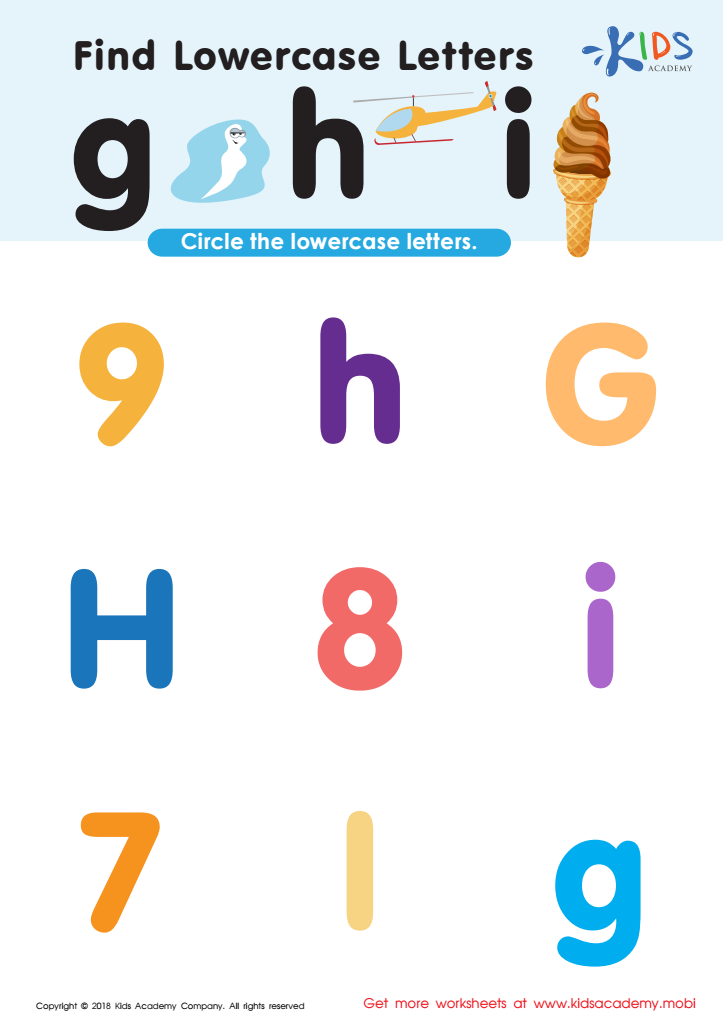
Find Lowercase Letters g h i Worksheet
 Assign to My Students


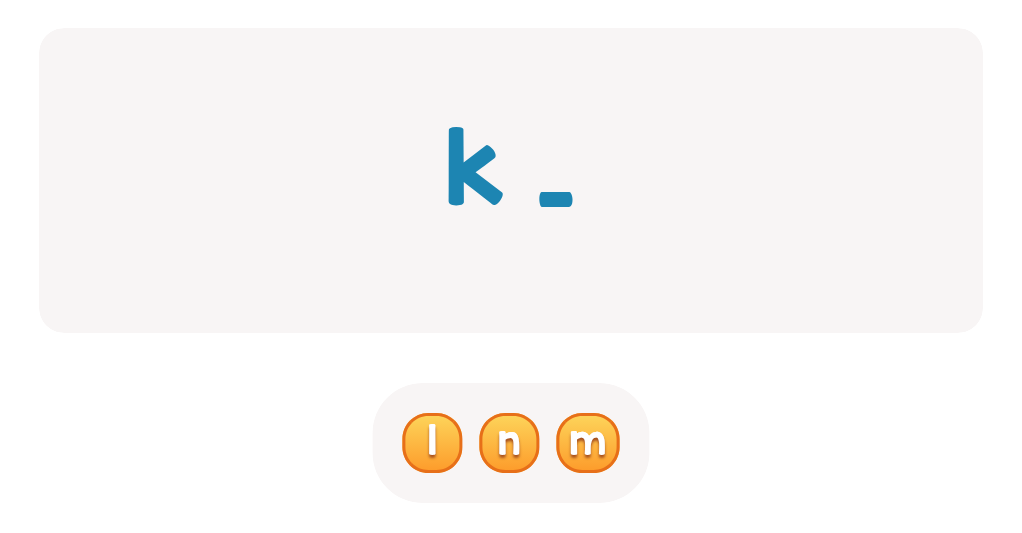
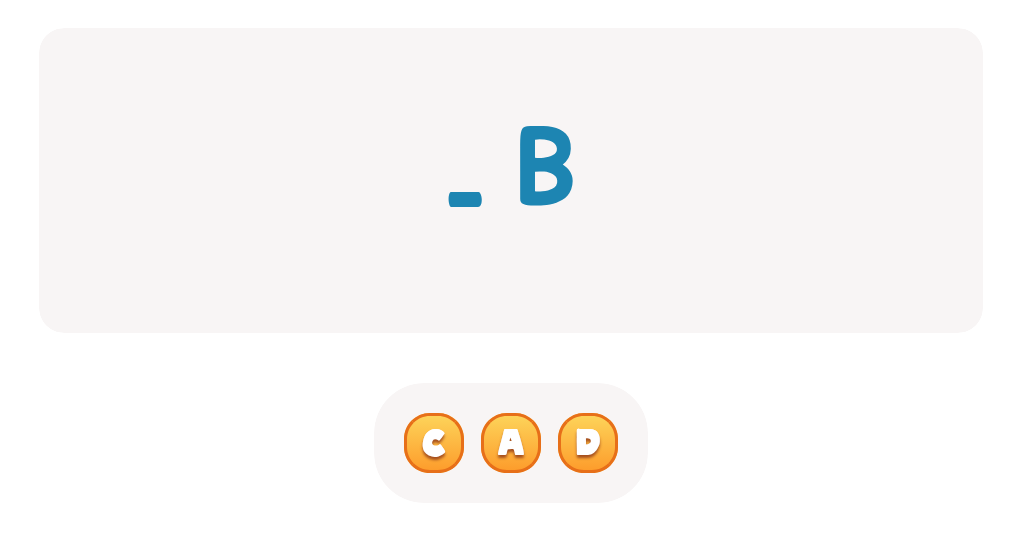



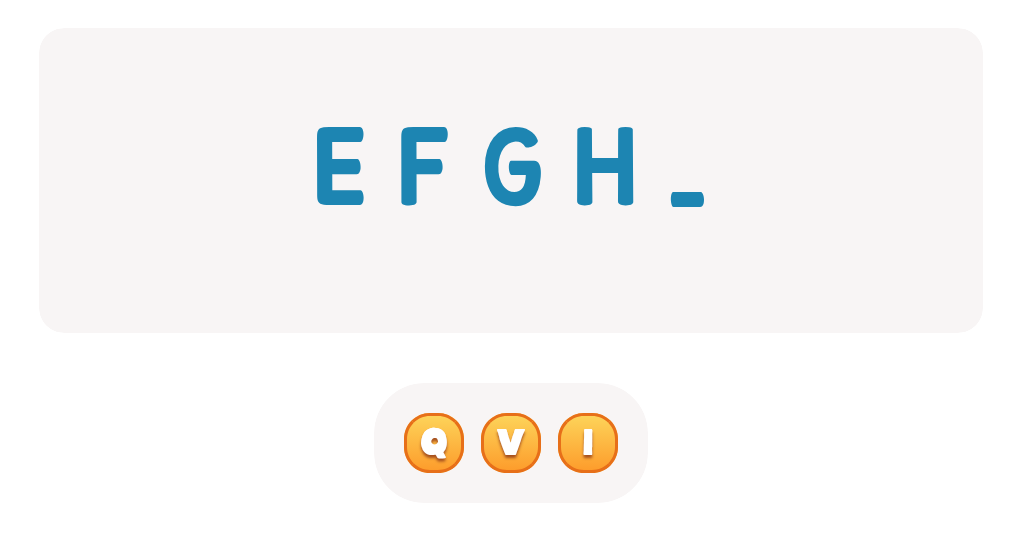

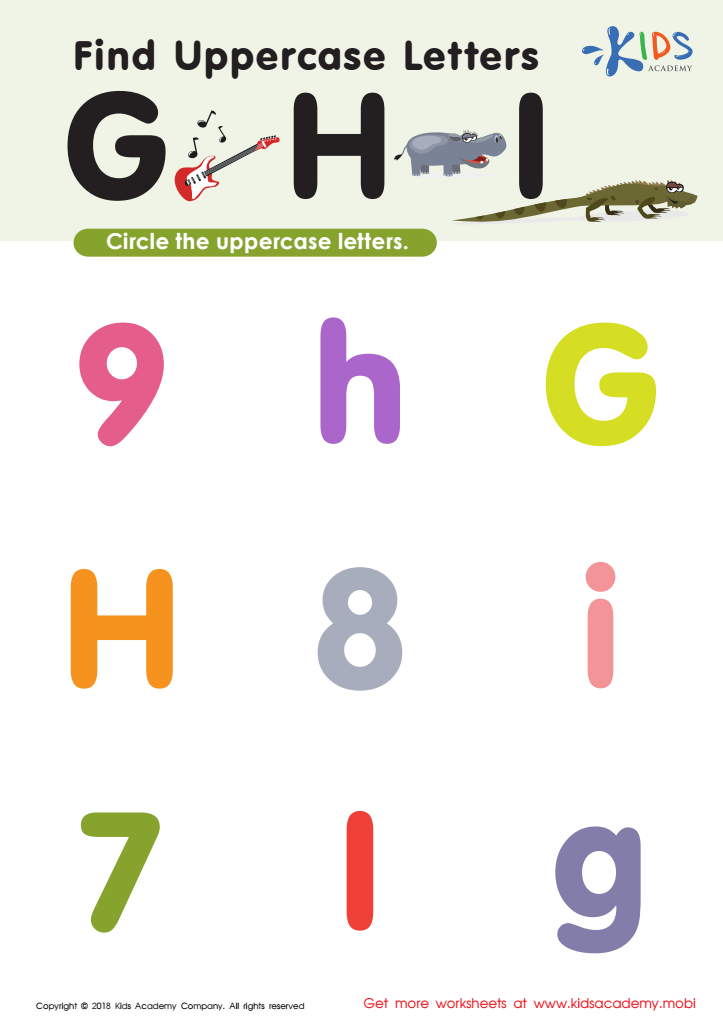
Find Uppercase Letters G, H, and I Worksheet
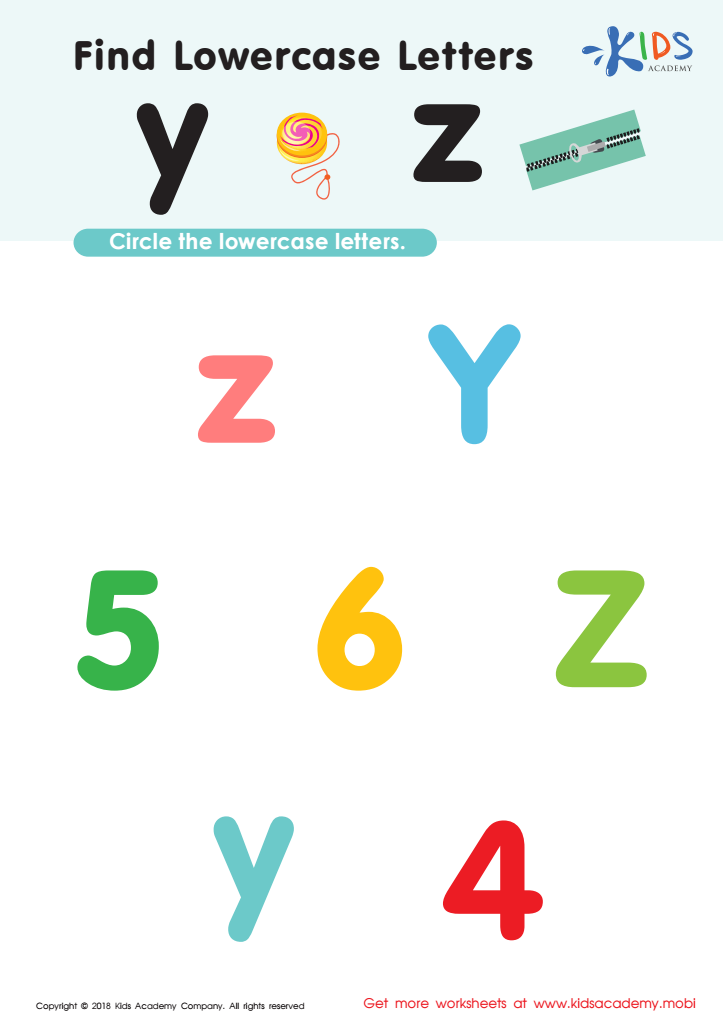
Find Lowercase Letters y z Worksheet
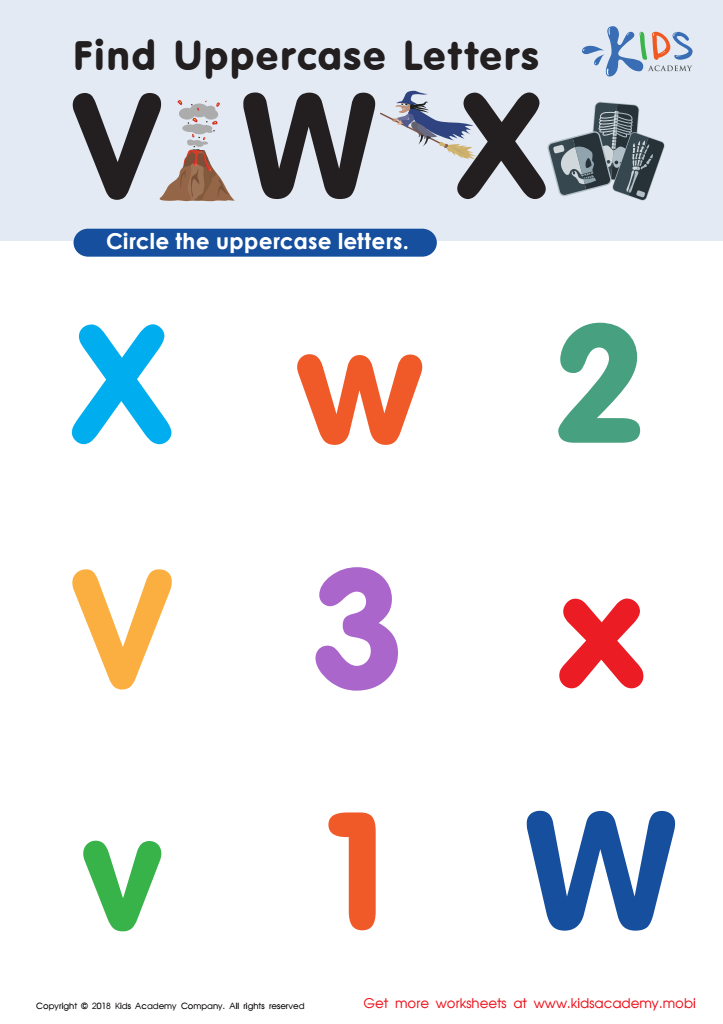
Find Uppercase Letters V, W, X Worksheet






Visual discrimination is a crucial skill for young learners, particularly for those aged 6-8, as it equips them to differentiate between uppercase and lowercase letters effectively. This capability is vital for reading and writing, as these two forms of letters are foundational for literacy development. When children can accurately recognize and distinguish between uppercase and lowercase letters, they are better equipped to decode words, improve their spelling, and enhance their overall reading fluency.
For parents and teachers, fostering visual discrimination can significantly impact a child's educational trajectory. By encouraging these skills early, educators can help prevent future reading difficulties often linked to confusion between letter forms. Activities such as letter matching games, crafts, and interactive reading can make learning engaging while reinforcing these skills.
Moreover, visual discrimination goes beyond letters; it lays the groundwork for broader cognitive abilities, such as pattern recognition and critical thinking. Supporting this skill translates to improved confidence in academic settings, helping children become more proficient readers and writers. Ultimately, parents and teachers should prioritize visual discrimination activities as essential tools to empower children on their learning journey, ensuring they develop the literacy skills necessary for future success.







