Hand-eye Coordination Vowels Worksheets for Ages 6-8
4 filtered results
-
From - To
Discover our engaging Hand-eye Coordination Vowels Worksheets, specially designed for children aged 6-8! These fun and interactive worksheets combine essential vowel recognition with hand-eye coordination activities, helping young learners develop essential skills while having a blast. Each worksheet offers bright, colorful illustrations and captivating exercises that challenge kids to trace, match, and identify vowels in unique ways. Tailored to foster both literacy and fine motor skills, these resources create a dynamic learning experience. Perfect for use at home or in the classroom, our worksheets are an excellent tool for reinforcing vocabulary and coordination skills. Download and inspire curious minds today!
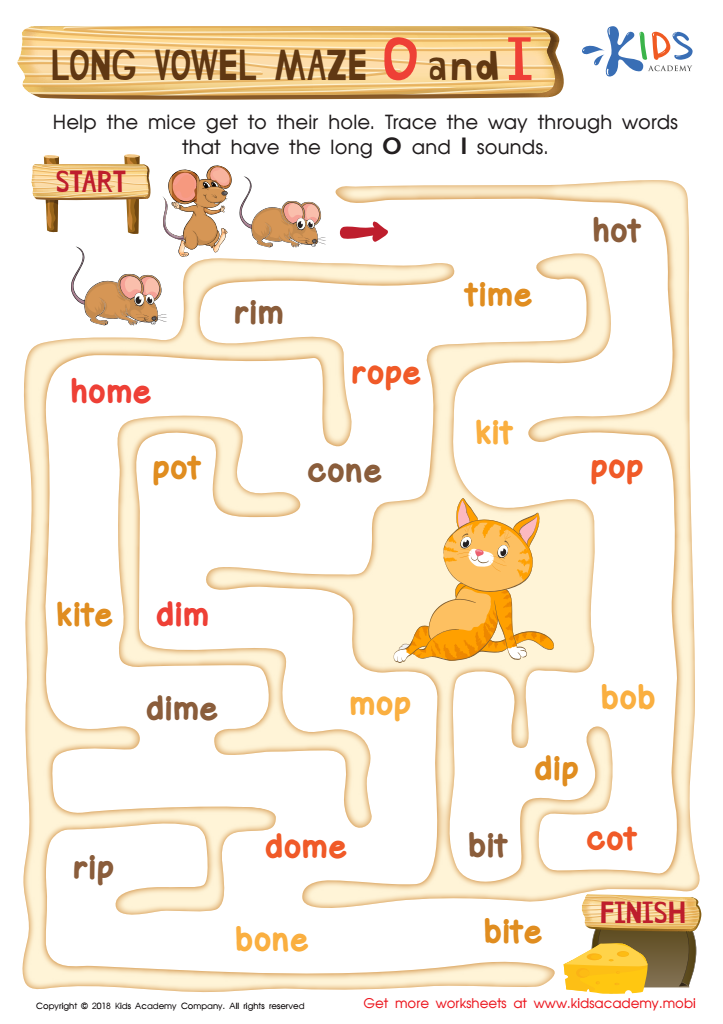
Long Vowel Maze /o/ and /i/ Worksheet
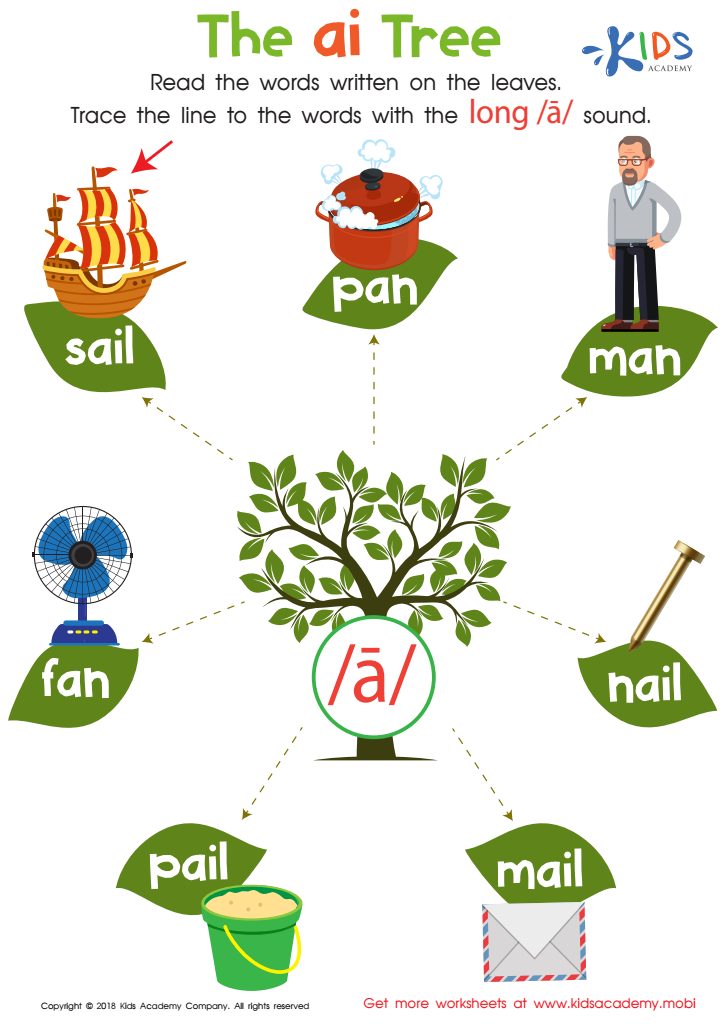
The AI Tree Worksheet

Long and Short U Worksheet
 Assign to My Students
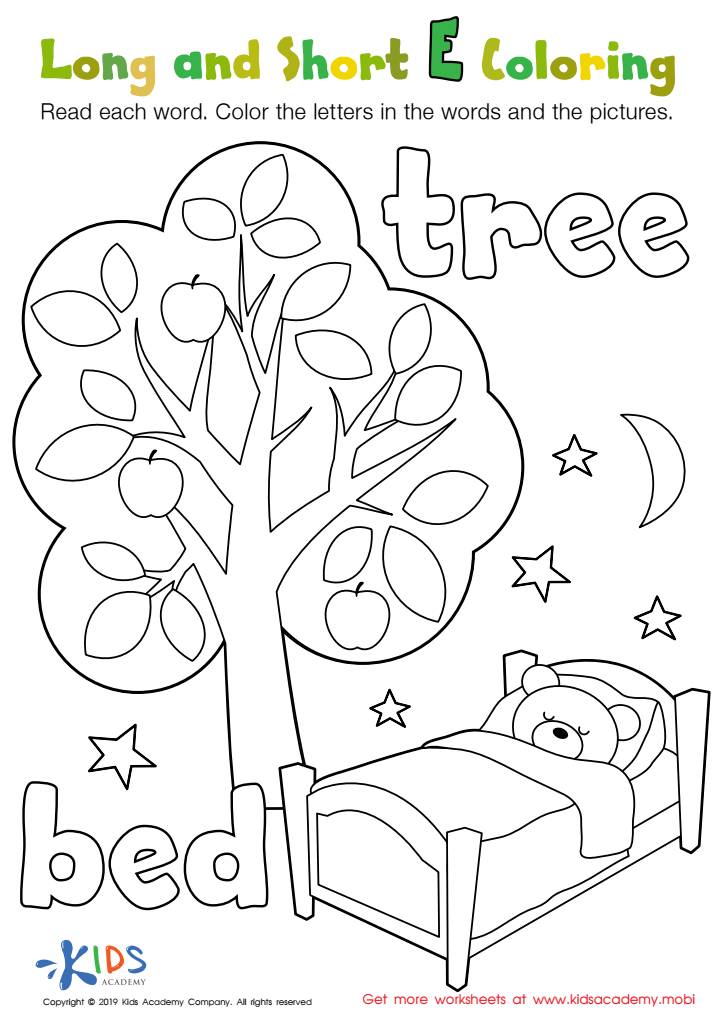
Long and Short E Worksheet
Assign to My Students





Hand-eye coordination is a vital skill that significantly impacts a child's overall development, particularly during the ages of 6-8. This period is crucial as children refine their physical abilities, cognitive processes, and emotional connections with learning. Hand-eye coordination involves the synchronization of visual inputs and hand movements, essential for tasks such as writing, drawing, and participating in sports.
Parents and teachers should prioritize incorporating activities that enhance hand-eye coordination, as it supports academic readiness and skill development. For instance, writing requires precision in letter formation, making it easier for children to master the fundamentals of reading, including vowel recognition and pronunciation. This fluency with letters and sounds forms the basis for improved literacy skills.
Furthermore, engaging in fine motor activities—like arts and crafts, puzzles, and coordinated sports—can help children build confidence, focus, and perseverance. As they improve these skills, children become more competent learners, which translates into increased motivation and interest in school.
In summary, fostering hand-eye coordination is essential not only for physical skill development but also for enhancing cognitive growth and emotional well-being. By investing time in these activities, parents and teachers equip children with essential tools for lifelong learning.







