Vocabulary development Vowels Worksheets for Ages 6-8
6 filtered results
-
From - To
Explore our engaging Vocabulary Development Vowels Worksheets designed for children ages 6-8! These resources are tailored to help young learners enhance their understanding of vowels while expanding their vocabulary skills. Our interactive worksheets feature fun activities that focus on identifying and using vowels in various words, promoting both phonemic awareness and reading comprehension. Each worksheet is crafted to spark creativity and encourage independent learning, making it perfect for use at home or in the classroom. Join us in building a strong foundation for literacy while ensuring that learning remains enjoyable and effective. Unlock your child's potential today with our exceptional vowel worksheets!
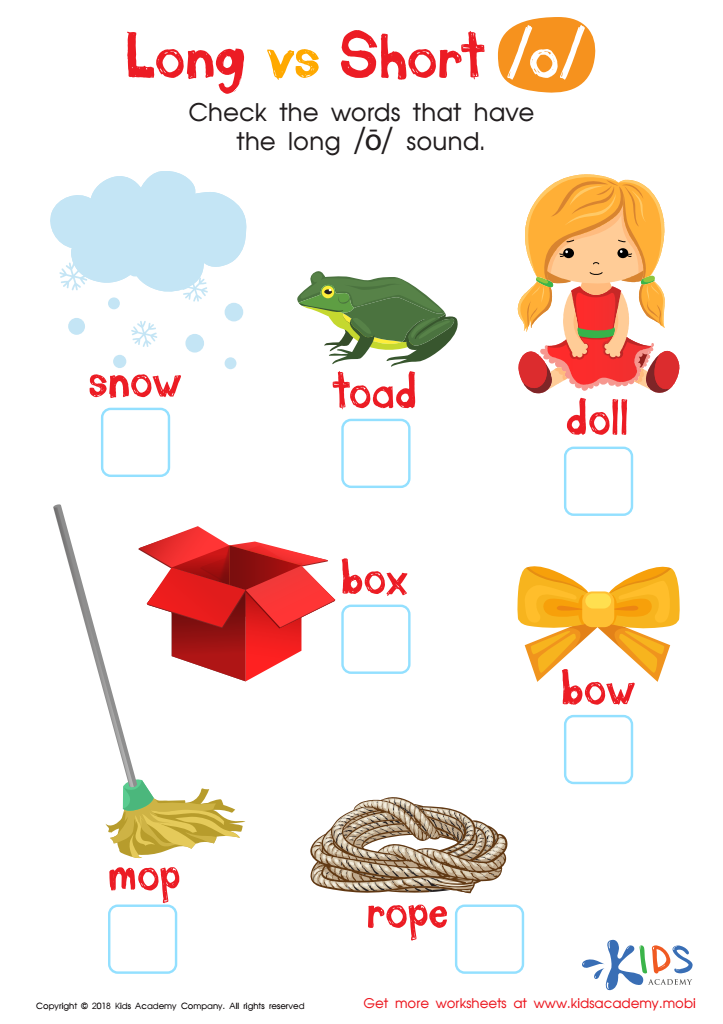
Long vs Short O Reading Worksheet
 Assign to My Students
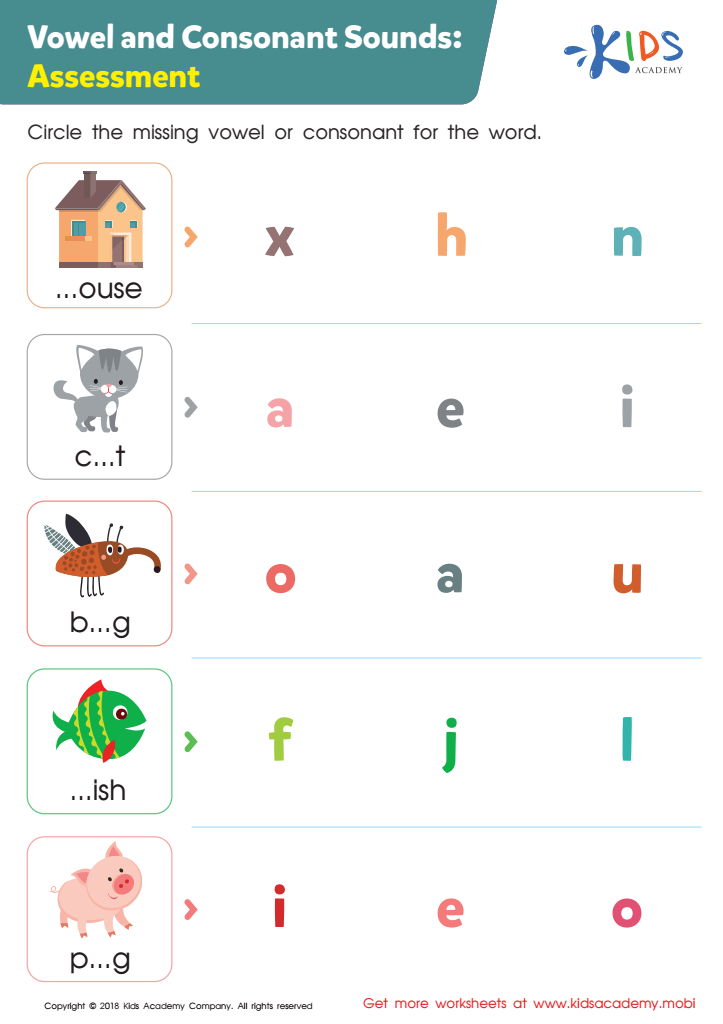
Vowel and Consonant Sounds: Assessment Worksheet
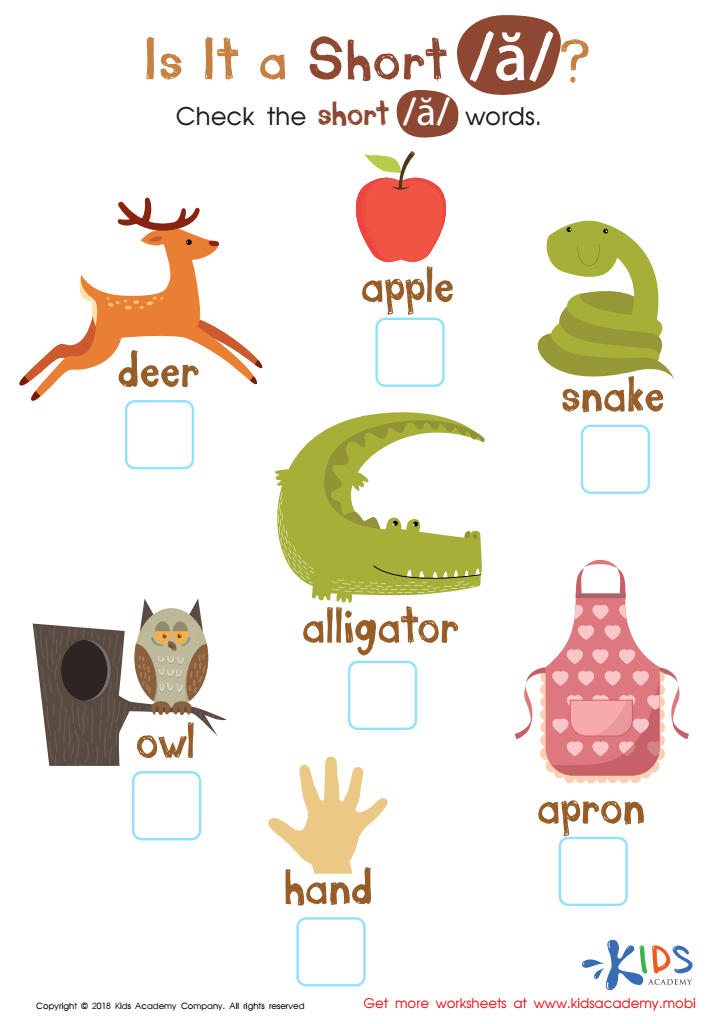
Is It Short A? Reading Worksheet
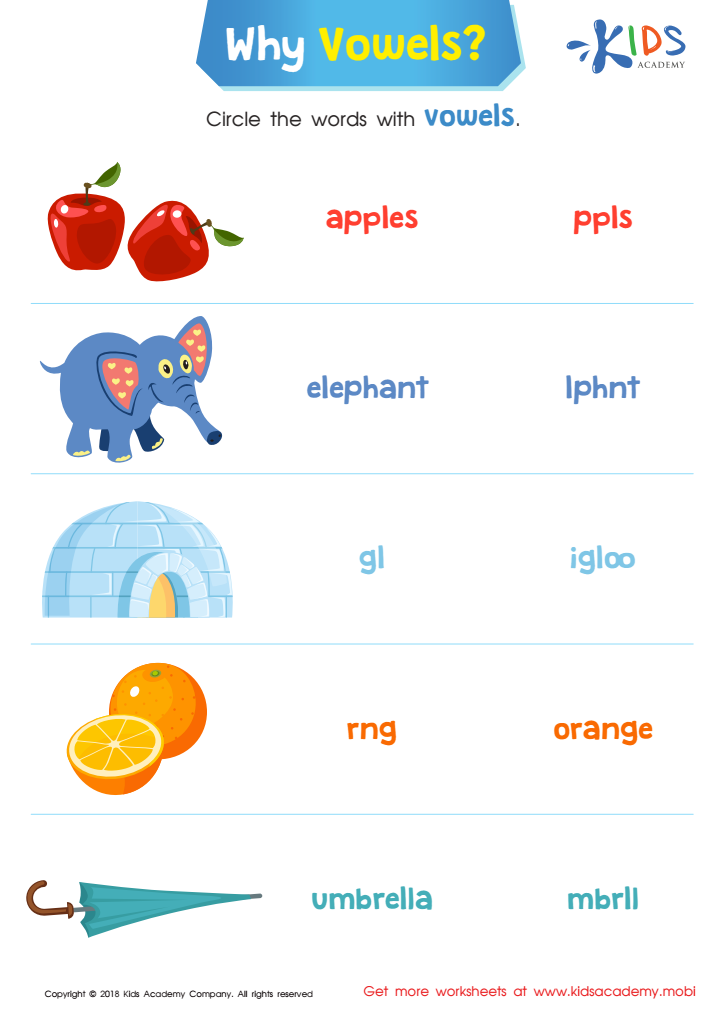
Why Vowels? Reading Worksheet
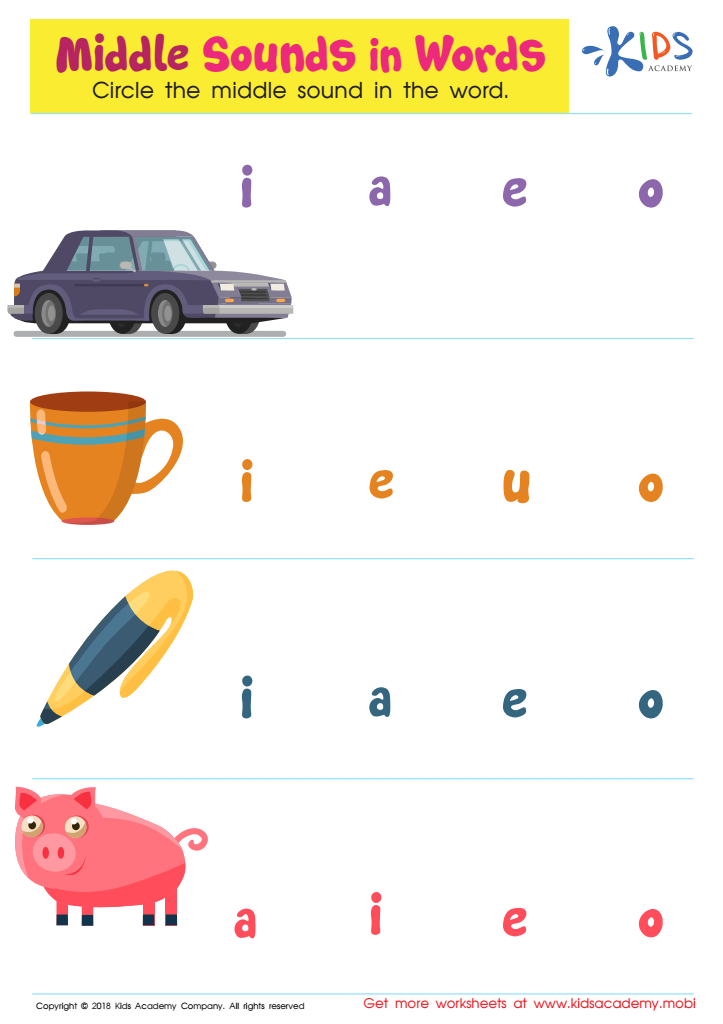
Middle Sounds in Words Worksheet
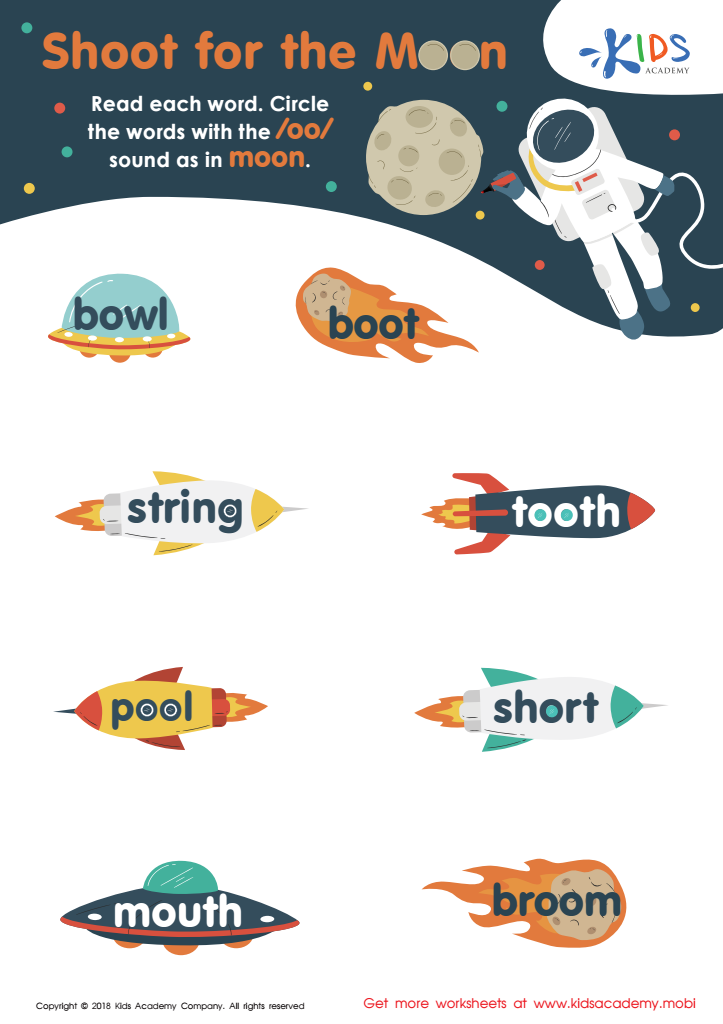
Reading: Shoot for the Moon Worksheet





Vocabulary development, especially focusing on vowels, is crucial for children ages 6-8 as it lays the foundation for their reading and writing skills. During these critical years, children expand their vocabulary at an impressive rate, enabling them to express their thoughts, feelings, and ideas more clearly. Vowels play a vital role in decoding and pronunciation, which are essential for emerging readers. Understanding the sounds and patterns of vowels helps children practice blending letters, leading to improved reading fluency.
Moreover, a strong vocabulary enriches comprehension. When children know more words and their meanings, they are better equipped to understand age-appropriate texts, which enhances their overall academic performance. Fostering phonemic awareness, particularly with vowels, also aids in spelling and language development, providing children with tools they need for effective communication.
In addition to literacy skills, vocabulary development contributes to cognitive growth. Discussions about new words encourage critical thinking and curiosity about language. By prioritizing vowel-focused vocabulary development, parents and teachers can cultivate lifelong learners who articulate complex ideas with confidence, ultimately setting the stage for success in various academic subjects and social interactions. Encouragement in these formative years can significantly impact future educational journeys.







