Problem-Solving Skills English for Beginners Worksheets for Ages 6-8
4 filtered results
-
From - To
Enhance your child's problem-solving abilities with our engaging English worksheets designed specifically for beginners aged 6-8. These carefully crafted resources provide fun and interactive activities that encourage critical thinking and creative solutions. Through colorful illustrations and age-appropriate scenarios, children will practice essential language skills while developing their analytical abilities. Our worksheets cater to diverse learning styles, making it easier for young learners to grasp problem-solving concepts in a supportive environment. Perfect for homeschooling or supplementary learning, these materials will help children build confidence in both English and their problem-solving skills. Foster a love for learning and watch your child thrive!
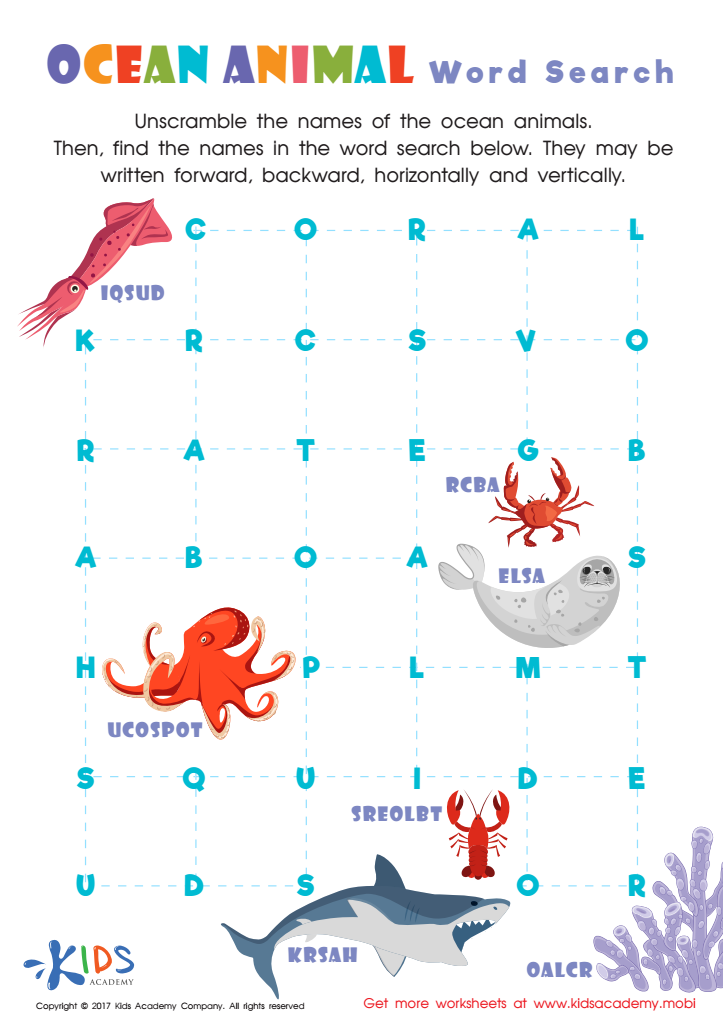
Ocean Animals Word Search Printable
 Assign to My Students
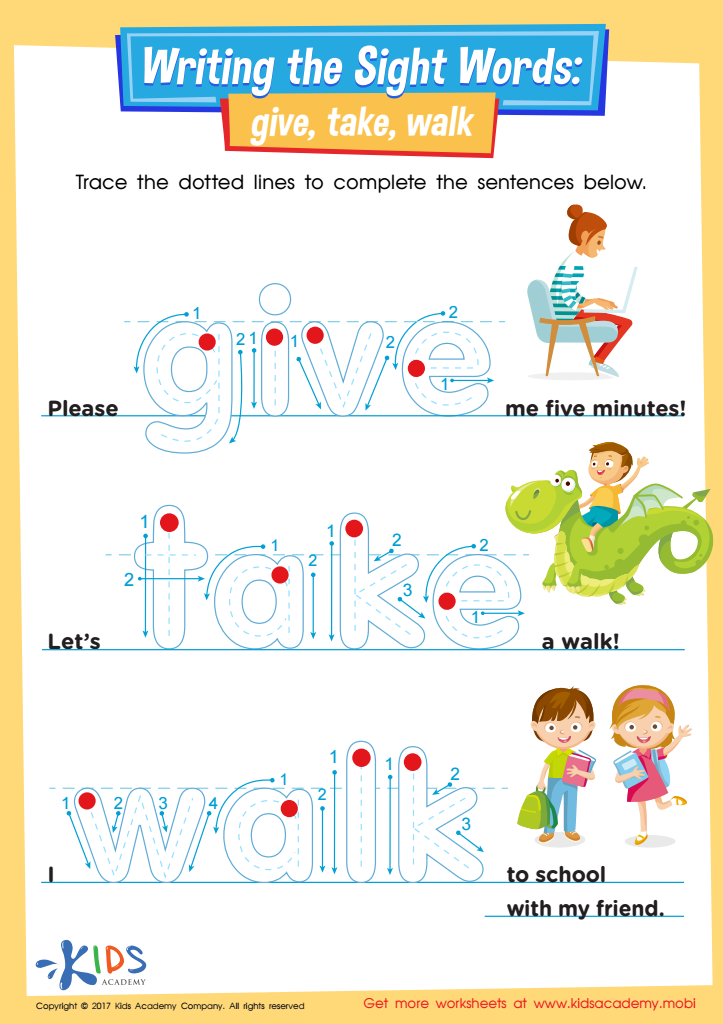
Give, Take, Walk Printable Sight Words Worksheet
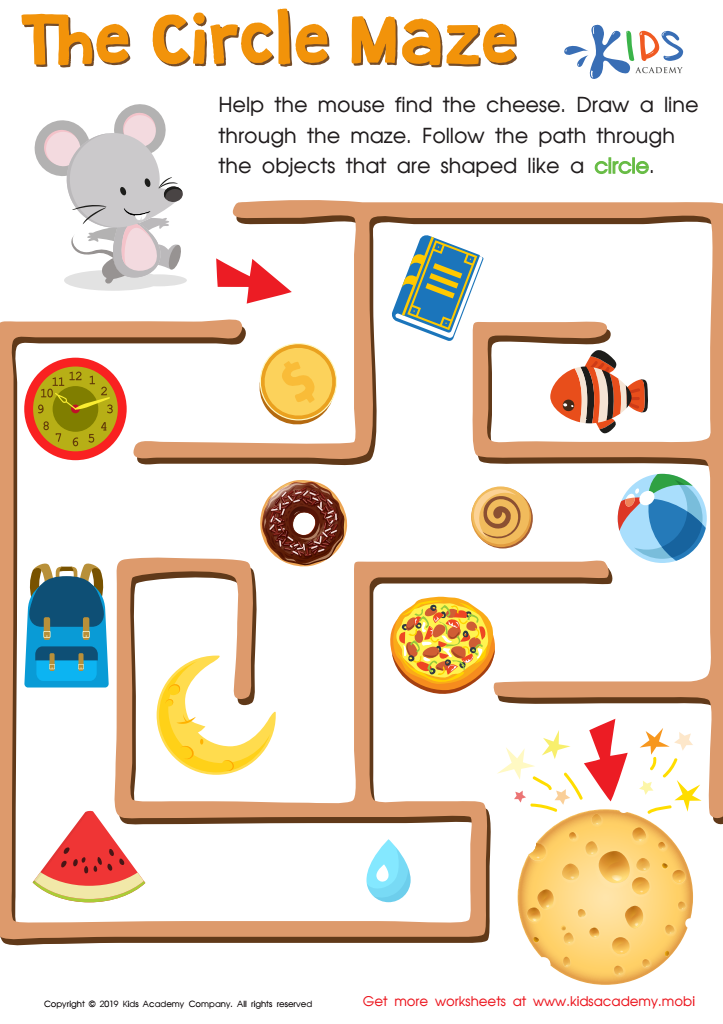
The Circle Maze Worksheet
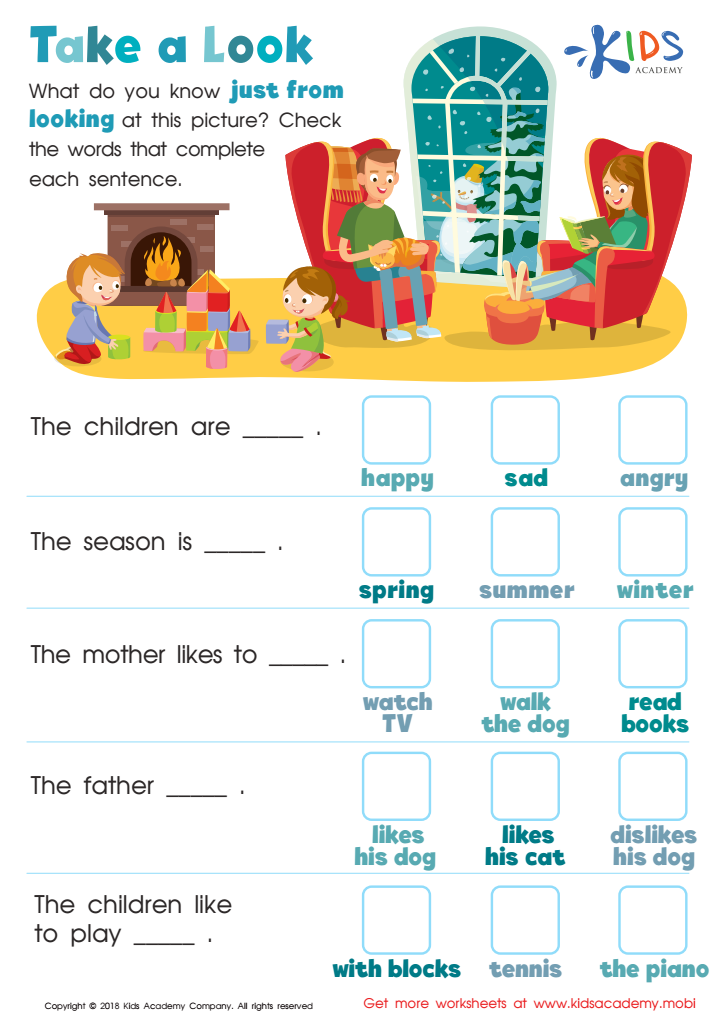
Take a Look - Part 1 Worksheet




Parents and teachers should prioritize Problem-Solving Skills in English for beginners aged 6-8 because these skills form a critical foundation for overall cognitive development. At this young age, children are naturally curious and inquisitive; fostering their problem-solving abilities encourages them to explore, ask questions, and think creatively. These skills are not only essential for academic success but also crucial for everyday decision-making.
Engaging children in problem-solving activities, such as puzzles or simple real-life scenarios, spurs their critical thinking and analytical abilities while nurturing resilience and perseverance. When students learn to tackle problems in English, they also develop language proficiency, enabling them to articulate their thoughts and solutions more effectively.
Moreover, strong problem-solving skills empower children to collaborate with peers, as they learn to communicate and negotiate during group activities. This social and emotional growth enhances their ability to work within a team setting.
By encouraging problem-solving skills, parents and teachers help prepare children for both academic challenges and real-world situations, promoting self-confidence and independence. Ultimately, integrating these skills into early education fosters lifelong learning and equips children with the tools they need to navigate an increasingly complex world.