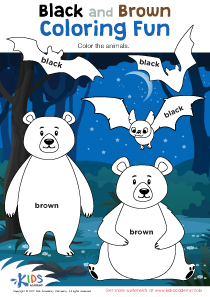
Vocabulary Building English for Beginners Worksheets for Ages 6-8
6 filtered results
Difficulty Level
Grade
Age
-
From - To
Subject
Activity
Standards
Unlock your child's potential with our Vocabulary Building English for Beginners worksheets, designed specifically for ages 6-8. These engaging and interactive resources help young learners expand their English vocabulary through fun activities and exercises. Each worksheet is crafted to enhance language skills, with topics catering to their interests and everyday experiences. Ideal for ESL learners, our worksheets foster confidence in using new words through writing, matching, and word puzzles. Perfect for classroom use or at-home learning, these materials provide a strong foundation in English while making vocabulary building enjoyable. Watch your child's language skills blossom with each completed worksheet!
Favorites
With answer key
Interactive
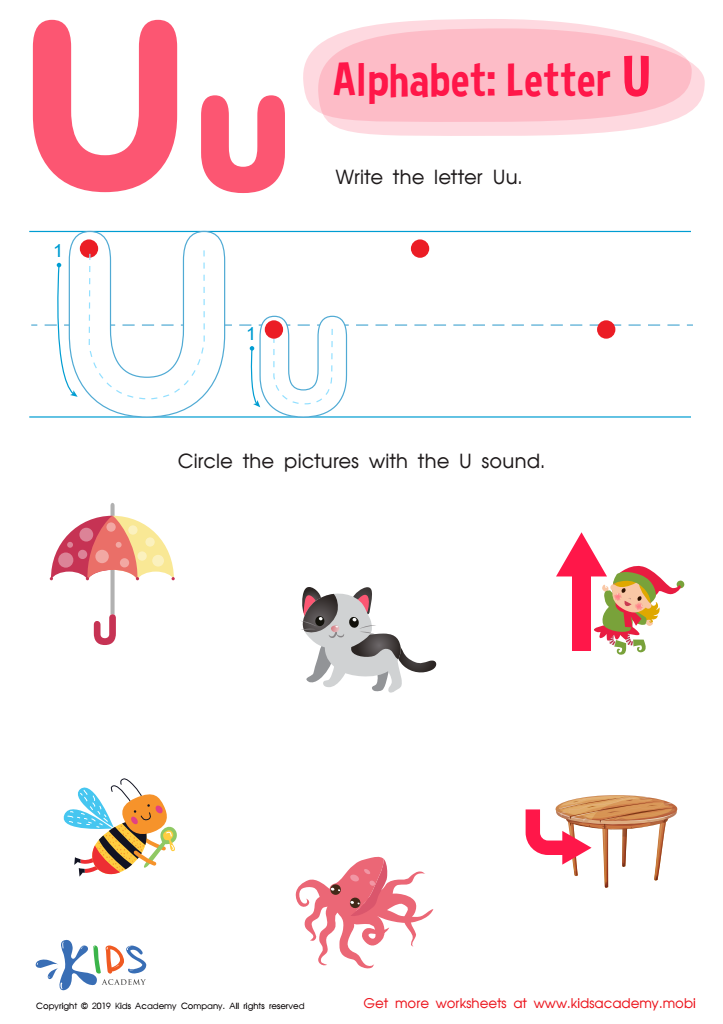
Letter U Tracing Worksheet
Your students can have fun and learn about the alphabet with this letter «U» worksheet. Pre-schoolers will trace the letter «U», circle words with the letter sound, and learn phonics while boosting their confidence. Doing these tasks will help them understand the letter more.
Letter U Tracing Worksheet
Worksheet
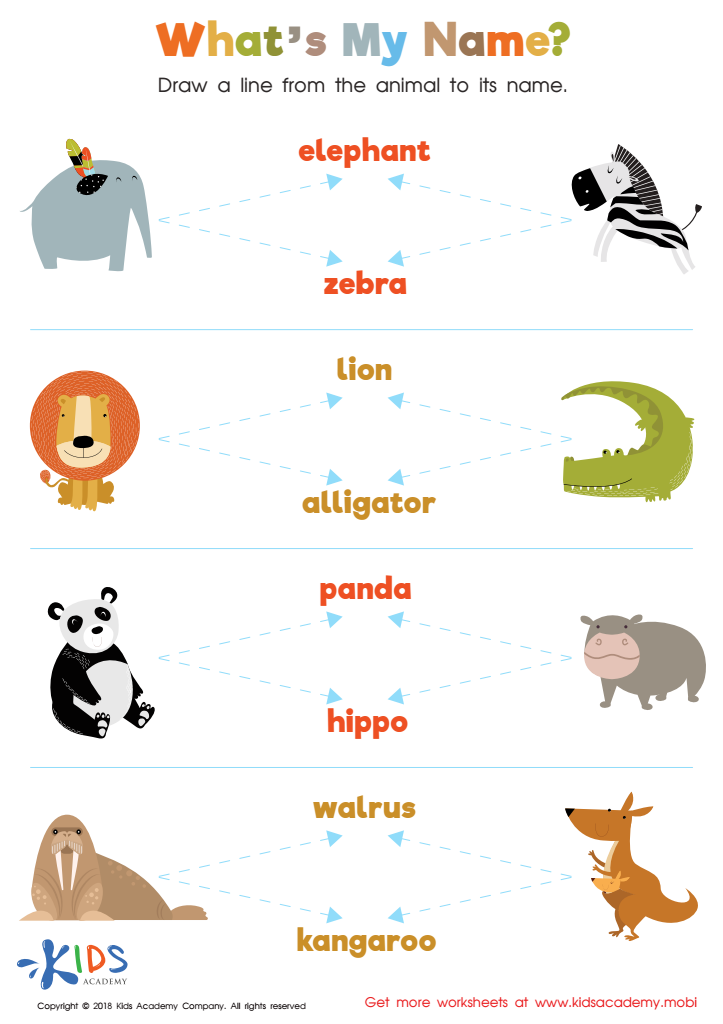
Animals and Their Names Worksheet
Match animals with their names with this worksheet! Draw a line from the word to its picture. Say the name of each animal. Later, search for these animals at the zoo - great for reinforcing learning!
Animals and Their Names Worksheet
Worksheet
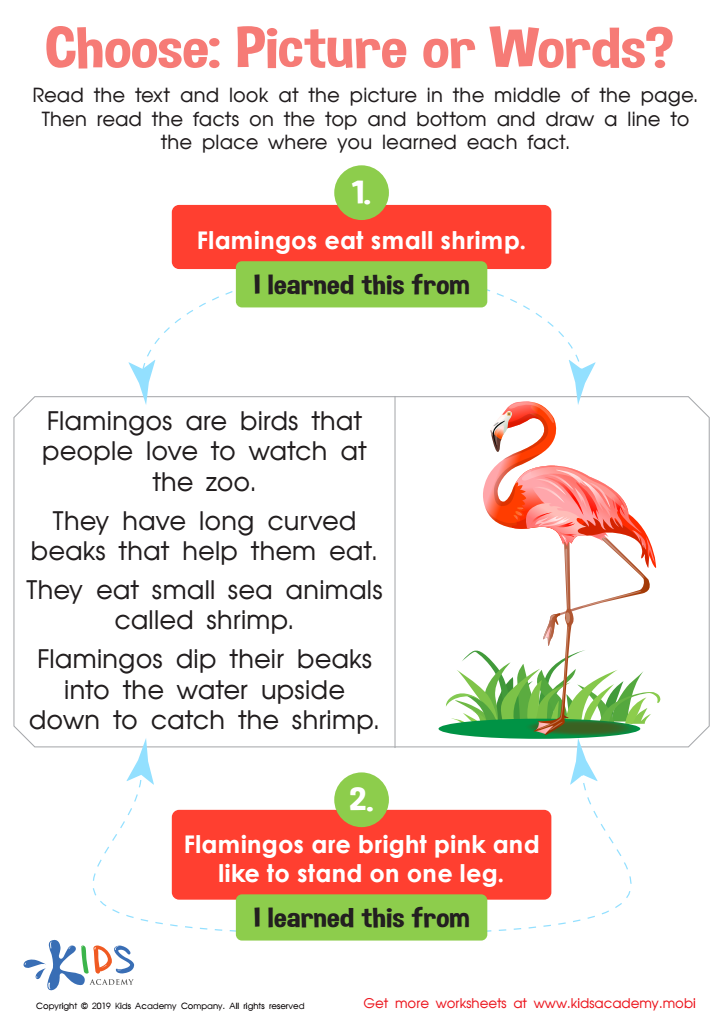
Choose Picture Words Worksheet
Pictures are powerful tools for children learning to read. Early readers apply their prior knowledge and pictures to create understanding. This PDF worksheet lets them understand the combined power of pictures and words, by having them choose one to answer how they learned the facts about flamingoes.
Choose Picture Words Worksheet
Worksheet
Letter G Coloring Sheet
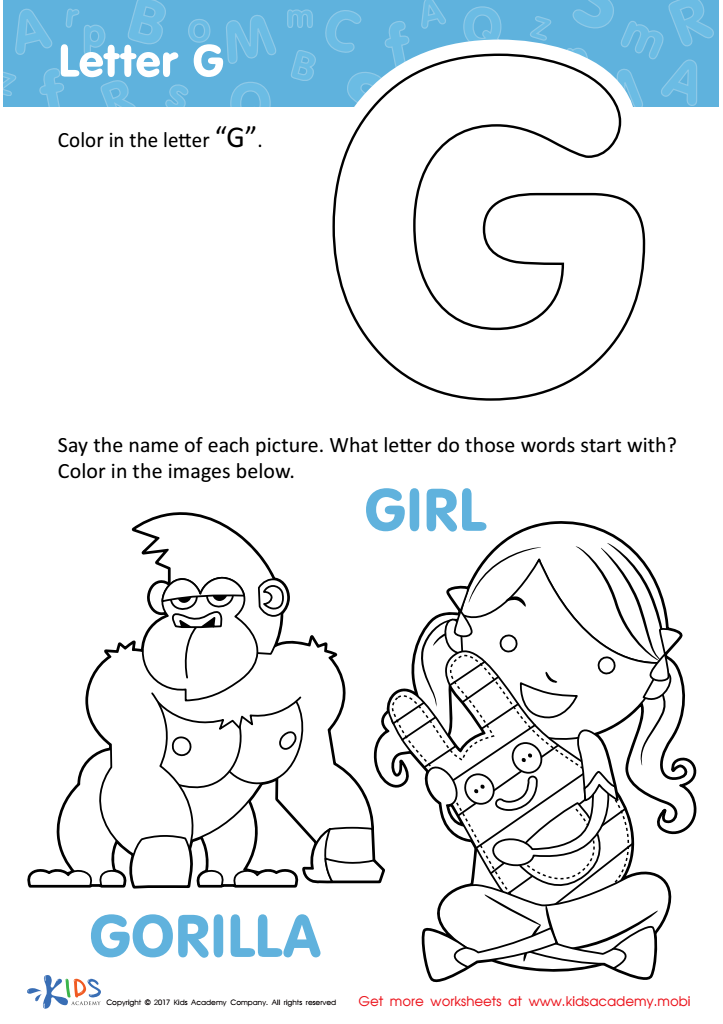
This "G" coloring page encourages creativity and teaches kids the letter "G" sound. With its fun visuals and familiar words, it's sure to excite your child. Plus, you can talk about the letter’s sound with the pictures given.
Download (PDF)
 Assign to My Students
Assign to My Students
Letter G Coloring Sheet
Worksheet
Animal Word Search Worksheet
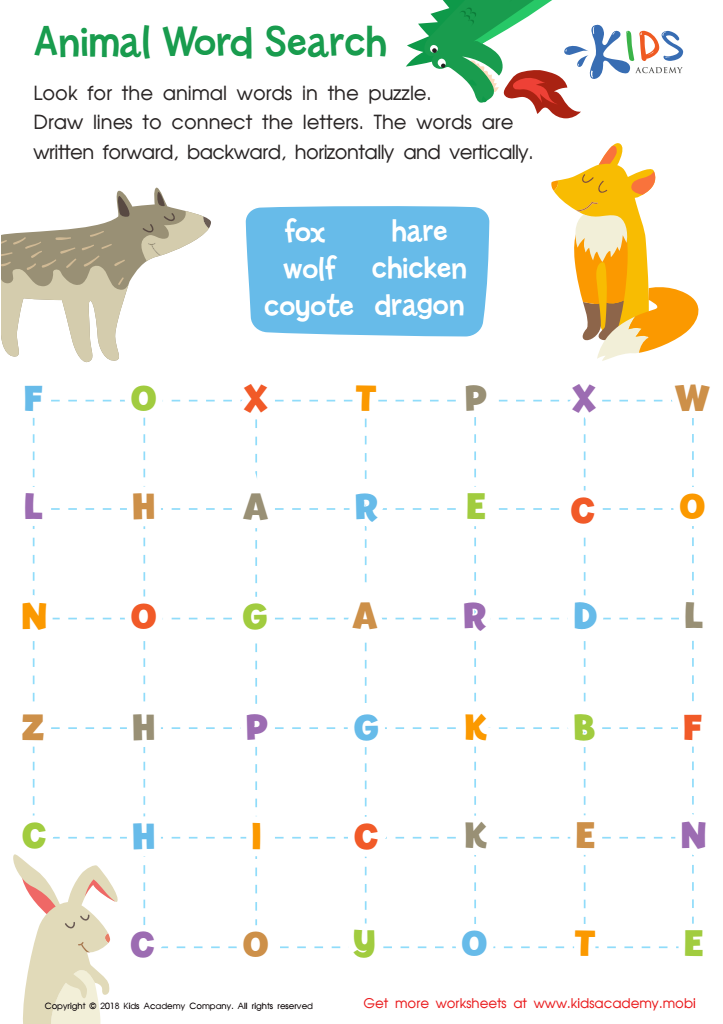
Students can have fun and strengthen spelling and vocabulary skills with this word search worksheet. Search for animal words and circle the letters in the puzzle. Words can be found forwards, backwards, horizontally or vertically, providing a great challenge to foster critical thinking skills. An enriching activity for all ages!
Animal Word Search Worksheet
Worksheet
And Worksheet Sight Words Worksheet
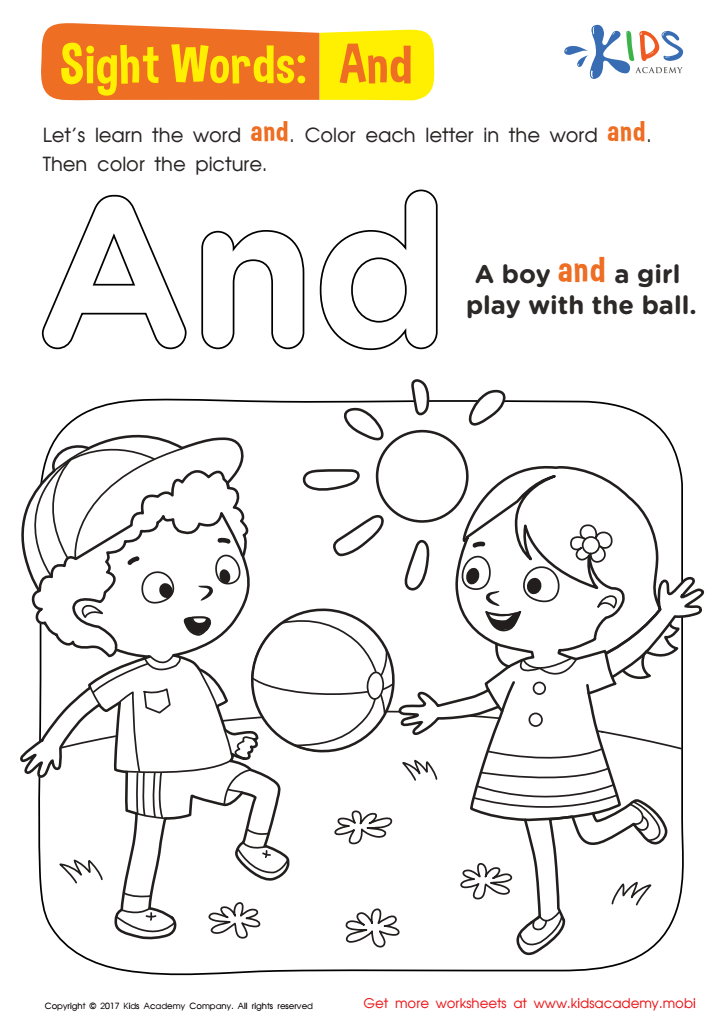
Help your child get a jumpstart on reading with sight words! Print out this fun worksheet and get your child to read the sentence. Point out the word "and", then color the word and enjoy the rest of the scene! It's a great way to introduce sight words and get their early reading skills going!
Download (PDF)
Assign to My Students
Assign to My Students
And Worksheet Sight Words Worksheet
Worksheet
Join Kids Academy for Free
Who is primarily going to use this learning content?




Vocabulary building is crucial for children ages 6-8, as this is a formative period for language acquisition and cognitive development. At this age, kids are often beginning to read independently, and a strong vocabulary lays the foundation for reading comprehension and writing skills. When parents and teachers invest in vocabulary building, they empower children to express themselves clearly and confidently, facilitating better communication with peers and to articulate their ideas effectively.
Additionally, a rich vocabulary enhances academic success across subjects. When children are equipped with a diverse set of words, they can understand concepts more deeply, participate actively in discussions, and follow instructions more easily.
Moreover, vocabulary development supports social interactions. By knowing more words, children can relate to their peers, make friends, and navigate social settings with ease. It also fosters a love for learning, as children discover meanings and connections between words.
Ultimately, parents and teachers play a vital role in cultivating a language-rich environment, using engaging methods like storytelling, games, and conversations to reinforce vocabulary skills. By prioritizing vocabulary building, they equip children with essential tools for lifelong learning and social success.