Applying math skills Worksheets for Ages 6-8
3 filtered results
-
From - To
Enhance your child’s math abilities with our engaging "Applying Math Skills Worksheets" designed for ages 6-8. Tailored to develop critical thinking and problem-solving skills, these worksheets feature fun, interactive activities that make learning enjoyable. Children will explore concepts such as addition, subtraction, and word problems through various real-life scenarios. Each worksheet is crafted to promote understanding and confidence in math, paving the way for academic success. Download printable resources today and watch as your child builds essential math skills while having fun! Perfect for classroom settings or at-home learning, our worksheets support a love for math in young learners.
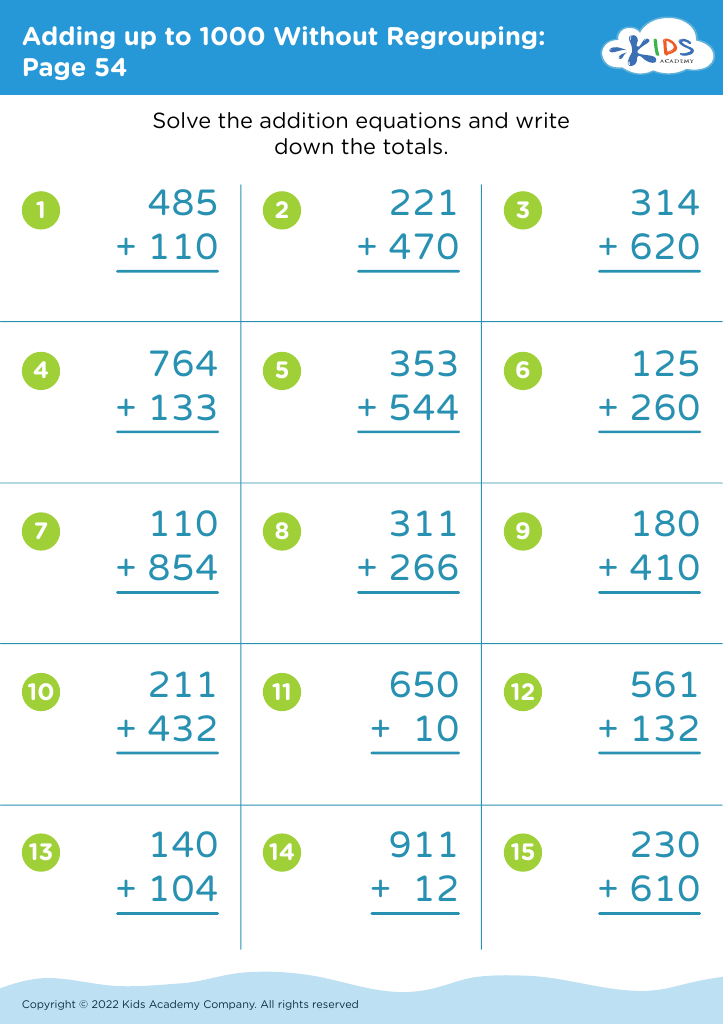
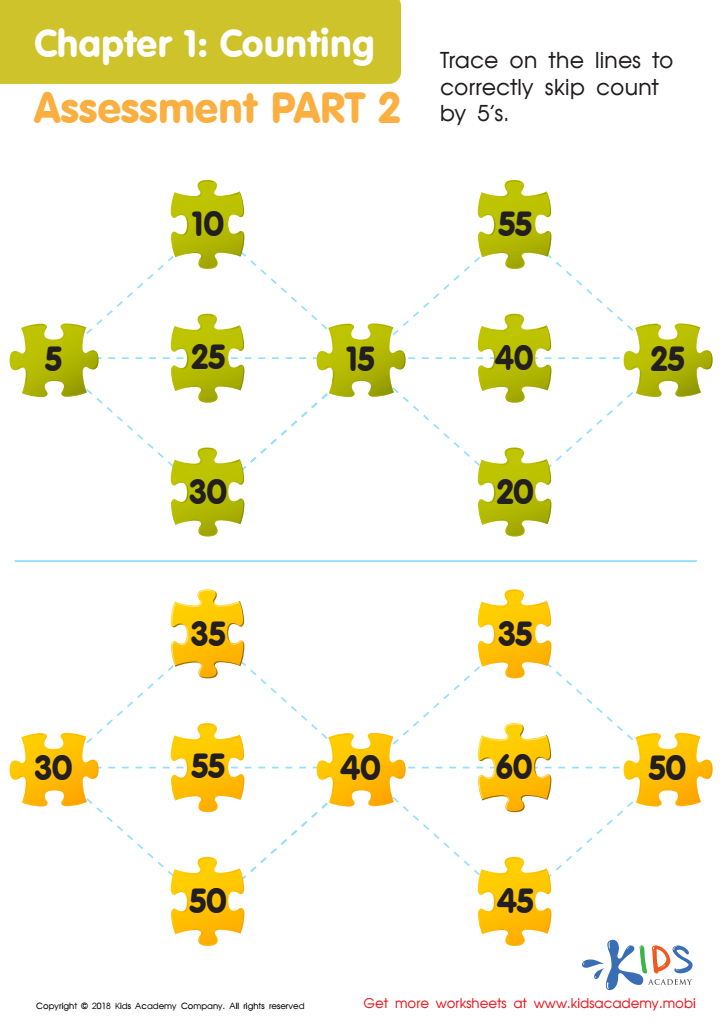
Counting: Assessment 2 Worksheet
 Assign to My Students
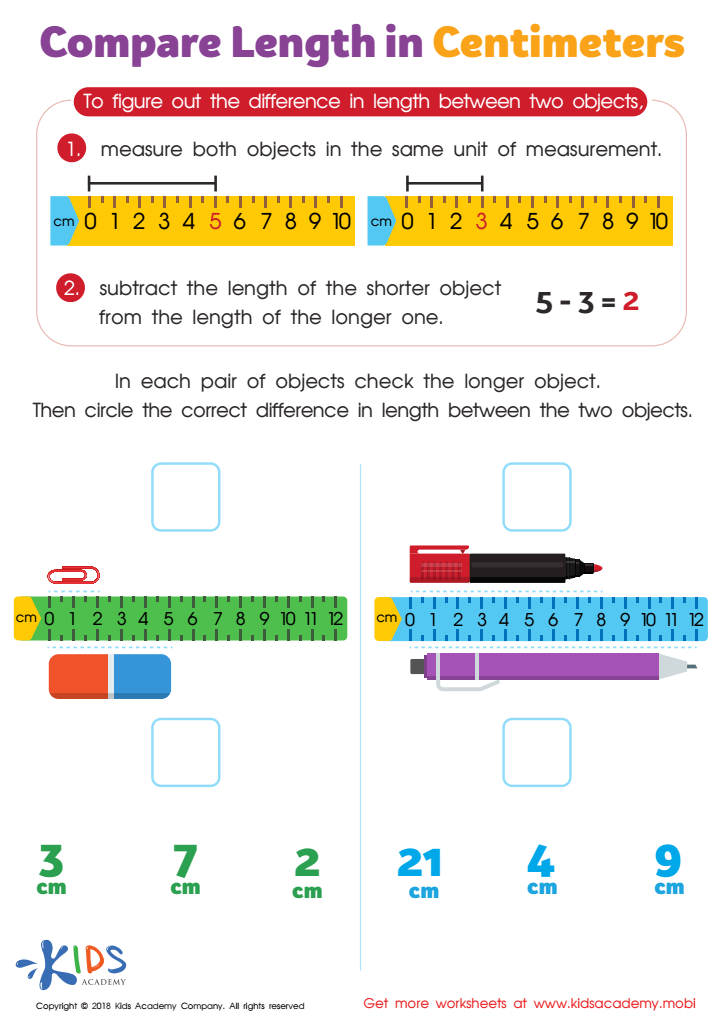
Compare Length in Centimeters Worksheet








During ages 6-8, children grow increasingly curious about the world, making it a critical time for math skills development. Parents and teachers should prioritize applying math in everyday contexts to nurture this curiosity and foster a solid mathematical foundation. Practical applications enhance understanding by connecting abstract concepts to real-life situations, such as budgeting for a family outing, measuring ingredients during cooking, or telling time.
At this age, children are also developing cognitive skills like critical thinking and problem-solving, which math inherently cultivates. Incorporating math into daily activities not only reinforces classroom learning but also helps children gain confidence in their abilities and encourages a positive attitude toward the subject. Engaging in math-focused games and hands-on activities can transform learning into an enjoyable experience, promoting motivation and participation.
Additionally, foundational math skills are essential for future academic success. By emphasizing the relevance of math in everyday life, educators and parents can instill a sense of purpose in learning, making it more likely that children will embrace math as a valuable life skill. Cultivating these abilities now lays the groundwork for lifelong competency and an appreciation of mathematics in various aspects of life.








