
Basic Math knowledge Worksheets for Ages 6-8
3 filtered results
Difficulty Level
Grade
Age
-
From - To
Subject
Activity
Standards
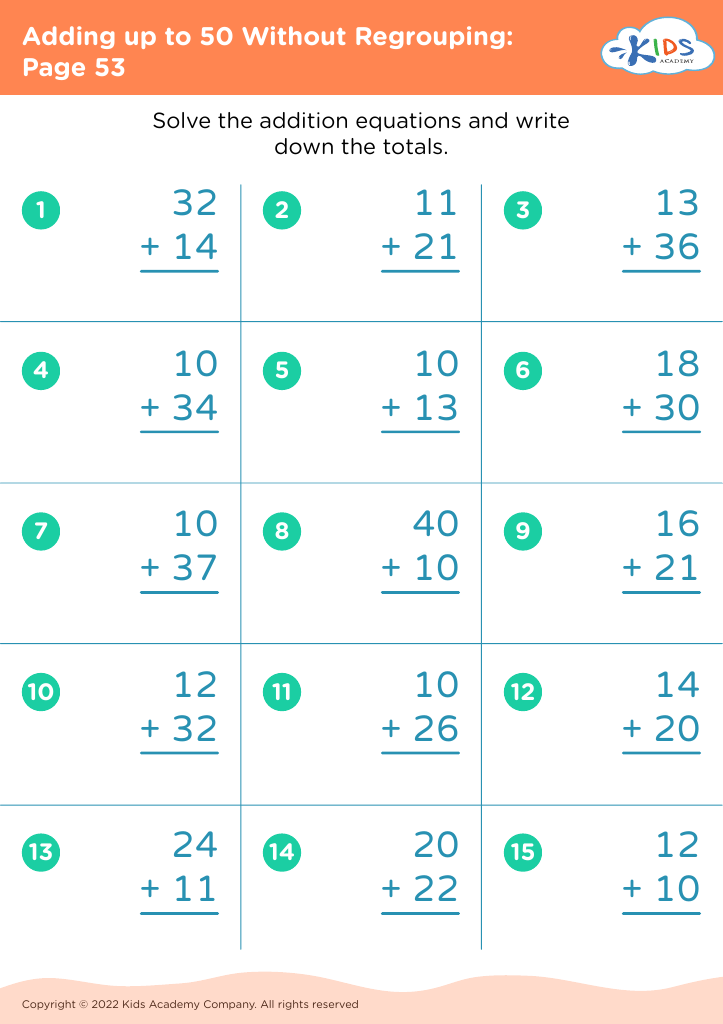
Introducing our engaging Basic Math Knowledge Worksheets for ages 6-8, designed to make learning math fun and interactive! These worksheets cover essential skills such as addition, subtraction, number recognition, and basic problem-solving. Perfect for helping young learners build a strong foundation in math, our resources are crafted to enhance comprehension through colorful designs and age-appropriate challenges. Support your child's mathematical journey with enjoyable activities that promote confidence and critical thinking. Explore our collection today and watch your child's math skills flourish while they develop a love for learning in a playful environment!
Favorites
With answer key
Interactive
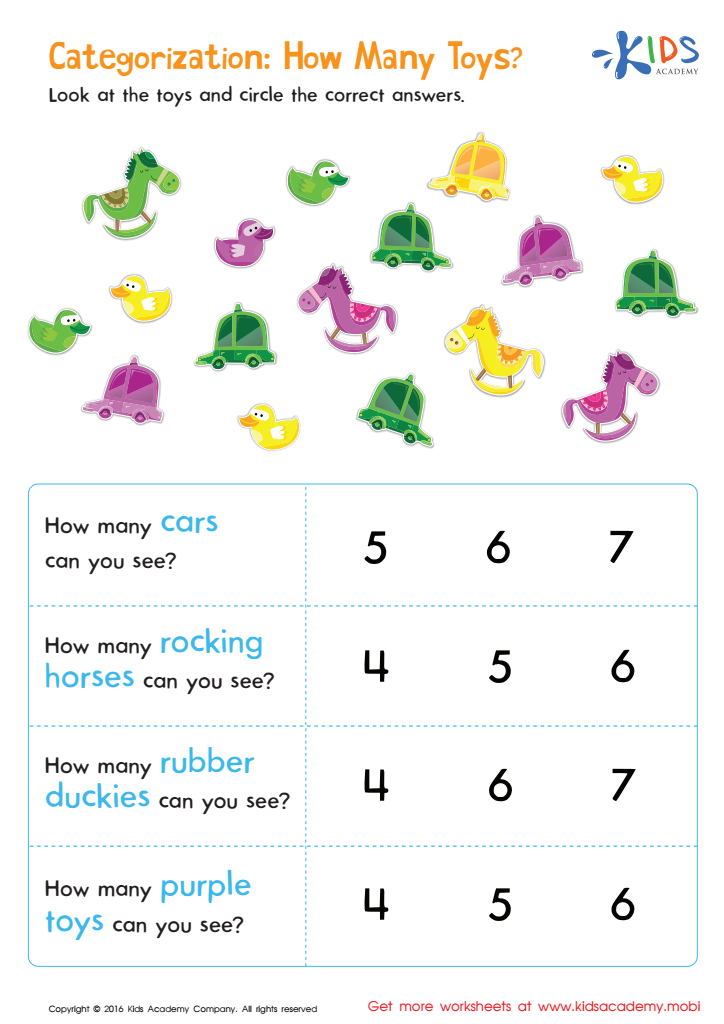
Classifying Toys by Type and Color Sorting Worksheet
Kids Academy offers free math worksheets to help practice counting, categorization & recognition skills. Kids will enjoy counting by color & type while strengthening problem-solving & literacy skills.
 Assign to My Students
Classifying Toys by Type and Color Sorting Worksheet
Worksheet
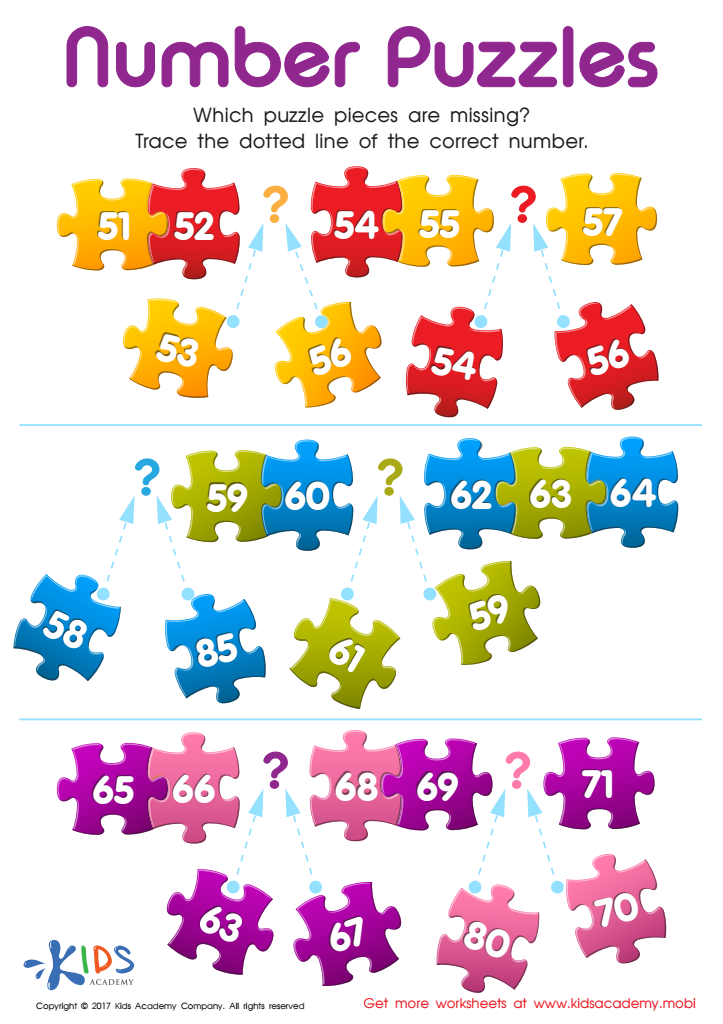
Number Puzzles Worksheet
In this tracing paper, your child must identify the missing numbers in the puzzle. Guide them as they trace the line for the correct number to complete the worksheet. This activity will help boost their problem-solving skills.
Number Puzzles Worksheet
Worksheet
Join Kids Academy for Free
Who is primarily going to use this learning content?








Basic math knowledge for children aged 6 to 8 is crucial for several reasons. Firstly, this developmental stage is when children transition from concrete concepts to abstract thinking. Mastering fundamental math skills, such as addition, subtraction, and understanding numbers, lays the groundwork for more complex mathematics that they will encounter in later grades.
Additionally, strong math skills foster problem-solving abilities and critical thinking. Engaging with math helps children approach challenges logically, a skill beneficial in academics and daily life. Furthermore, basic math knowledge is essential for fostering confidence in young learners. When children feel proficient in math, they are more likely to embrace new challenges and persist in the face of difficulties.
Socially, math serves as a universal language and can enhance collaborative skills. Group activities, such as games or projects that involve math, teach children the value of teamwork while making learning enjoyable. For parents and teachers, prioritizing math education can help identify early learning gaps, allowing for timely interventions that support each child's educational journey. In essence, instilling a solid foundation in basic math not only sets children up for academic success but also equips them with vital life skills that extend far beyond the classroom.








