
Cognitive skill development Worksheets for Ages 6-8
5 filtered results
Difficulty Level
Grade
Age
-
From - To
Subject
Activity
Standards
Enhance your child's critical thinking and problem-solving with our "Cognitive Skill Development Worksheets for Ages 6-8." Designed to stimulate young minds, these engaging worksheets cover essential areas such as memory, attention, and logical reasoning. Perfect for home and classroom use, each activity is crafted to make learning fun while building a strong cognitive foundation. From puzzles to pattern recognition and sequencing tasks, our expertly designed resources help children grow intellectually. Visit Kids Academy to empower your child’s brain development and ensure they reach key milestones with confidence and enthusiasm.
Favorites
With answer key
Interactive
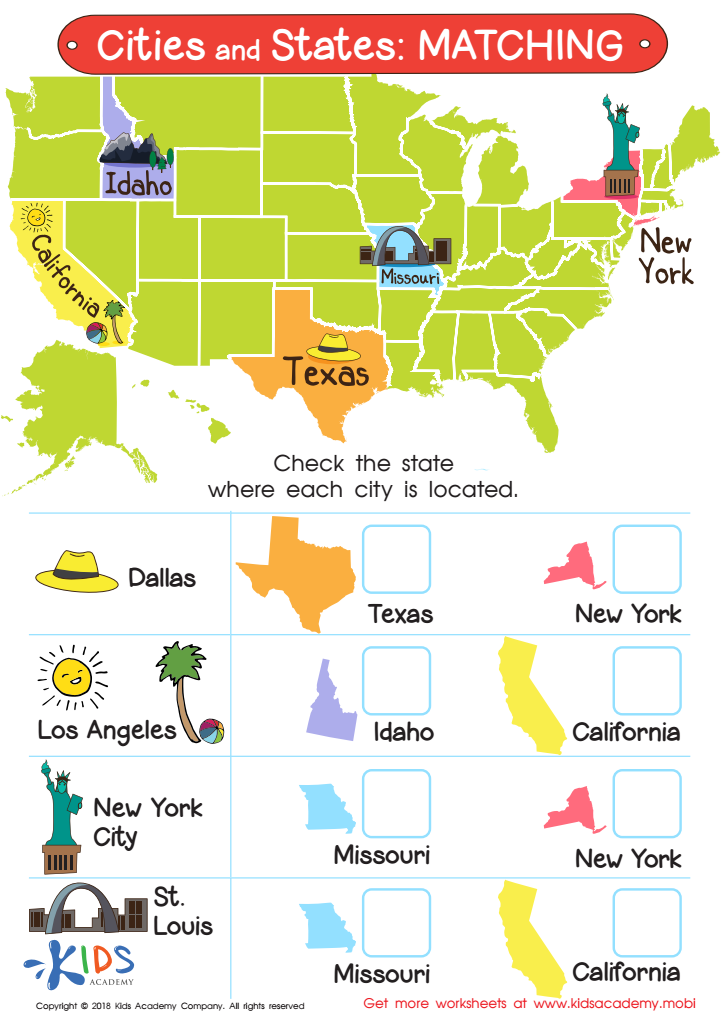
Cities and States: Matching Worksheet
Ask your child if they can name some of the states in your country. If they can, great! If not, use this worksheet to have them learn some states. Show them the map and ask them to observe the shape and color of each state. Then, have them answer the questions by checking the state where each city is located.
 Assign to My Students
Cities and States: Matching Worksheet
Worksheet
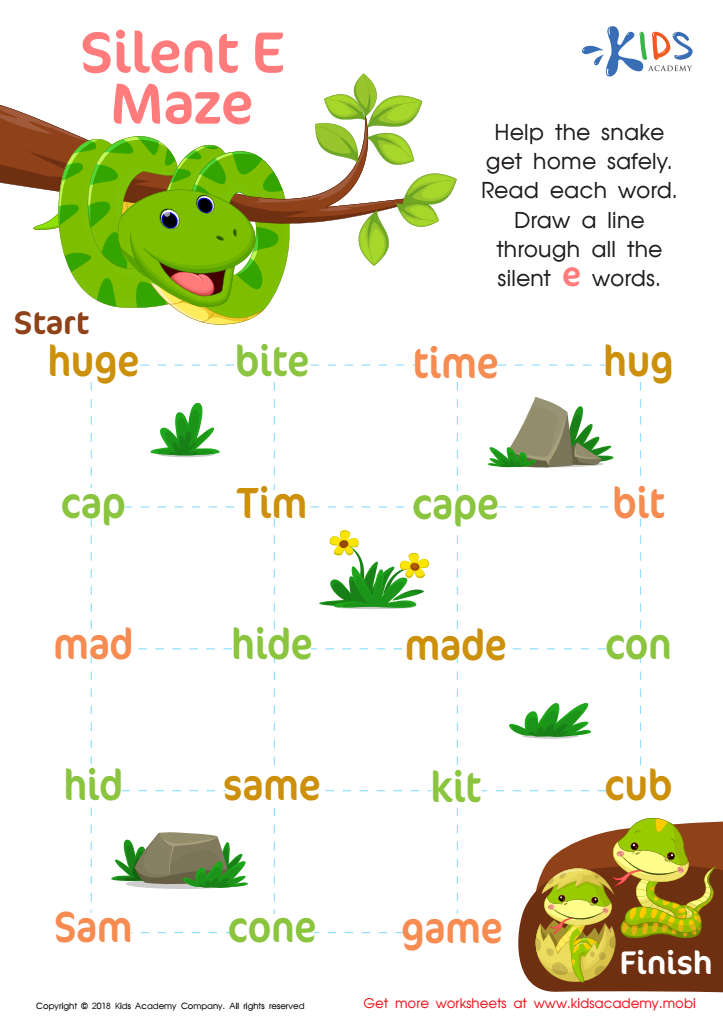
Silent E Maze Worksheet
Kids love mazes! This fun printable worksheet lets them help a mama snake get home to her babies, using Silent E words. They'll practice fine motor skills, while they draw lines through words that have Silent E and words with closed syllables that don't. It's a great way to help them recognize Silent E words!
Silent E Maze Worksheet
Worksheet
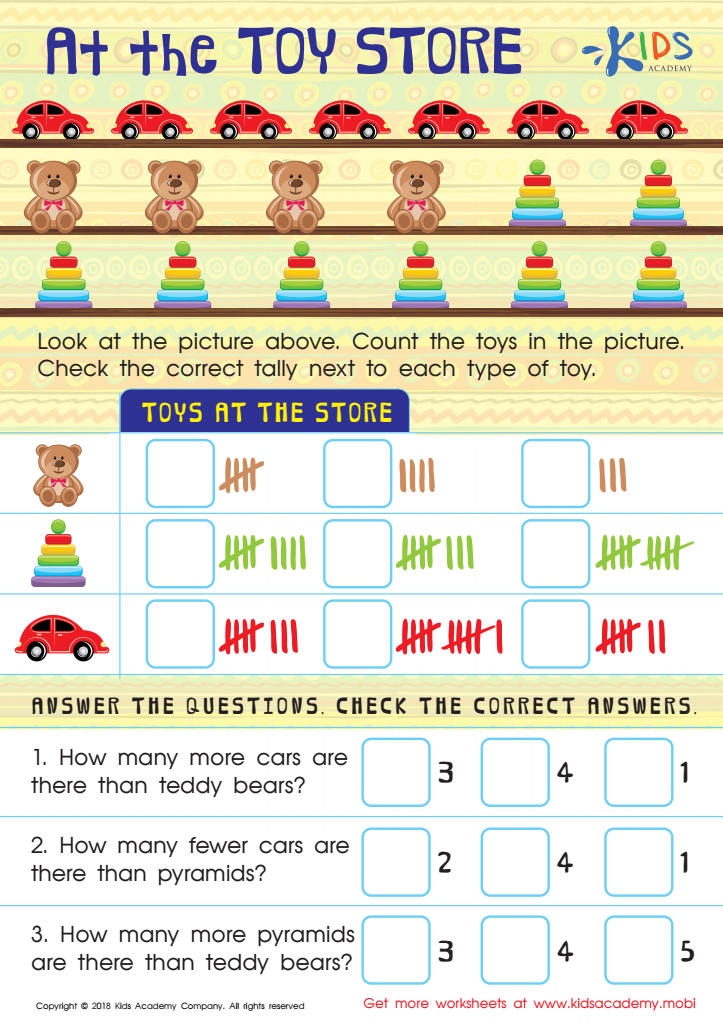
Tally Chart: At the Toy Store Worksheet
Kids Academy has a fun worksheet to help kids practice counting and using tally marks! They can think about the number of toys and compare them. At the bottom, help them answer the questions about the toys on this math page. It's an easy way to learn that one tally mark equals one item.
Tally Chart: At the Toy Store Worksheet
Worksheet
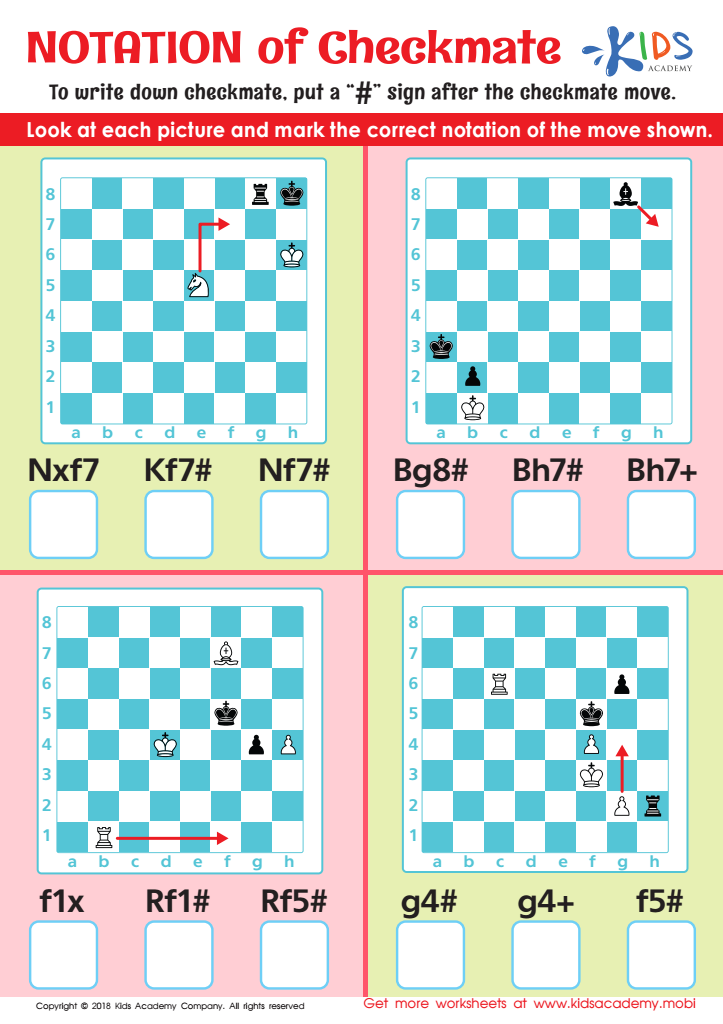
Notation of Checkmate Worksheet
Checkmate is the thrilling, ultimate move in chess! Teach your child to make it and notate it properly with this free worksheet. They'll love being able to capture the king and it's great for brain-building too! Have them look at the sample boards and place a # sign after the checkmate move for notation.
Notation of Checkmate Worksheet
Worksheet
Join Kids Academy for Free
Who is primarily going to use this learning content?








Cognitive skill development for ages 6-8 is crucial because this period is a foundational phase in a child's growth, laying the groundwork for future learning and problem-solving abilities. During these formative years, children's brains are highly adaptable and responsive, making it an ideal time for them to develop critical cognitive skills such as attention, memory, and reasoning.
Parents and teachers play a pivotal role in nurturing these skills. By providing a stimulating environment rich with opportunities for exploration and challenge, they can help children build strong cognitive foundations. Activities like reading, puzzles, and interactive play support their natural curiosity and eagerness to learn, enhancing their ability to process information and think critically.
Investing in cognitive skill development at this age has long-term benefits. Kids with well-developed cognitive skills are better equipped to handle the increased academic demands of later schooling. They tend to perform better academically, exhibit stronger problem-solving capabilities, and possess better social understanding.
Ultimately, caring about cognitive development means setting children up for success both in and out of the classroom, fostering intelligent, confident, and adaptable individuals. This attention to early cognitive skills builds a strong base for lifelong learning and achievement, making it a priority worth emphasizing for parents and educators alike.








