Color recognition Worksheets for Ages 6-8 - Page 5
116 filtered results
-
From - To
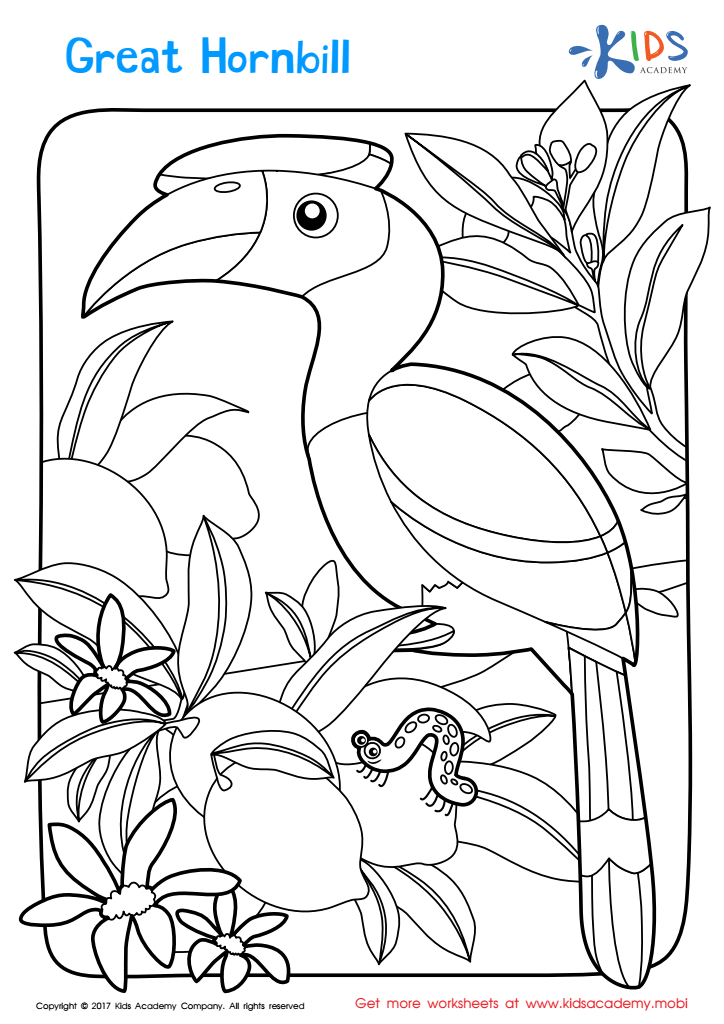
Great Hornbill Worksheet
 Assign to My Students
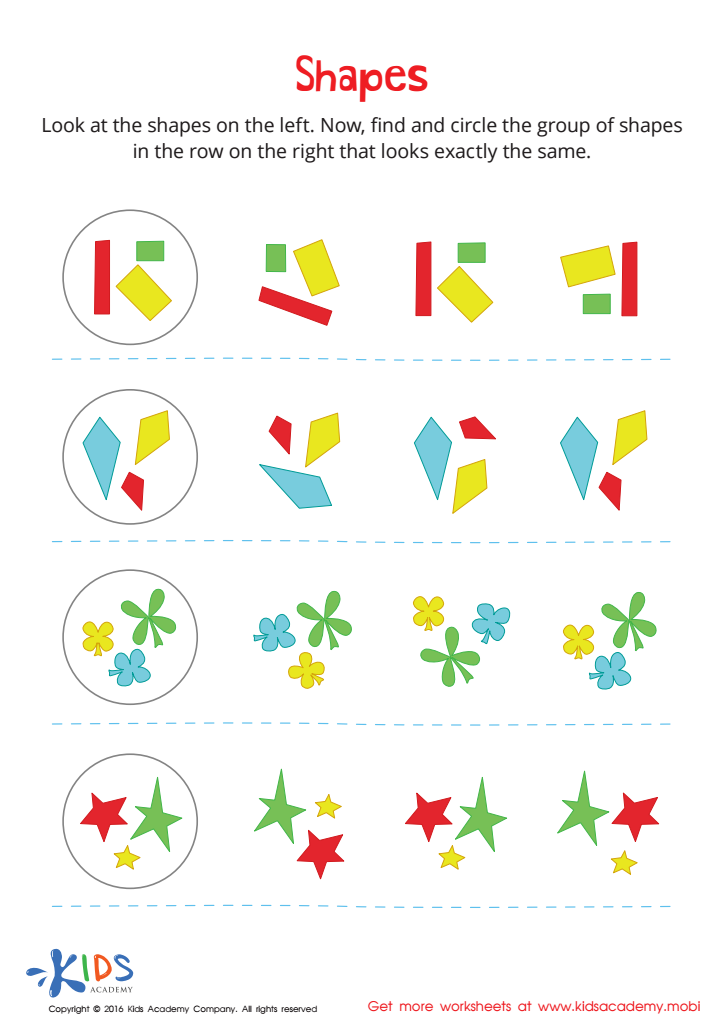
Shapes Worksheet
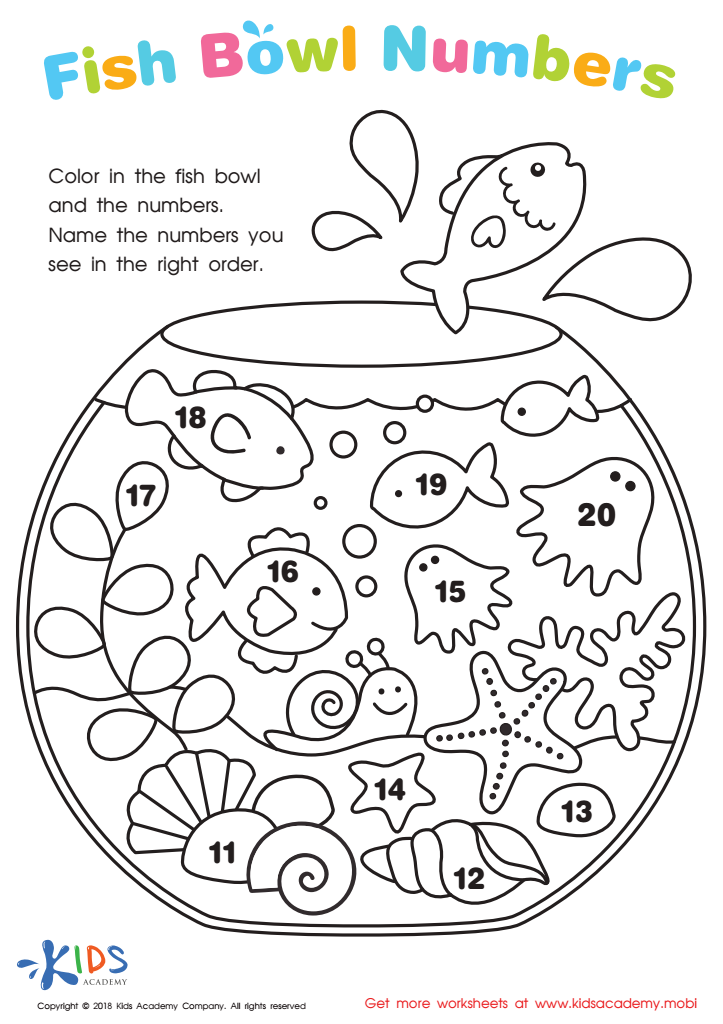
Fish Bowl Numbers Worksheet
Assign to My Students
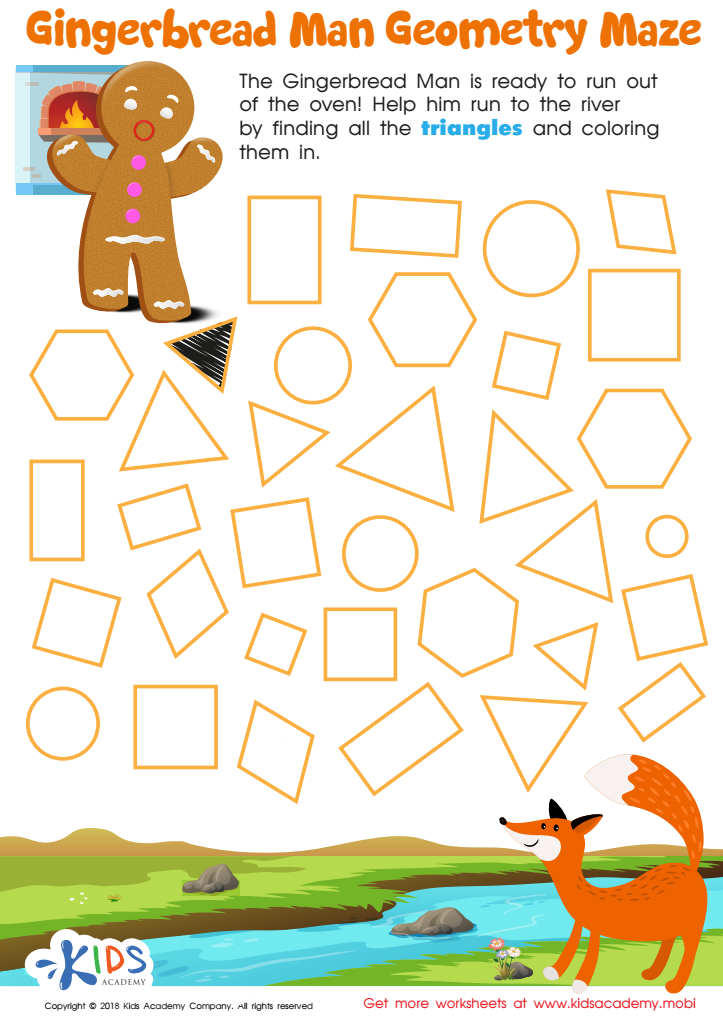
Gingerbread Man Geometry Maze Worksheet
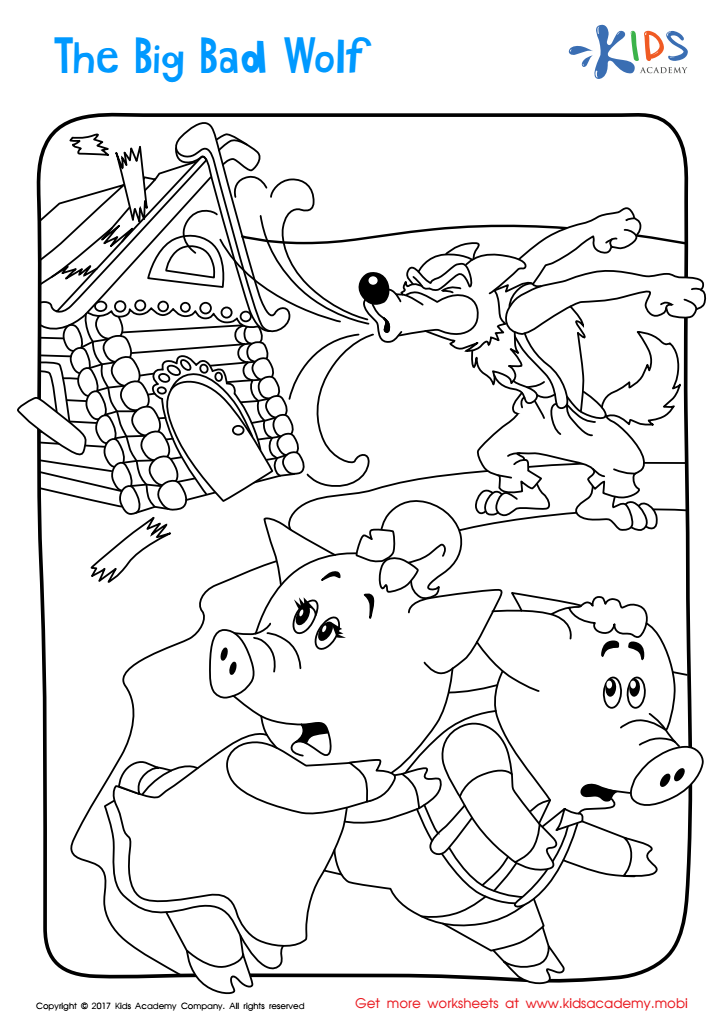
Big Bad Wolf Printable Coloring Page
Assign to My Students
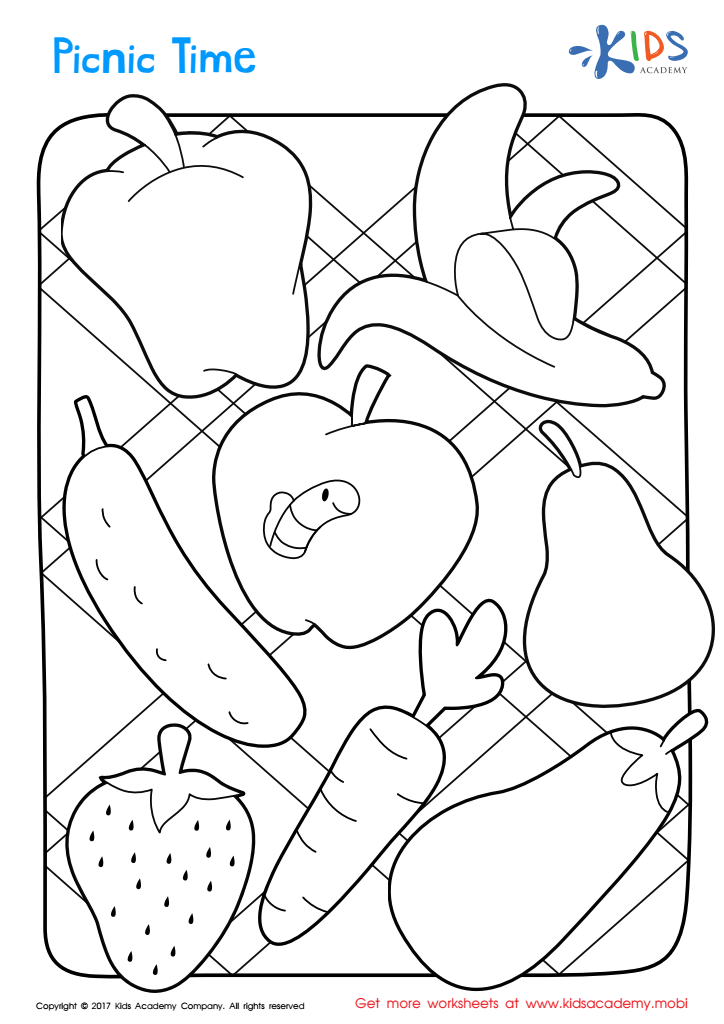
Picnic Time Coloring Page
Assign to My Students
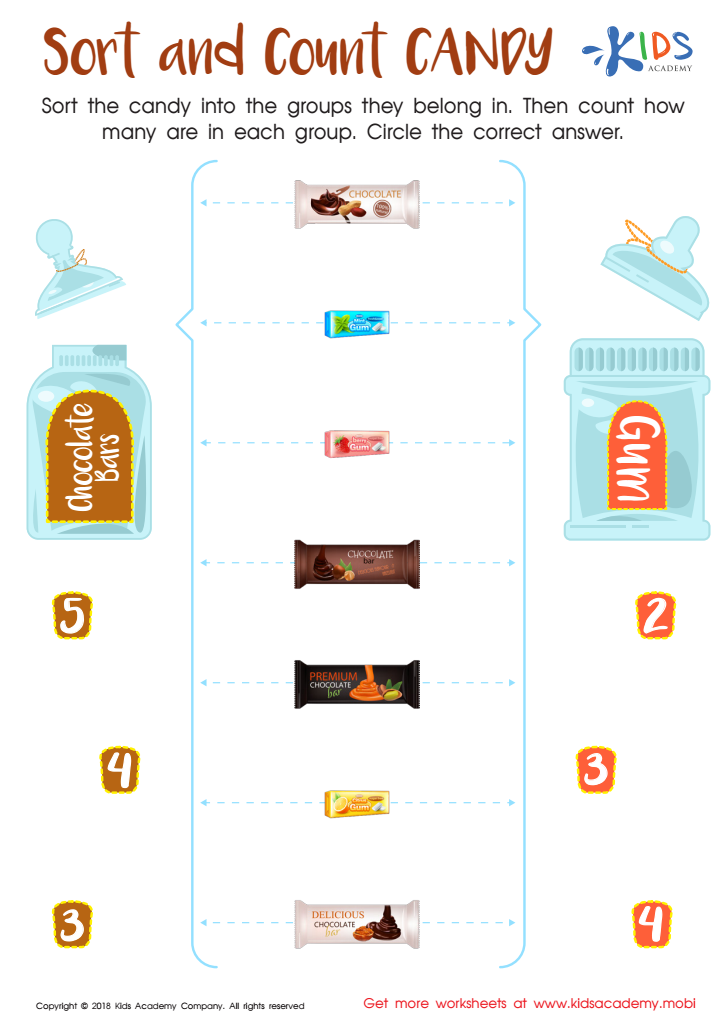
Sort and Count Candy Worksheet
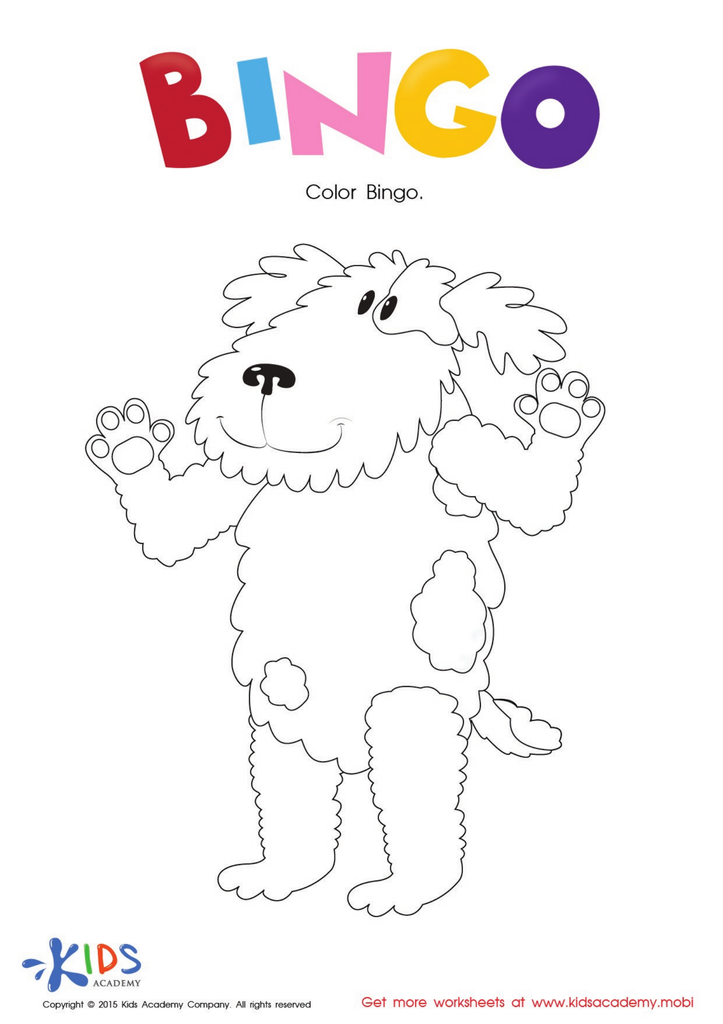
The Bingo Song: Coloring The Dog Worksheet
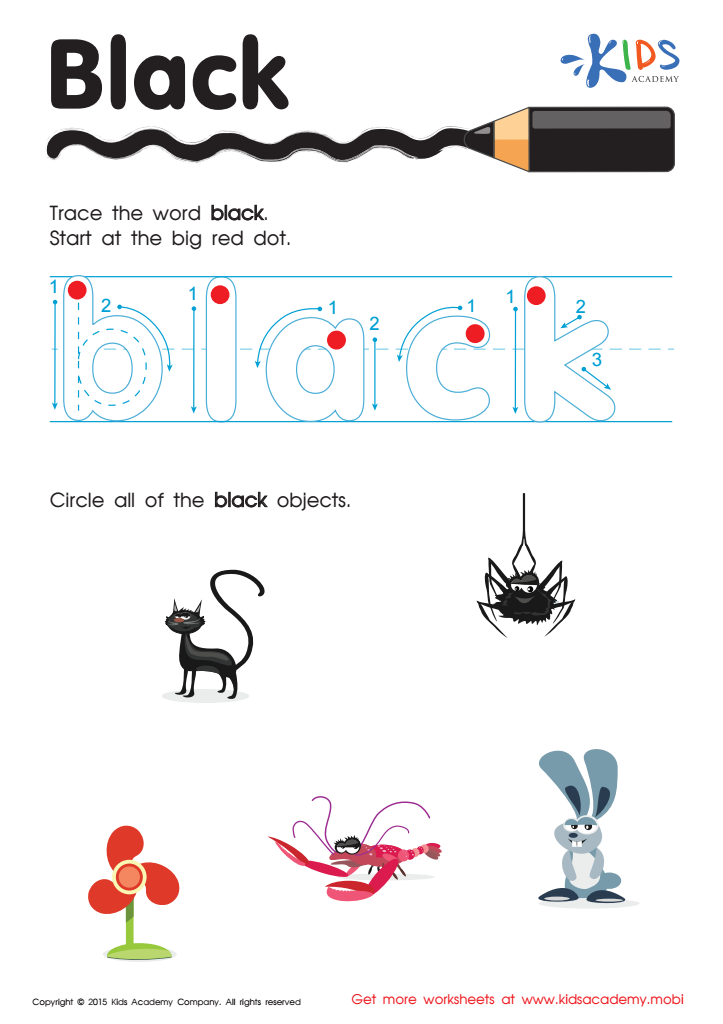
Black Tracing Color Words Printable
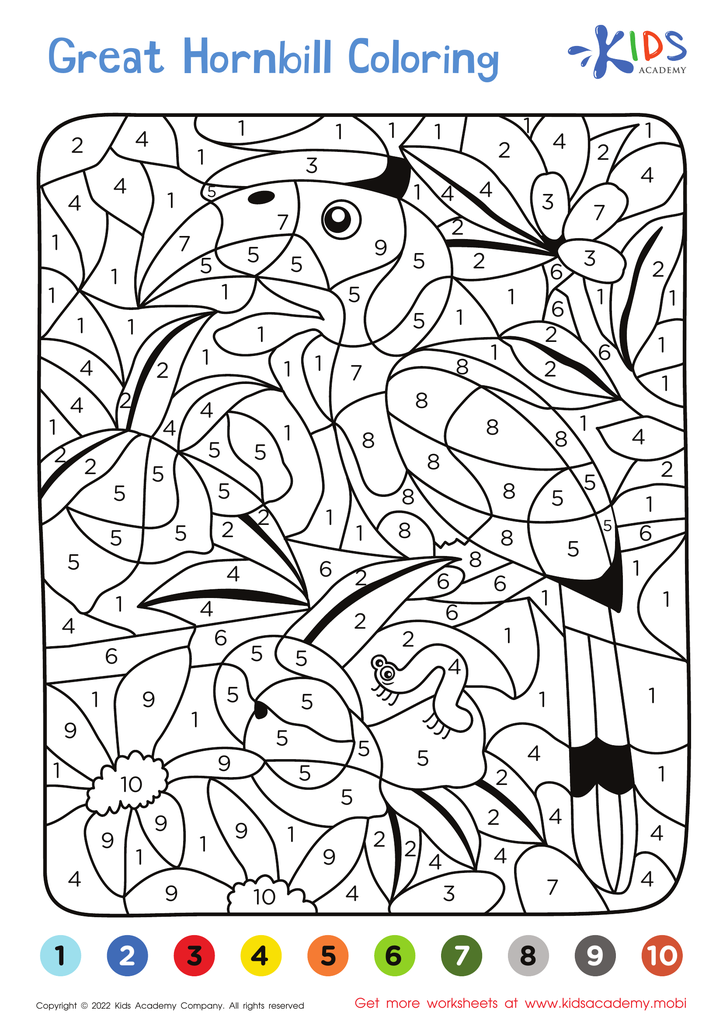
Great Hornbill – Coloring by Numbers
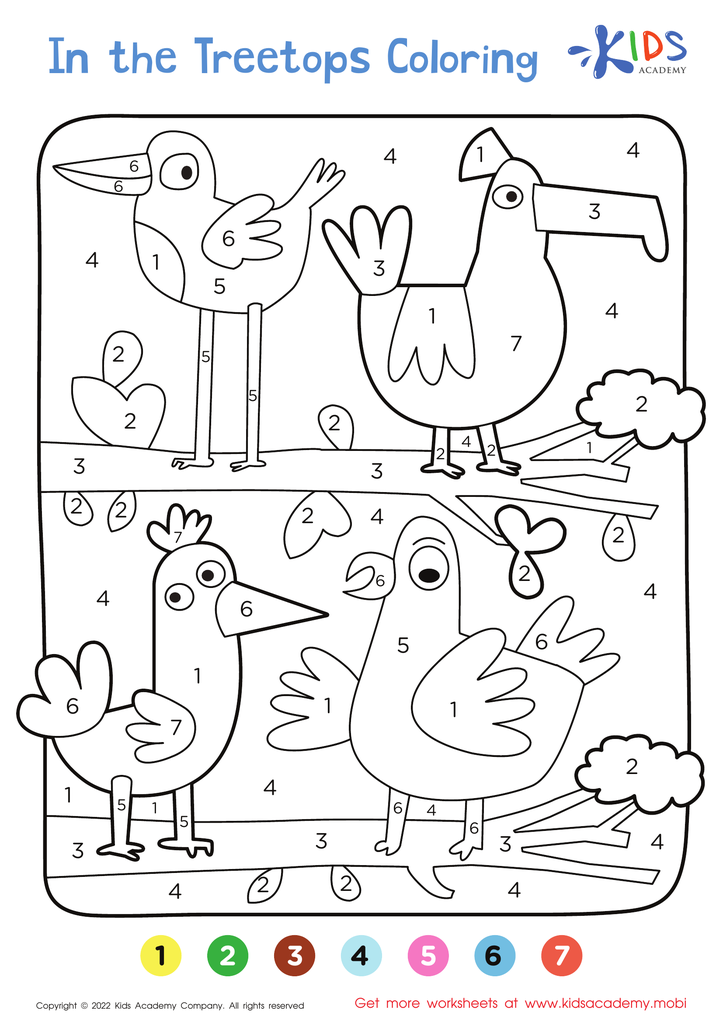
In the Treetops – Coloring Page
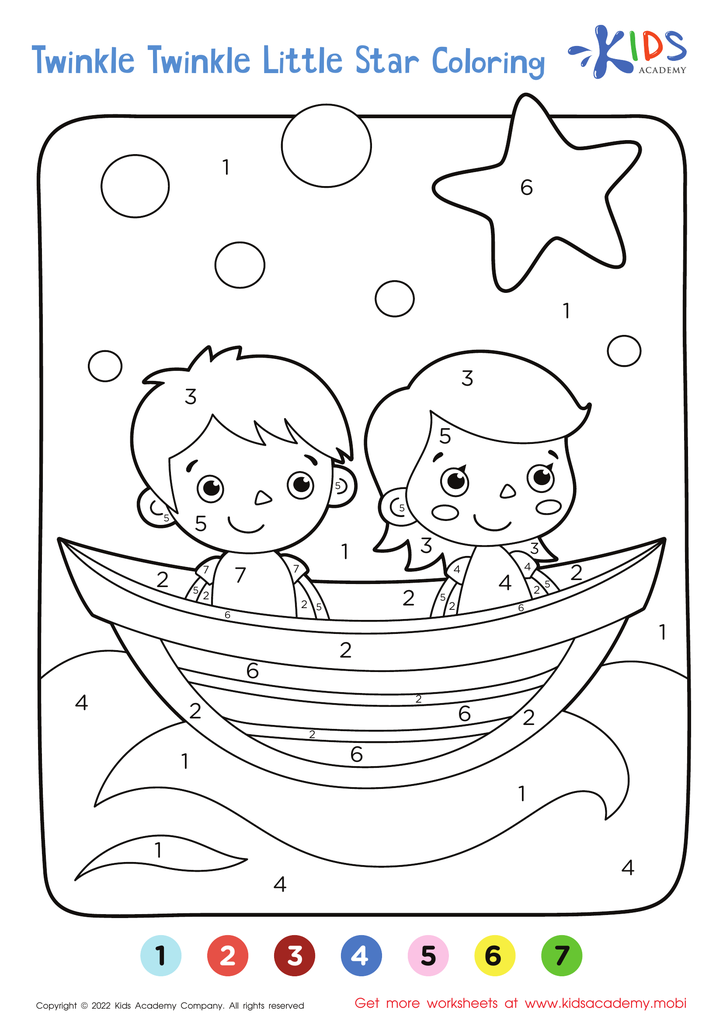
Twinkle, Twinkle, Little Star – Coloring by Numbers
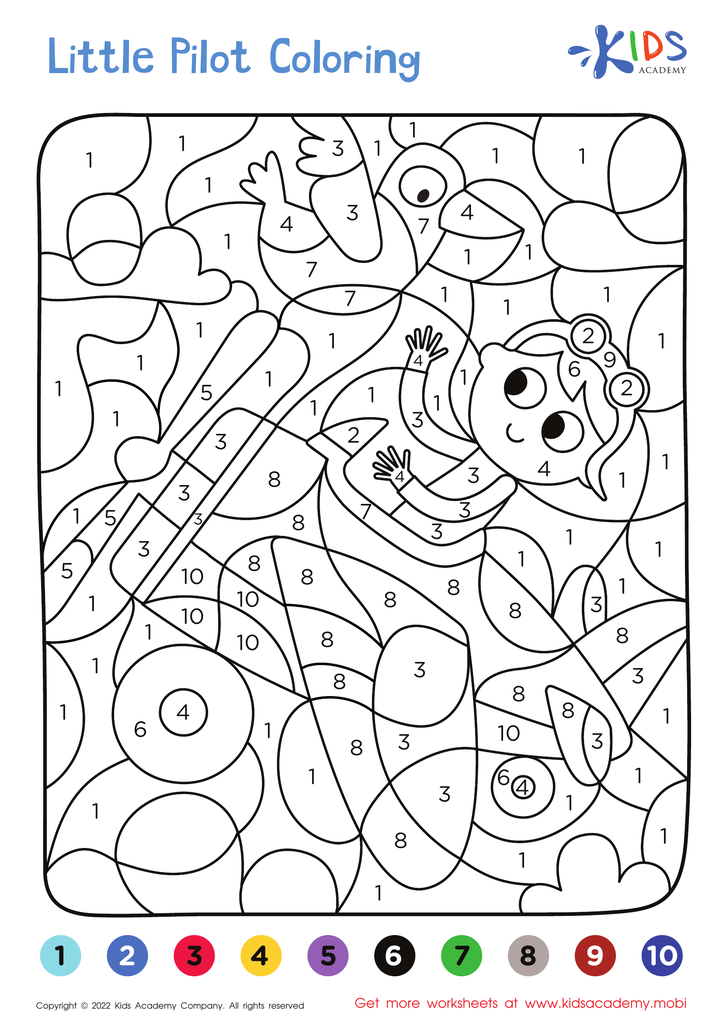
Little Pilot – Coloring by Numbers
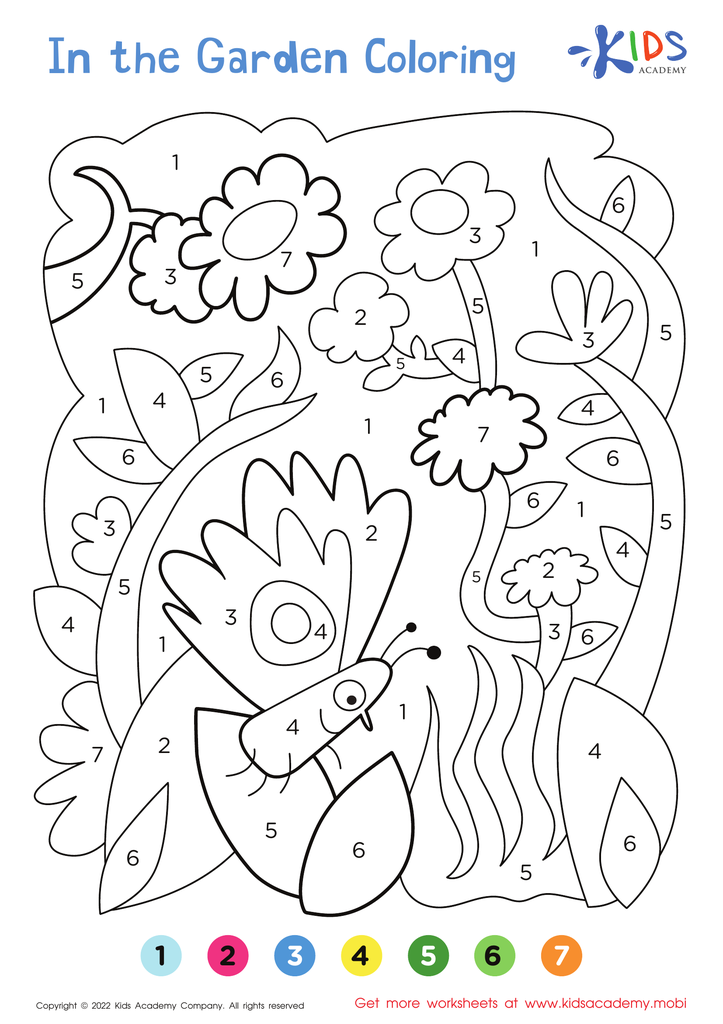
In the Garden – Coloring by Numbers
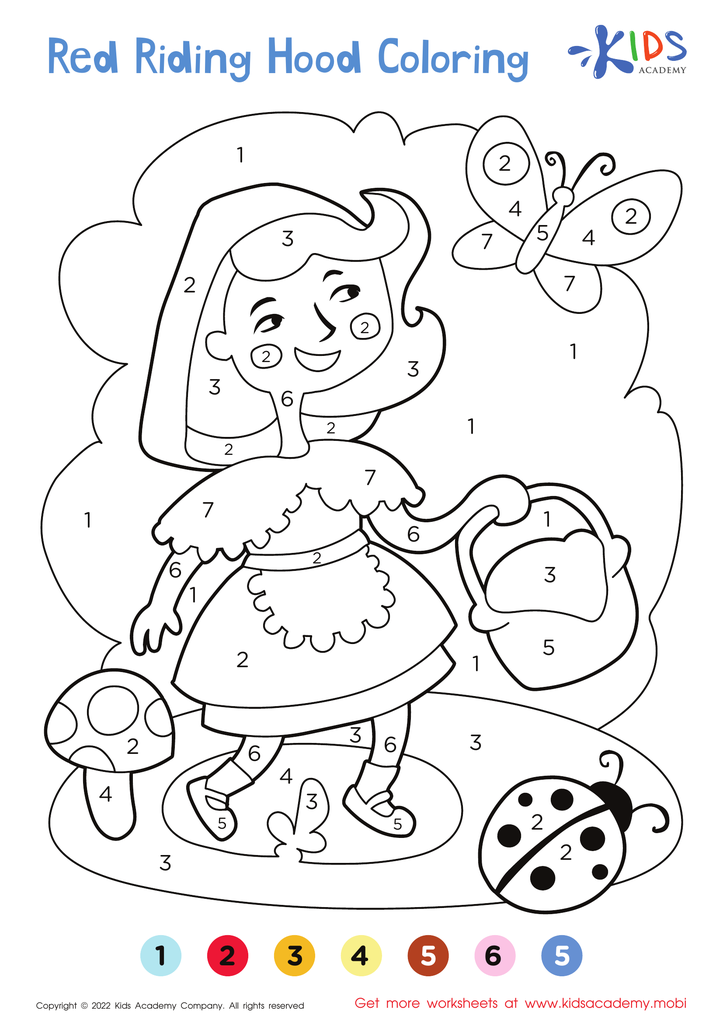
Little Red Riding Hood – Coloring by Numbers



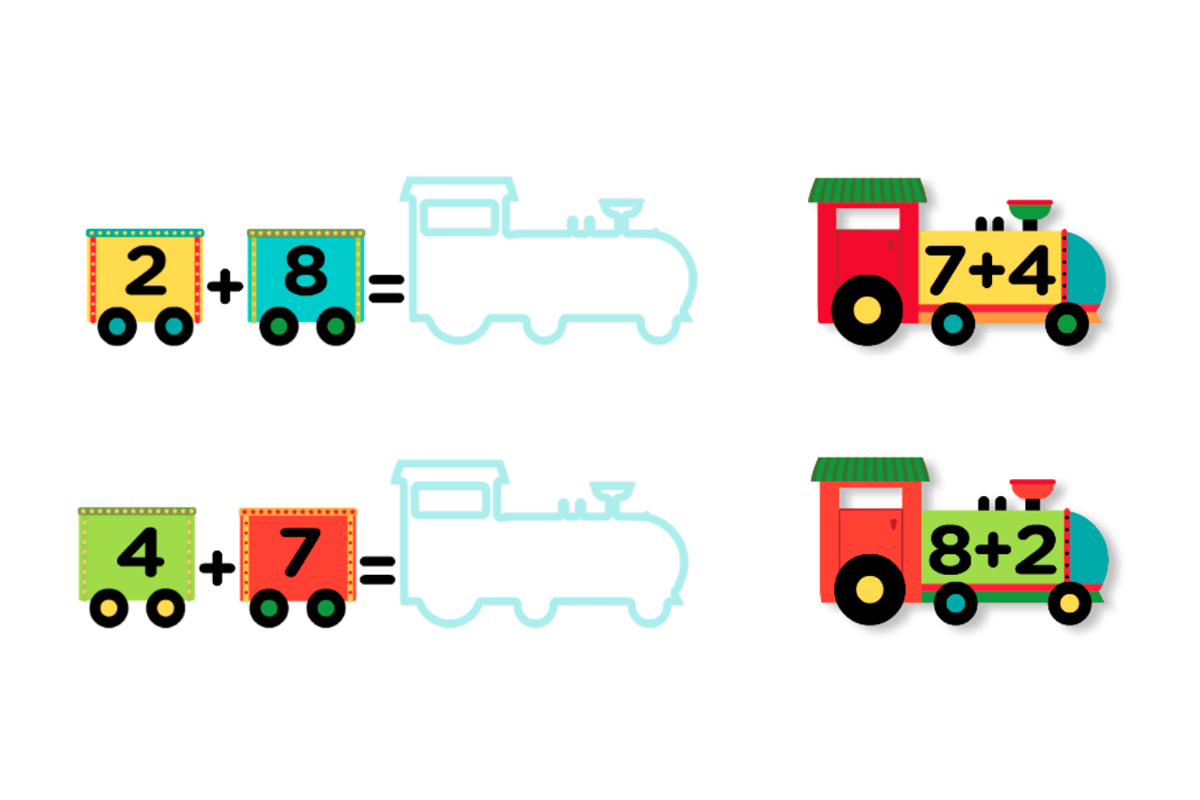




Color recognition is a fundamental aspect of early childhood education, and it plays a pivotal role in a child’s cognitive development. For parents and teachers working with children aged 6-8, fostering an understanding of colors is crucial for several reasons.
Firstly, color recognition is directly linked to developing vocabulary and language skills. As children identify and name different colors, they enhance their descriptive abilities, which is a core component of effective communication. Moreover, colors naturally form a part of various objects and scenes children encounter daily, making it easy to embed this learning into everyday interactions and observations.
Secondly, recognizing and differentiating colors can significantly boost cognitive development. It requires the brain to distinguish visual information, fostering advanced observational skills, memory, and categorization abilities. These skills are foundational for more complex learning tasks, such as mathematics, where children need to categorize and systematize information.
Lastly, incorporating colors into learning feeds into the emotional and social realms. Colors carry emotional significance and can influence mood and behavior. Creating a varied and colorful learning environment can make the educational process more engaging and enjoyable for young children. It also provides an opportunity to teach about diversity and inclusion by exploring how different cultures perceive and use color.
By valuing color recognition, parents and teachers support children in multiple domains, laying the groundwork for broad educational growth and personal development.








