Cultural awareness Worksheets for Ages 6-8 - Page 2
29 filtered results
-
From - To
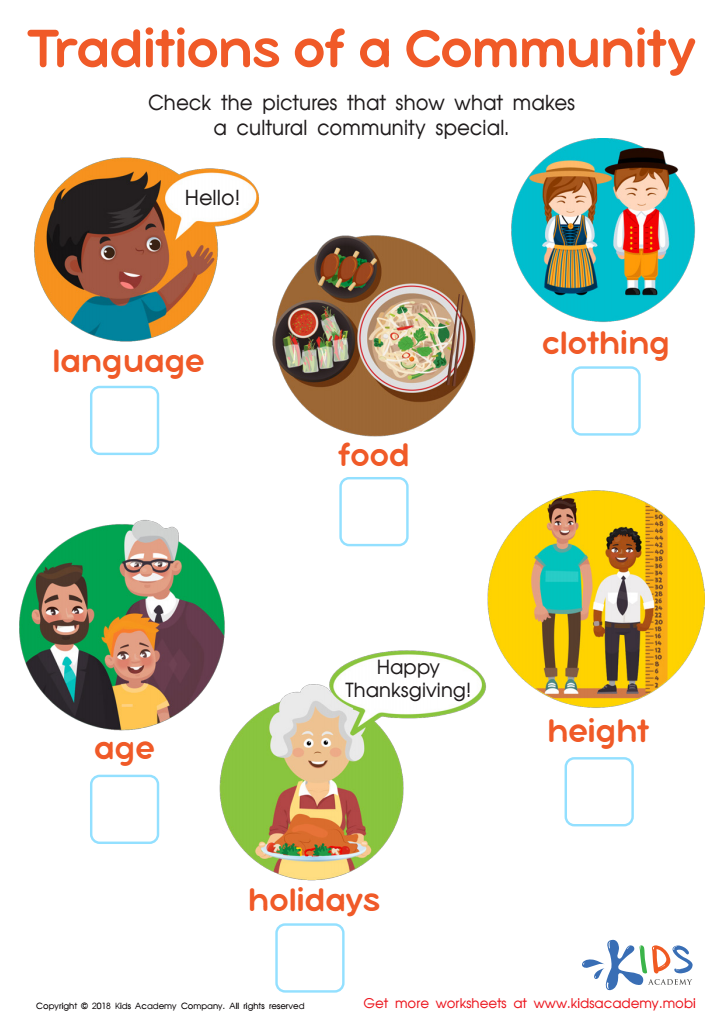
Traditions of a Community Worksheet
 Assign to My Students
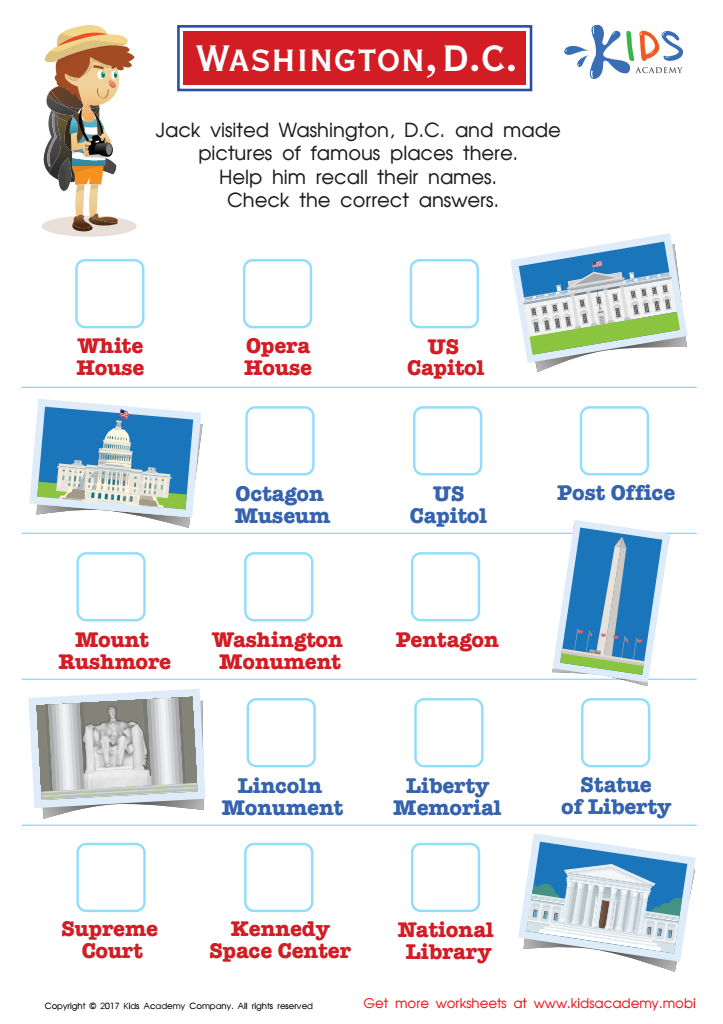
Washington D.C. Printable Worksheet
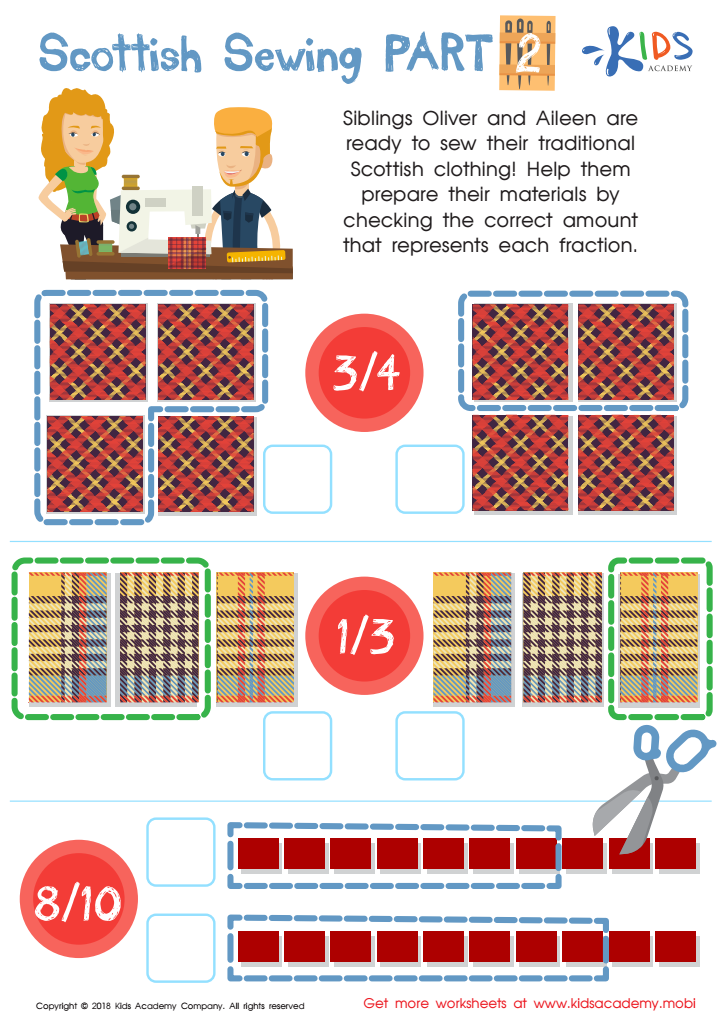
Scottish Sewing Part 2 Worksheet
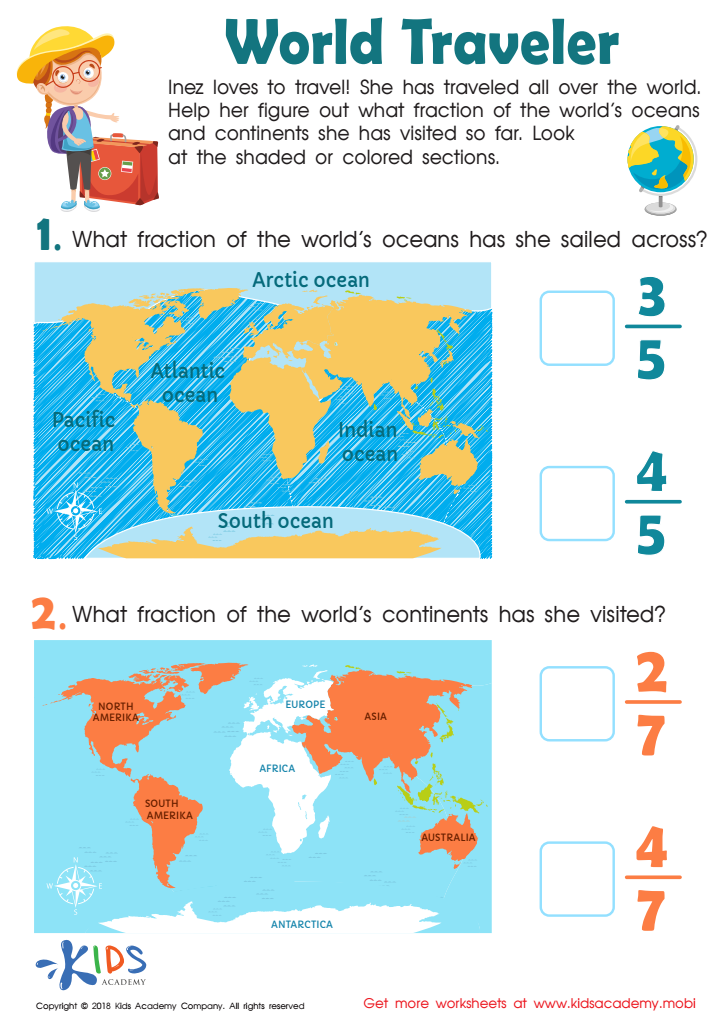
World Traveler Worksheet








Cultural awareness for ages 6-8 is crucial as it shapes children's perceptions and social skills during their formative years. At this age, children are highly impressionable and begin to form their understanding of the world and their place in it. Exposing them to diverse cultures fosters respect, empathy, and open-mindedness. This early exposure helps prevent the development of stereotypes and prejudices, laying a foundation for more inclusive, harmonious social interactions.
When parents and teachers encourage cultural awareness, they help children appreciate differences and similarities among individuals. This understanding nurtures curiosity and broadens their worldview, enhancing cognitive development. Activities like storytelling, cultural celebrations, and introductions to various cuisines stimulate a child's imagination and engagement, making learning a lively and interactive experience.
Moreover, in a globalized world, cultural competence is a vital skill. By appreciating the rich tapestry of cultures around them, children become better equipped to navigate diverse environments in the future. They learn tolerance and adaptability, essential traits for collaboration and unity. Thus, investing in cultural awareness at an early age not only cultivates morally conscious individuals but also contributes towards creating a more inclusive society as a whole. Ensuring that children understand and respect cultural diversity today promises a more integrated and peaceful world tomorrow.








