Enhancing number recognition Worksheets for Ages 6-8
4 filtered results
-
From - To
Unlock your child's numerical potential with our "Enhancing Number Recognition Worksheets for Ages 6-8!" These expertly designed worksheets from Kids Academy focus on reinforcing number identification, counting skills, and numerical order. Engaging and visually stimulating, our printable resources combine fun activities with educational value, helping young learners confidently recognize and work with numbers up to 100. Perfect for both classroom and home use, these worksheets are tailored to support your child's mathematical journey, laying a strong foundation for future math success. Foster essential math skills today with our comprehensive, kid-friendly number recognition tools!
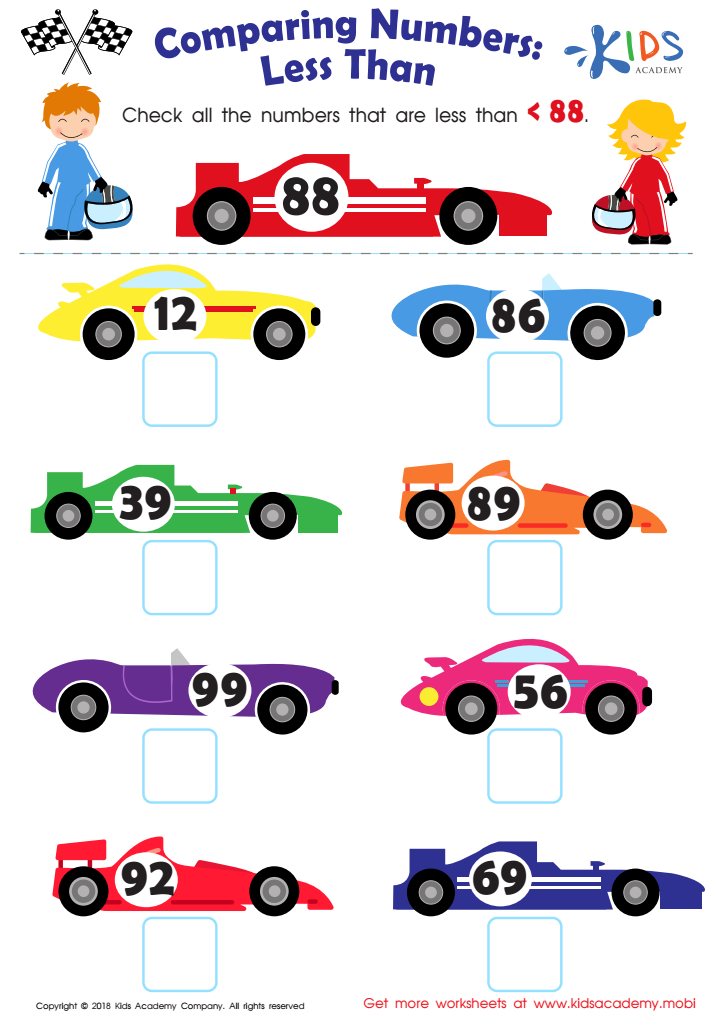
Less Than Worksheet
 Assign to My Students
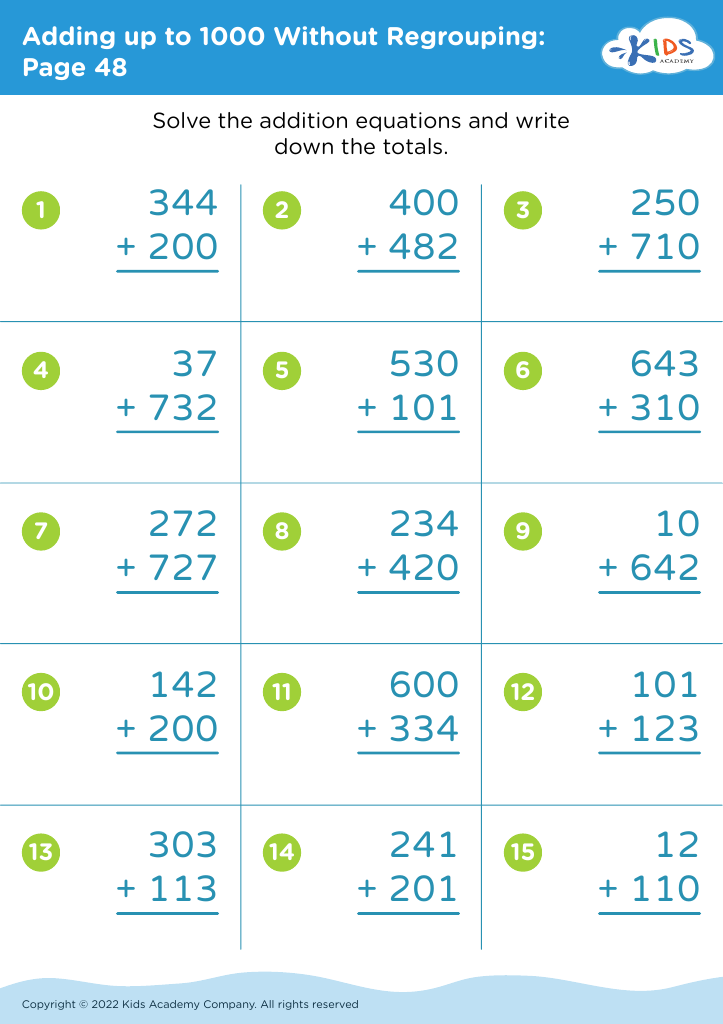
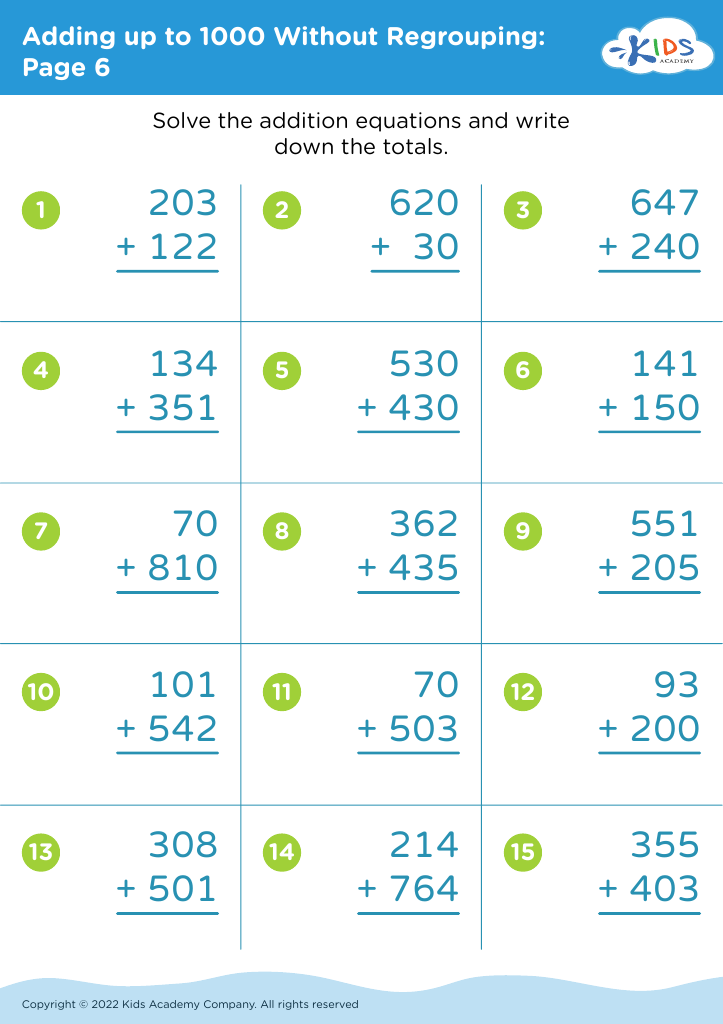
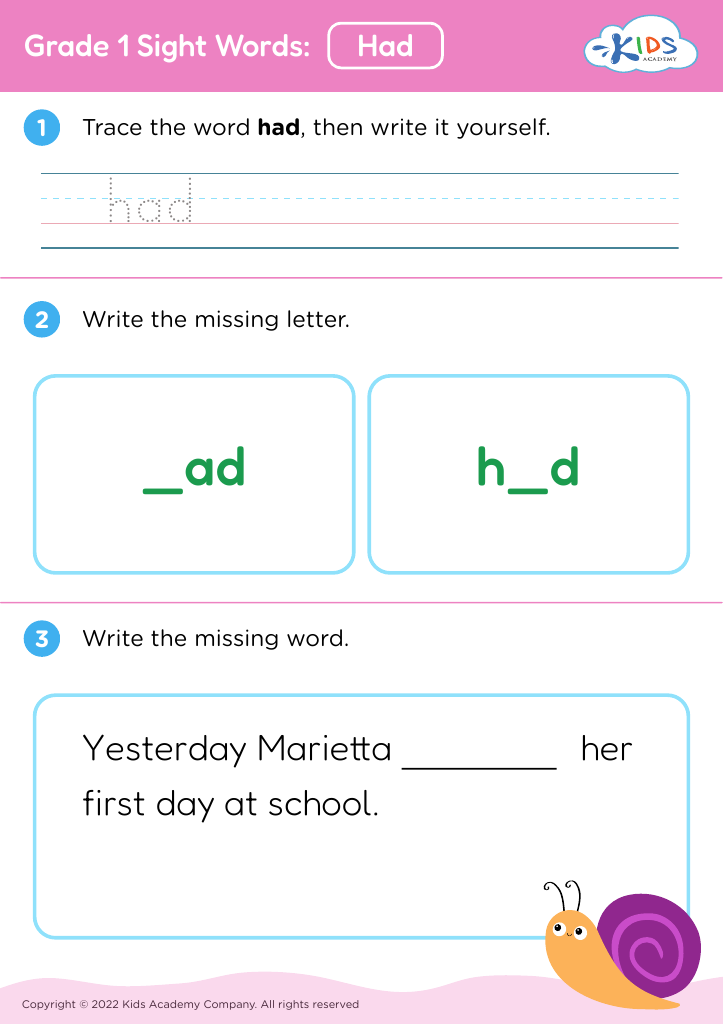








Enhancing number recognition for children aged 6-8 is foundational for their academic development and everyday life skills. At this crucial stage, number recognition supports the understanding of basic math concepts such as counting, addition, and subtraction. These skills are vital not just for academic success but also for day-to-day tasks like telling time, handling money, and measuring ingredients in a recipe.
For teachers and parents, fostering strong number recognition skills provides a secure base for more advanced mathematical reasoning and problem-solving abilities. A child who can readily recognize and understand numbers is better equipped to tackle math activities with confidence, reducing frustration and boosting self-esteem. These early successes build a strong scholarly trajectory and a positive attitude towards math as they progress through their education.
Moreover, integrating number recognition practice in play and routine activities can make learning fun and less daunting. Games, storytelling with numbers, or grocery shopping tasks can seamlessly blend education with enjoyment, enhancing a child's motivation and interest in learning.
In summary, robust number recognition skills are impactful across various aspects of a child's life, laying down the bedrock for future academic achievements and practical life functionalities. Engaging in this fundamental learning equips children with the confidence and preparedness to face more complex numerical and mathematical challenges ahead.








