Fraction identification Worksheets for Ages 6-8
8 filtered results
-
From - To
Discover our engaging Fraction Identification Worksheets designed specifically for children aged 6-8! These versatile resources aim to make learning fractions fun and accessible. With a variety of activities, kids will practice recognizing and differentiating fractions through vivid illustrations and interactive exercises. Whether identifying halves, quarters, or thirds, these worksheets promote critical thinking and reinforce foundational math skills. Ideal for classroom use or at-home learning, our worksheets provide clear instructions and are tailored to meet age-appropriate learning standards. Empower your child’s mathematical confidence and understanding of fractions today with our creative, educational materials designed for young learners!
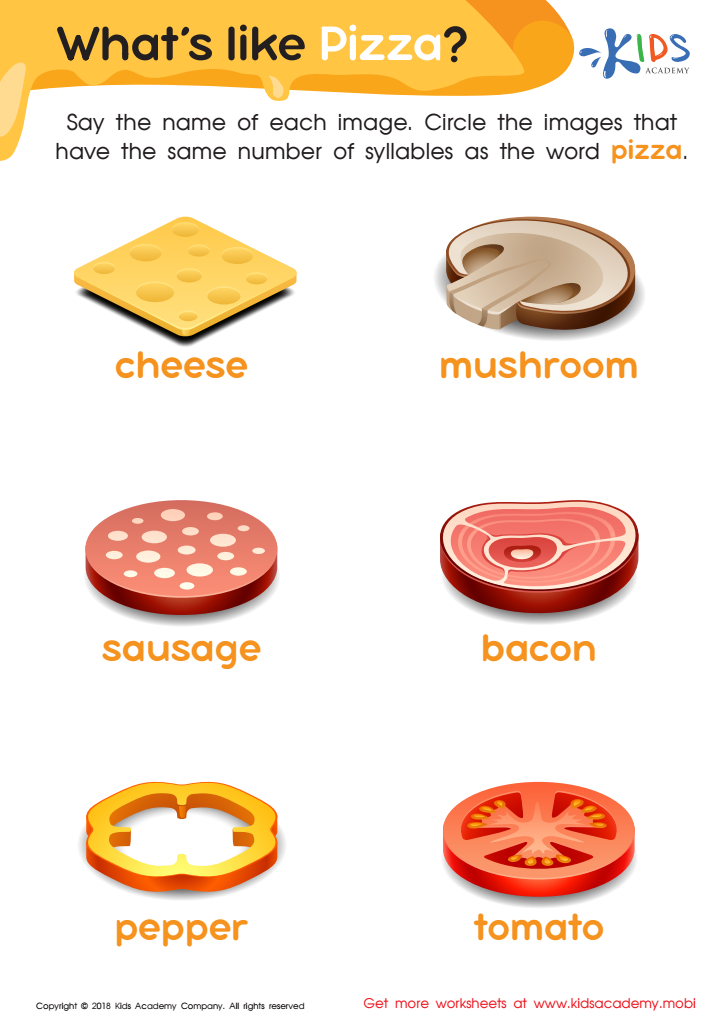
What's Like Pizza? Worksheet
 Assign to My Students
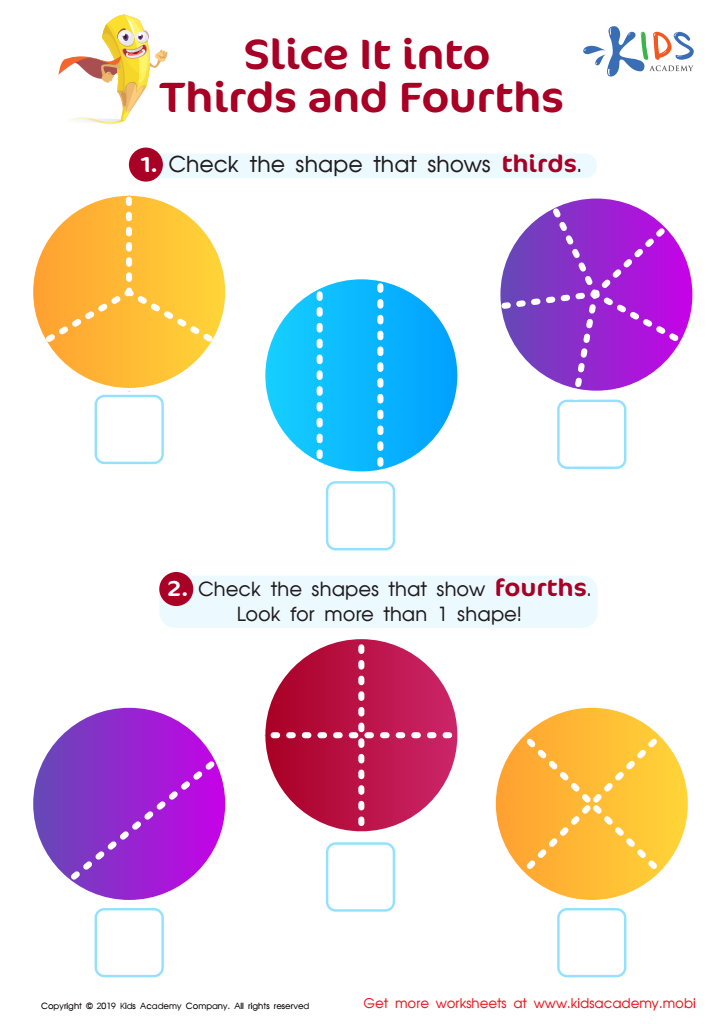
Slice in Thirds Fourths Worksheet
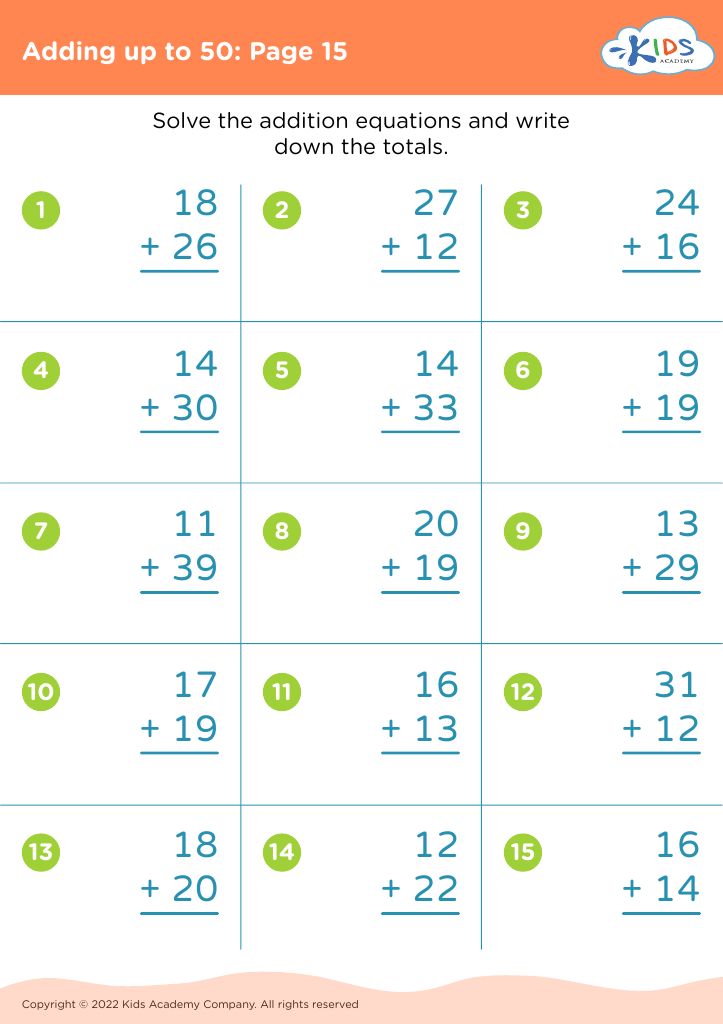
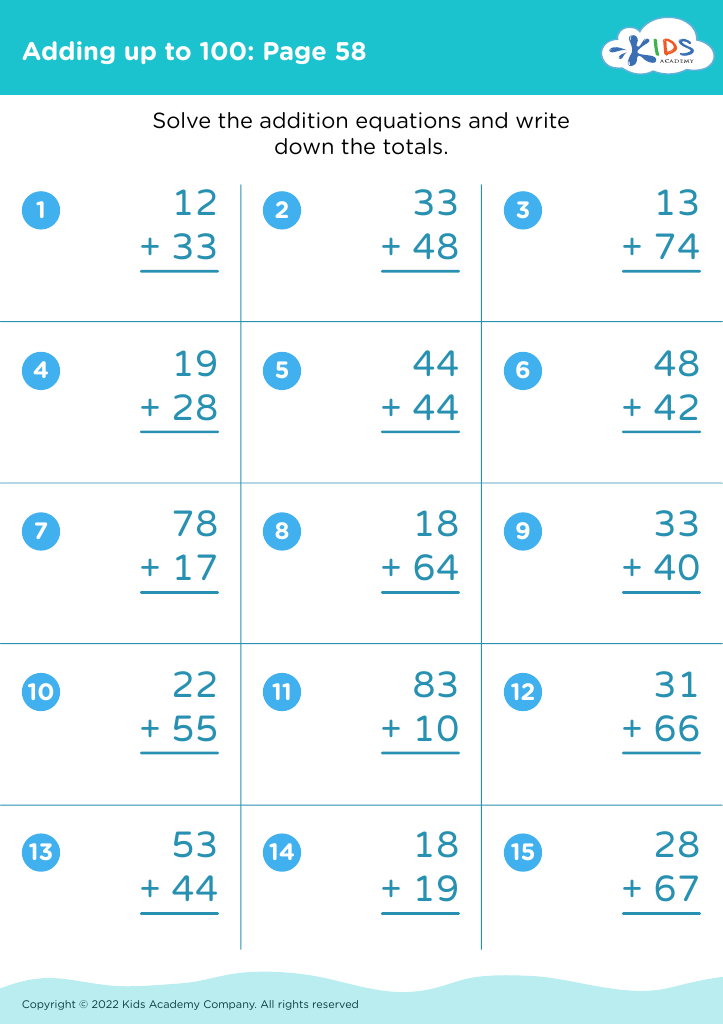
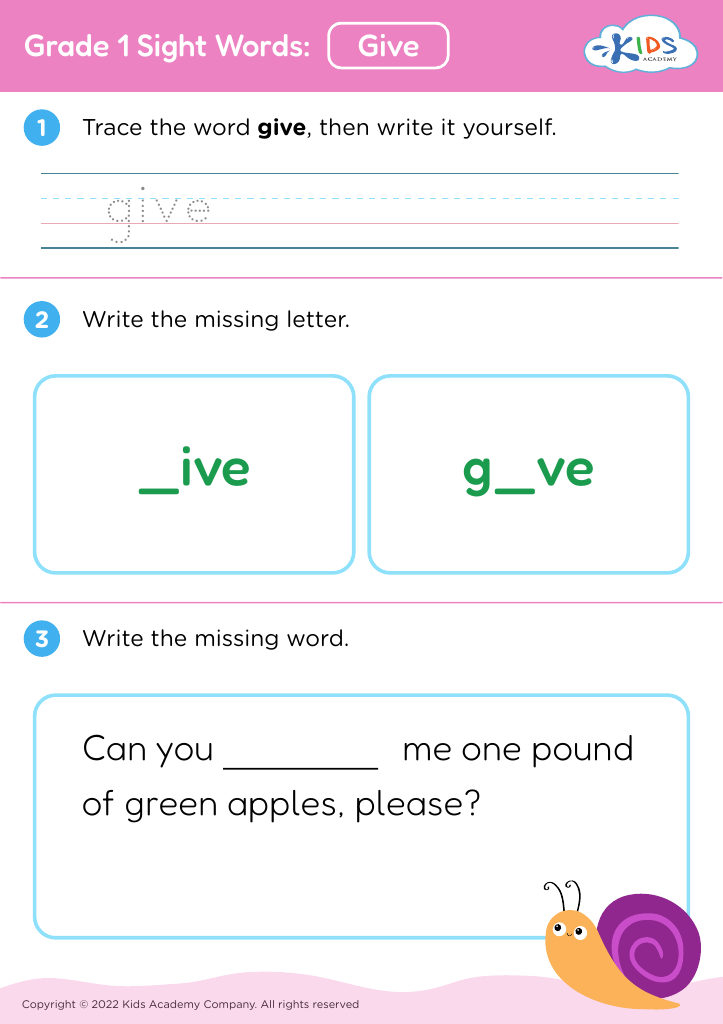







Parents and teachers should prioritize fraction identification for children aged 6-8 because it lays the foundation for essential mathematical concepts. At this stage, children begin to develop critical thinking and problem-solving skills that are crucial for their academic growth. Understanding fractions encourages them to grasp more complex mathematical ideas later on, such as ratios, proportions, and even basic algebra.
Children in this age group are naturally curious and capable of learning through hands-on experiences. Introducing fractions through visual aids, interactive games, and real-life examples makes learning engaging and memorable. This builds confidence and promotes a positive attitude towards mathematics.
Moreover, fraction identification fosters important life skills. Fractions are everywhere, from dividing a pizza to measuring ingredients while cooking. By recognizing and understanding fractions, children become empowered to make informed decisions in everyday situations.
Additionally, early knowledge of fractions contributes to a child's overall cognitive development, enhancing their analytical abilities and spatial awareness. As a crucial building block in mathematics education, advocating for fraction identification is not only beneficial for academic success but also valuable for children's holistic growth in reasoning and everyday problem-solving skills. Therefore, integrating fractions into early learning can have lasting impacts on a child's educational journey.








