Check out this FREE "Identifying shapes" Trial Lesson for age 6-8!

A

Favorites
With answer key
Interactive
  • 6-8
  • Identifying shapes
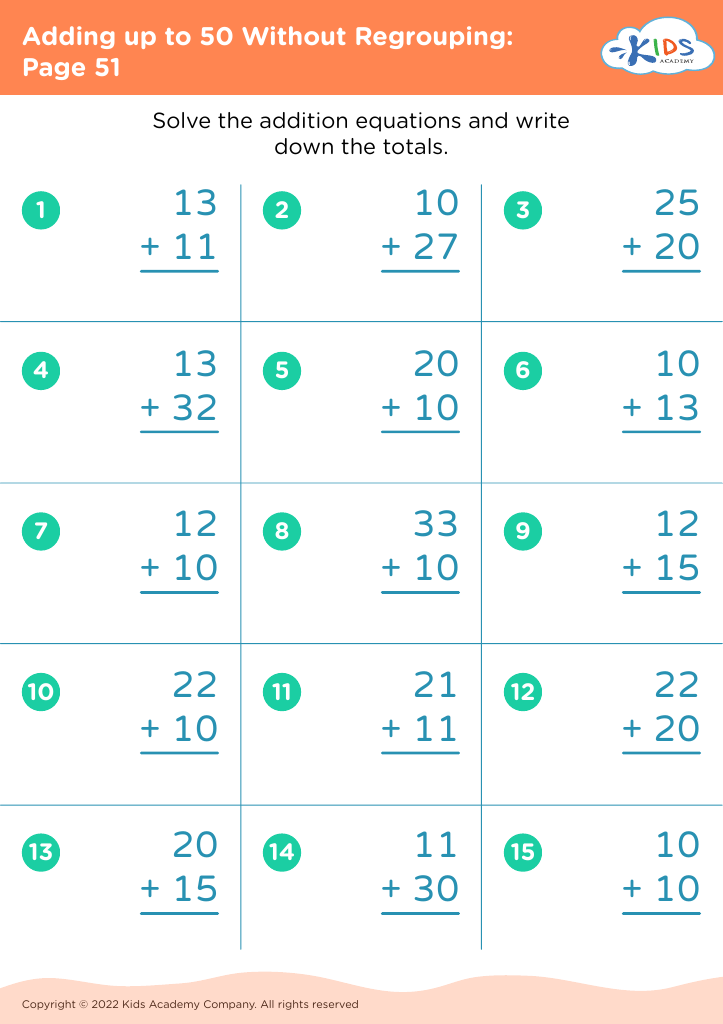
Adding up to 50 Without Regrouping: Page 51
Worksheet
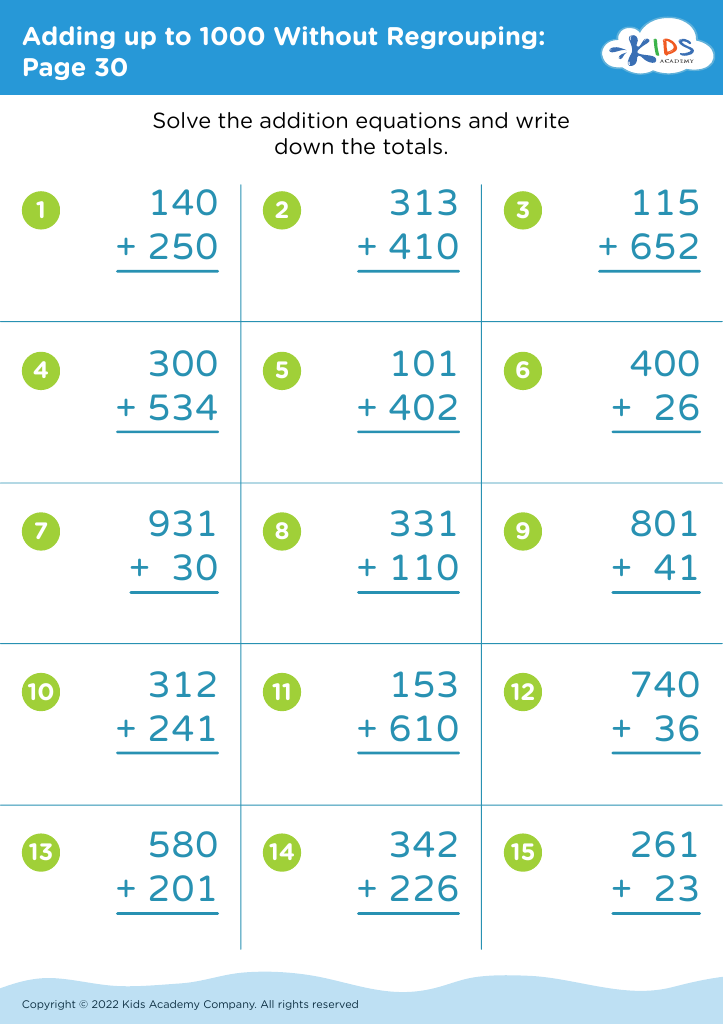
Adding up to 1000 Without Regrouping: Page 30
Worksheet
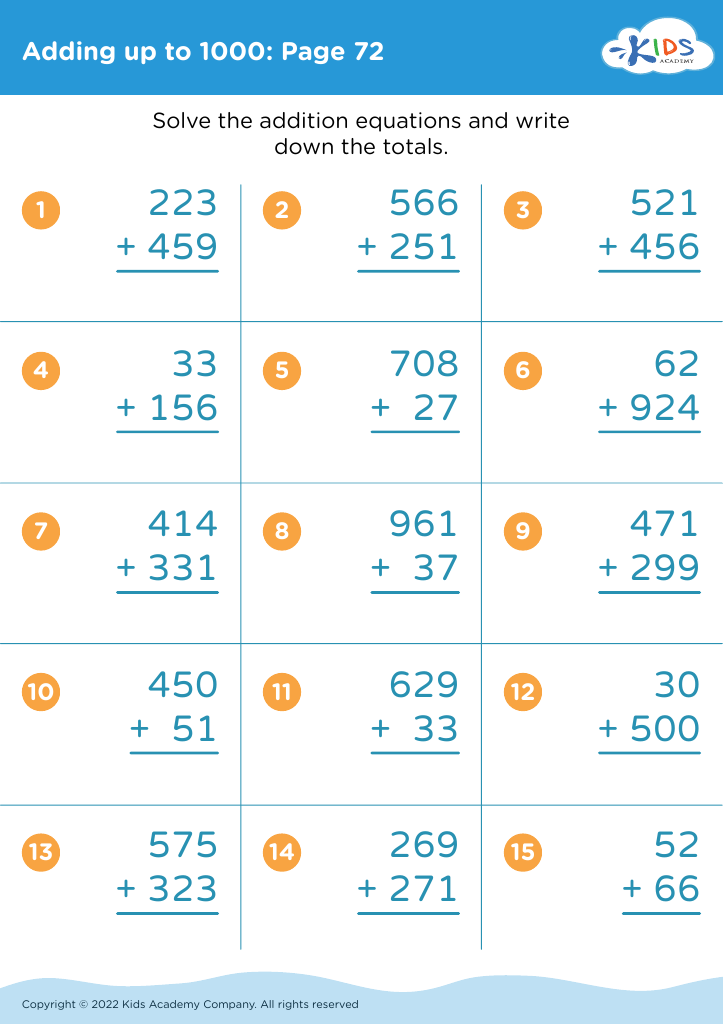
Adding up to 1000: Page 72

Adding up to 1000: Page 72

Adding up to 1000: Page 72
Worksheet
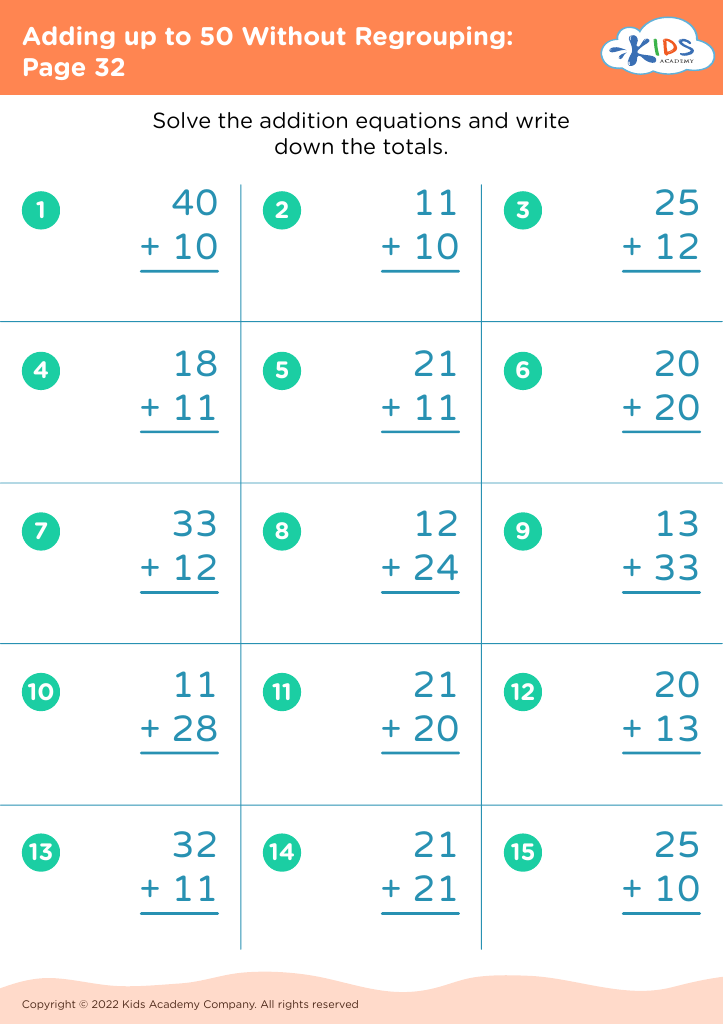
Adding up to 50 Without Regrouping: Page 32
Worksheet
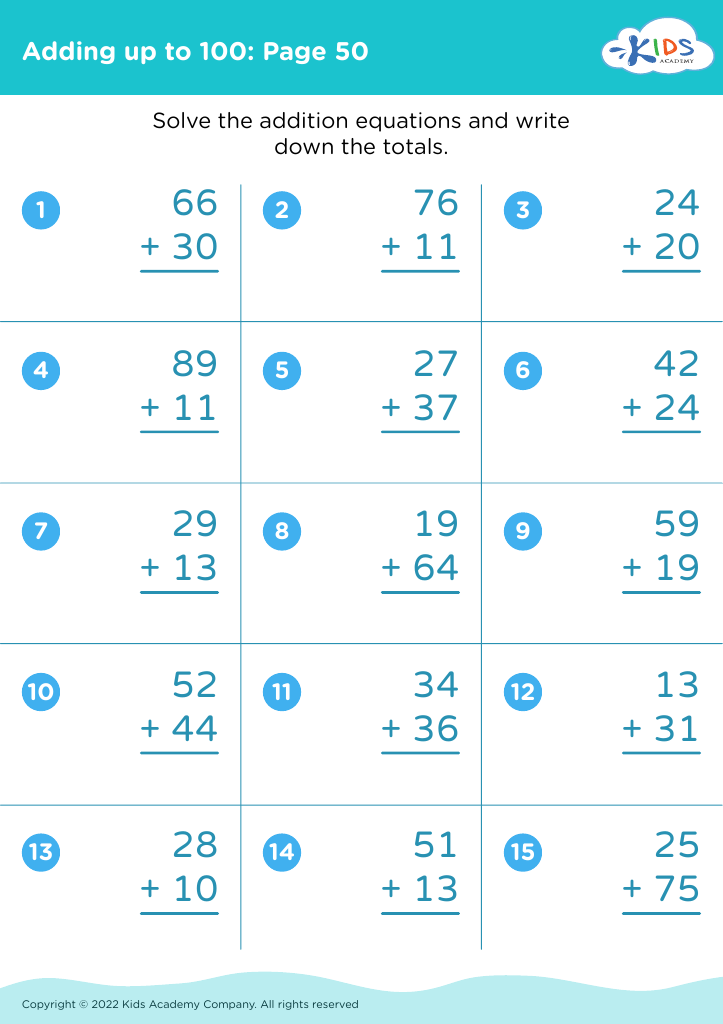
Adding up to 100: Page 50

Adding up to 100: Page 50

Adding up to 100: Page 50
Worksheet
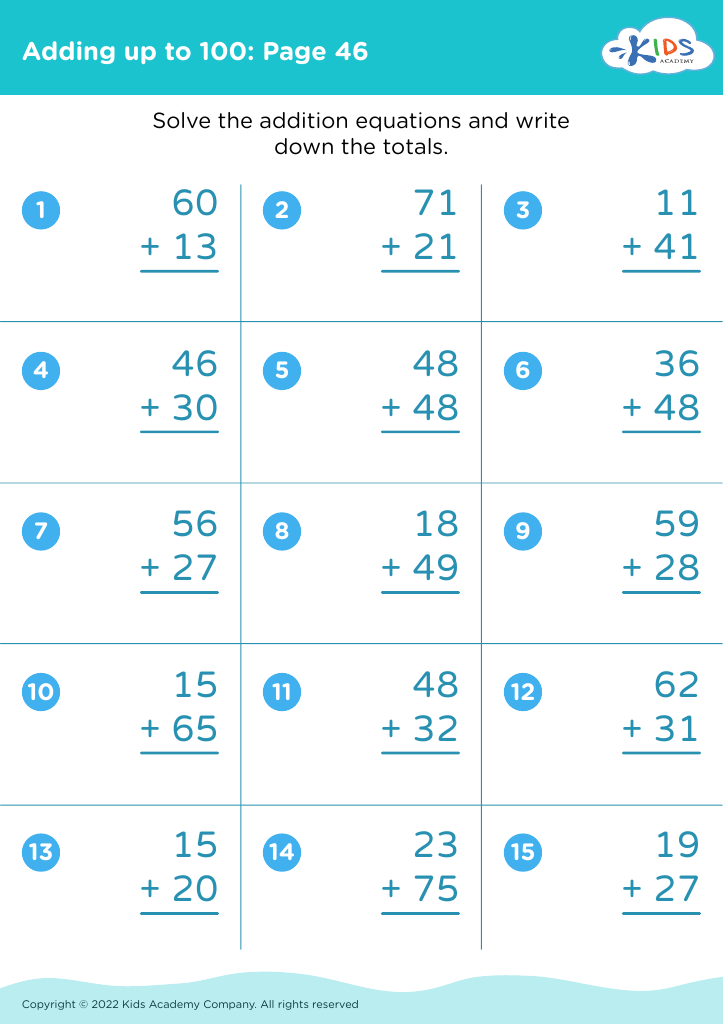
Adding up to 100: Page 46

Adding up to 100: Page 46

Adding up to 100: Page 46
Worksheet
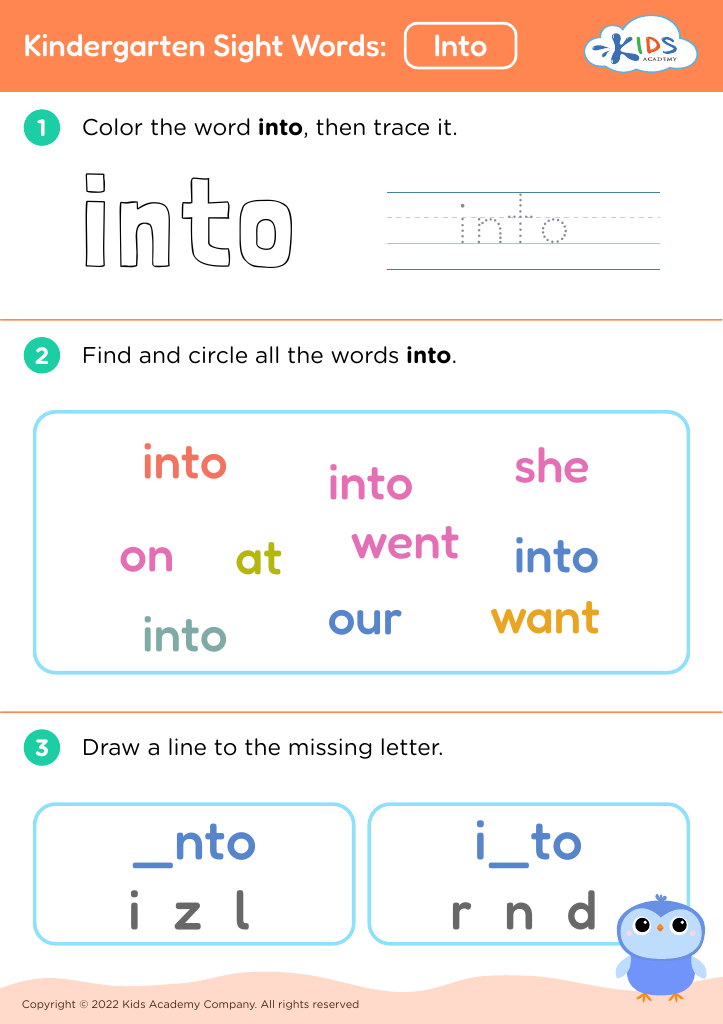
Kindergarten Sight Words: Into

Kindergarten Sight Words: Into

Kindergarten Sight Words: Into
Worksheet
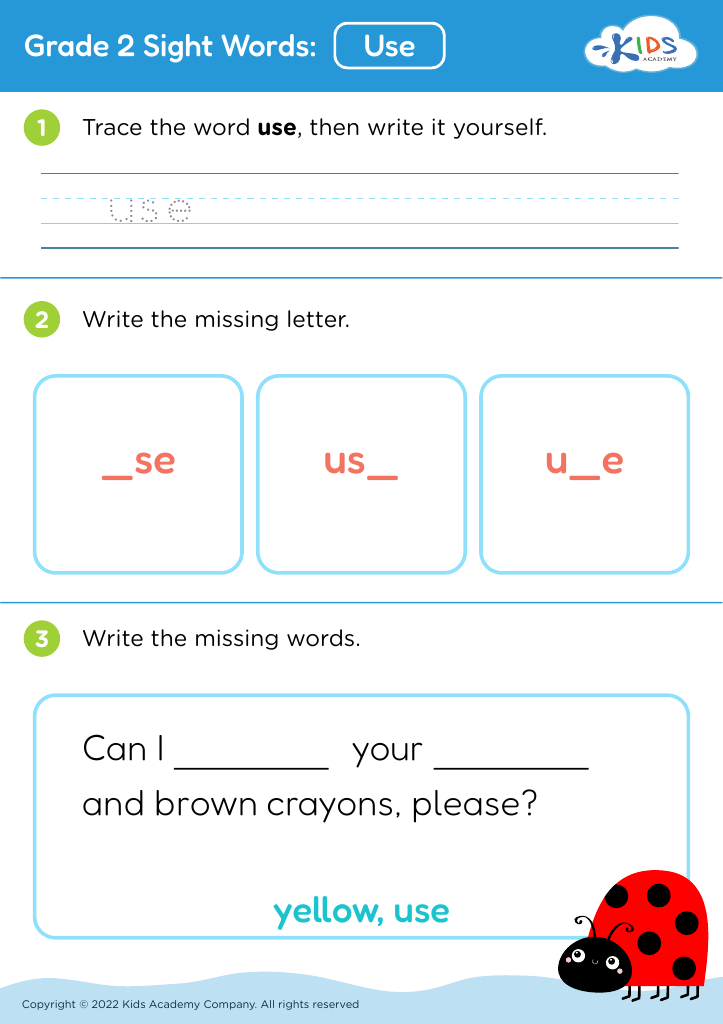
Grade 2 Sight Words: Use

Grade 2 Sight Words: Use

Grade 2 Sight Words: Use
Worksheet
Grade 2 Sight Words: Sleep

Grade 2 Sight Words: Sleep

Grade 2 Sight Words: Sleep
Worksheet
Grade 2 Sight Words: Made

Grade 2 Sight Words: Made

Grade 2 Sight Words: Made
Worksheet
Grade 1 Sight Words: Every

Grade 1 Sight Words: Every

Grade 1 Sight Words: Every
Worksheet
Grade 1 Sight Words: Again

Grade 1 Sight Words: Again

Grade 1 Sight Words: Again
Worksheet
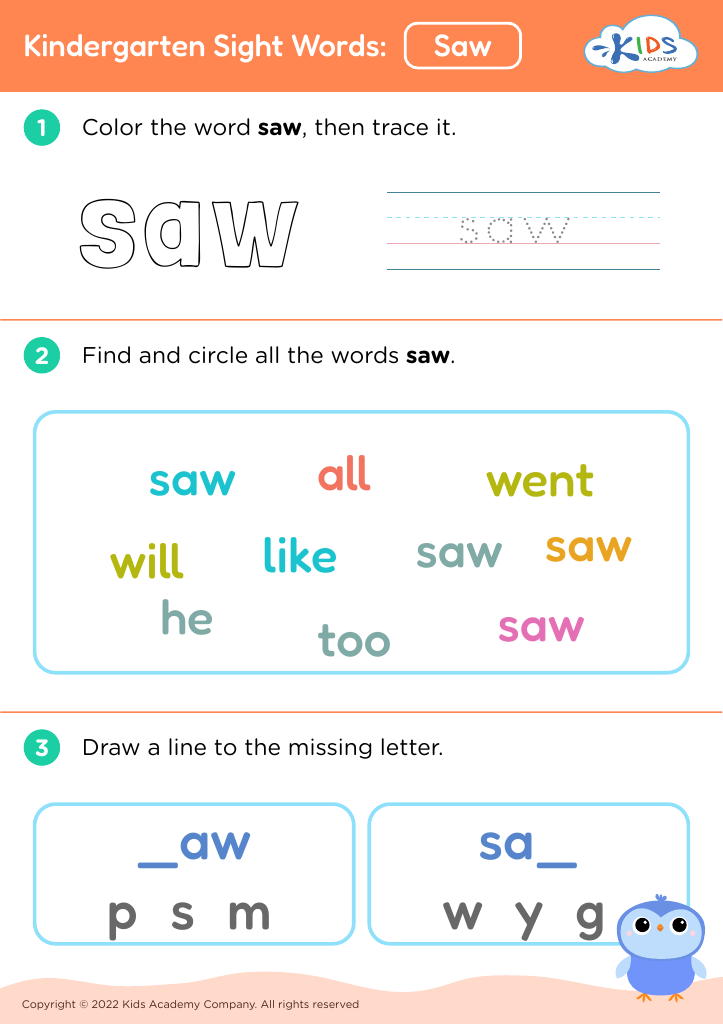
Kindergarten Sight Words: Saw

Kindergarten Sight Words: Saw

Kindergarten Sight Words: Saw
Worksheet
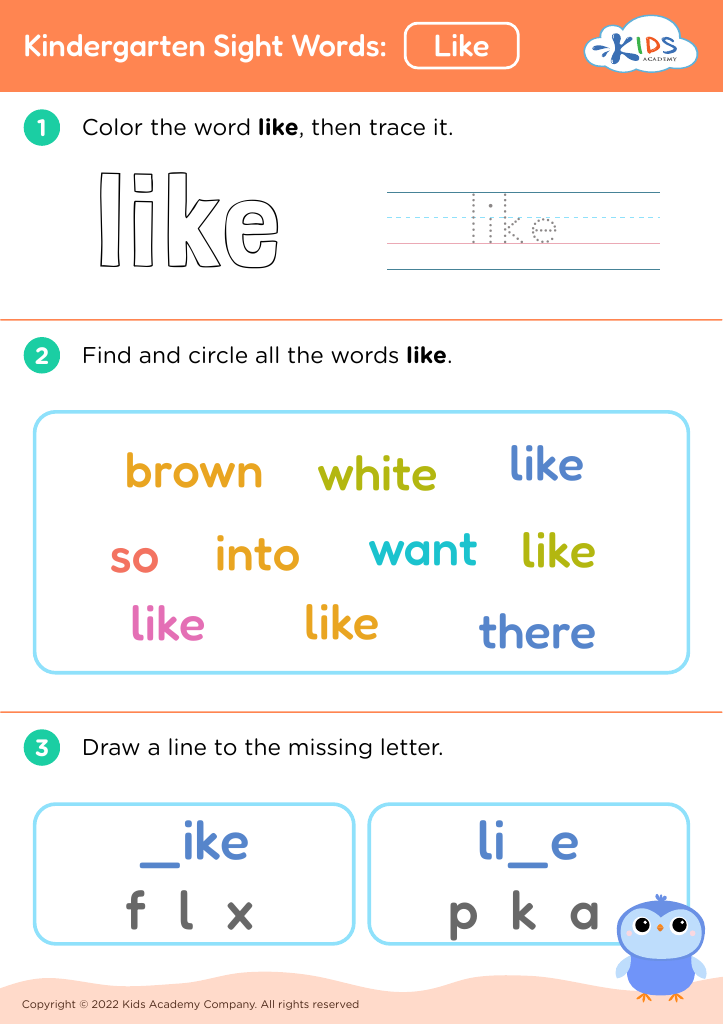
Kindergarten Sight Words: Like

Kindergarten Sight Words: Like

Kindergarten Sight Words: Like
Worksheet


Identifying shapes is a fundamental skill for children aged 6-8 that extends far beyond simple recognition. For parents and teachers, fostering this ability is crucial for several reasons. Firstly, shape identification lays the groundwork for essential mathematical concepts such as geometry, reasoning, and spatial awareness. At this age, children begin to build more complex problem-solving skills and logic, and understanding shapes helps connect abstract ideas to the real world.

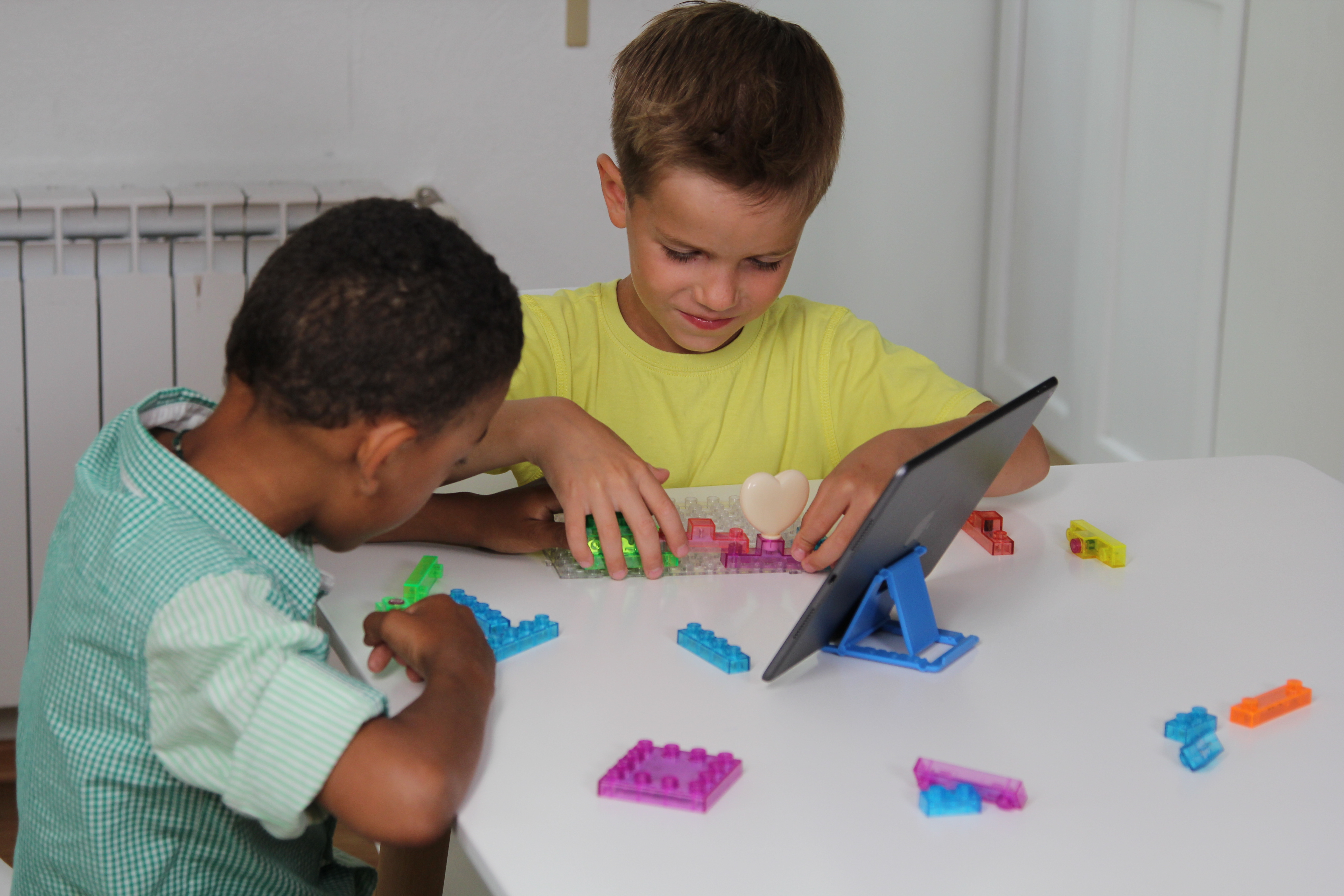
Additionally, shape recognition enhances cognitive development. It encourages observation, analytical thinking, and even creativity as children learn to categorize and differentiate objects. This is particularly important in play-based learning, where various shapes can inspire building and construction activities, promoting fine motor skills.

Furthermore, shape identification supports literacy development; children often encounter shapes in stories, art, and even in phonics that builds connections to words and concepts. Engaging children in shape-related discussions or activities integrates learning with fun experiences, increasing their motivation. Moreover, this skill can also bridge cultural understandings as different shapes often have varying meanings in art and symbolism across cultures.

In summary, for parents and teachers, nurturing shape identification is crucial for holistic cognitive, mathematical, and creative development in children aged 6-8.