
Improves attention to detail Worksheets for Ages 6-8
3 filtered results
Difficulty Level
Grade
Age
-
From - To
Subject
Activity
Standards
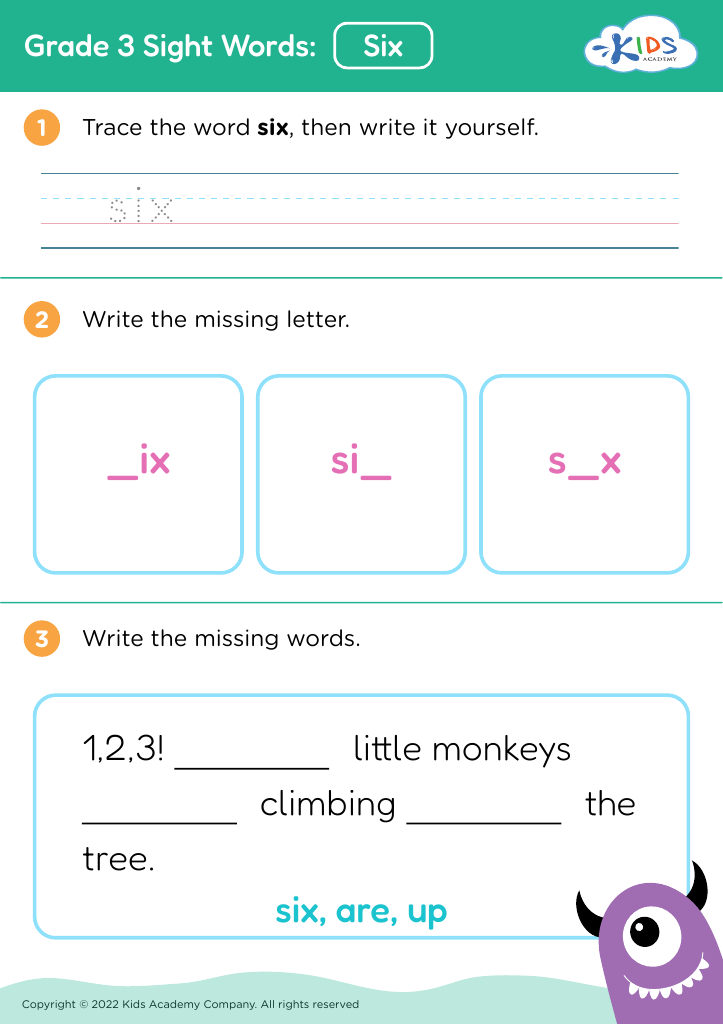
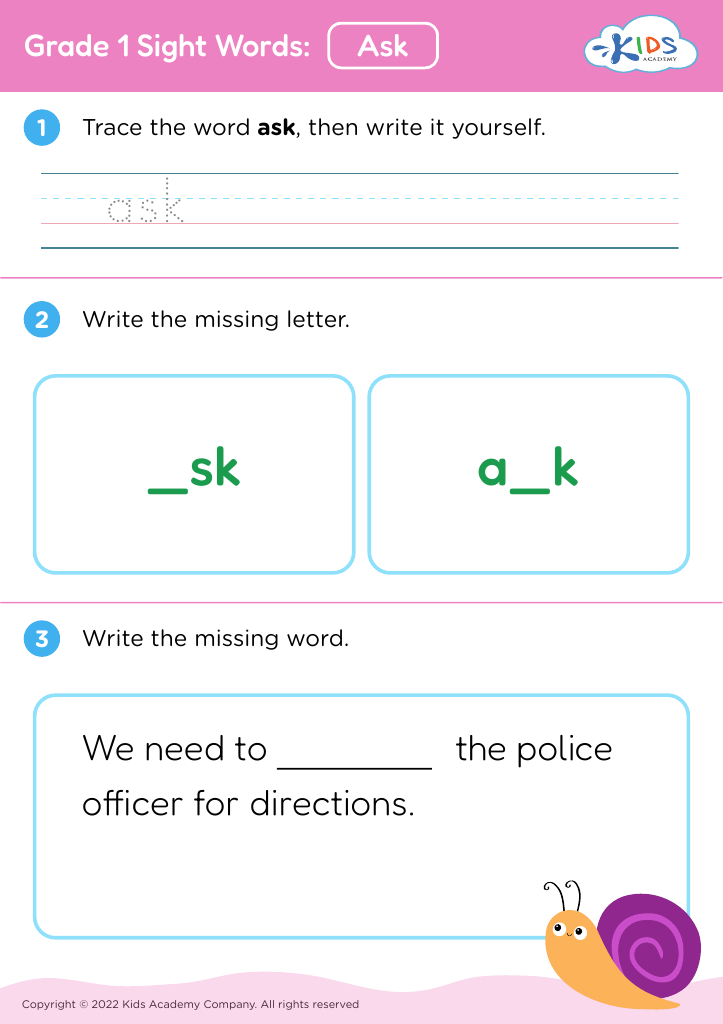
Enhance your child's focus and meticulousness with our "Improves Attention to Detail Worksheets" designed for ages 6-8. These engaging and interactive worksheets promote critical observational skills, encouraging children to notice small details in images and texts. Through various activities and exercises, your young learner will enhance their ability to spot differences, identify patterns, and complete tasks accurately. Perfect for reinforcing lessons at home or in the classroom, these worksheets make learning fun while fostering essential skills! Download now to support your child's development and watch their attention to detail blossom as they tackle each challenge with enthusiasm and creativity.
Favorites
With answer key
Interactive

Join Kids Academy for Free
Who is primarily going to use this learning content?








Developing attention to detail in children aged 6-8 is crucial for their academic and personal growth. During this formative stage, children's brains are rapidly developing, and honing their focus can significantly improve their learning outcomes. When children pay attention to detail, they become more adept at following instructions, completing tasks accurately, and comprehending complex concepts. This skill fosters a solid foundation for language development, mathematics, and science, where precision is key.
Moreover, strong attention to detail encourages healthier study habits and enhances problem-solving skills. As children learn to focus, they cultivate patience and persistence, valuable traits for lifelong learning. Parents and teachers can integrate fun activities— like puzzles, drawing, or reading comprehension exercises—to reinforce this skill in engaging ways.
Beyond academics, attention to detail promotes emotional intelligence. Children who are detail-oriented become more observant individuals, allowing them to understand social cues better and empathize with others. By emphasizing the importance of this skill, parents and teachers equip children with tools that will benefit them academically and socially as they progress through school and beyond. Ultimately, fostering attention to detail early on sets children up for success in all areas of their lives.








