
Learn number patterns Worksheets for Ages 6-8
3 filtered results
Difficulty Level
Grade
Age
-
From - To
Subject
Activity
Standards
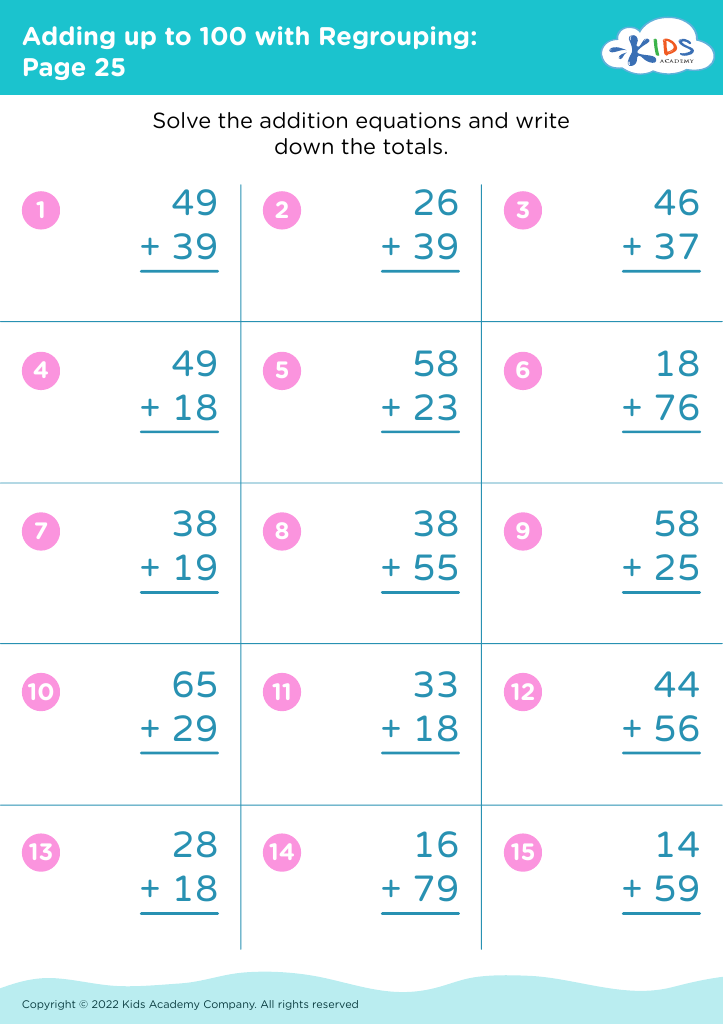
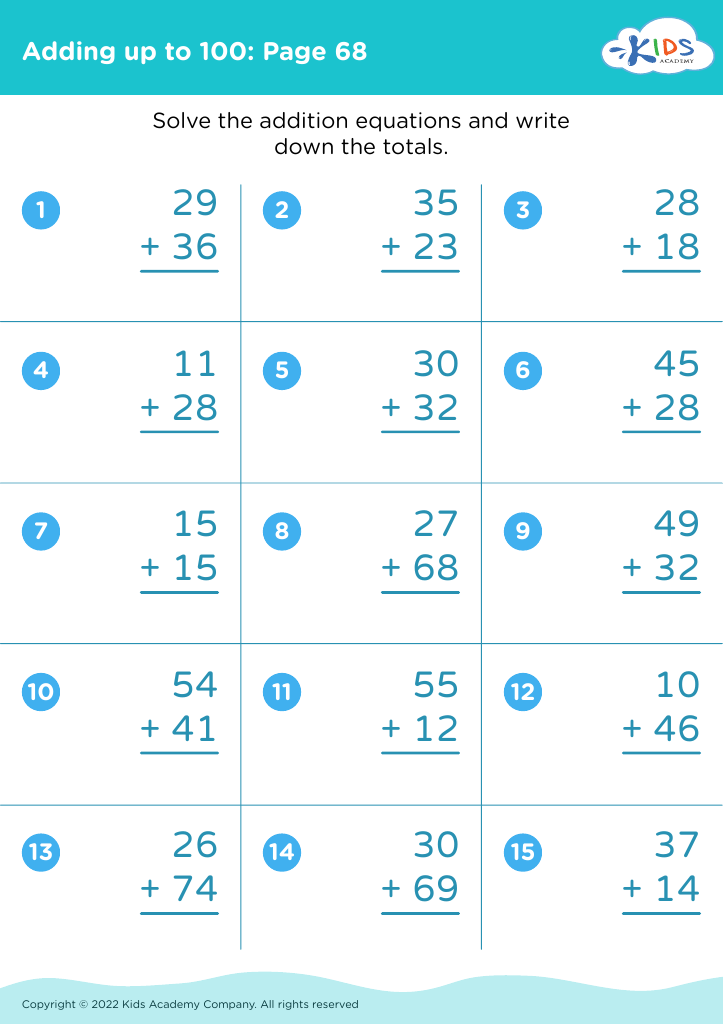
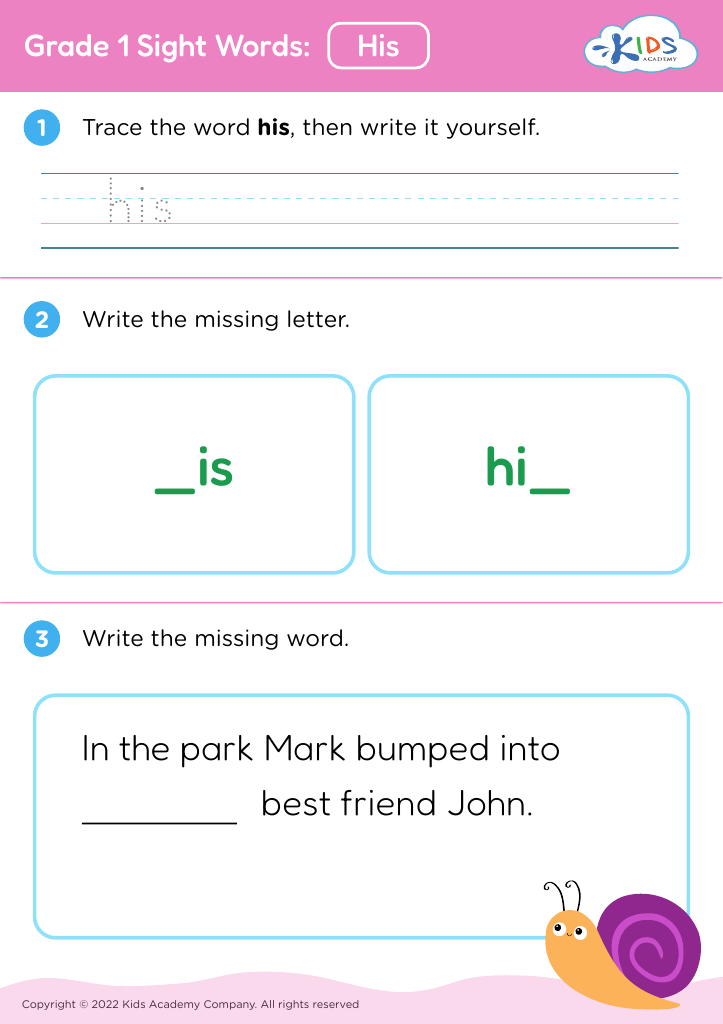
Unlock the joy of learning with our "Learn Number Patterns Worksheets" designed for children aged 6-8! Our engaging worksheets help young learners navigate the exciting world of number patterns, enhancing their mathematical skills and critical thinking. Each activity is tailored to strengthen recognition of sequences, enable problem-solving, and boost confidence in handling numbers. With colorful illustrations and interactive problems, these worksheets make practice enjoyable and effective. Ideal for home or classroom use, they provide a perfect blend of fun and education. Explore creative ways to help your child grasp foundational math concepts while nurturing a lifelong love for learning!
Favorites
With answer key
Interactive
Join Kids Academy for Free
Who is primarily going to use this learning content?






Understanding number patterns is essential for young learners aged 6-8 as it lays the foundation for more complex mathematical concepts in later years. Parents and teachers should care about teaching number patterns because they foster critical thinking, enhance problem-solving skills, and improve number sense. Pattern recognition helps children identify relationships between numbers, making it easier for them to understand addition, subtraction, multiplication, and division.
When children learn to recognize sequences and patterns, they develop analytical skills that apply beyond math. These skills contribute to logical reasoning and can benefit other academic areas, such as reading and science. Patterns are everywhere in nature, art, and daily life, helping children make connections between different subjects and realities.
Additionally, early mastery of number patterns boosts confidence and motivation. Children who grasp these concepts often feel more capable in math, which can lead to a lifelong positive attitude toward the subject. Therefore, by emphasizing number patterns, parents and teachers not only enhance math proficiency but also encourage a holistic educational approach that supports a child’s cognitive and emotional development. Investing attention and resources in this area cultivates strong learners equipped to tackle future academic challenges.








