
Learning scientific vocabulary Worksheets for Ages 6-8
3 filtered results
Difficulty Level
Grade
Age
-
From - To
Subject
Activity
Standards
Unlock the wonders of science with our Learning Scientific Vocabulary Worksheets, designed specifically for children ages 6-8! These engaging and interactive worksheets help young learners expand their scientific language and comprehension through fun activities. Each worksheet features age-appropriate words, illustrations, and exercises that promote critical thinking and encourage exploration of scientific concepts. Tailored to inspire curiosity, they cover various topics such as ecosystems, weather, and the human body. Ideal for both classroom and at-home learning, our worksheets support young minds in building a strong foundation in science, enhancing their vocabulary, and fostering a lifelong love for discovery! Get started today!
Favorites
With answer key
Interactive
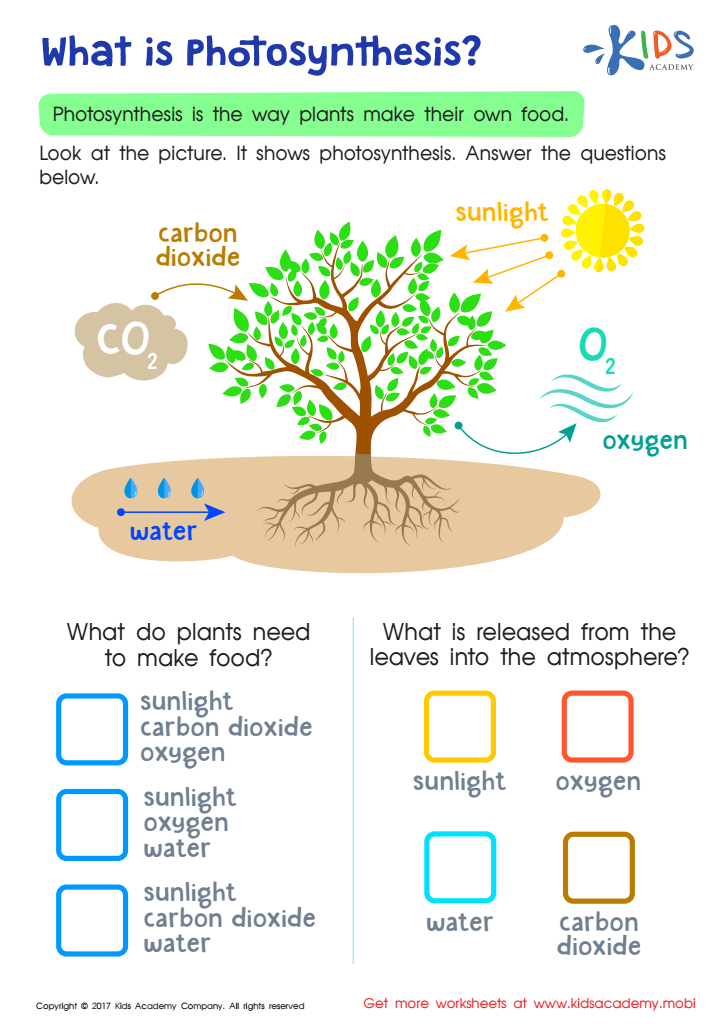
What is Photosynthesis Printable
Plants need to eat too; they make their own food from the air. Introduce them to photosynthesis with this fun worksheet!
 Assign to My Students
What is Photosynthesis Printable
Worksheet
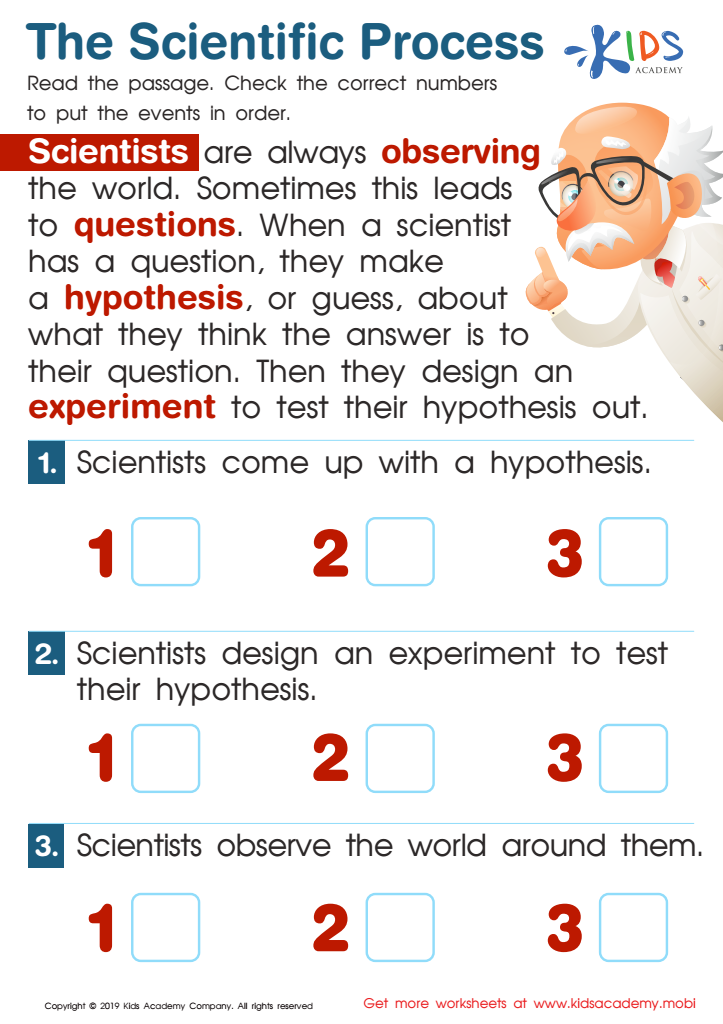
The Scientific Process Worksheet
Help your kids read the passage, then ask them to explain what they've learnt. Ask the questions and help put the events in order. Through this worksheet, your kids will learn more about science and practice reading skills. It's a fun way to explore science! (80 words)
The Scientific Process Worksheet
Worksheet
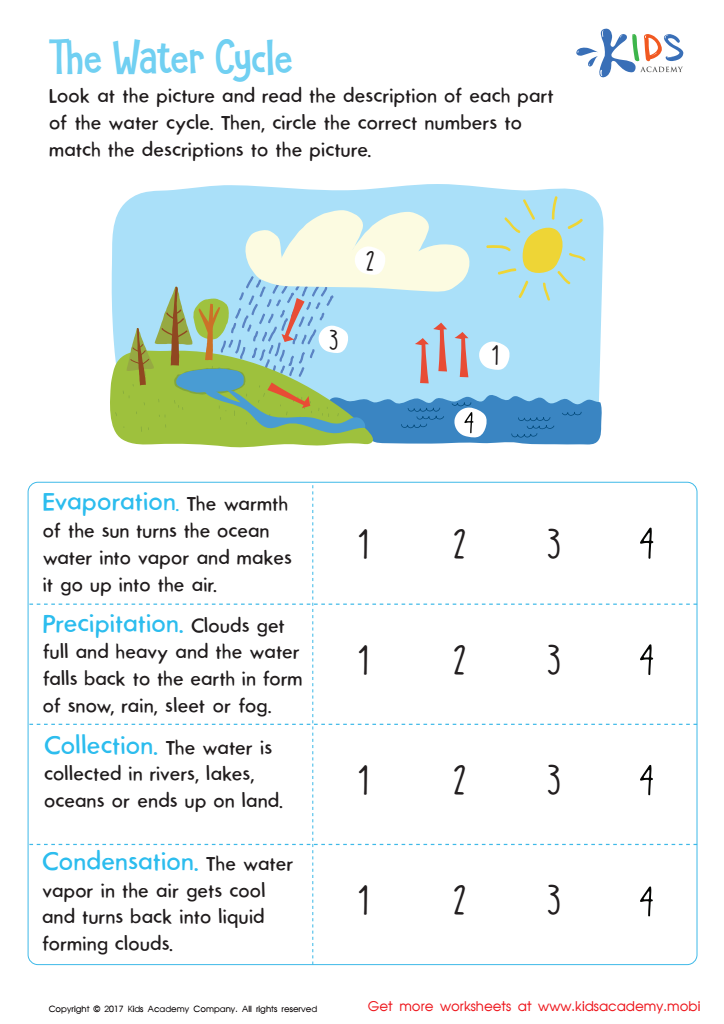
The Water Cycle Worksheet
Kids love science because it sparks their curiosity, so use this worksheet to introduce them to earth science and build a strong foundation for future learning.
The Water Cycle Worksheet
Worksheet
Learning Skills
Join Kids Academy for Free
Who is primarily going to use this learning content?



.jpg)


.jpg)

Parents and teachers should prioritize scientific vocabulary for children aged 6-8 because it lays the foundation for critical thinking and scientific literacy. At this developmental stage, children are naturally curious, so introducing them to scientific terms can enhance their understanding of the world around them. These terms are not just words; they represent concepts and ideas that allow children to engage meaningfully with their environment, fostering exploration and inquiry.
Moreover, learning scientific vocabulary equips children with the language necessary to articulate their observations and thoughts. This boosts their confidence in expressing ideas, making hypotheses, and conducting simple experiments. Additionally, a strong grasp of scientific terms encourages effective communication skills, as children learn to describe and explain phenomena using appropriate language.
Furthermore, exposure to scientific vocabulary can create pathways for future academic success. As children progress in their education, a solid vocabulary base will aid in comprehension across subjects, particularly in science. Engaging parents in this process can reinforce learning at home, making science a shared adventure. Ultimately, investing time in developing scientific vocabulary not only supports academic growth but also inspires lifelong curiosity and a passion for discovery.








