Practicing writing skills Worksheets for Ages 6-8
4 filtered results
-
From - To
Unlock your child’s creativity with our “Practicing Writing Skills Worksheets” designed specifically for ages 6-8! Engaging and fun, these worksheets help young learners enhance their writing abilities through a variety of activities. From tracing letters to crafting sentences, each worksheet promotes fine motor skills, grammar, and vocabulary development. Our resources focus on making writing enjoyable, fostering a love for storytelling, and building confidence in young writers. Perfect for both homeschooling and classroom settings, these worksheets provide essential practice and support literacy development in a personal and engaging way. Start nurturing your child's writing journey today!
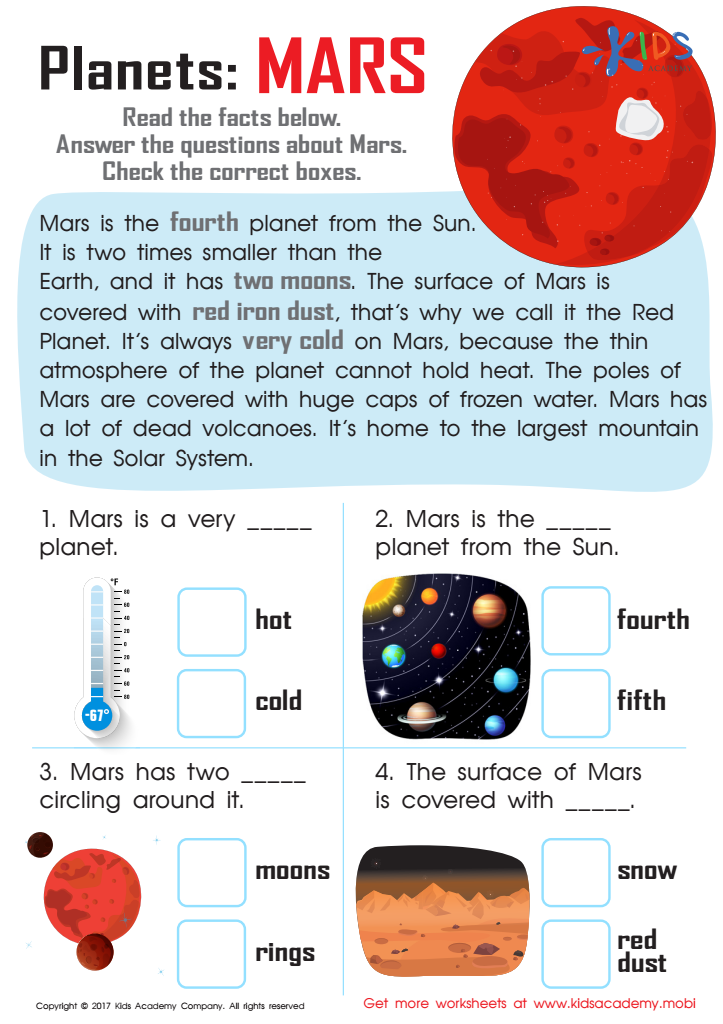
Mars Fact Printable Worksheet
 Assign to My Students
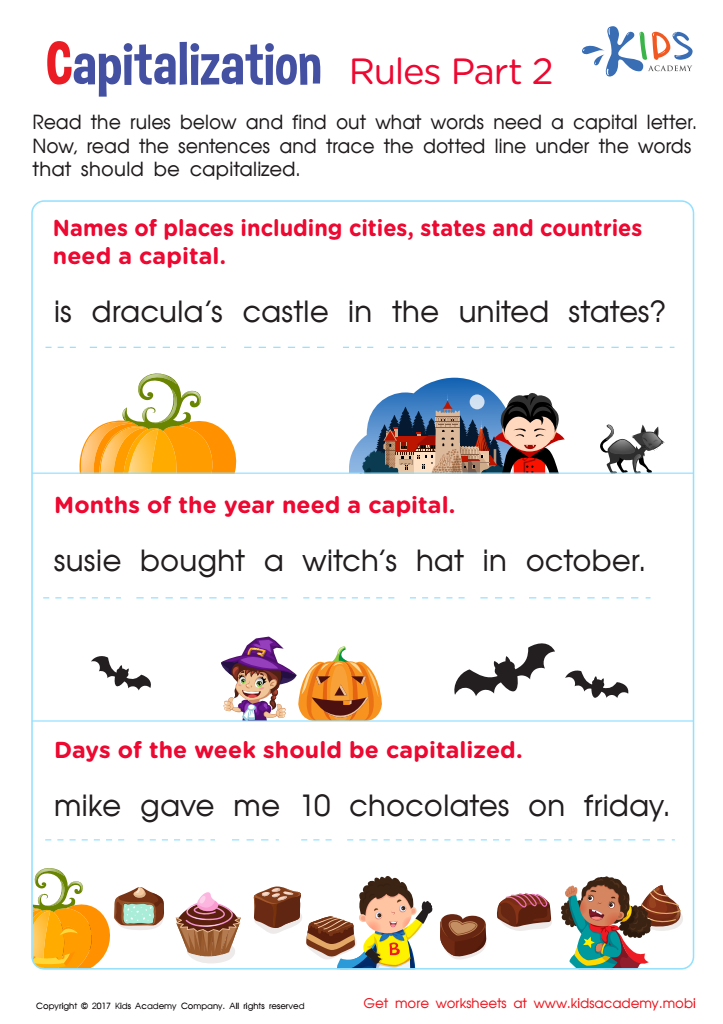
Capitalization Rules: Part 2 Worksheet
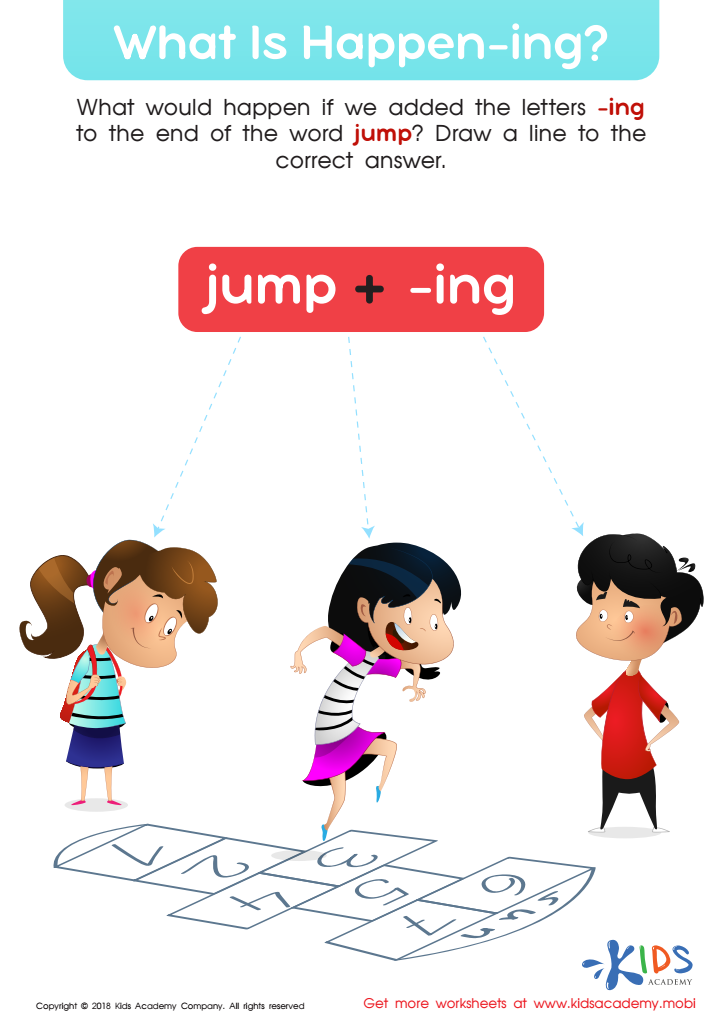
What Is Happen-Ing? Worksheet
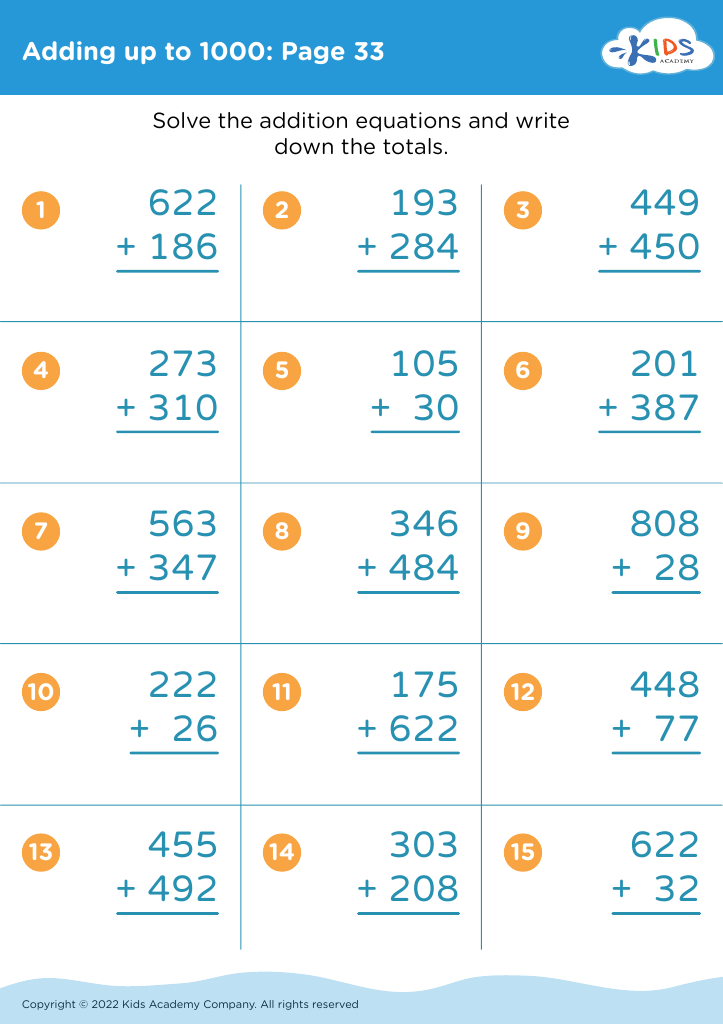







Practicing writing skills for children aged 6-8 is crucial as it lays a foundational stone for their cognitive and communicative development. At this age, children begin to express themselves more clearly and creatively, which enhances their critical thinking and self-confidence. Strong writing skills foster effective communication, allowing them to share their thoughts and ideas coherently.
Early writing practices also support literacy development. As children engage in writing activities, they improve their spelling, grammar, and sentence structure, which are essential components of language arts. This age often coincides with formal education, making writing skills particularly important for academic success.
Moreover, writing helps children organize their thoughts and express their emotions, offering an important outlet for self-expression. This can be especially beneficial for their social and emotional development, as they learn to articulate their feelings and experiences.
Incorporating writing activities into daily routines can be fun and engaging; for example, through journaling, storytelling, or writing letters. By fostering a writing-friendly environment at home and in the classroom, parents and teachers can help children develop a lifelong love of writing and learning. Ultimately, honing writing skills at this young age is a gift that empowers children in their future endeavors.








