Time conversion skills Worksheets for Ages 6-8
3 filtered results
-
From - To
Boost your child's time-telling abilities with our Time Conversion Skills Worksheets for Ages 6-8, designed by Kids Academy. Perfect for young learners, our worksheets offer engaging and interactive exercises to help kids understand fundamental concepts of time conversion, including hours to minutes and vice versa. Through fun activities and colorful visuals, children will master how to accurately read clocks and solve time-related problems, enhancing their math and cognitive skills. Dive into our printable resources to give your child a head start in time management and arithmetic. Ideal for classroom use or home learning.
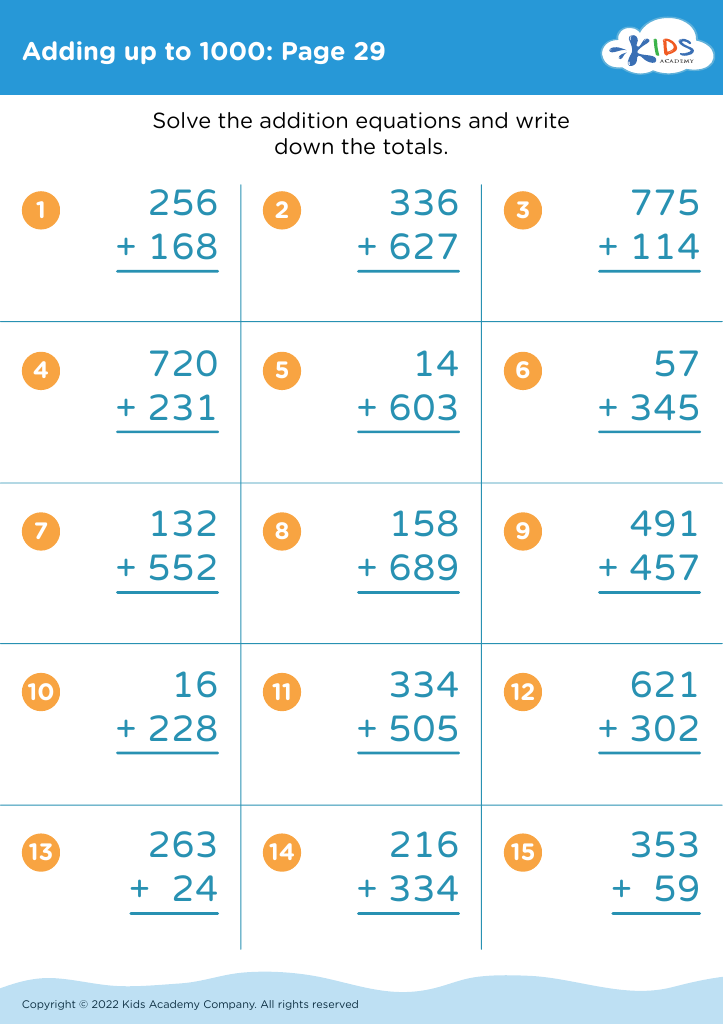
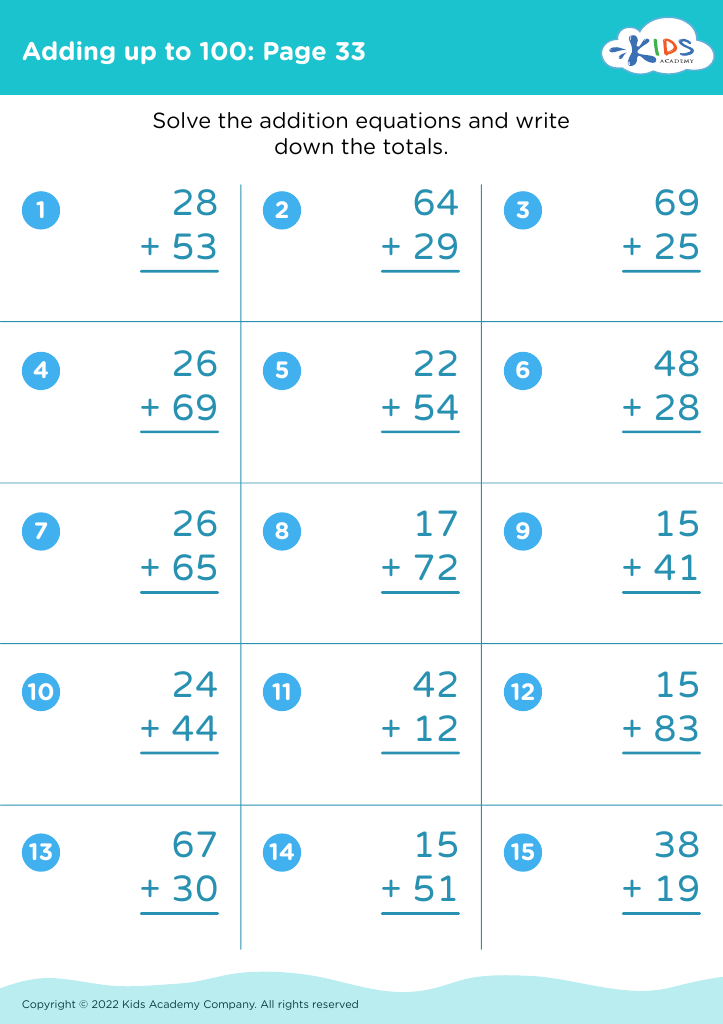
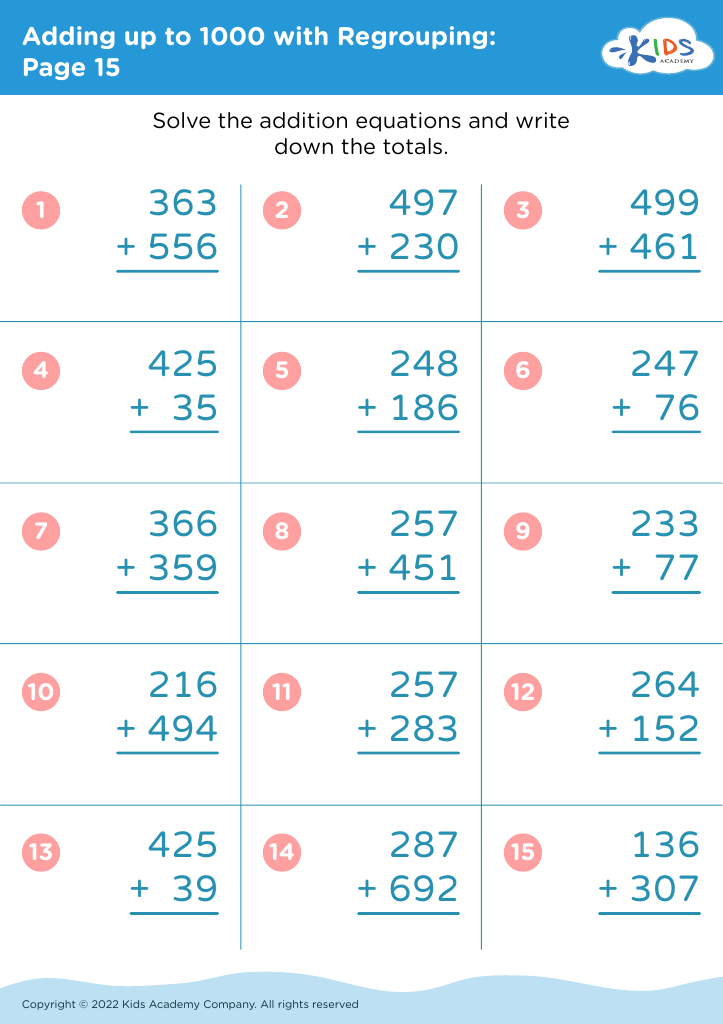






.jpg)

Time conversion skills are fundamental for young children because they build a foundational understanding of time management, critical for both academic success and daily life activities. Teaching children ages 6-8 how to convert units of time helps them grasp the concepts of hours, minutes, and seconds, which in turn boosts their ability to follow schedules, understand deadlines, and allocate time effectively for tasks.
For parents, instilling these skills early on fosters independence. A child who understands time conversions can better manage their daily routines, such as getting ready for school or finishing their homework within a set time. This not only reduces time-related stress for the family but also reinforces the importance of punctuality and responsibility.
For teachers, time conversion skills are essential for classroom management and academic progress. Students who can comprehend and track time are more likely to stay on task and complete assignments within the given time frame. This ability also enhances their focus during timed activities or tests. Furthermore, a solid grasp of time improves children's understanding of other subjects, especially math, as it involves practical applications of addition, subtraction, and basic fractions.
Overall, cultivating time conversion skills in early childhood sets the stage for successful life skills, promotes academic achievement, and boosts personal development.








