Understand sequencing Worksheets for Ages 6-8
4 filtered results
-
From - To
Welcome to our “Understand Sequencing Worksheets” designed for children ages 6-8! Sequencing is a vital skill that helps young learners comprehend stories, follow instructions, and organize events. Our engaging worksheets provide a variety of fun activities that promote critical thinking and enhance reading comprehension. From filling in the blanks to organizing pictures in the correct order, each worksheet is crafted to make learning enjoyable. These resources not only strengthen cognitive abilities but also inspire creativity and logical reasoning. Explore our collection to boost your child's sequencing skills and watch them flourish as they master this essential learning skill!
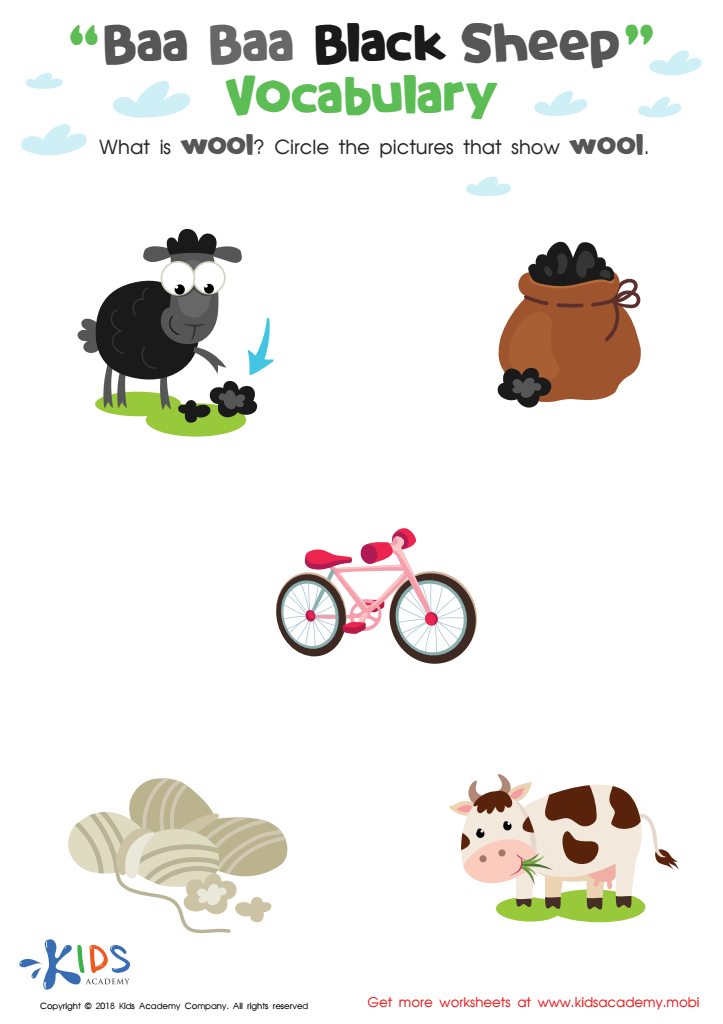
Baa Baa Black Sheep: Vocabulary Worksheet
 Assign to My Students
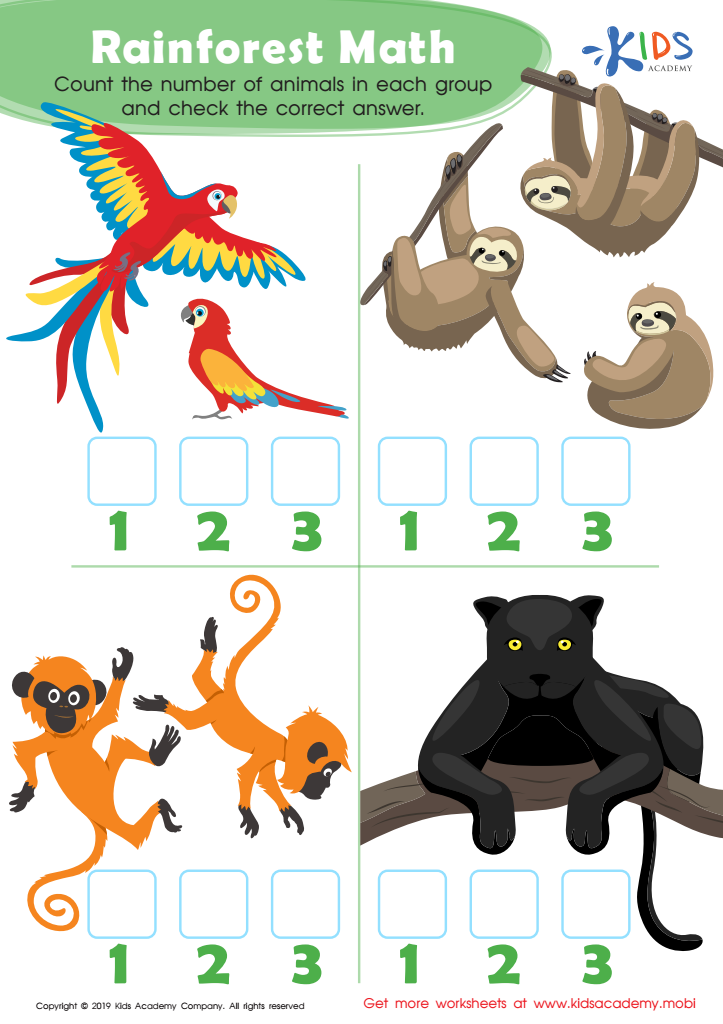
Rainforest Math Worksheet
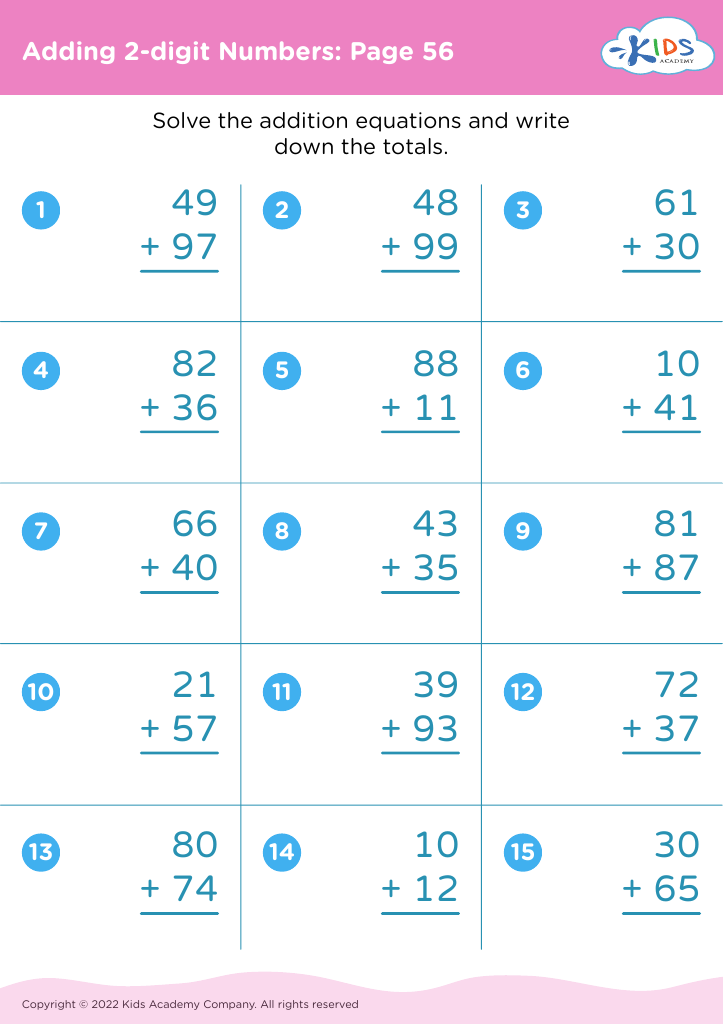
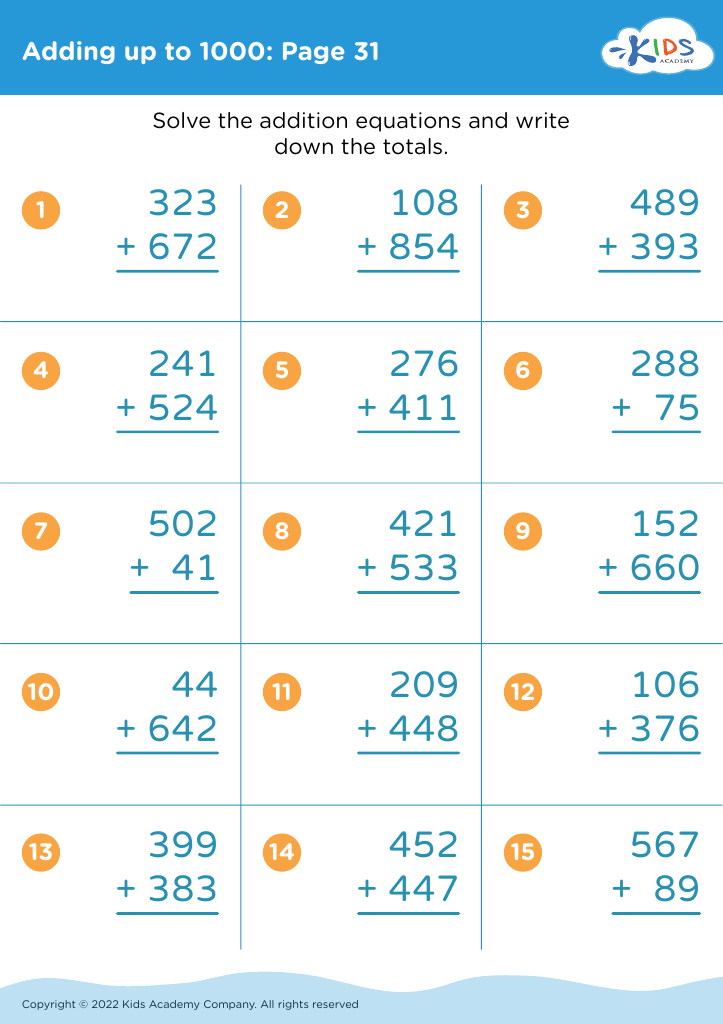







Understanding sequencing is a vital skill for children ages 6-8, making it crucial for parents and teachers to prioritize it in their development. Sequencing refers to the ability to comprehend and organize events in order, paving the way for logical thinking and storytelling. For young learners, mastering sequencing enhances their reading comprehension, as they learn to predict outcomes and connect ideas within narratives.
Additionally, sequencing is integral in math, where children learn to arrange numbers and operations in a specific order to solve problems. This foundational skill supports their overall cognitive development and improves essential executive functioning skills, such as planning and memory recall.
Furthermore, accomplishing tasks in sequence fosters independence and responsibility in children. Parents and teachers can use everyday activities to reinforce this skill—whether it’s following a recipe, planning a project, or understanding daily routines.
By emphasizing sequencing, parents and teachers equip children with abilities that enrich their academic performance and everyday lives. This skill not only shaped their learning experience at 6-8 years old but also lays the groundwork for future complexity in learning and life situations, proving its long-lasting value.








