Understanding Quantities Worksheets for Ages 6-8
15 filtered results
-
From - To
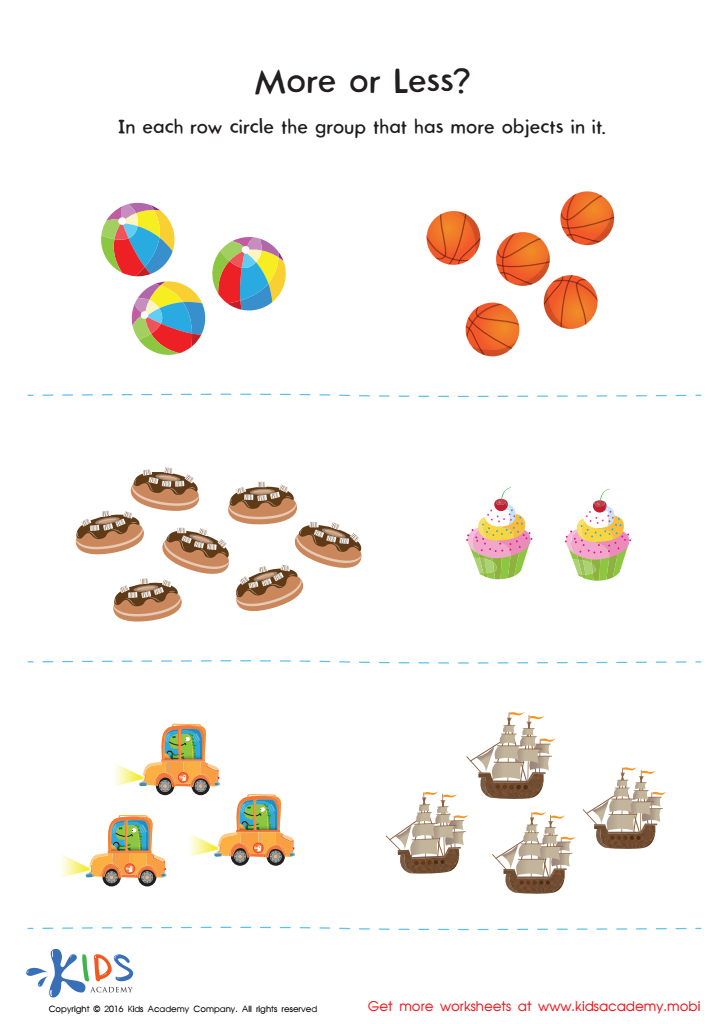
Welcome to our "Understanding Quantities Worksheets" tailored for children aged 6-8! These engaging worksheets are designed to help young learners grasp the concept of quantities through fun and interactive activities. With a variety of exercises, kids will explore counting, comparing numbers, and identifying greater or lesser amounts. Each worksheet promotes critical thinking and problem-solving skills while providing a hands-on approach to math. Perfect for home or classroom use, our resources are aligned with educational standards to support your child's learning journey. Discover the joy of learning about quantities and watch your child build a solid math foundation today!
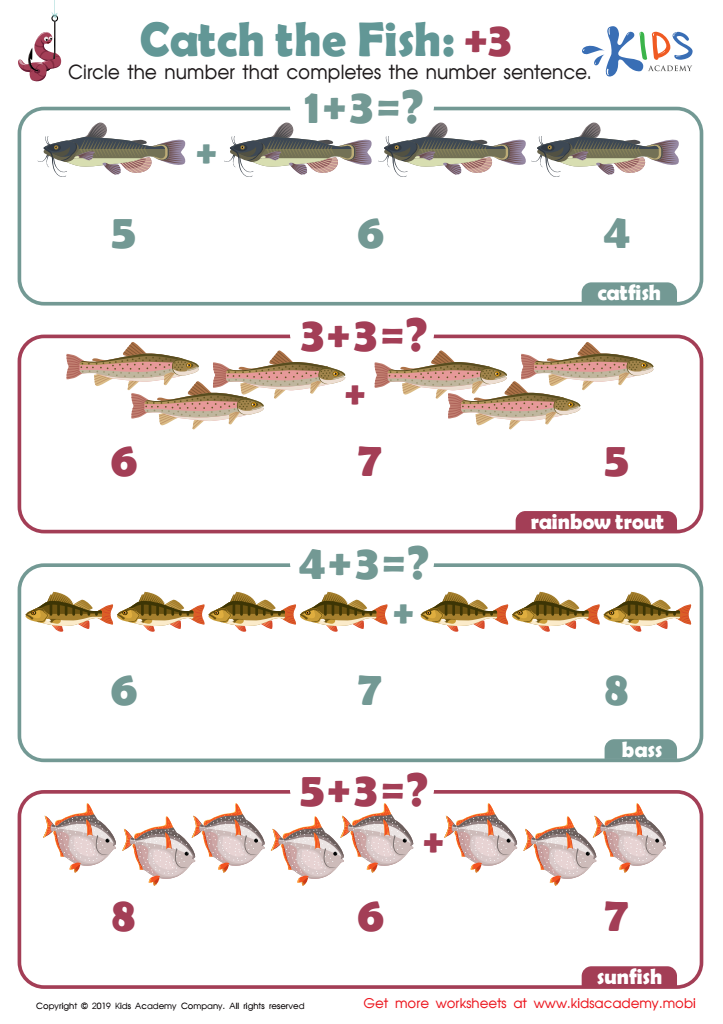
Catch the Fish: +3 Worksheet
 Assign to My Students
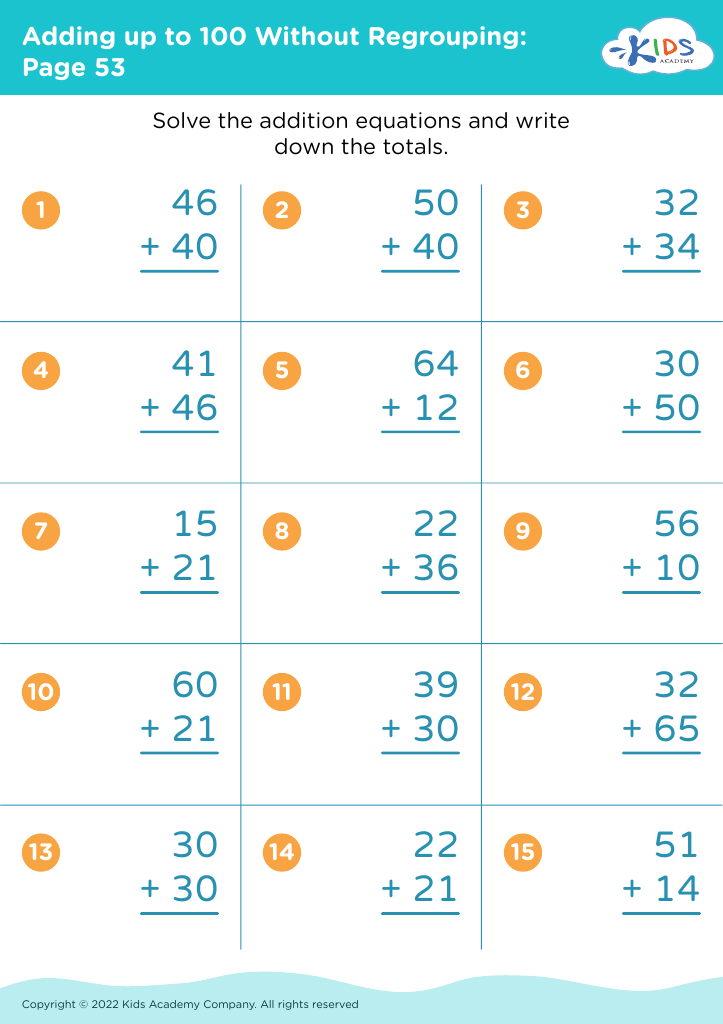
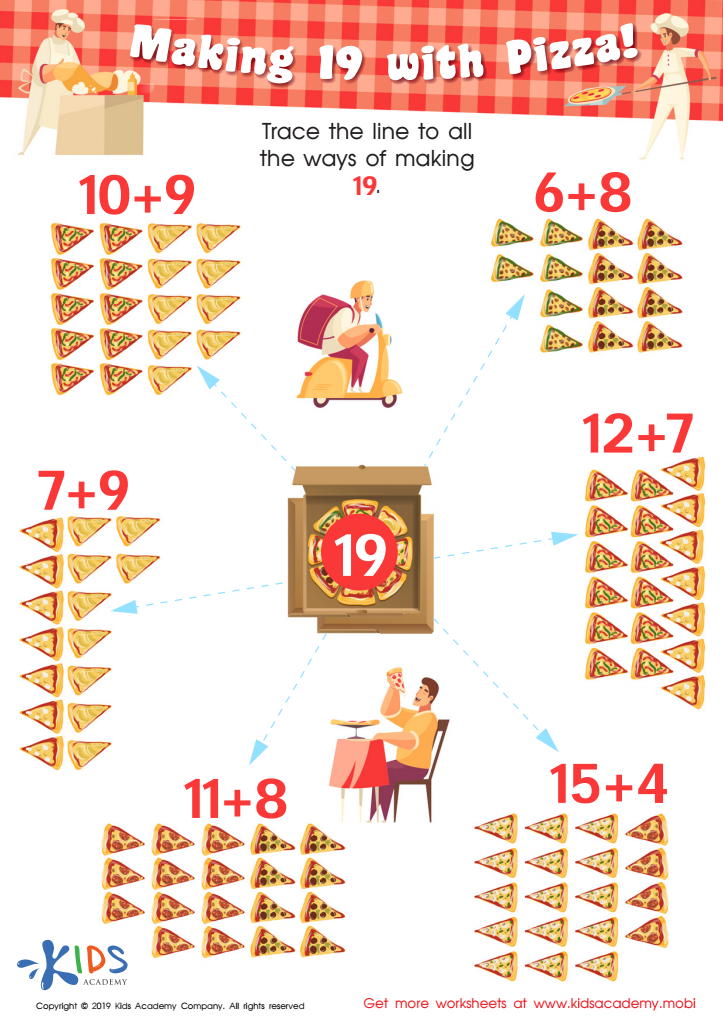
Making 19 with Pizza! Worksheet
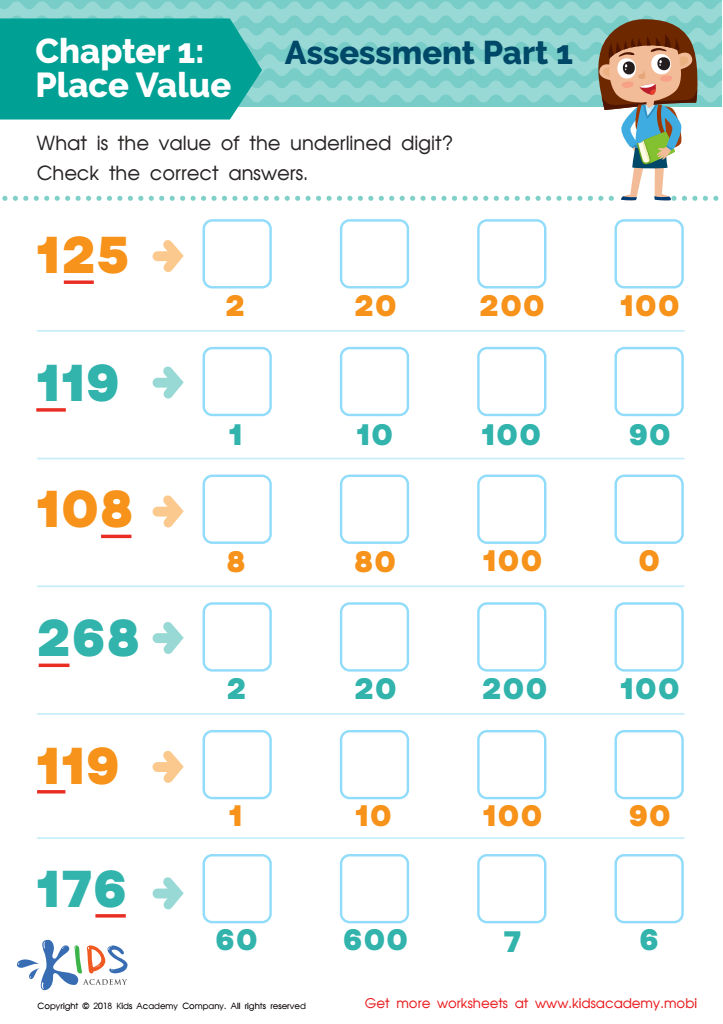
Place Value: Chapter 1 Worksheet
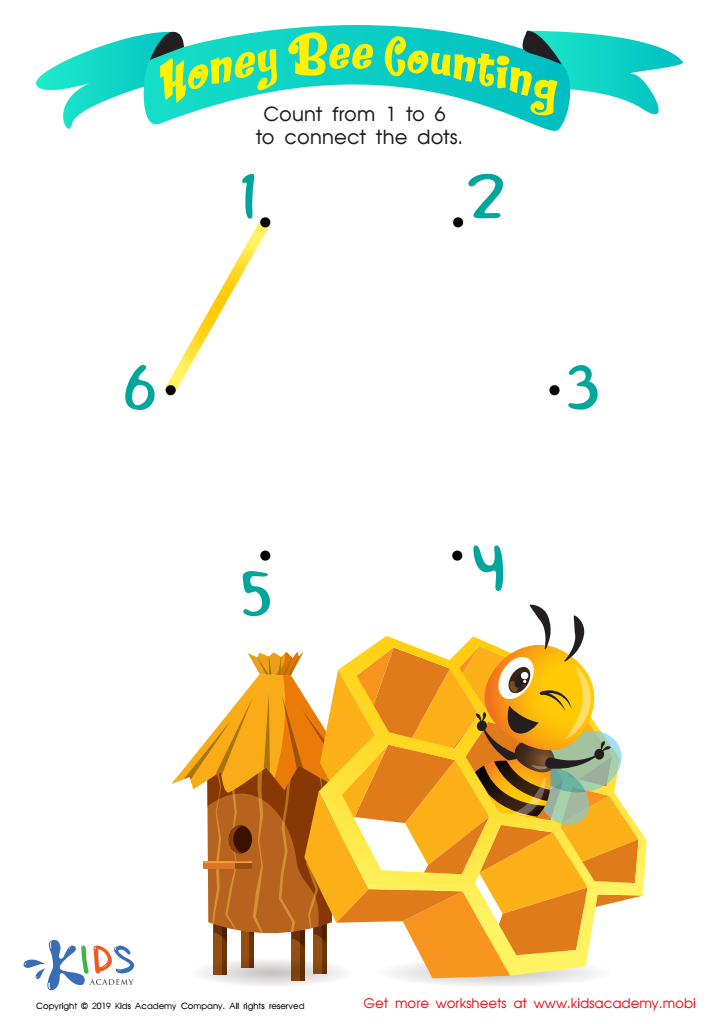
Honey Bee Counting Worksheet
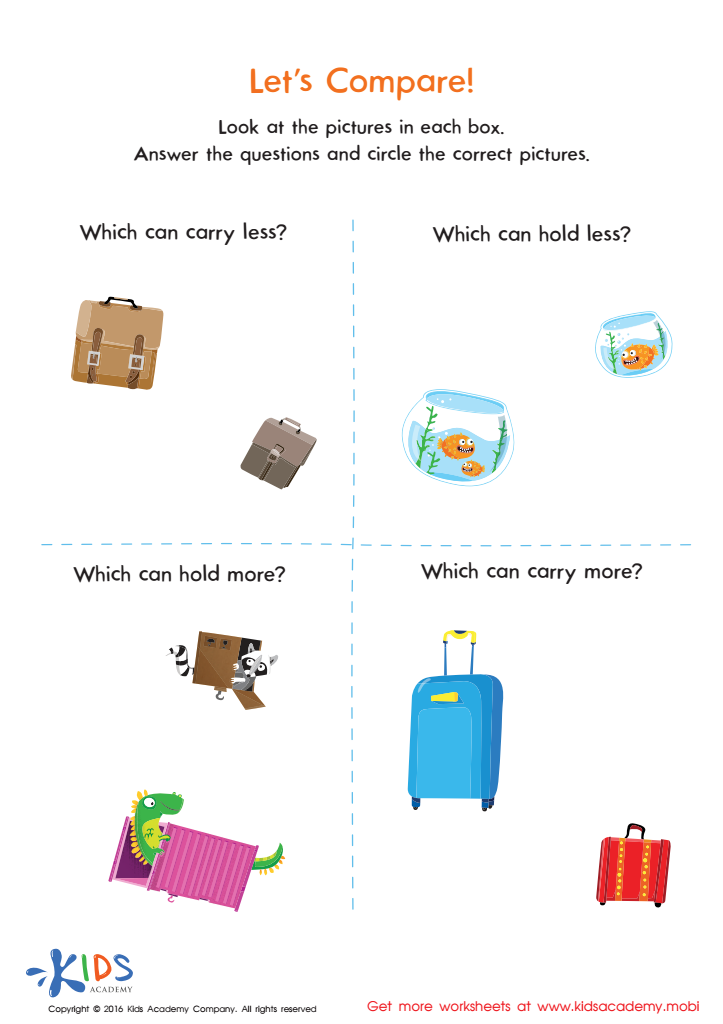
Let's Compare Worksheet: Big or Small
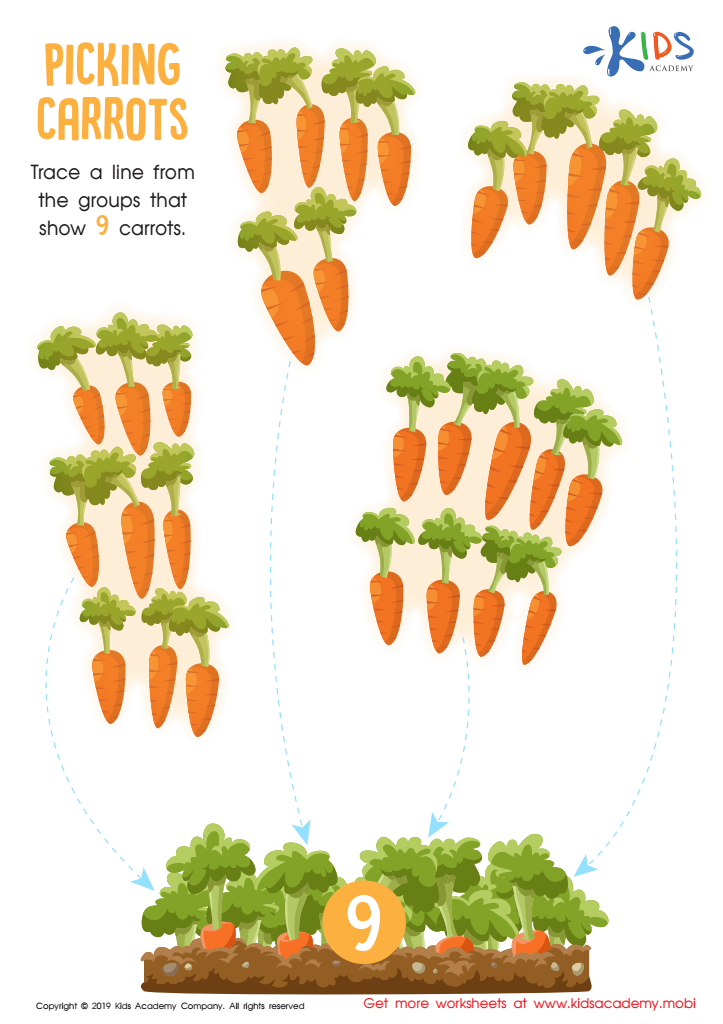
Picking Carrots Worksheet
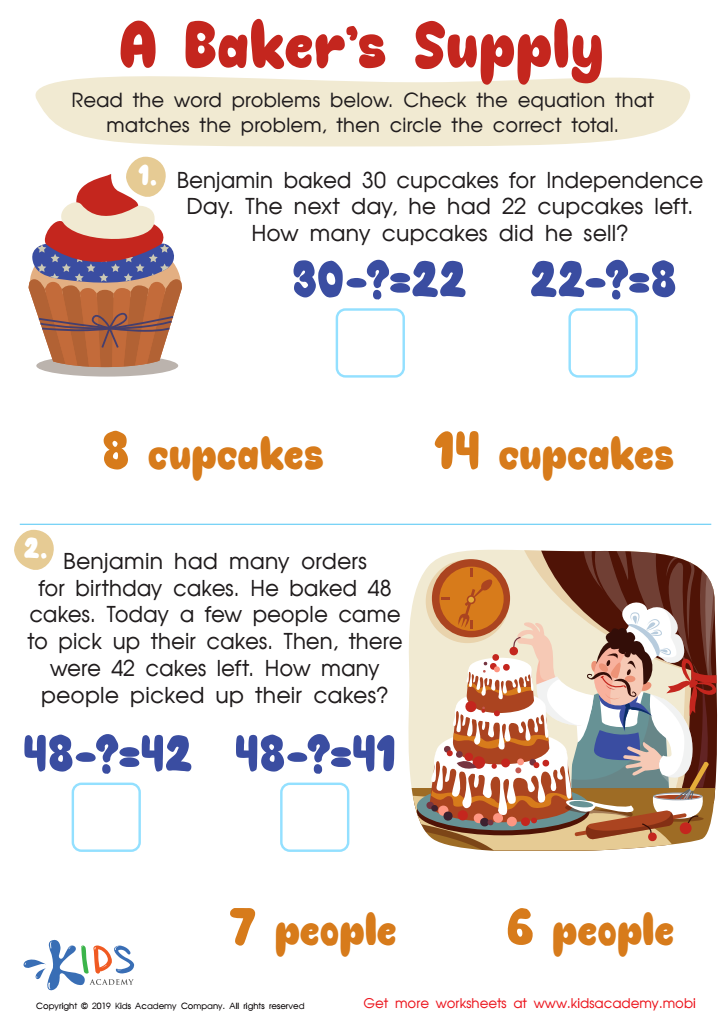
A Baker's Supply Worksheet
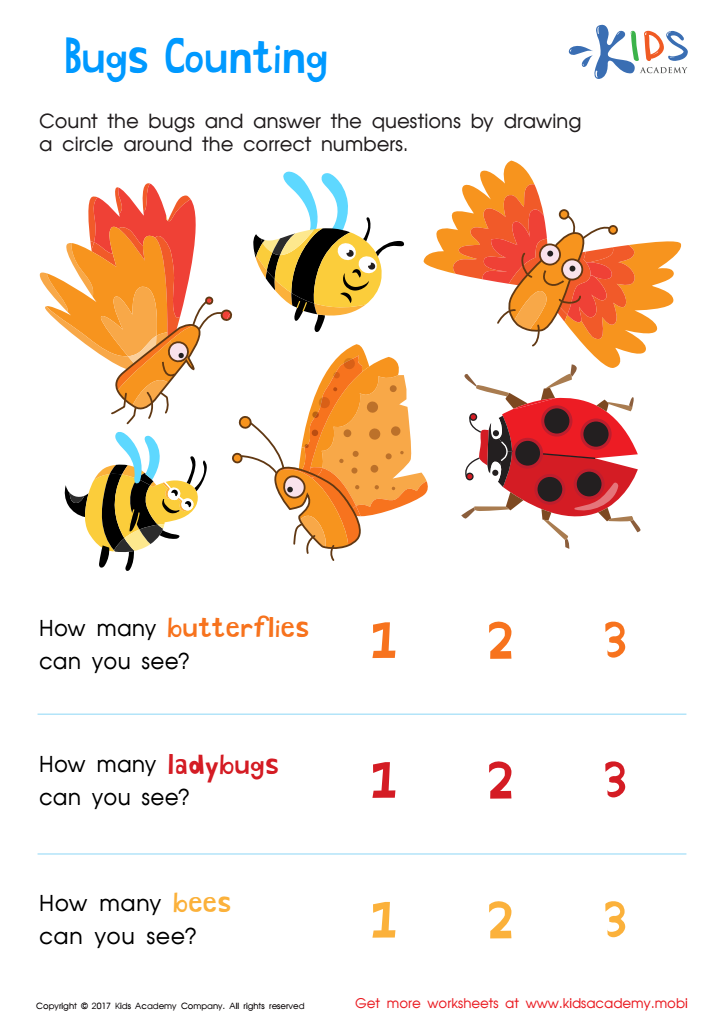
Bugs Counting Worksheet
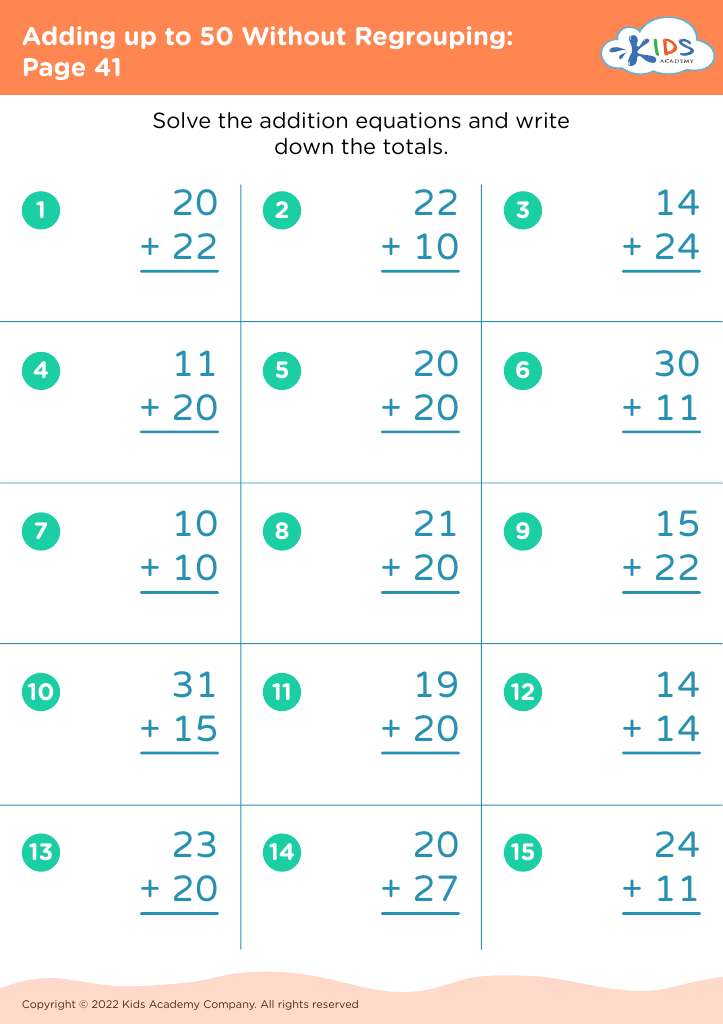
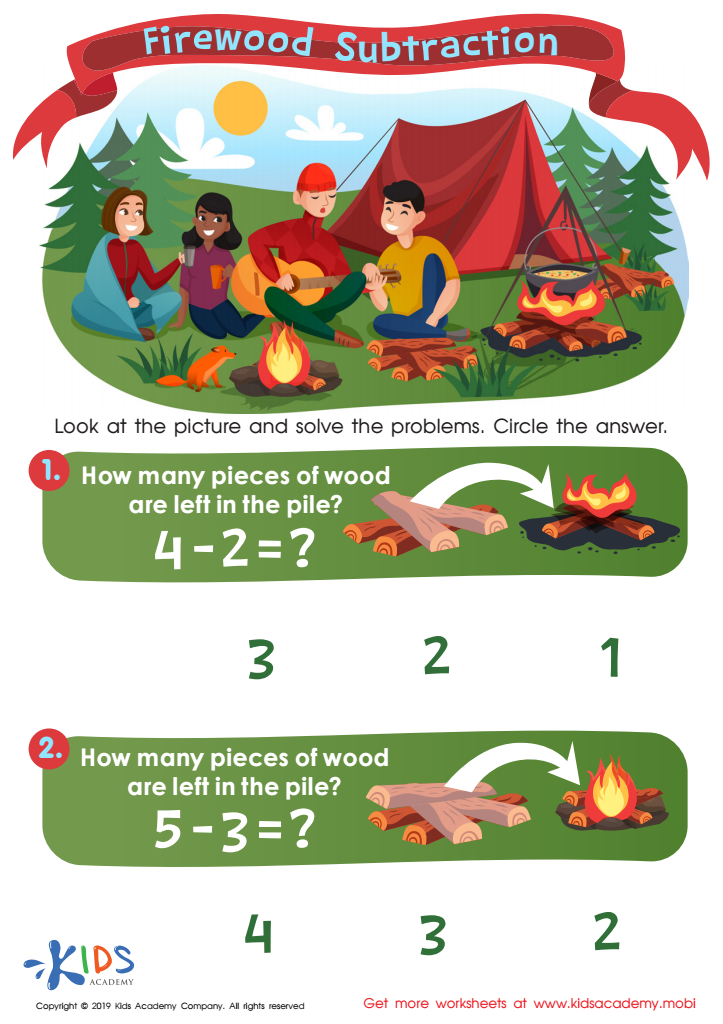
Firewood Subtraction Worksheet
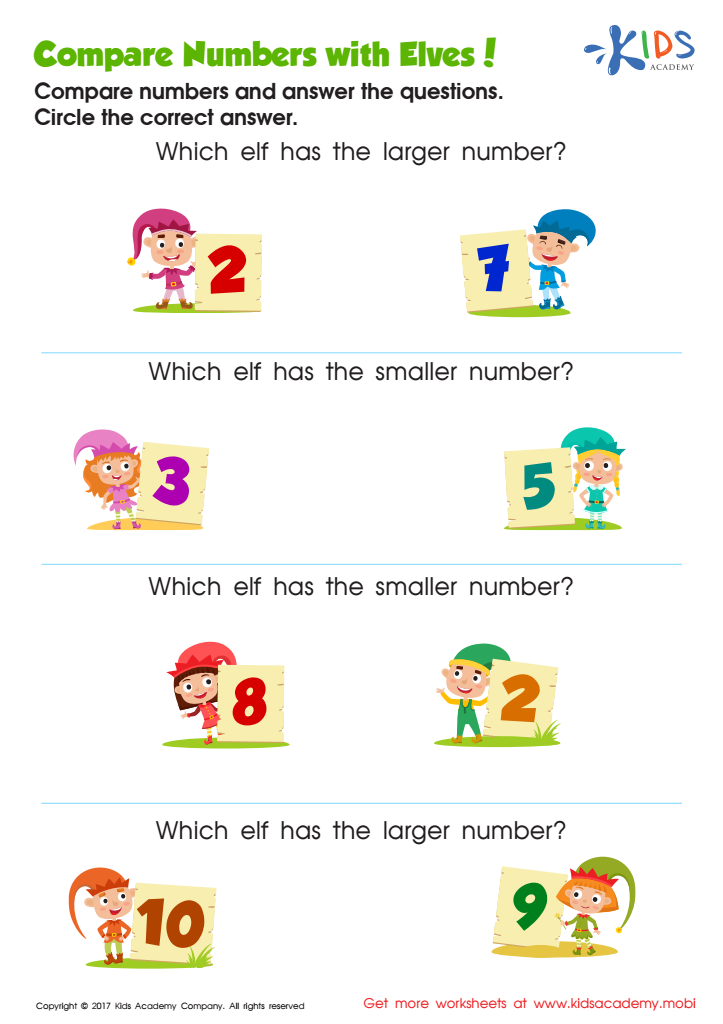
Comparing Numbers Worksheet for Kindergarten
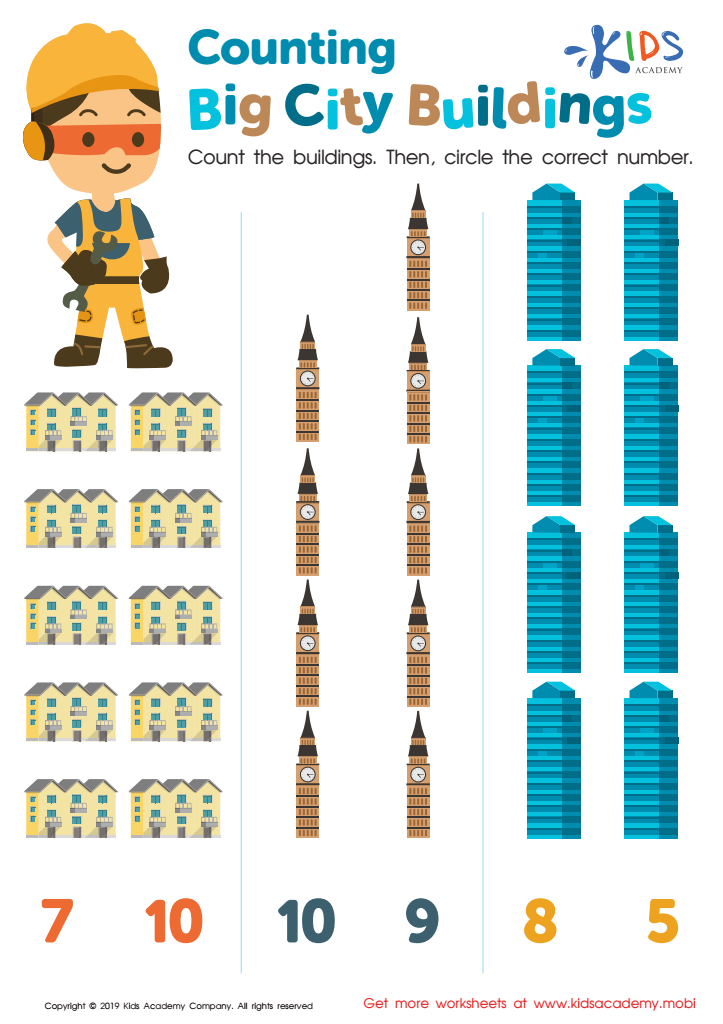
Counting Big City Buildings Worksheet
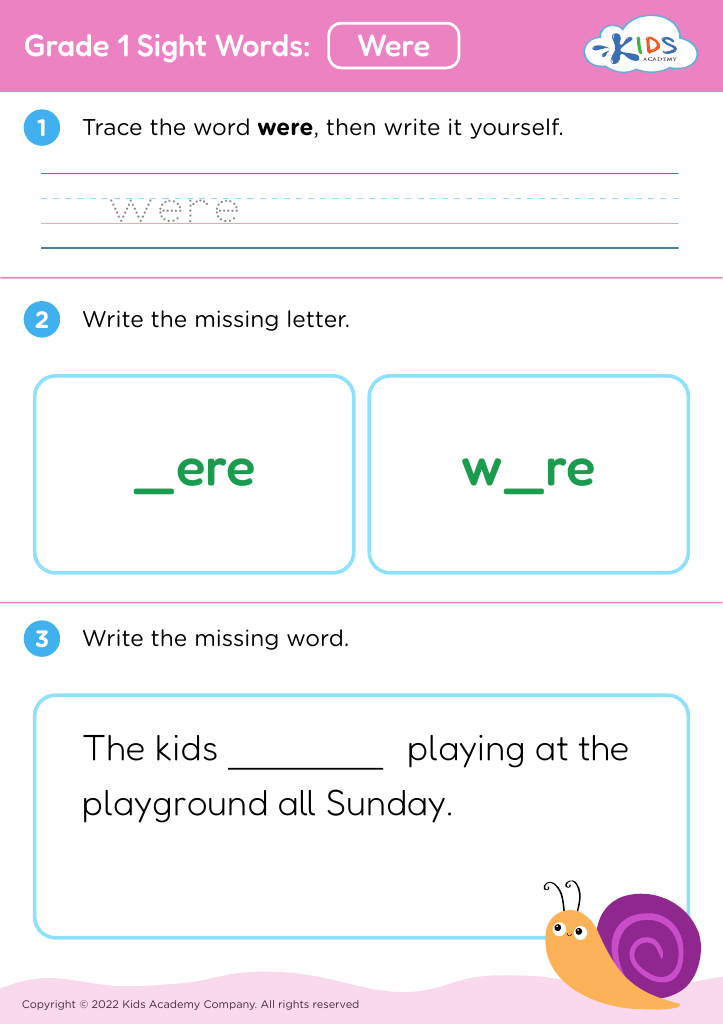






Understanding quantities is a fundamental building block for mathematical comprehension, particularly for children aged 6-8, a crucial developmental stage. During this period, students are introduced to basic arithmetic operations—addition, subtraction, multiplication, and division—making it essential for parents and teachers to emphasize quantity comprehension.
Grasping quantities aids in the domain of numeracy, allowing children to visualize and relate numbers to real-world contexts. This connection helps students solve practical problems, enhances their confidence in math, and fosters a positive attitude towards learning. When parents and teachers focus on understanding quantities, they lay the groundwork for more advanced concepts, such as fractions, ratios, and measurement challenges that children will encounter later in their education.
Moreover, the ability to estimate and compare quantities supports critical thinking and decision-making. As children engage in activities that involve grouping, counting, and measuring, they develop not just numerical skills but also cognitive skills that are imperative for daily life and future academic success.
Encouraging conversations about quantities at home and in the classroom can create a richer learning environment. Ultimately, when adults invest time and effort into teaching this concept, they equip children with essential competencies for lifelong learning and problem-solving.








