Understanding symmetry Worksheets for Ages 6-8 - Page 2
37 filtered results
-
From - To
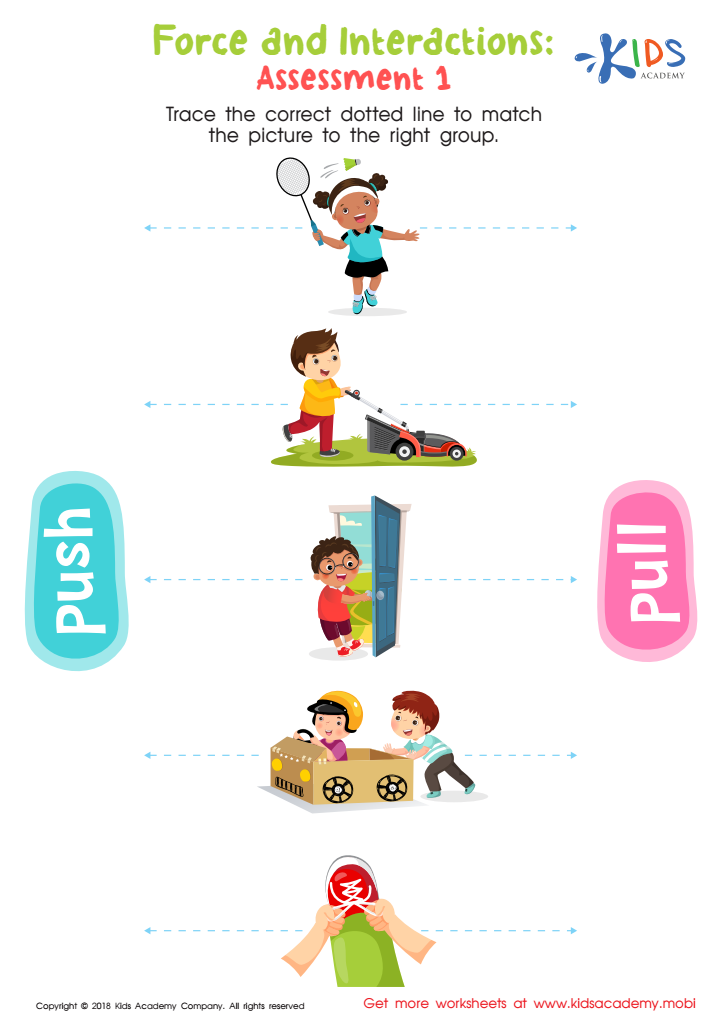
Force and Interactions: Assessment 2 Worksheet
 Assign to My Students
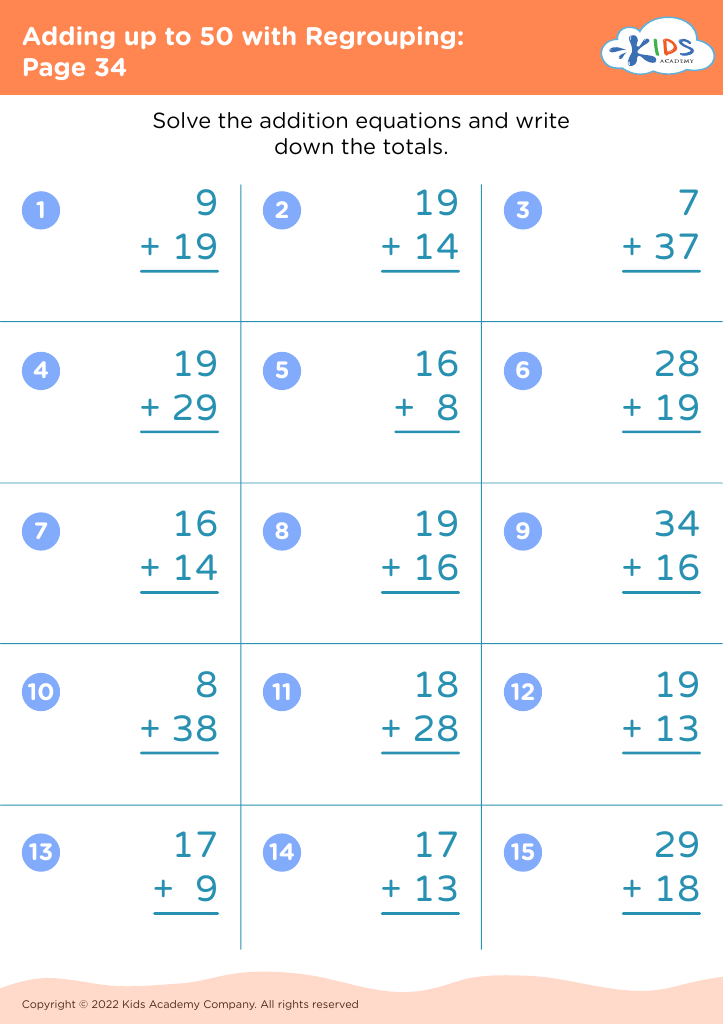
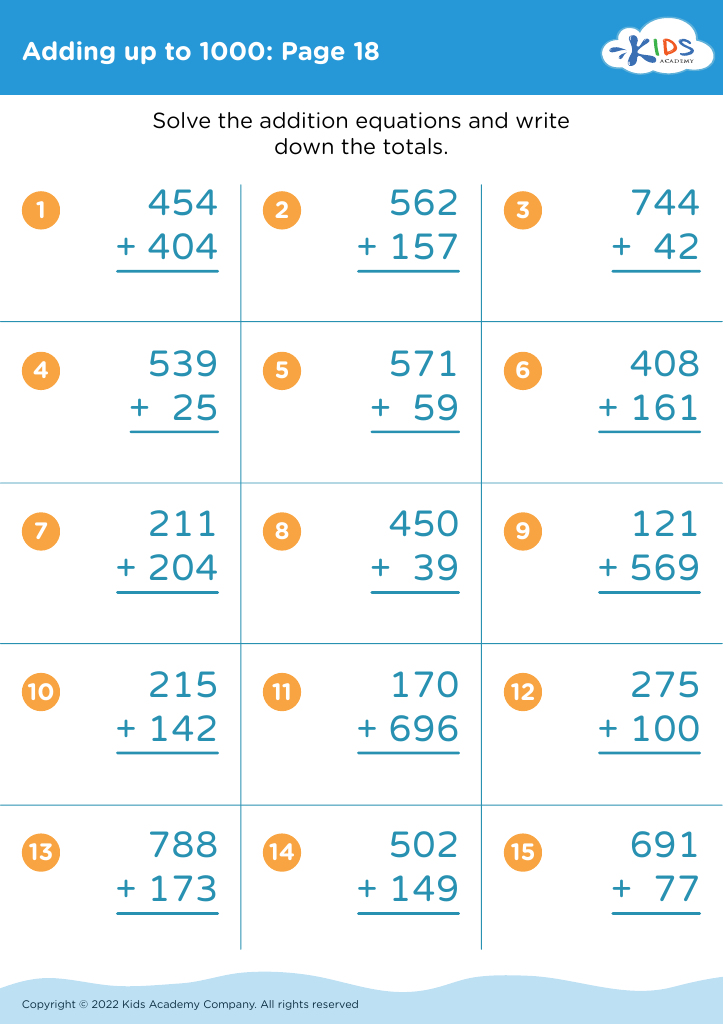
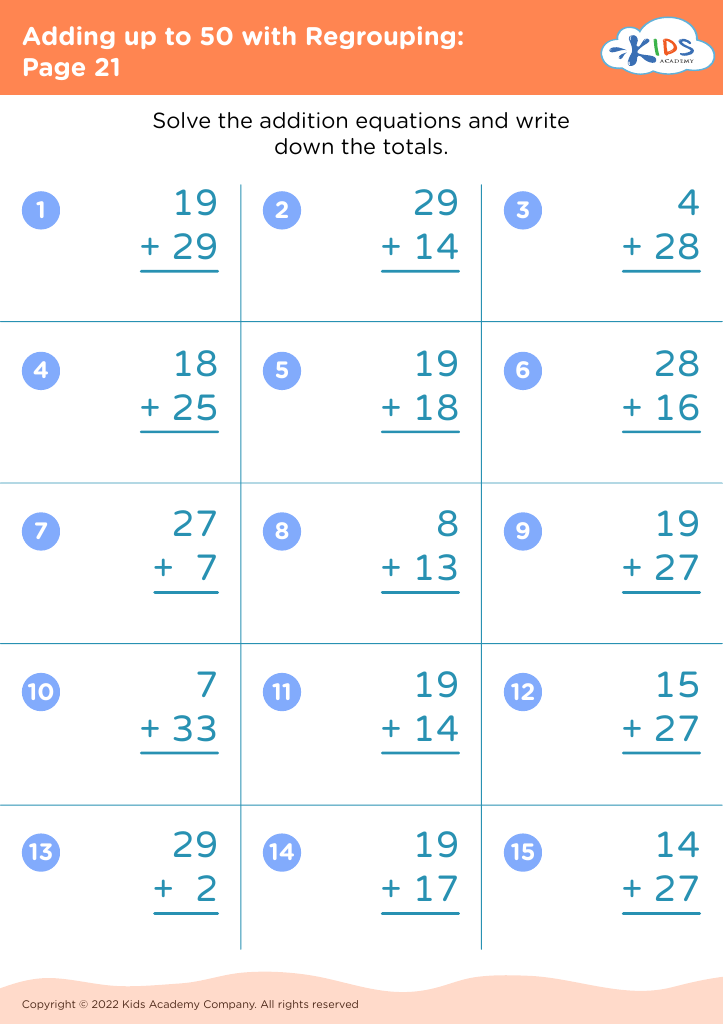
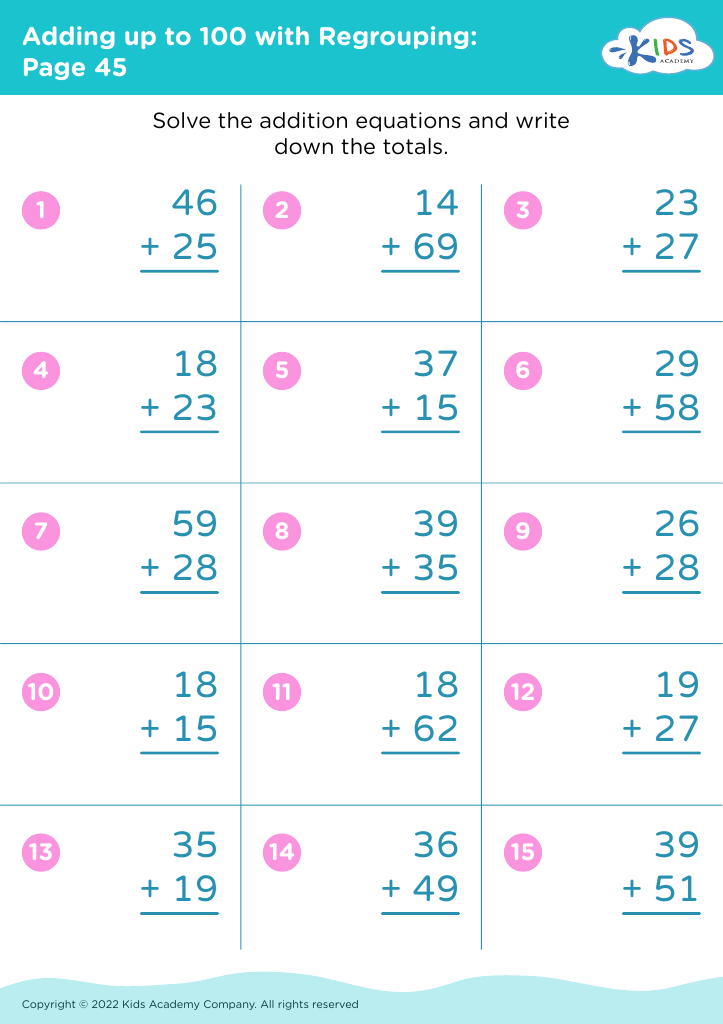
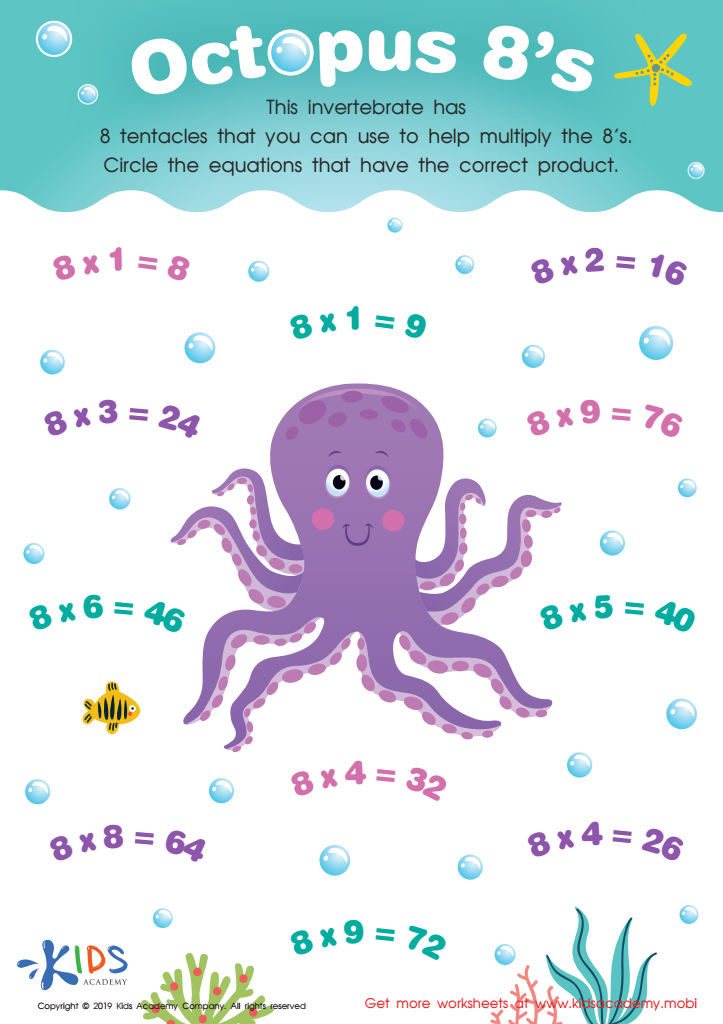
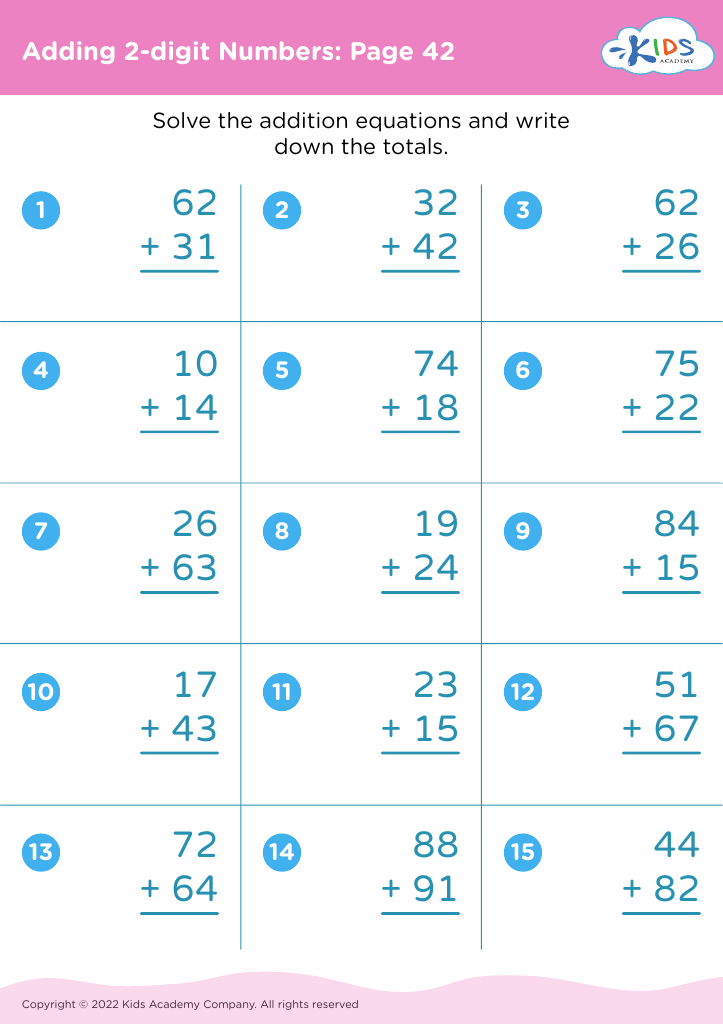
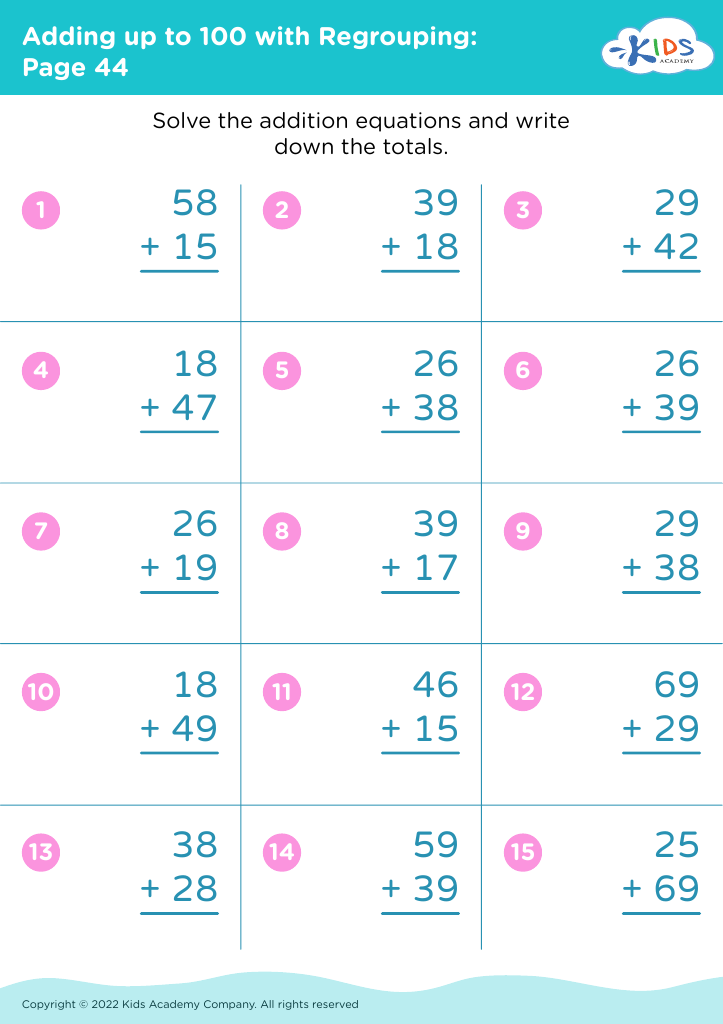
Octopus 8’s Worksheet


.jpg)



Understanding symmetry is crucial for children aged 6-8 for several reasons. First, it fosters cognitive development. Recognizing symmetrical patterns helps improve problem-solving and critical-thinking skills, enabling children to make connections between various concepts—like shapes, art, and nature.
Secondly, symmetry enhances spatial awareness, a foundational skill in math and science. Children will encounter symmetry in geometry and even in everyday life, making it essential for tasks ranging from organizing objects to understanding more complex concepts in later grades.
Additionally, engaging with symmetry promotes creativity. Art projects that incorporate symmetry encourage self-expression while boosting fine motor skills as children draw, paint, or collage. This creative exploration often leads to a deeper appreciation of both beauty and mathematics, merging two seemingly disparate subjects.
Finally, understanding symmetry aids in early math fluency, building a strong base for concepts like fractions, patterns, and equations, which will be vital in their academic journey. By emphasizing symmetry, parents and teachers can ensure children not only grasp fundamental mathematical ideas but also develop a well-rounded skill set that prepares them for more advanced learning. Investing in this understanding sets the foundation for success in school and beyond.








