Visual recognition Worksheets for Ages 6-8
8 filtered results
-
From - To
Enhance your child's learning experience with our engaging Visual Recognition Worksheets designed specifically for ages 6-8. These interactive worksheets help young learners develop essential skills in identifying shapes, colors, patterns, and more. By engaging in fun activities, children will improve their visual discrimination abilities, which are crucial for reading and math. Our printable resources are designed with colorful illustrations and age-appropriate challenges, ensuring that children stay motivated and excited while learning. Visit our website to explore a variety of worksheets that foster creativity and critical thinking, setting the foundation for lifelong learning success! Perfect for parents and educators alike!
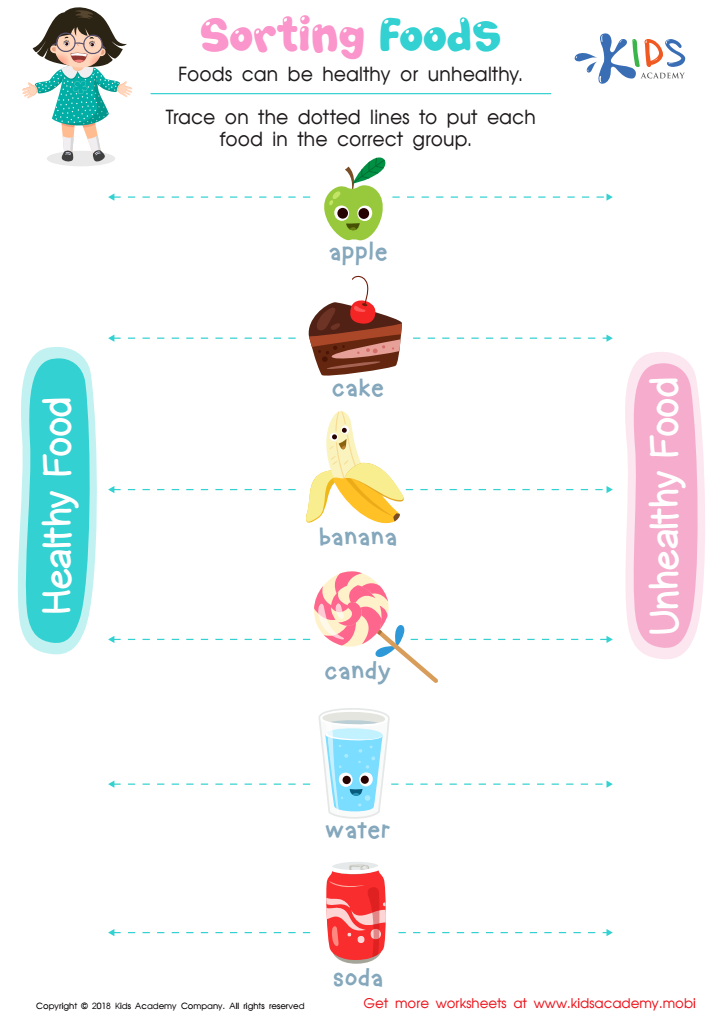
Sorting Food Worksheet
 Assign to My Students
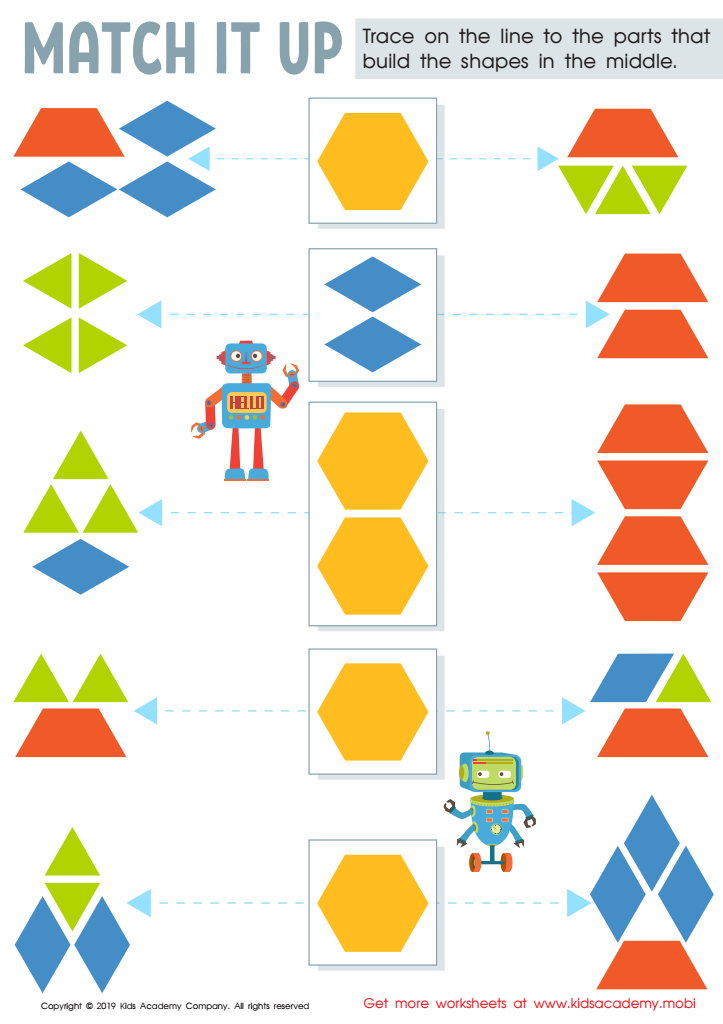
Match It up Worksheet
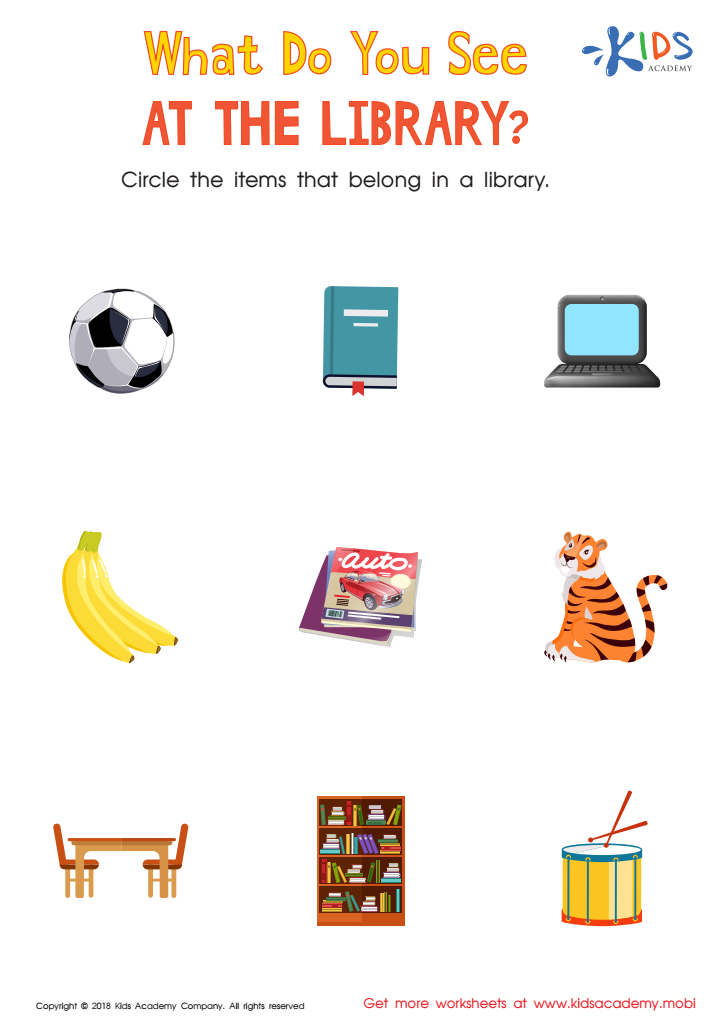
What Do you See at the Library? Worksheet
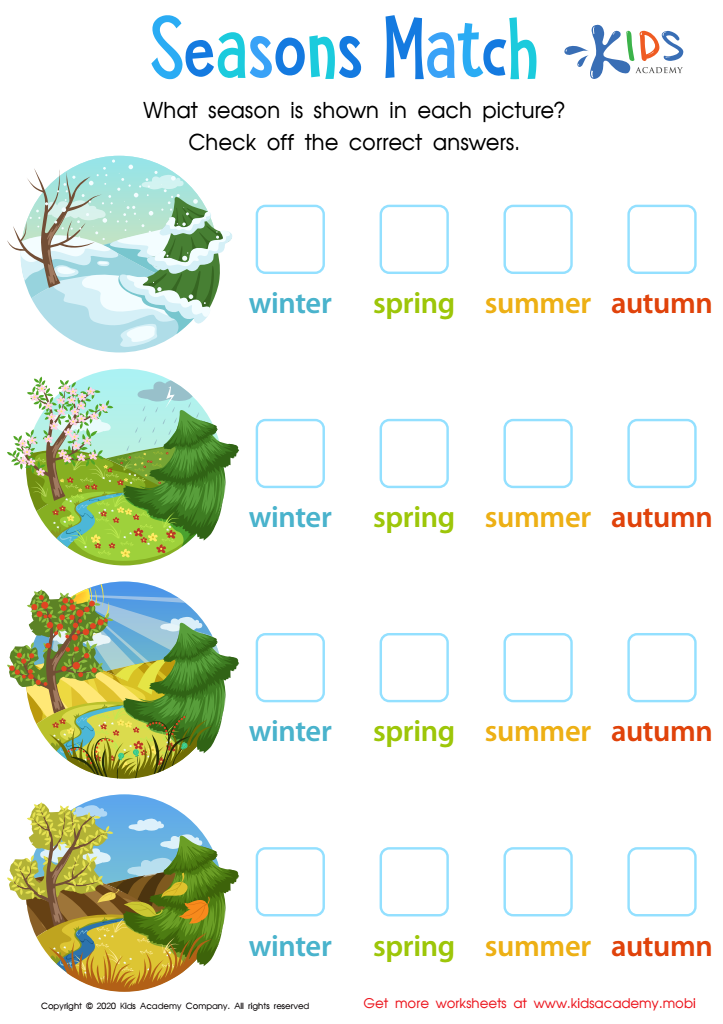
Seasons Match Worksheet
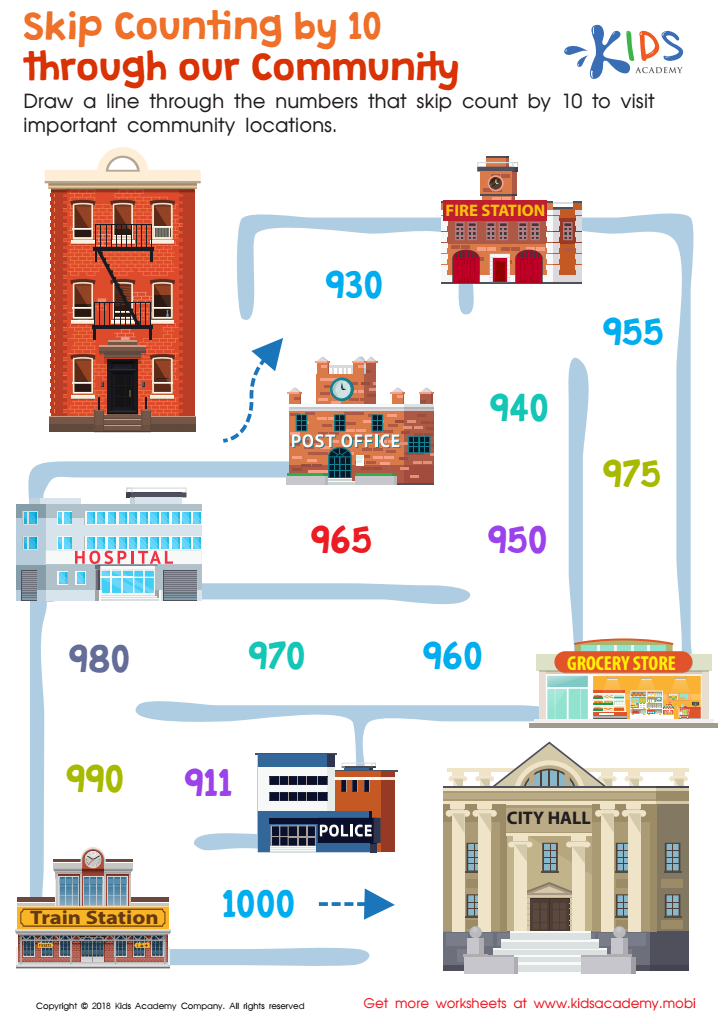
Skip Counting by 10 Through Our Community Worksheet
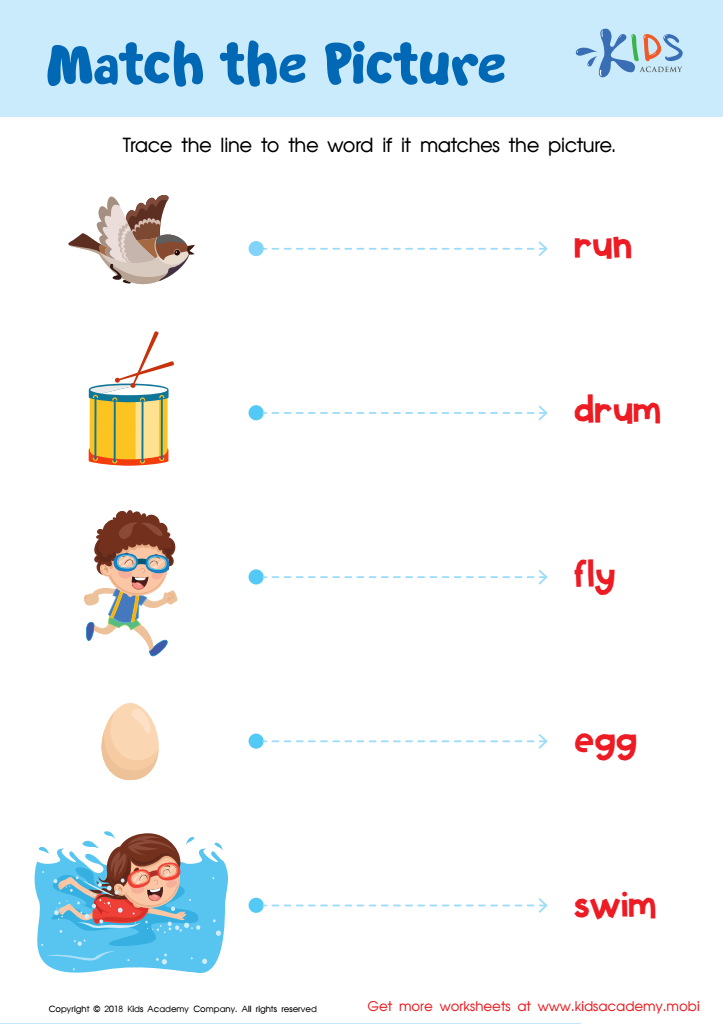
Match the Picture Worksheet
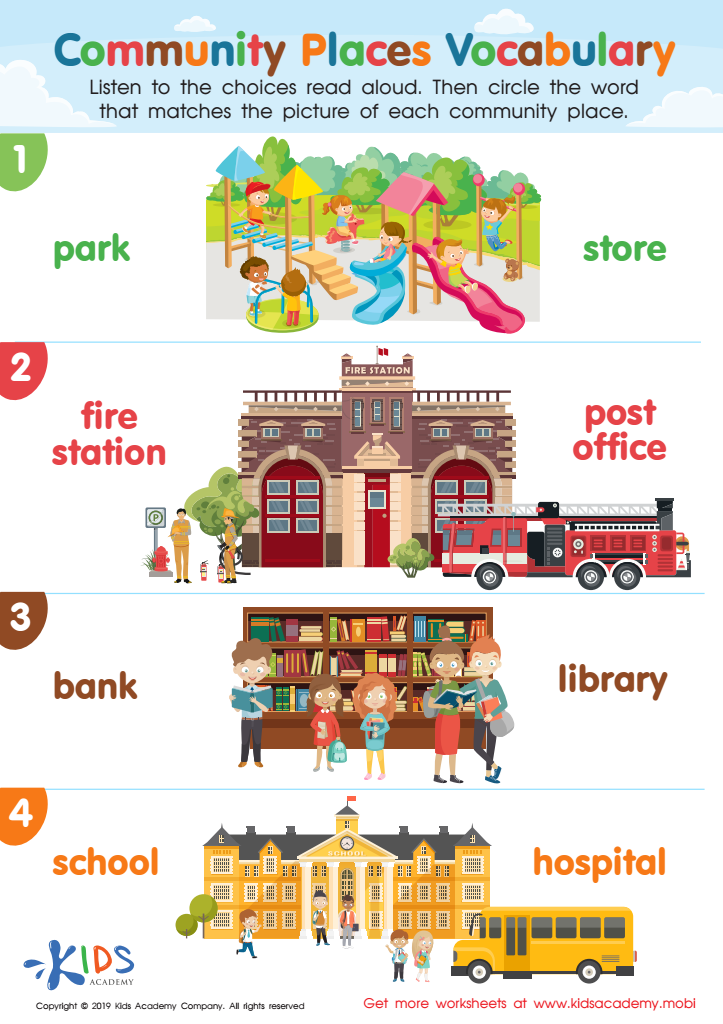
Community Places Vocabulary Worksheet








Visual recognition is a crucial skill for children aged 6-8, as it lays the foundation for their cognitive development, academic achievement, and everyday functioning. During this developmental stage, children refine their ability to identify letters, numbers, shapes, and colors, which are paramount for language acquisition and mathematical understanding. When parents and teachers prioritize visual recognition, they equip children with tools that enhance their reading skills, since letter and word recognition are fundamental for literacy.
Moreover, visual recognition supports critical thinking and problem-solving abilities. Children learn to analyze their environment, recognize patterns, and respond appropriately, skills that are essential in both academic settings and real life. Engaging in activities that promote visual recognition—such as puzzles, matching games, and illustrated books—can foster keen observation skills and enhance memory, boosting overall learning.
Assessing children's visual recognition skills also helps identify developmental delays or specific learning difficulties early on. Through targeted intervention, educators and parents can provide necessary support, ensuring every child develops at their own pace. In this digital age, visual literacy also emerges as a vital component, helping children interpret multimedia content they encounter daily. Therefore, understanding and supporting visual recognition is essential for holistic child development.








