Visual-spatial skills Worksheets for Ages 6-8
3 filtered results
-
From - To
Enhance your child's visual-spatial skills with our engaging worksheets designed specifically for ages 6-8. These activities are crafted to help young learners interpret and analyze visual information, improving their problem-solving abilities and creativity. Our printable worksheets focus on shapes, patterns, and spatial awareness, making learning fun and interactive. As children complete puzzles, mazes, and matching tasks, they will develop critical thinking and fine motor skills. Perfect for homeschooling or supplementary practice, these worksheets are an excellent resource for parents and educators aiming to foster cognitive development in early learners. Boost your child's confidence and understanding today!
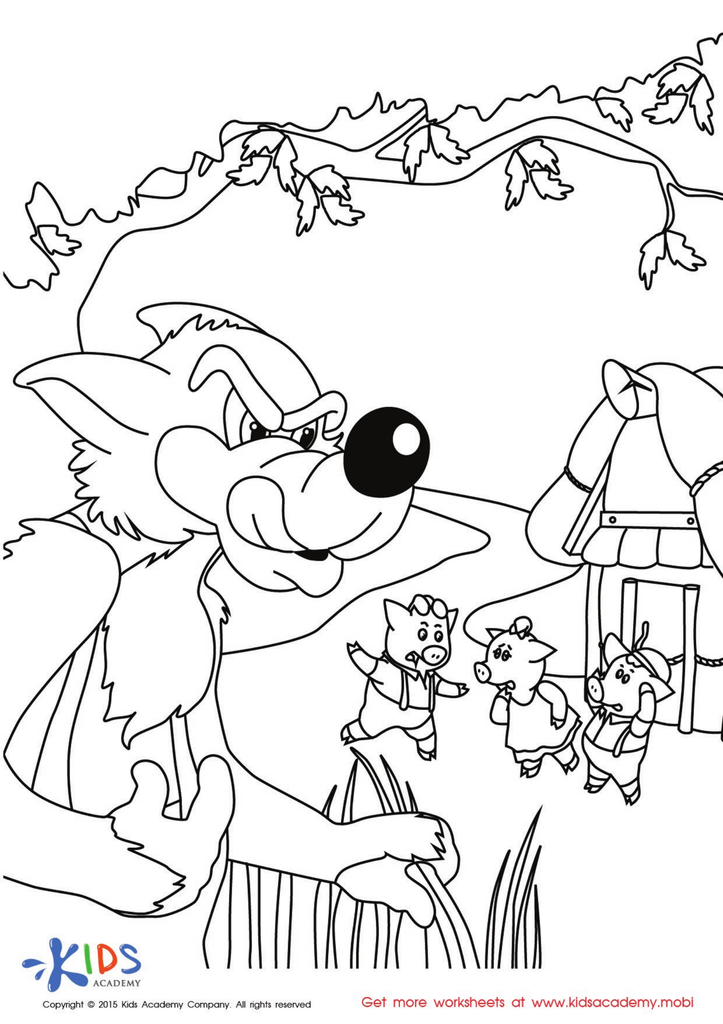
The Story of the Three Little Pigs Coloring Worksheet
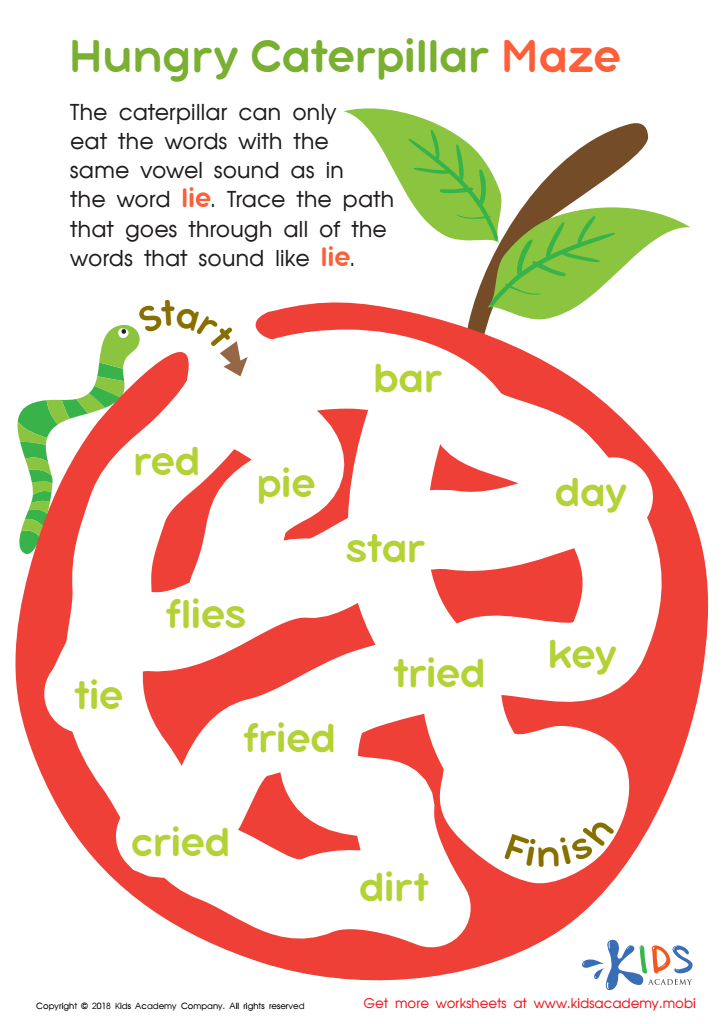
Hungry Caterpillar Maze Worksheet
 Assign to My Students
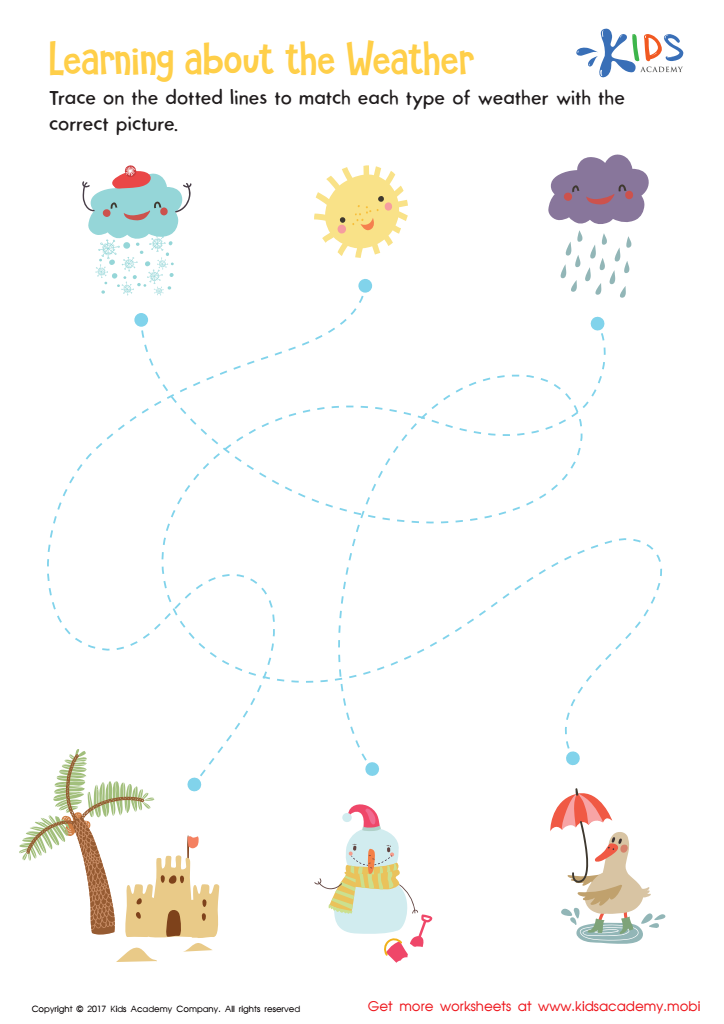








Visual-spatial skills are crucial for children ages 6-8 as they significantly impact academic performance and daily functioning. These skills refer to the ability to understand and manipulate visual information, such as recognizing shapes, understanding directions, and visualizing objects in different perspectives. For young learners, strong visual-spatial skills facilitate comprehension in subjects like mathematics and science, where understanding shapes, patterns, and spatial relationships is essential.
Additionally, nurturing these skills enhances problem-solving abilities and creativity. Children with well-developed visual-spatial skills can better interpret visual data, such as graphs and charts, and excel in areas like art and design. This confidence boosts their engagement and motivation in learning.
Moreover, visual-spatial skills are closely linked to fine motor skills, important for tasks like writing or using scissors. Teachers and parents can support development through engaging activities such as puzzles, building blocks, and games that require spatial awareness. Recognizing the importance of these skills and fostering them early can bridge the gap toward future academic success and personal growth, setting children on a path toward improved communication, reasoning, and analytical abilities throughout their education.








