Visualization skills Worksheets for Ages 6-8
3 filtered results
-
From - To
Enhance your child’s visualization skills with our engaging worksheets tailored for ages 6-8! Our collection offers a variety of fun and interactive exercises designed to boost creativity and imagination. These worksheets guide young learners in visualizing concepts, improving reading comprehension, and solving problems. By practicing these skills, children will build confidence in their abilities to interpret information and express their ideas visually. Perfect for home or classroom use, our worksheets make learning enjoyable and effective. Promote cognitive development and support your child’s educational journey with our specially crafted visualization skills worksheets—because every young mind deserves the tools for success!
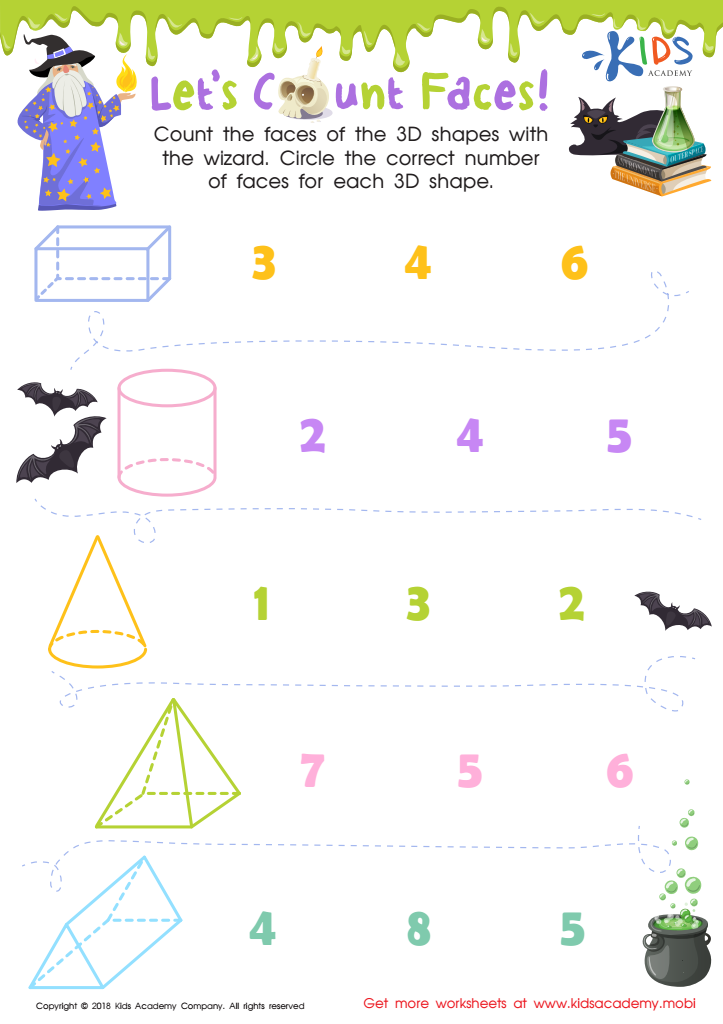
Let's Count Faces! Worksheet
 Assign to My Students
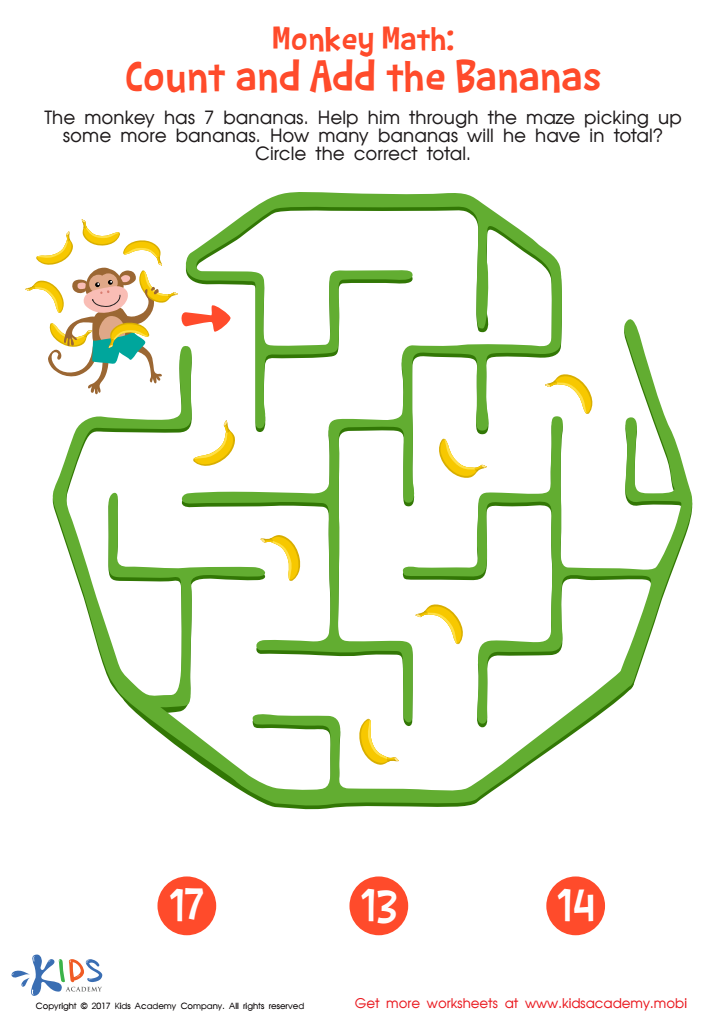
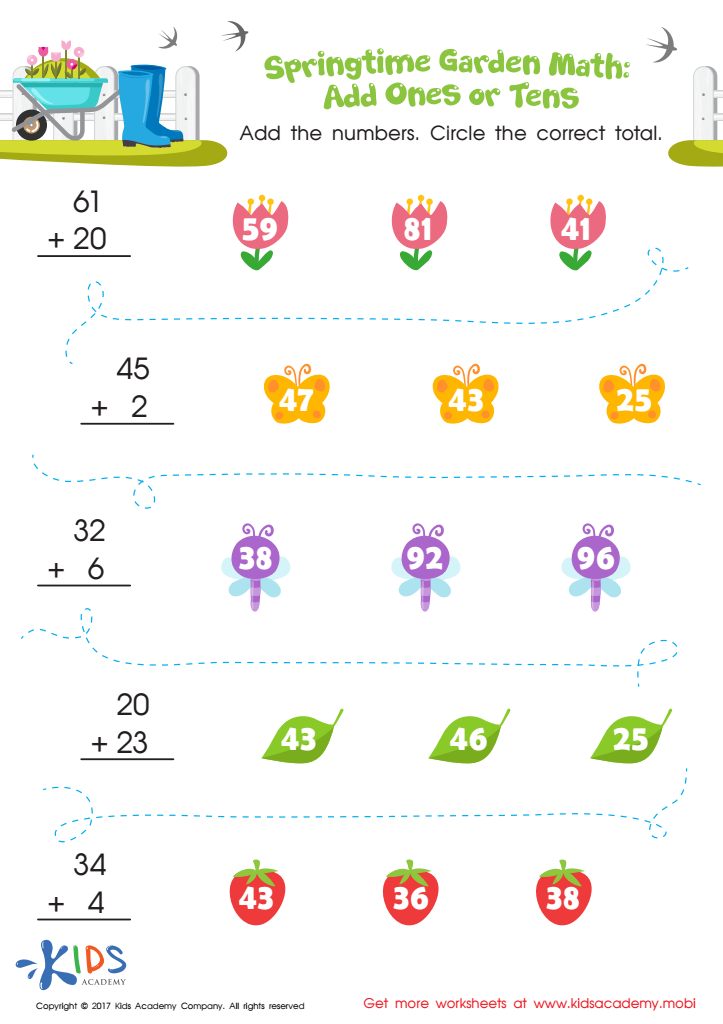
Springtime Garden Math Worksheet






Visualization skills are crucial for children aged 6-8 as they significantly influence academic success and cognitive development. During these formative years, children are transitioning from concrete thinking to abstract reasoning. Strong visualization abilities enable them to better understand complex concepts across subjects such as math, reading, and science. For instance, visualizing a story's setting or math problems can enhance comprehension and retention.
Furthermore, visualization aids in problem-solving and critical thinking. When children can create mental images, they become more adept at making connections, predicting outcomes, and exploring different perspectives. This skill also fosters creativity, allowing children to express themselves through art, storytelling, and innovative projects.
Moreover, fostering these skills contributes to increased confidence in academic and social situations. They become more engaged learners, easily grasping lessons and participating in discussions. Understanding the importance of visualization can help parents and teachers create environments rich in activities like drawing, storytelling, and interactive games that stimulate imagination and mental visualization.
Ultimately, prioritizing visualization skills in early education empowers children, setting a foundation for advanced learning, improved communication, and richer life experiences. Investing in these abilities translates to better academic performance and overall cognitive growth.








