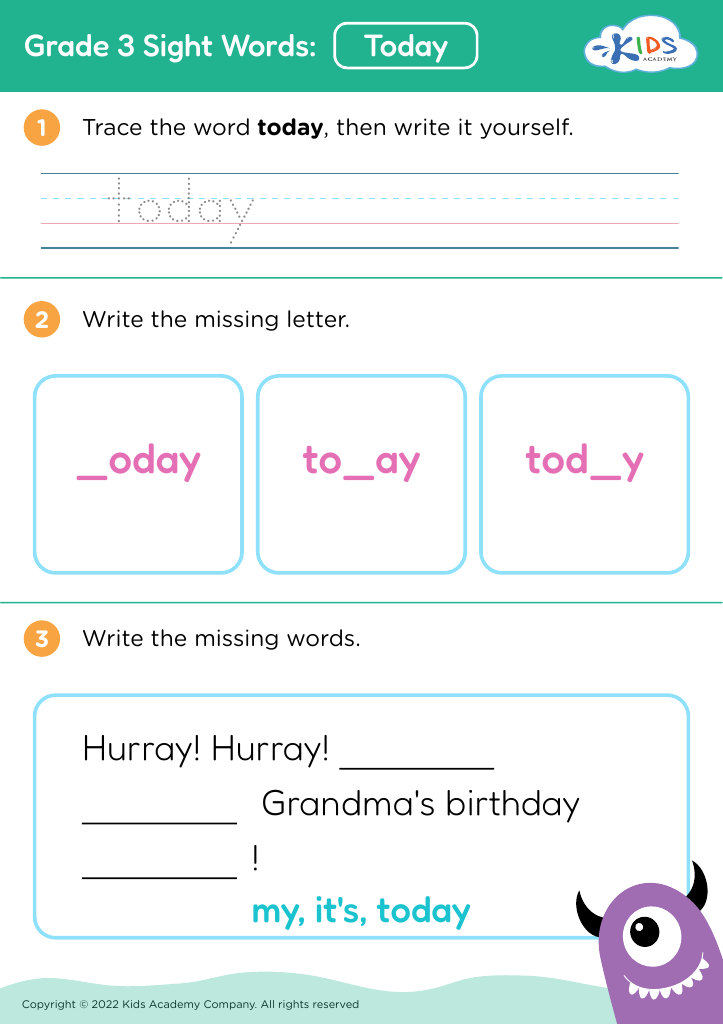
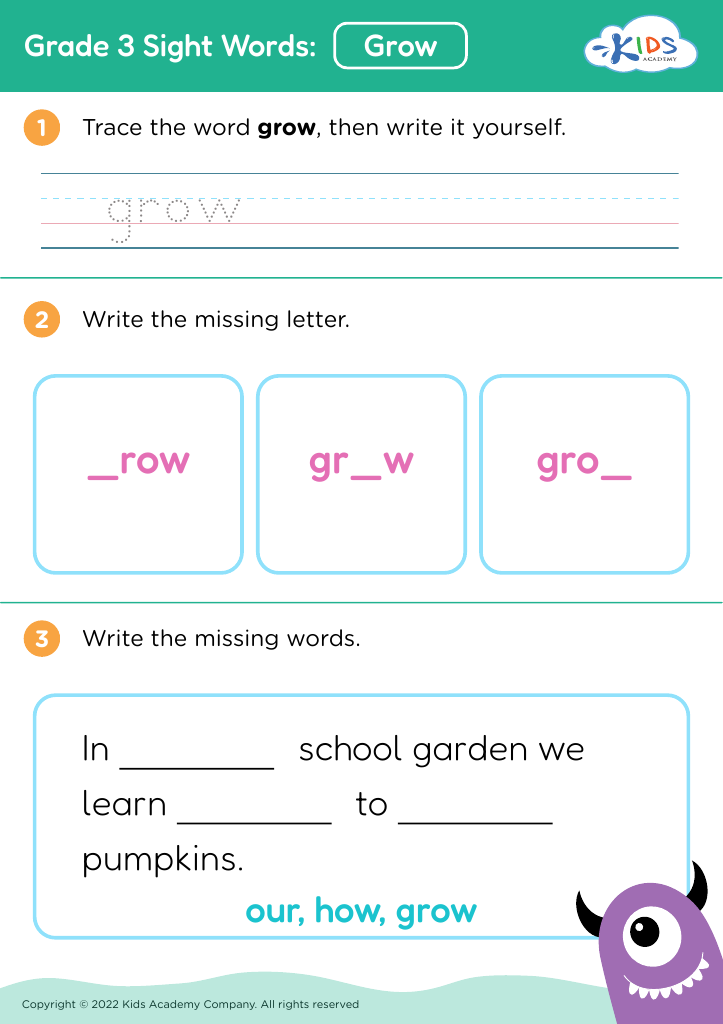









Vocabulary building is crucial for children ages 6-8 as it directly impacts their language development, academic success, and overall communication skills. During this critical developmental stage, children are exposed to a wider range of literature and concepts, making robust vocabulary essential for comprehension and expression. When they encounter new words, they are not only enhancing their communication abilities but also improving their critical thinking skills, as larger vocabularies allow for more nuanced understanding of texts and ideas.
Furthermore, vocabulary proficiency supports literacy skills. Research links a strong vocabulary to improved reading comprehension, which is foundational for learning across all subjects. Children who struggle with vocabulary often face challenges in understanding instructions, making it difficult for them to engage fully with their education.
Moreover, fostering a rich vocabulary contributes to a child’s self-confidence and social interactions. It enables them to express their thoughts, emotions, and opinions clearly, encouraging positive social relationships and collaboration with peers.
In conclusion, parents and teachers should prioritize vocabulary building for children ages 6-8 to ensure they develop essential communication skills, enhance their academic abilities, and foster social development, paving the way for lifelong learning and success.








