Writing practice Worksheets for Ages 6-8 - Page 2
28 filtered results
-
From - To
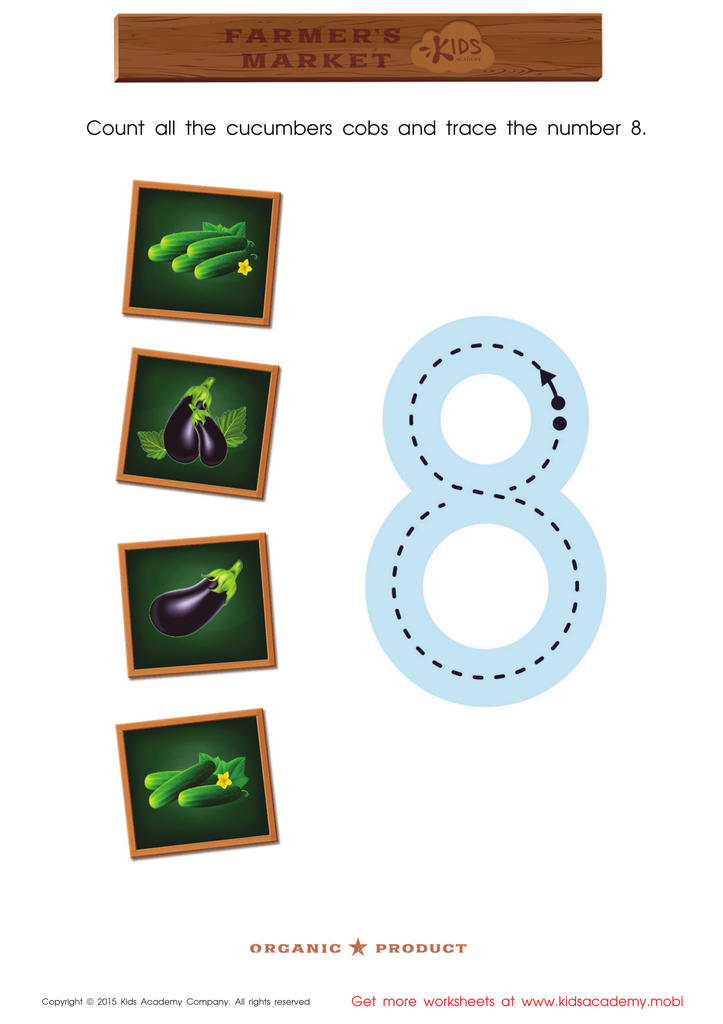
Count the Cucumbers and Trace the Number 8 Printable
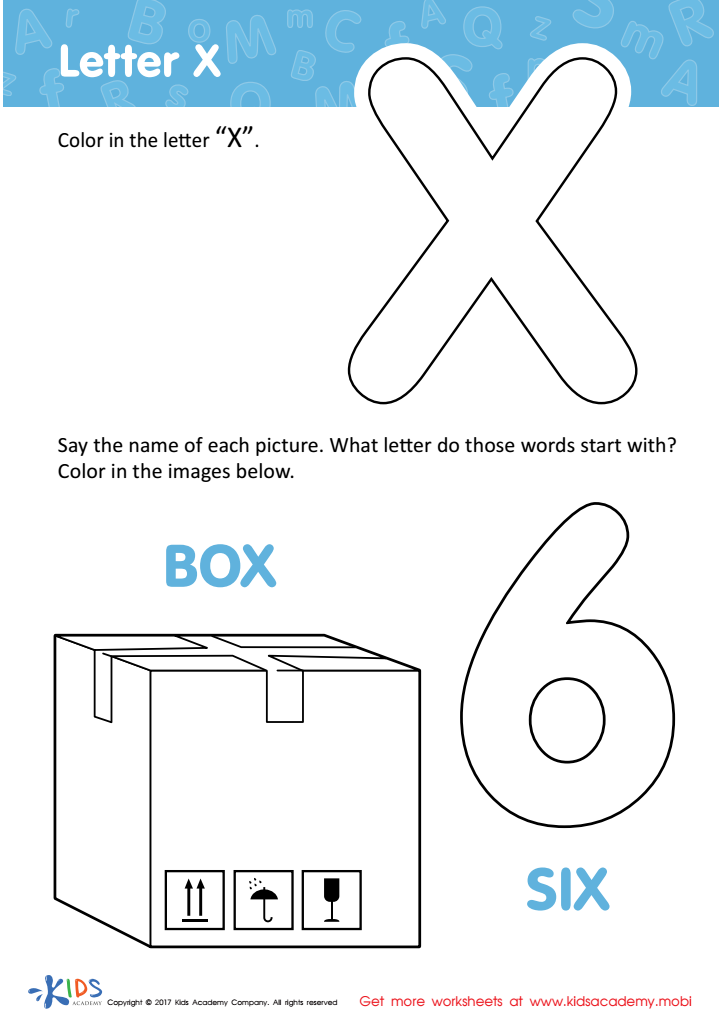
Letter X Coloring Sheet
 Assign to My Students
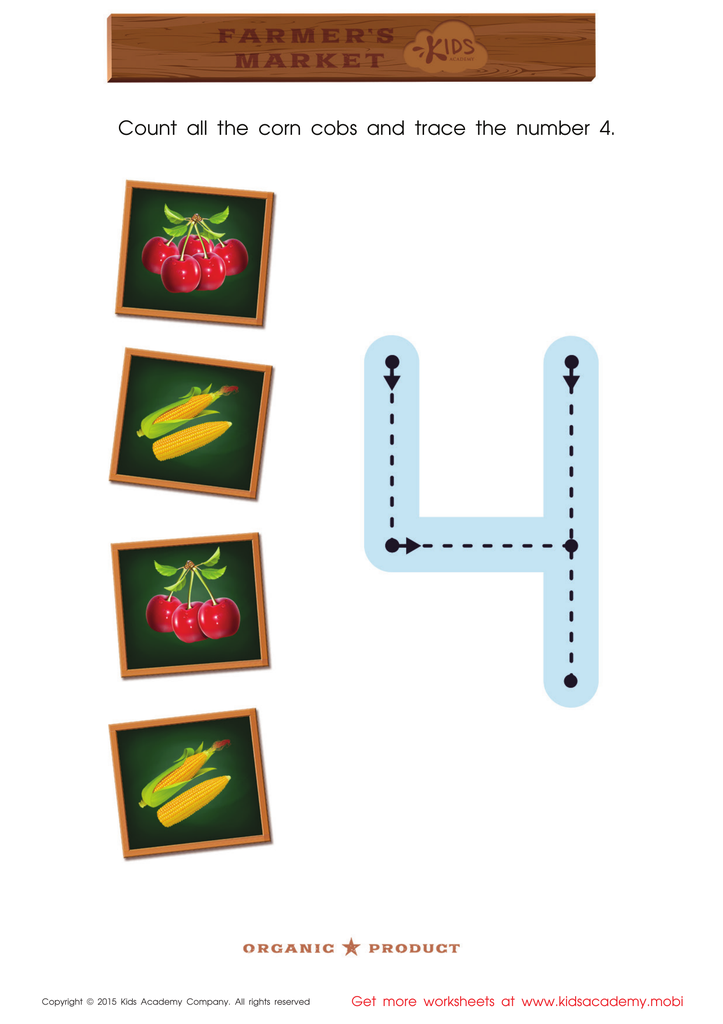
Count the Corncobs and Trace the Number 4 Worksheet






Writing practice is essential for children aged 6-8, as it dramatically impacts their overall academic development and personal expression. At this age, children are just beginning to refine their ability to articulate thoughts and ideas in written form. Engaging in writing practice helps them develop crucial literacy skills, enhance vocabulary, and improve comprehension. As they learn to structure their writing with proper grammar and punctuation, they build the foundation for effective communication, which is vital in their academic journey and later in life.
Moreover, writing fosters creativity and imagination, allowing children to explore their thoughts and feelings, express their opinions, and connect personal experiences with broader concepts. This self-expression nurtures emotional intelligence, boosting confidence and self-esteem as they see their ideas come to life on paper.
For parents and teachers, encouraging regular writing practice means investing in a child’s cognitive growth. It strengthens critical thinking and problem-solving skills, preparing them for more complex tasks as they progress academically. While it may seem simple, consistent writing practice is a pivotal tool that lays the groundwork for a child's future educational success and personal development. Thus, prioritizing this activity should be a communal effort!








