Addition Practice Addition & Subtraction Worksheets for Ages 6-8 - Page 5
102 filtered results
-
From - To
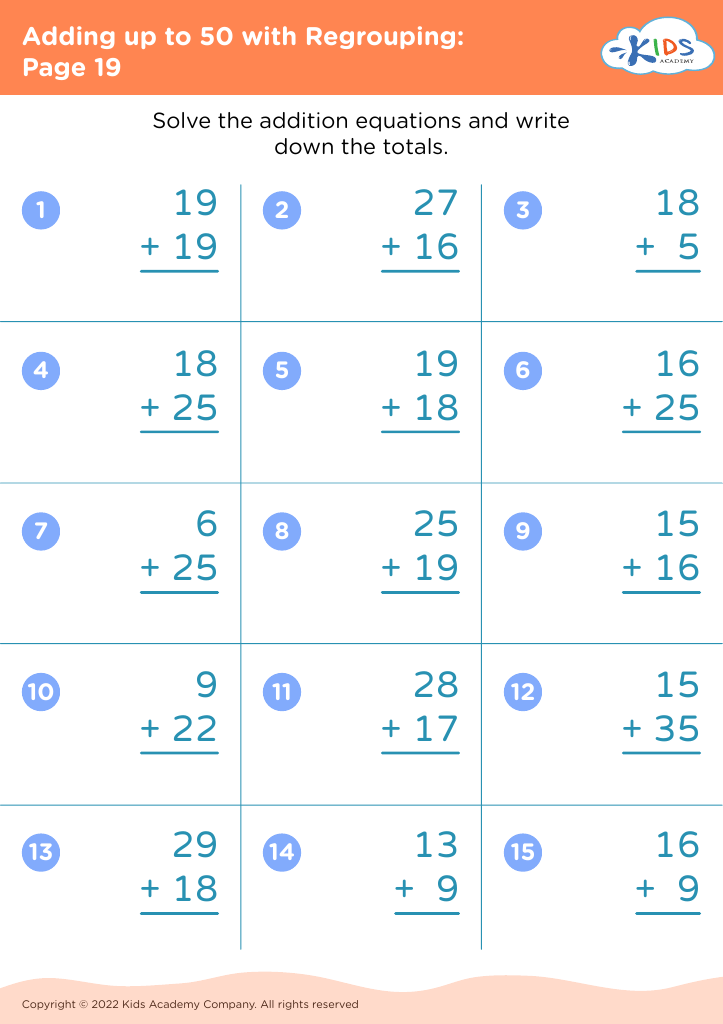
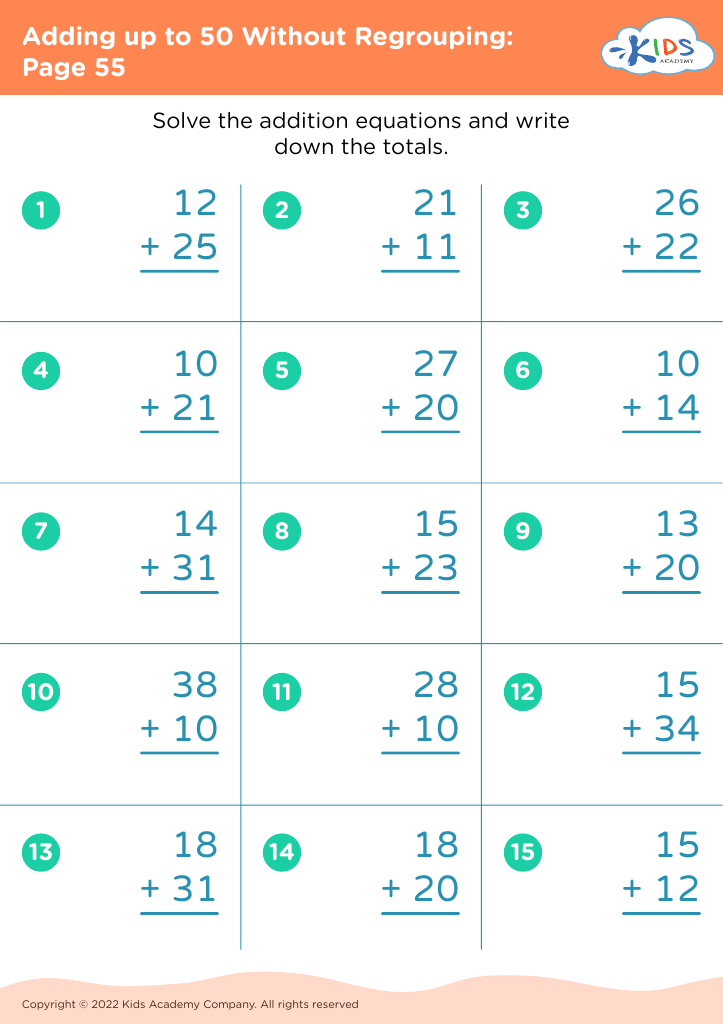
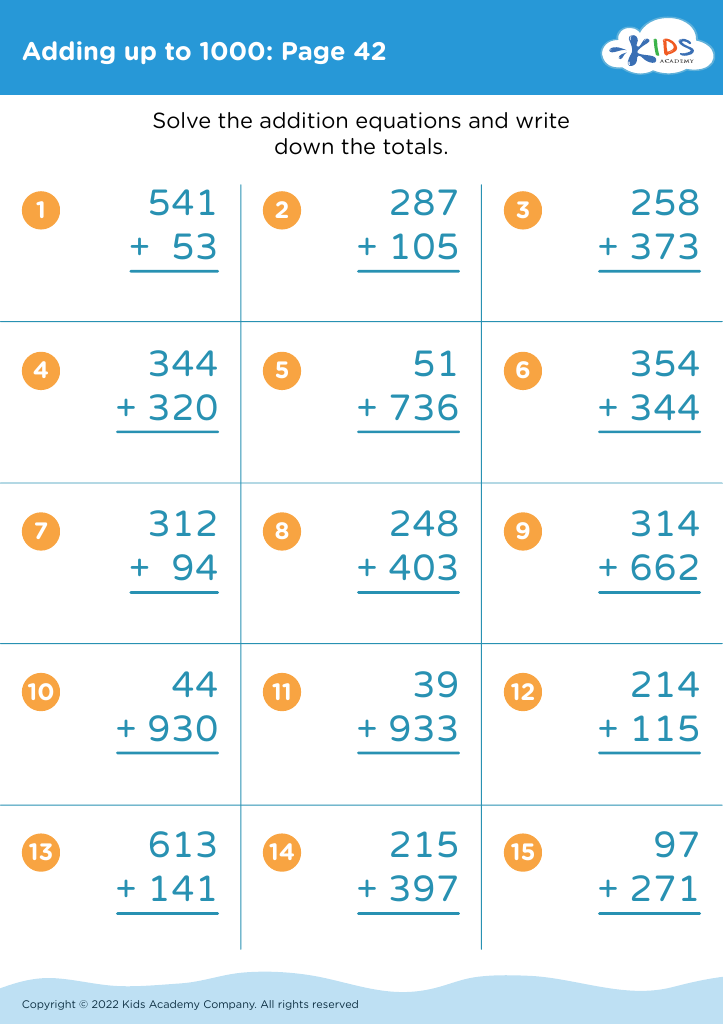
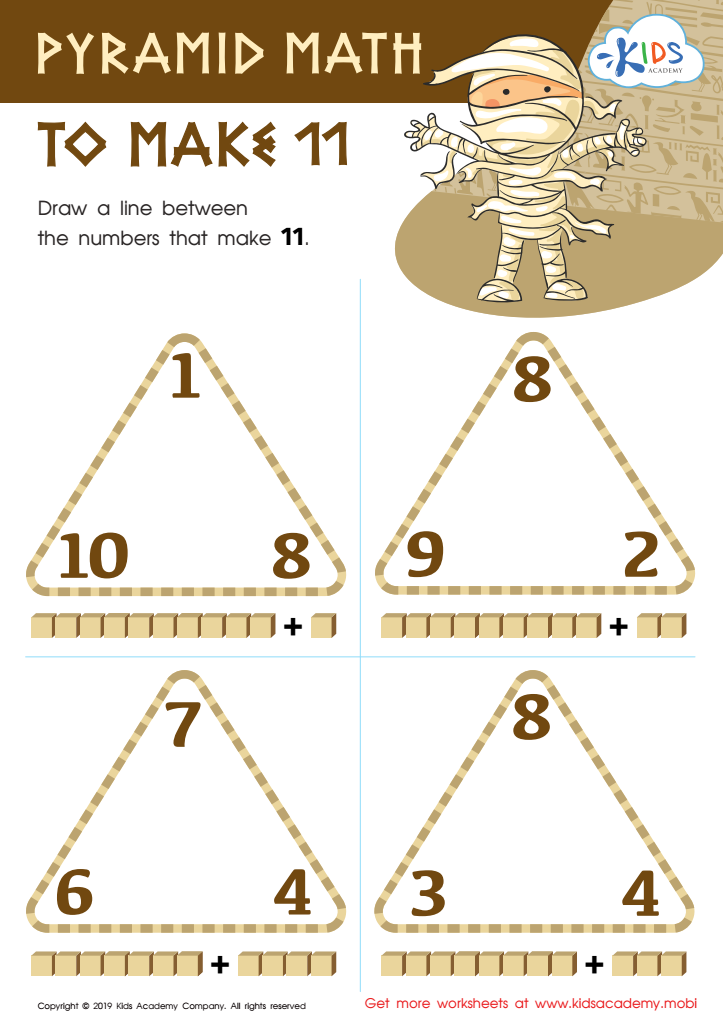
Pyramid Math to Make 11 Worksheet
 Assign to My Students
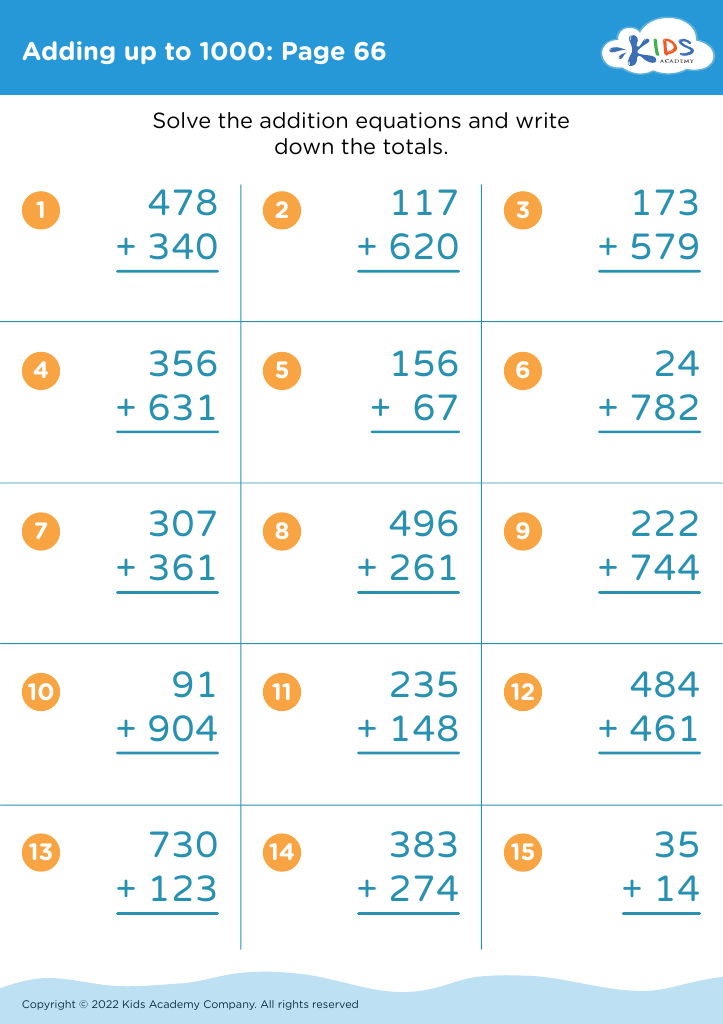
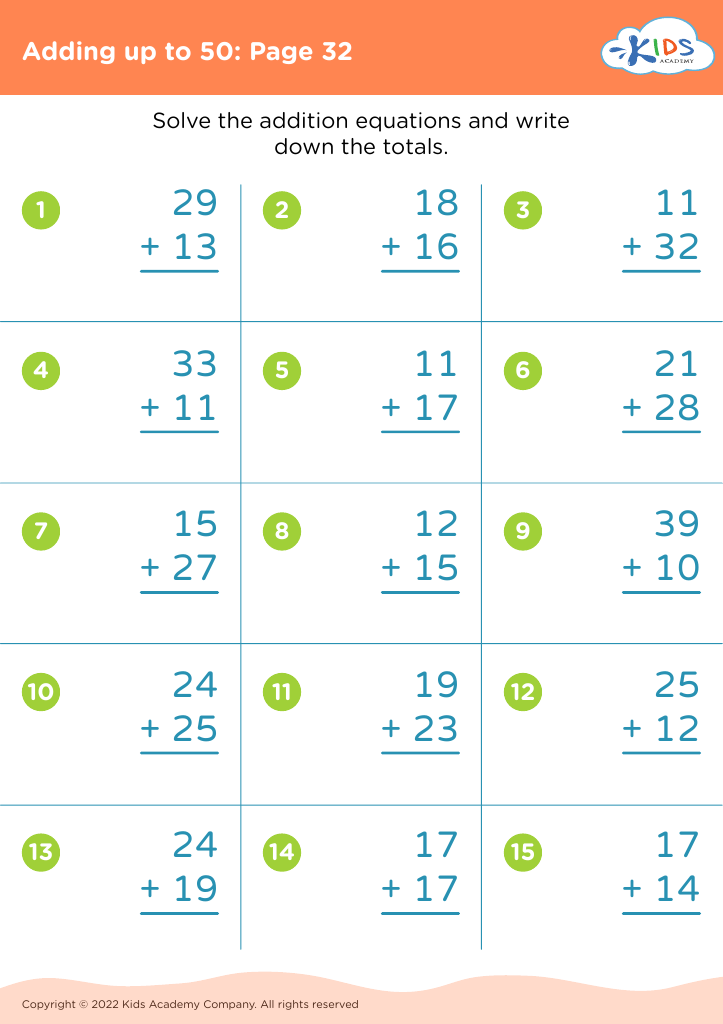








Parents and teachers should care about addition and subtraction practice for children aged 6-8 because these foundational math skills are crucial for overall academic success and everyday life. At this age, children are developing critical thinking and problem-solving abilities, and a solid grasp of addition and subtraction forms the building blocks for more advanced mathematical concepts, such as multiplication, division, and even algebra later on.
Regular practice helps reinforce number sense, enabling children to understand quantities and relationships between numbers. It boosts confidence as they gain fluency in these fundamental operations, setting a positive attitude towards math. Further, consistent reinforcement can help identify areas where students may struggle, allowing for timely intervention and support.
Aside from academic implications, addition and subtraction skills are essential for real-life situations, from budgeting pocket money to measuring ingredients for cooking. Engaging children with fun activities or games strengthens their skills and fosters a love for mathematics. When parents and teachers prioritize this practice, they empower children to succeed academically while developing essential life skills. Investing time in honing these skills now ensures a solid mathematical foundation for future learning.








