
Alphabet Recognition Addition & Subtraction Worksheets for Ages 6-8
4 filtered results
Difficulty Level
Grade
Age
-
From - To
Subject
Activity
Standards
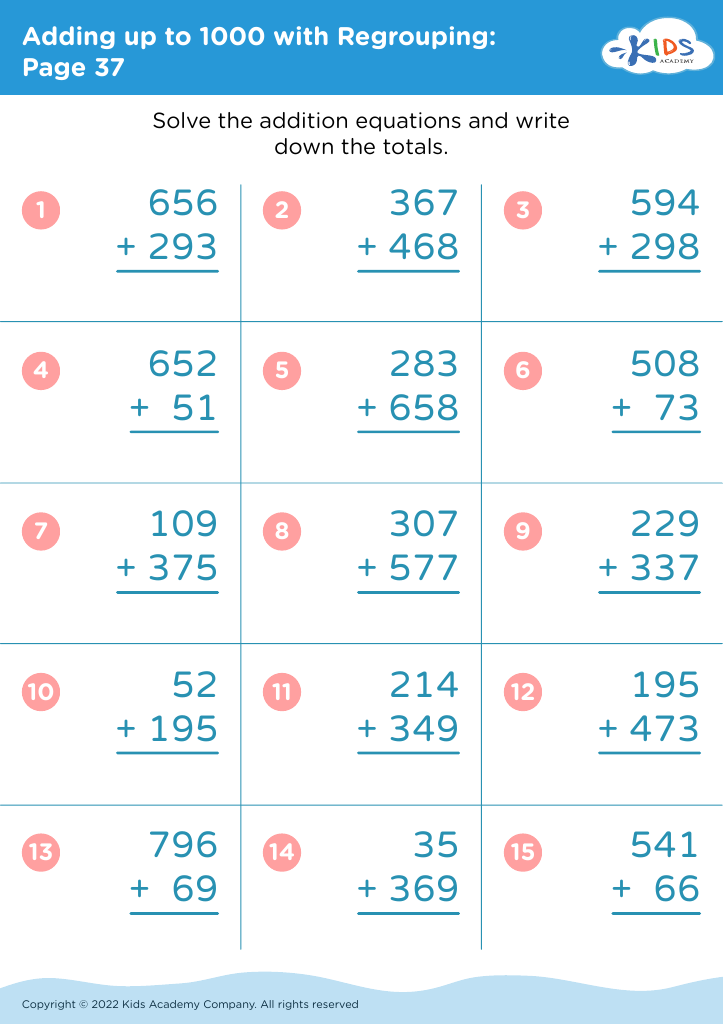
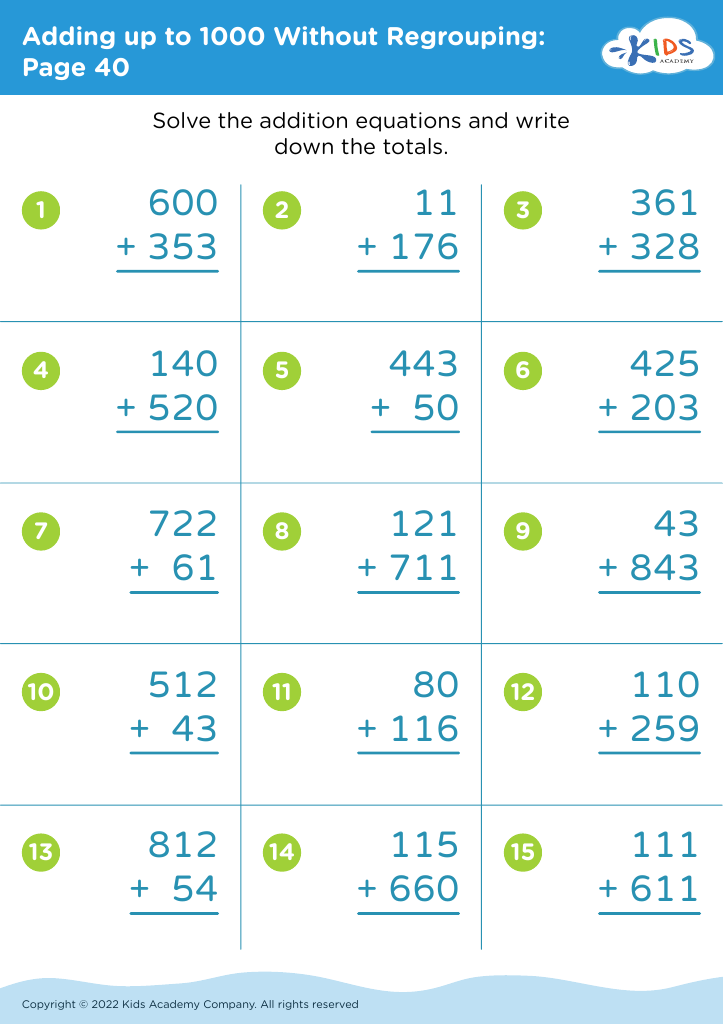
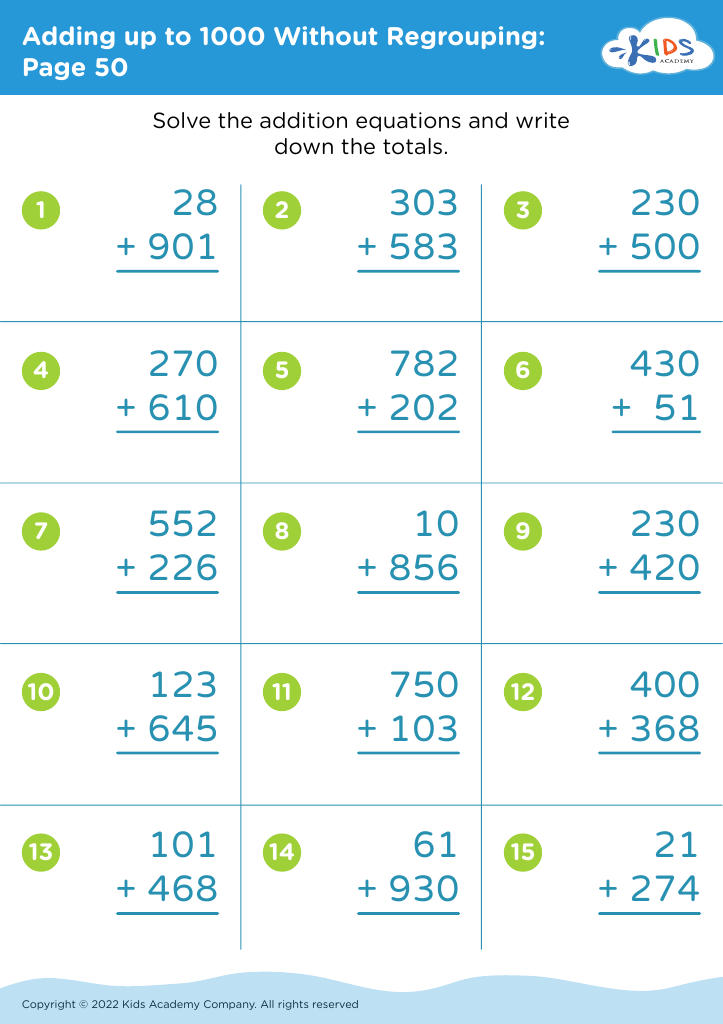
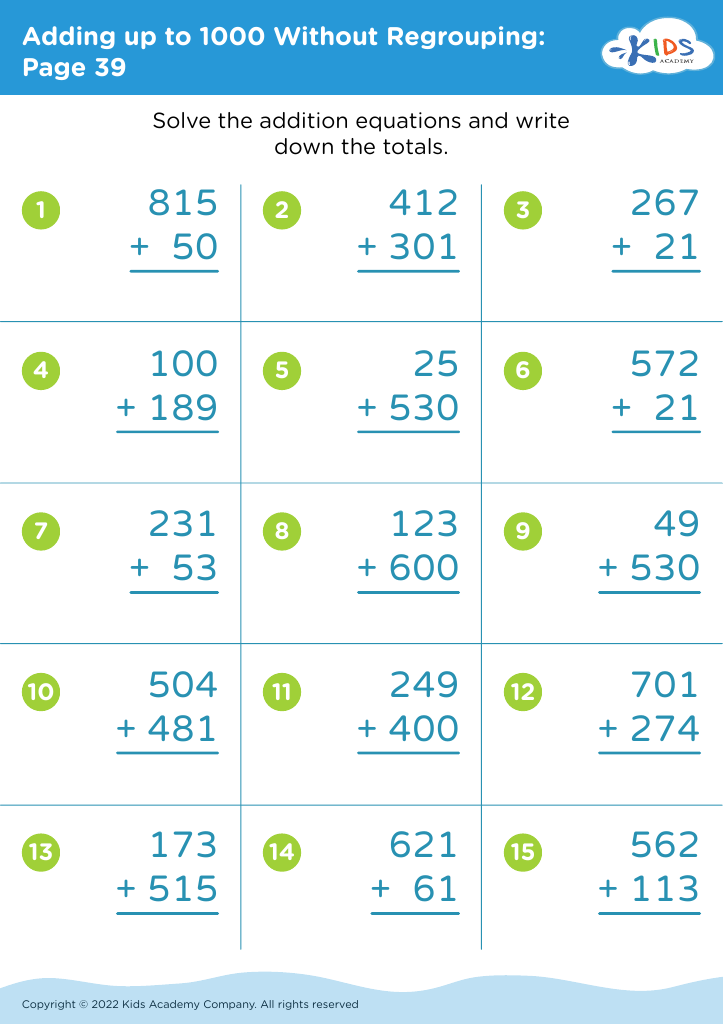
Elevate your child’s learning journey with our engaging "Alphabet Recognition Addition & Subtraction Worksheets for Ages 6-8." These worksheets are specially crafted to blend the basics of math and literacy, helping children reinforce their alphabet recognition while mastering addition and subtraction skills. Fun and interactive activities captivate young learners, making education enjoyable and effective. With a variety of exercises, kids easily build a strong foundation in essential learning areas. Perfect for strengthening critical thinking and boosting academic confidence, your kids will love to discover and grow with our creative educational resources. Explore now for a rewarding learning experience!
Favorites
With answer key
Interactive
Join Kids Academy for Free
Who is primarily going to use this learning content?








Alphabet recognition and foundational math skills like addition and subtraction are critical building blocks for children's academic success, especially for ages 6-8. These early years are formative in laying the groundwork for more complex literacy and numeracy skills. Proficiency in alphabet recognition is the cornerstone of reading and writing; it empowers children with the ability to decode words, expanding their vocabulary and comprehension. Being proficient in recognizing the alphabet ensures they can swiftly become confident readers, which is crucial for learning across all subjects.
Simultaneously, mastering basic addition and subtraction establishes the essential math foundation needed for problem-solving and logical thinking. These operations are not confined to math classes—they appear in everyday tasks and other school subjects, aiding in comprehensive cognitive development.
Parents and teachers should prioritize these skills because they foster a sense of achievement and build children's confidence. Early literacy and numeracy skills significantly impact future academic performance and oftentimes a child's attitude towards school and learning in general. By ensuring that children develop strong alphabet recognition and basic arithmetic skills early on, we set them up for academic success, critical thinking, and a positive attitude towards life-long learning. Investing time here will pay dividends throughout their education and beyond.








