Cognitive Development Addition & Subtraction Worksheets for Ages 6-8 - Page 2
26 filtered results
-
From - To
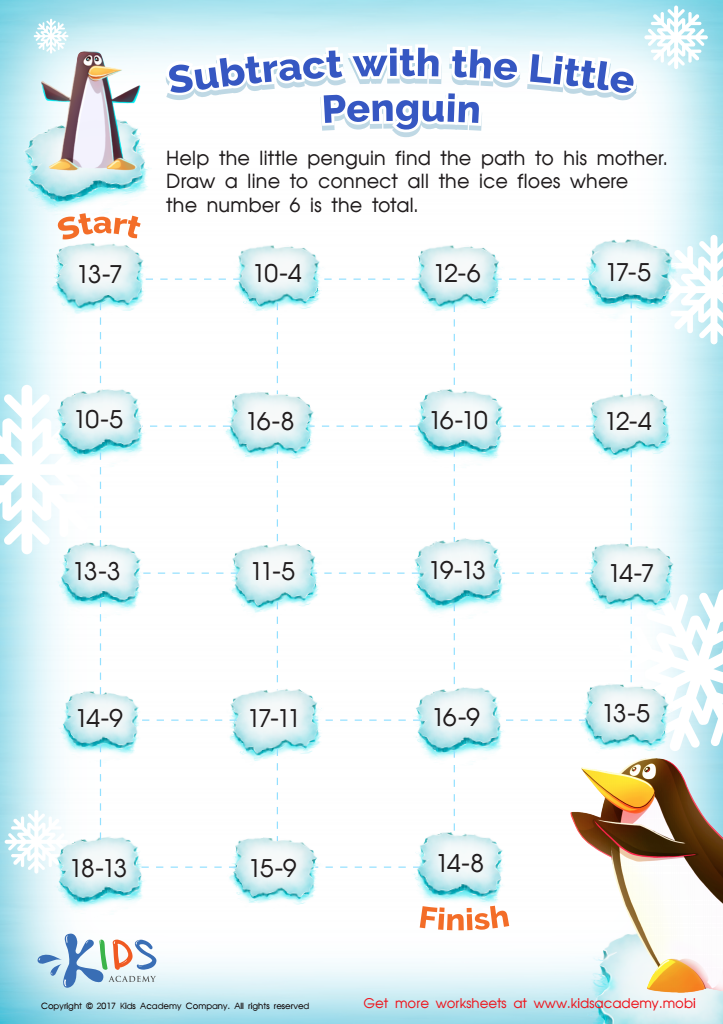
Subtract With The Little Penguin Substraction Worksheet
 Assign to My Students
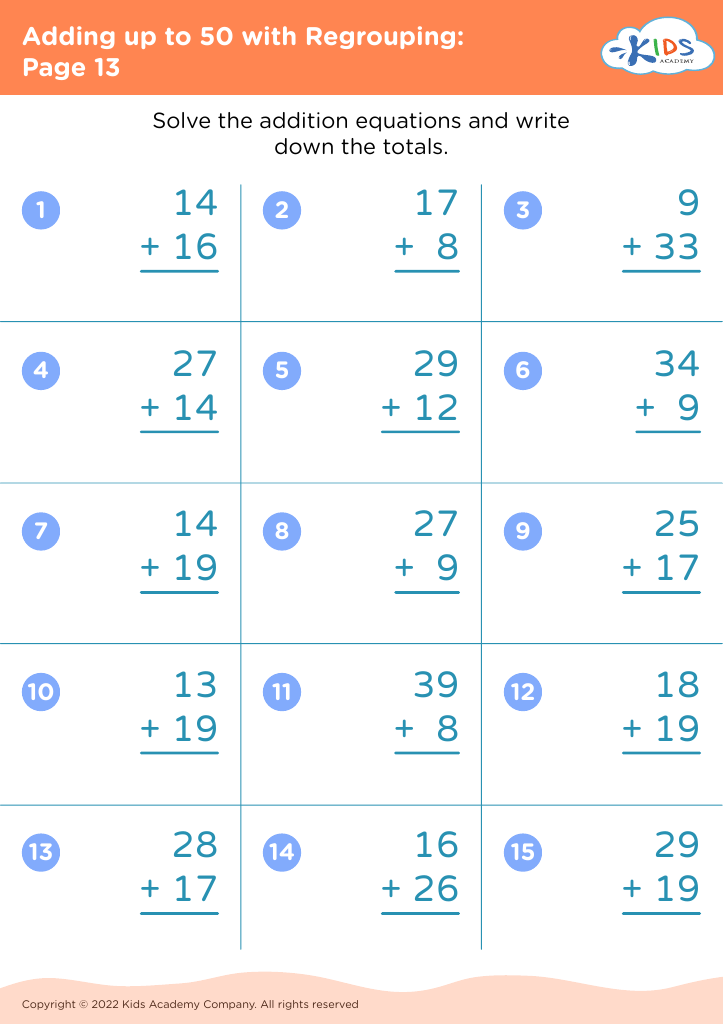



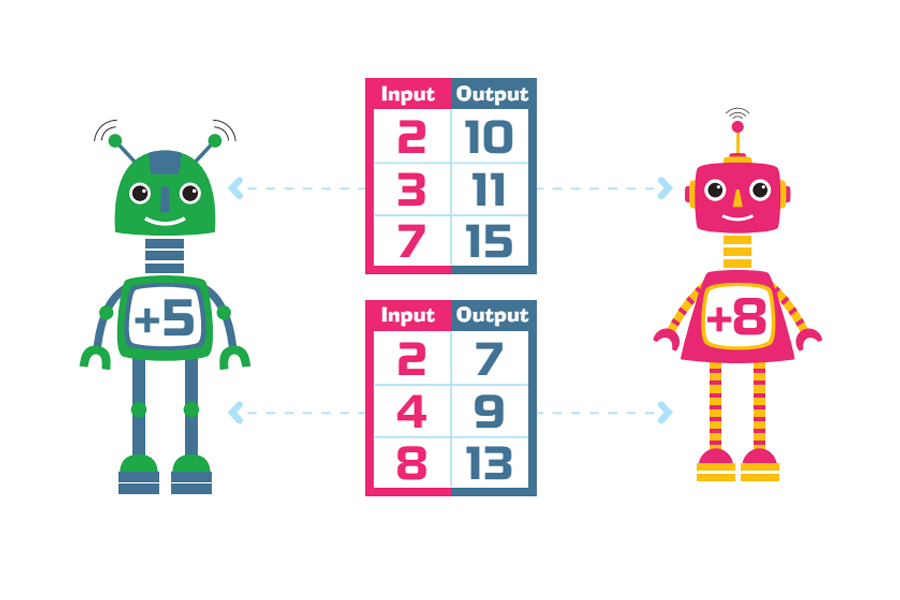




Cognitive development in the context of addition and subtraction for children aged 6-8 is paramount, as it lays the foundation for future success in mathematics and everyday problem solving. At this stage, children are in Piaget's "Concrete Operational" phase, where they begin to grasp logical and operational thinking. Engaging with addition and subtraction exercises ingrains crucial skills such as memory recall, logical reasoning, understanding patterns, and spatial awareness, all key components of cognitive development.
For parents and teachers, nurturing these skills allows children to become confident in their numerical abilities early on. Confidence in these foundational math skills can translate into a positive attitude toward learning and challenge apprehensions around more complex tasks in the future. Additionally, proficiency in basic arithmetic is fundamentally linked to various aspects of daily life, such as managing time, understanding money, or even basic planning activities.
Moreover, fostering cognitive skills through math exercises can impact broader academic achievements. As children's brains develop, activities involving arithmetic can help in enhancing focus, improving discipline, and elevating overall academic performance. Hence, for their well-rounded cognitive development and to ensure a strong educational trajectory, it is crucial for parents and teachers to actively engage and support children in mastering addition and subtraction during their early years.








