Fraction simplification Addition & Subtraction Worksheets for Ages 6-8 - Page 3
58 filtered results
-
From - To
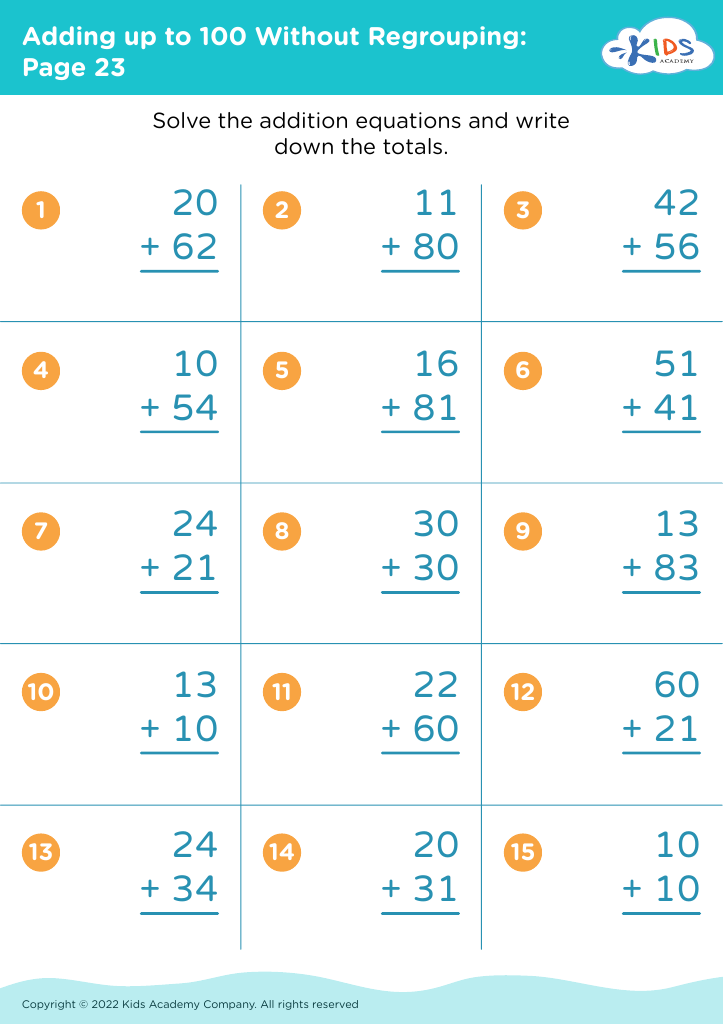
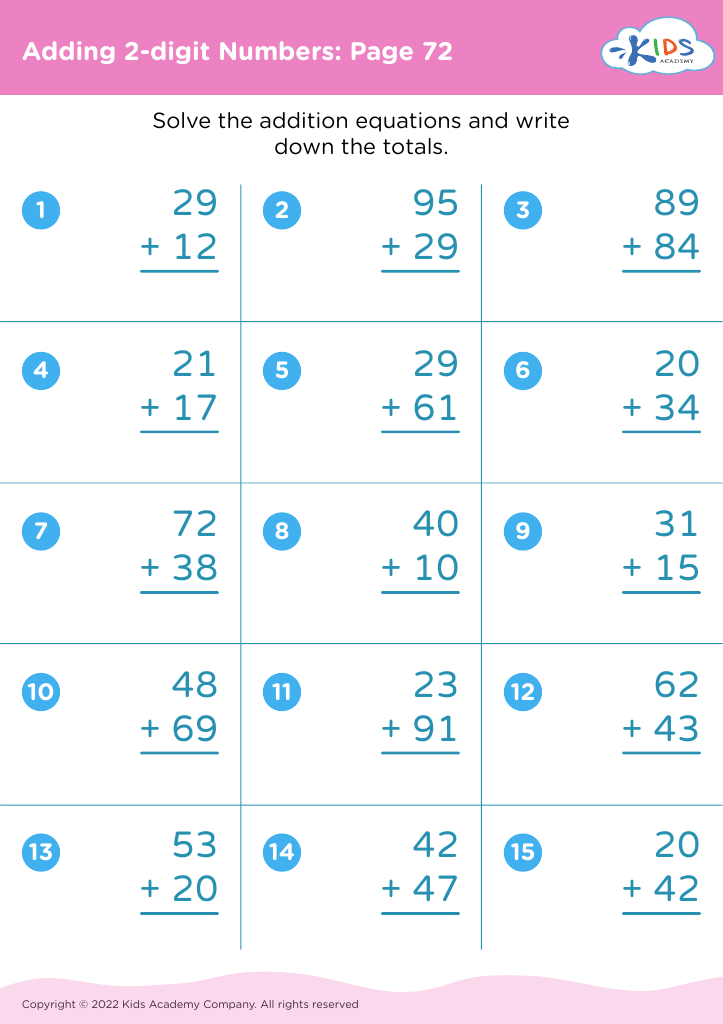
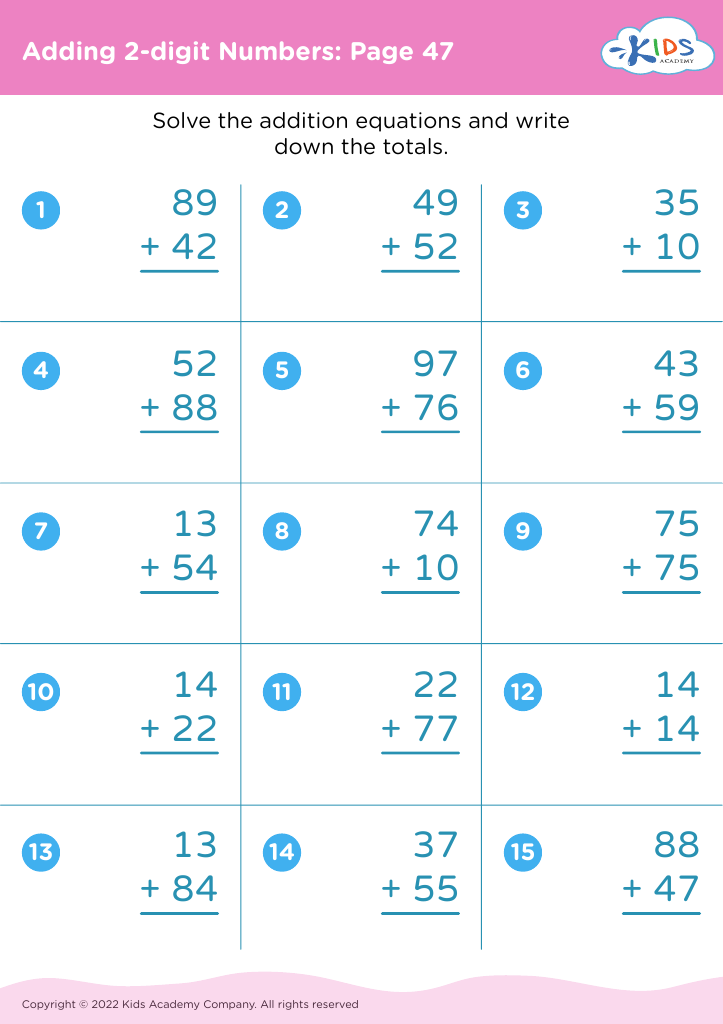
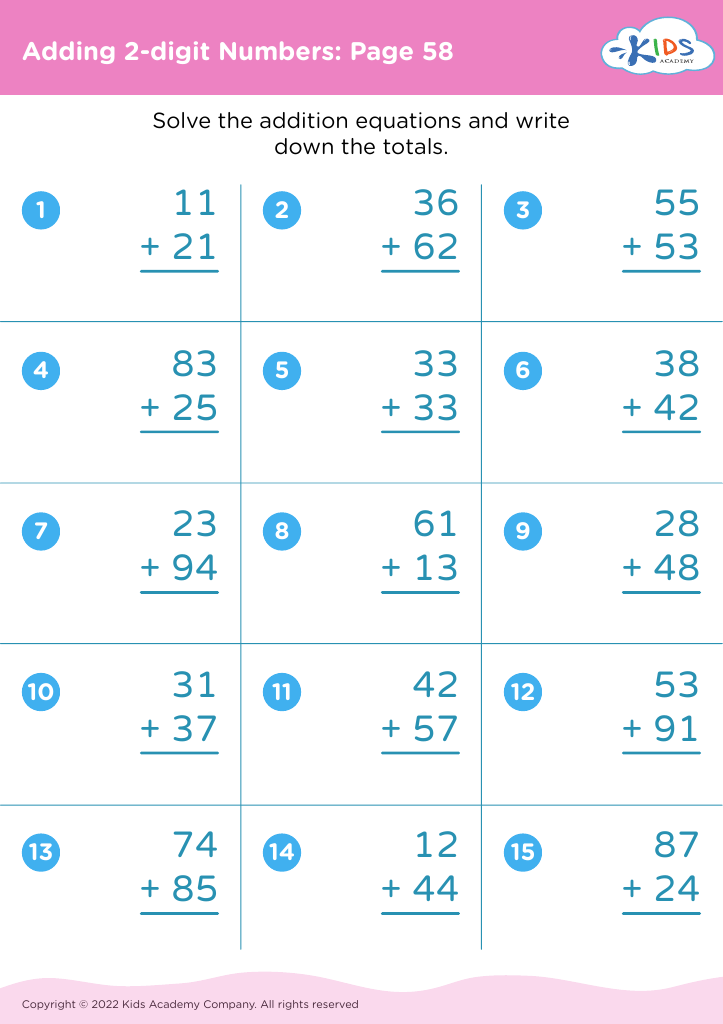








Fraction simplification, addition, and subtraction are essential skills for children ages 6-8, laying a strong mathematical foundation that extends beyond basic arithmetic. At this age, children are developing critical thinking and problem-solving skills, and mastering fractions fosters their numerical fluency and understanding of proportions, which are pivotal in real-life contexts such as cooking, sharing, and dividing items.
Parents and teachers should prioritize these concepts because they promote a deeper comprehension of mathematics. Simplifying fractions helps students see relationships between numbers, enhancing their ability to make calculations easier and more efficient. This skill is crucial as they progress to more complex topics in higher grades, where fraction manipulation becomes increasingly prevalent.
Furthermore, engaging with fractions aids in building confidence since children often find visual concepts like pie charts or segmented pieces familiar and interactive. By fostering a positive attitude toward mathematics early on, adults can help mitigate math anxiety that some children may later face.
In involving parents and teachers in this learning process, it encourages collaborative educational experiences that reinforce lessons at home and school. Simplifying, adding, and subtracting fractions are just the beginning steps of mathematical understanding that prepares children for lifelong learning and curiosity.








