Shape identification Addition & Subtraction Worksheets for Ages 6-8
13 filtered results
-
From - To
Introduce young learners to the exciting world of mathematics with our Shape Identification Addition & Subtraction Worksheets designed for ages 6-8. These engaging worksheets from Kids Academy help children enhance their addition, subtraction, and shape recognition skills through delightful, age-appropriate activities. Perfect for classroom or home learning, our resources blend fundamental math practice with visual exercises, ensuring a balanced approach to early education. Watch as your child gains confidence and proficiency in math by solving problems illustrated with familiar shapes and patterns. Make learning fun and interactive with our expertly crafted worksheets!
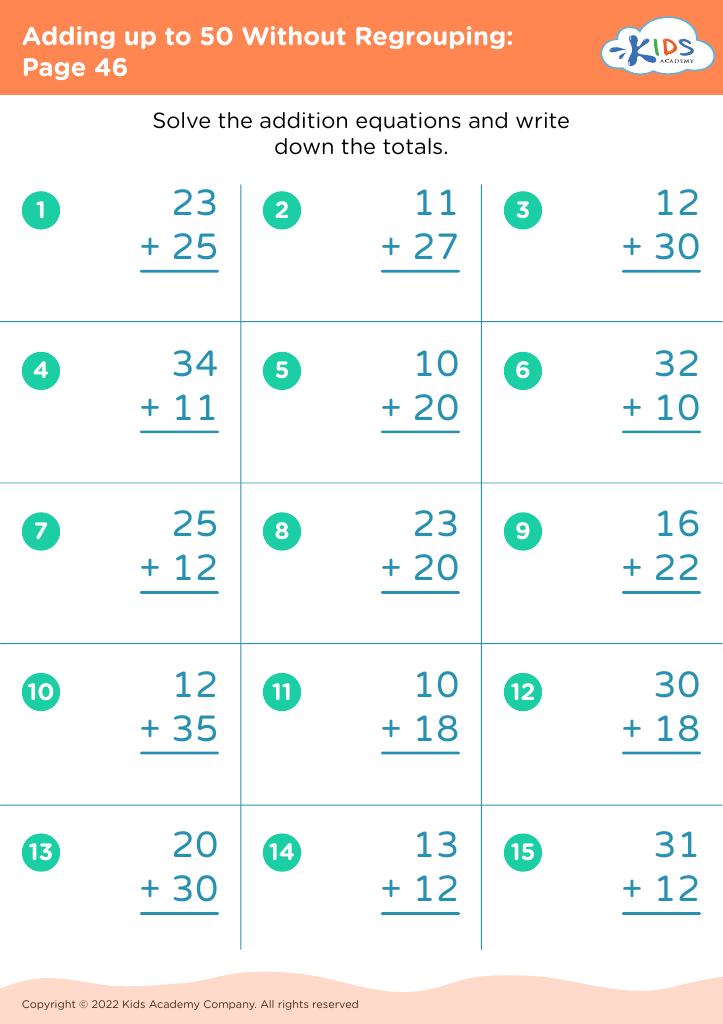
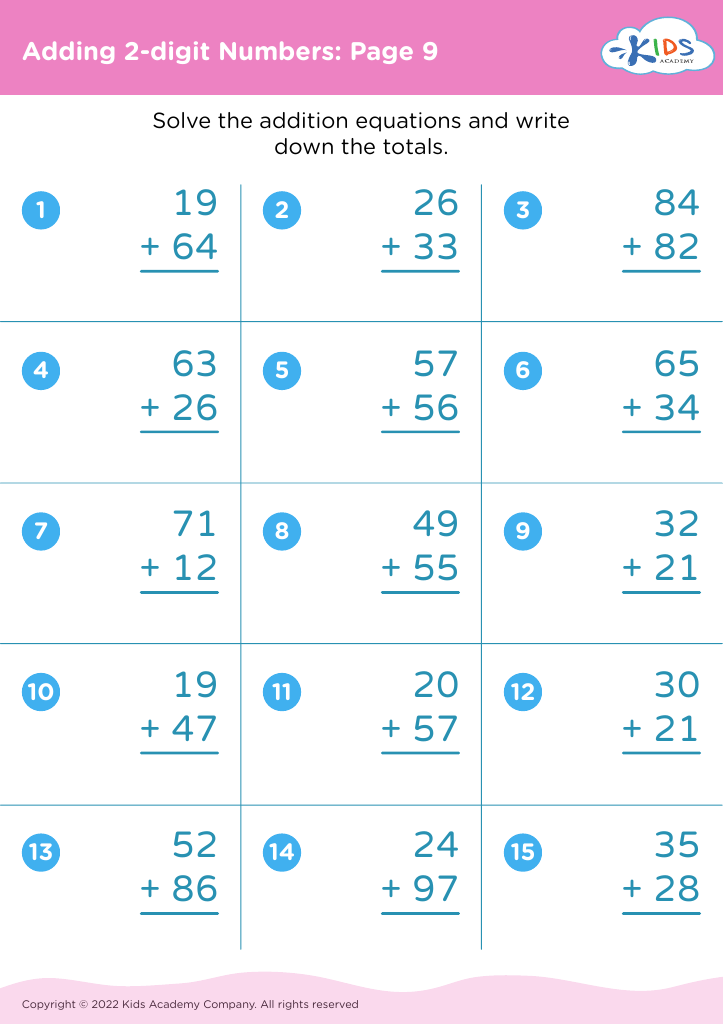
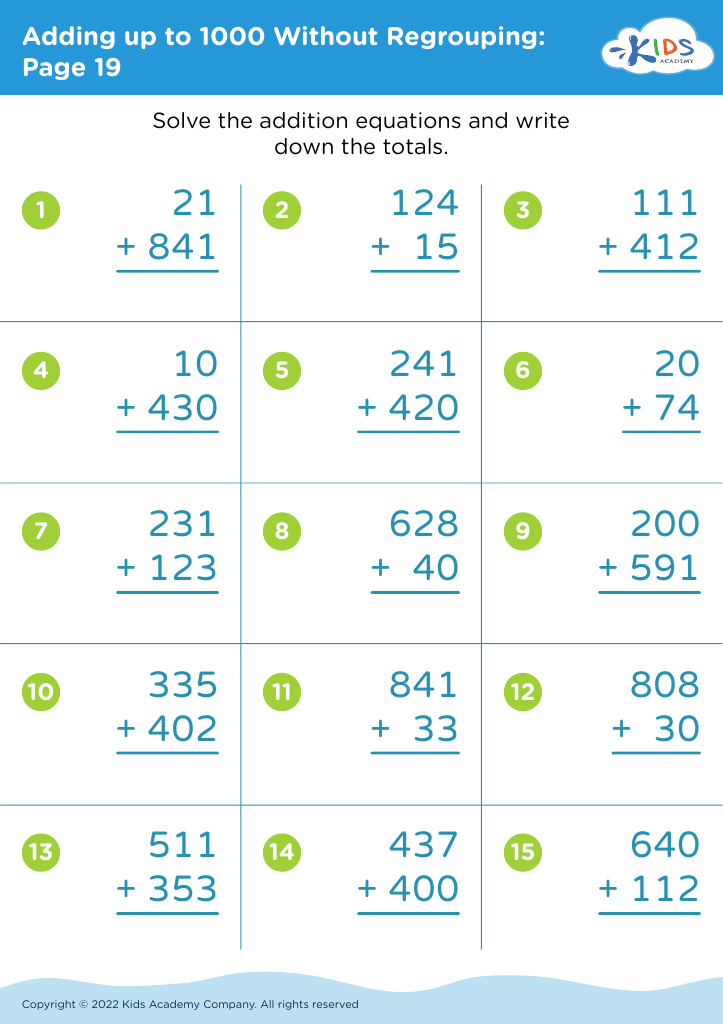
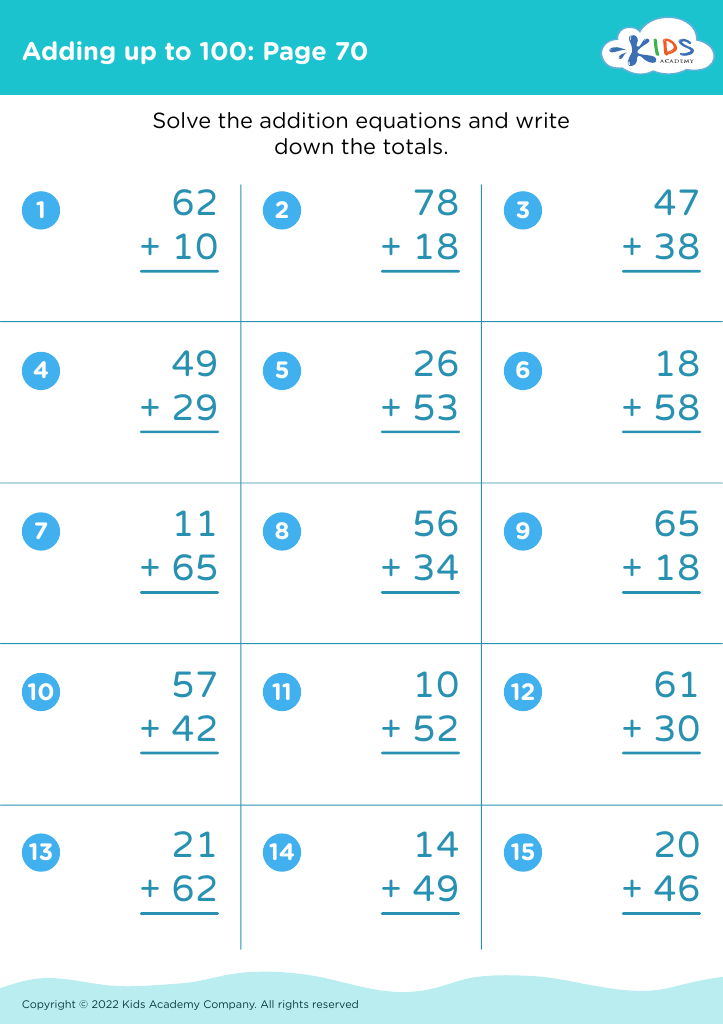
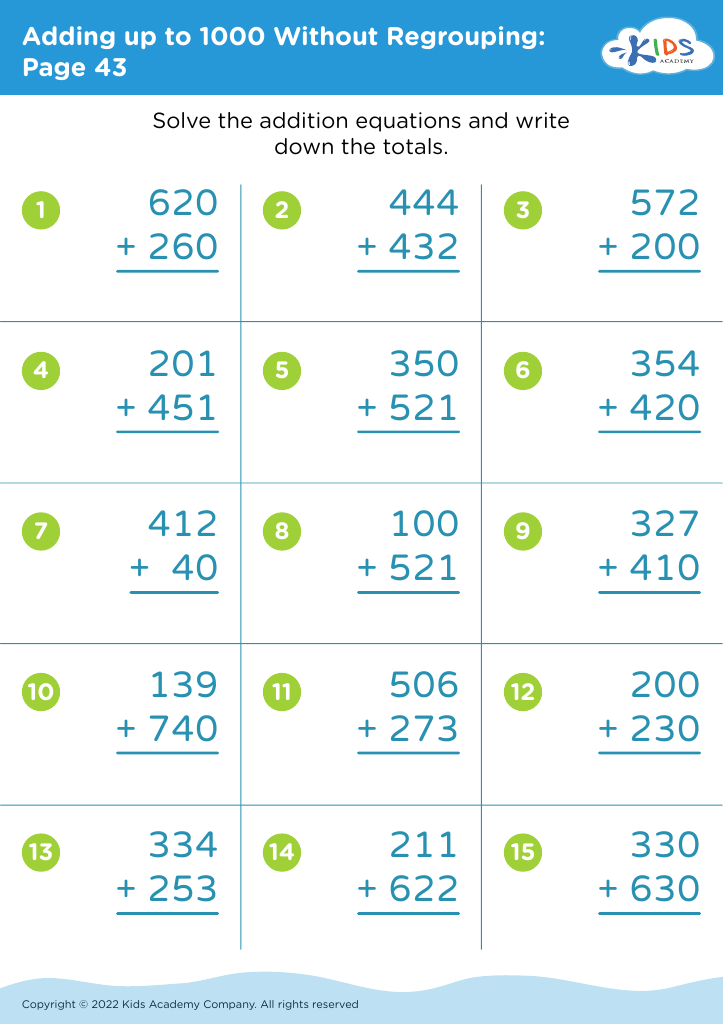








Parents and teachers play a crucial role in helping children ages 6-8 develop foundational mathematical skills, such as shape identification and addition and subtraction. Shape identification goes beyond merely recognizing different geometric figures; it enhances children's spatial reasoning, which is fundamental in solving more complex problems later in life, including those related to science, technology, engineering, and mathematics (STEM). When children can identify and describe shapes, they improve their language skills and ability to observe details in their environment, fostering better cognitive development and visual-spatial abilities.
Addition and subtraction, on the other hand, form the building blocks of arithmetic. Mastery of these basic operations is essential for understanding more advanced mathematics. At this developmental stage, children are also learning to solve simple word problems, which enhances their critical thinking and problem-solving abilities. Being proficient in addition and subtraction helps build their confidence and numeracy skills. Early success in mathematics can lead to a positive attitude towards learning; children who see that they can solve math problems are often more enthusiastic and motivated in their academic pursuits.
Overall, by caring about and nurturing these skills, parents and teachers empower children with the tools they need for academic success and practical daily life skills, laying the groundwork for a lifetime of learning and achievement.








