
Color recognition Addition Worksheets for Ages 6-8
10 filtered results
Difficulty Level
Grade
Age
-
From - To
Subject
Activity
Standards
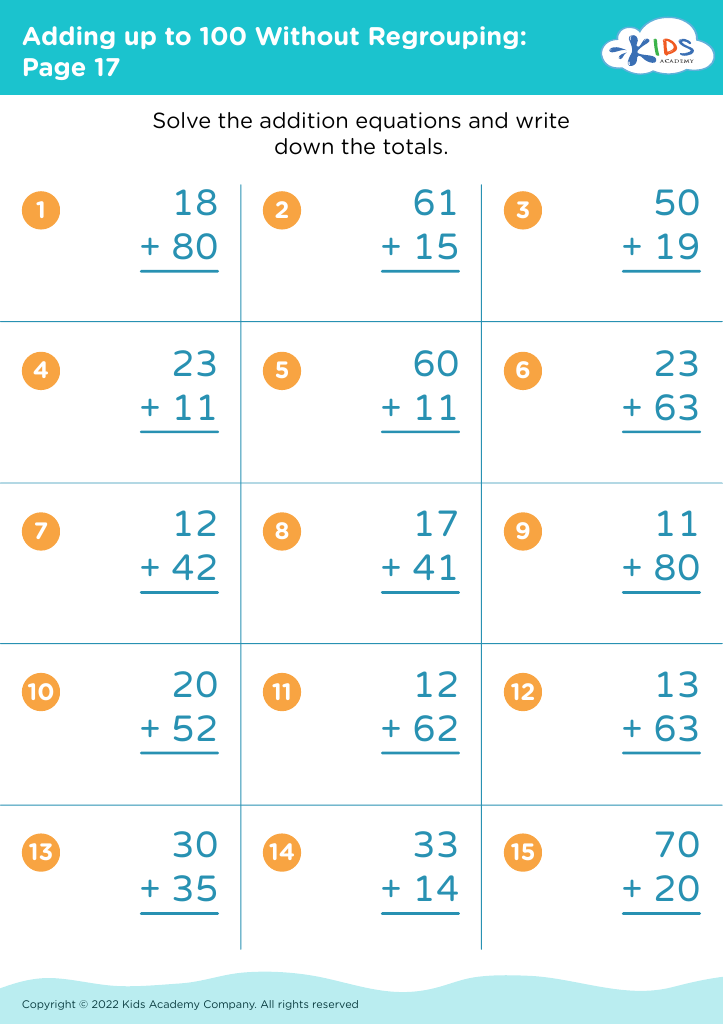
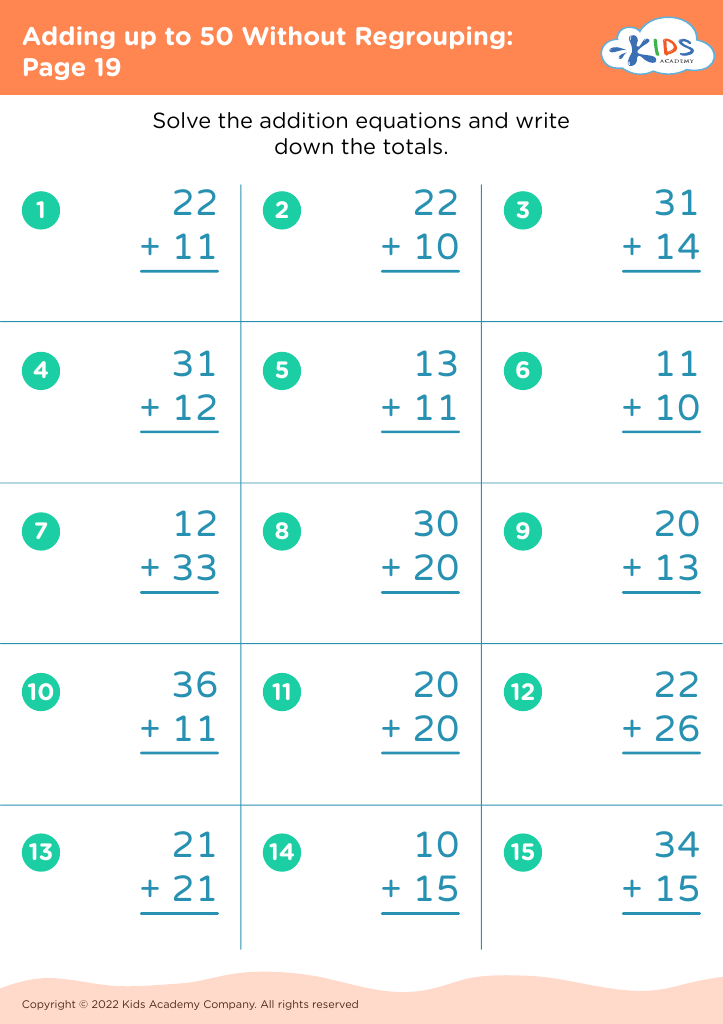
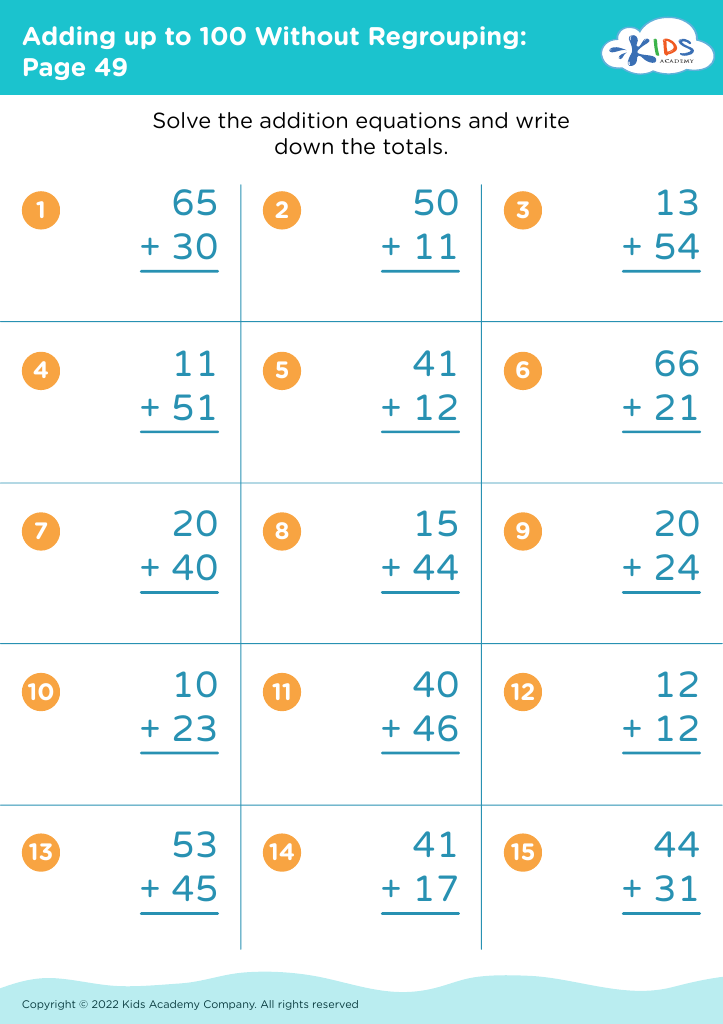
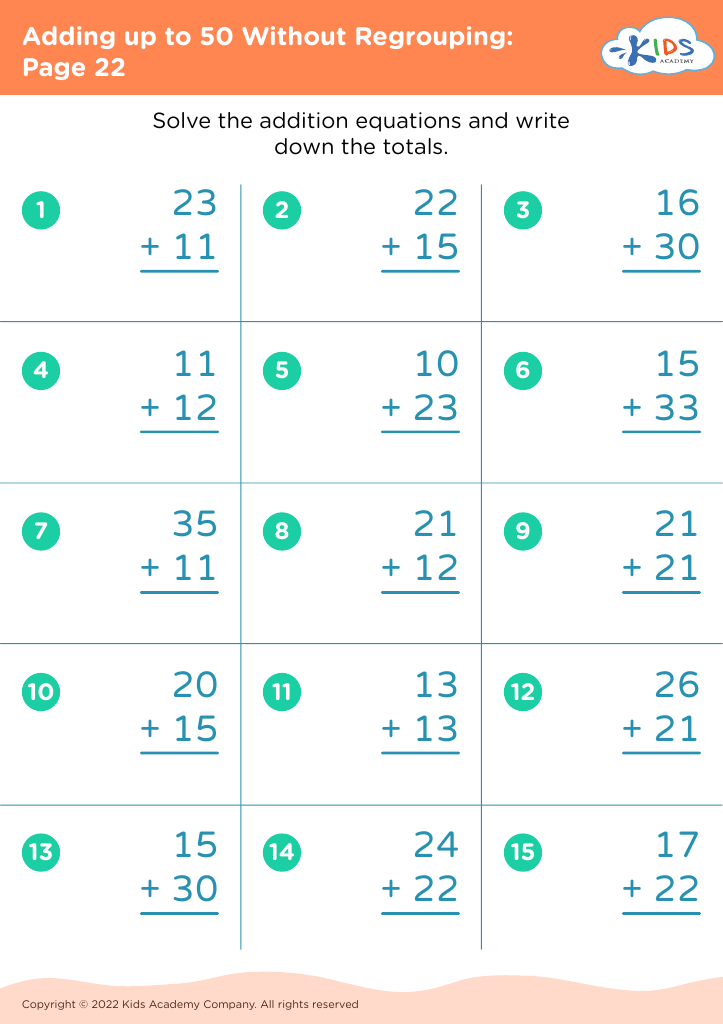
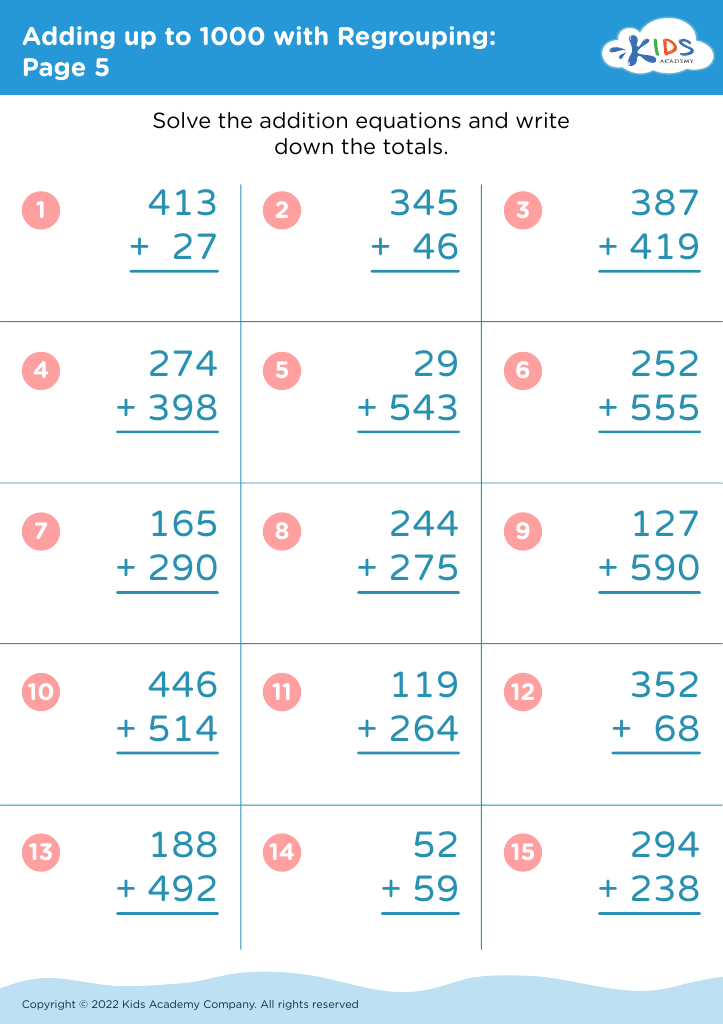
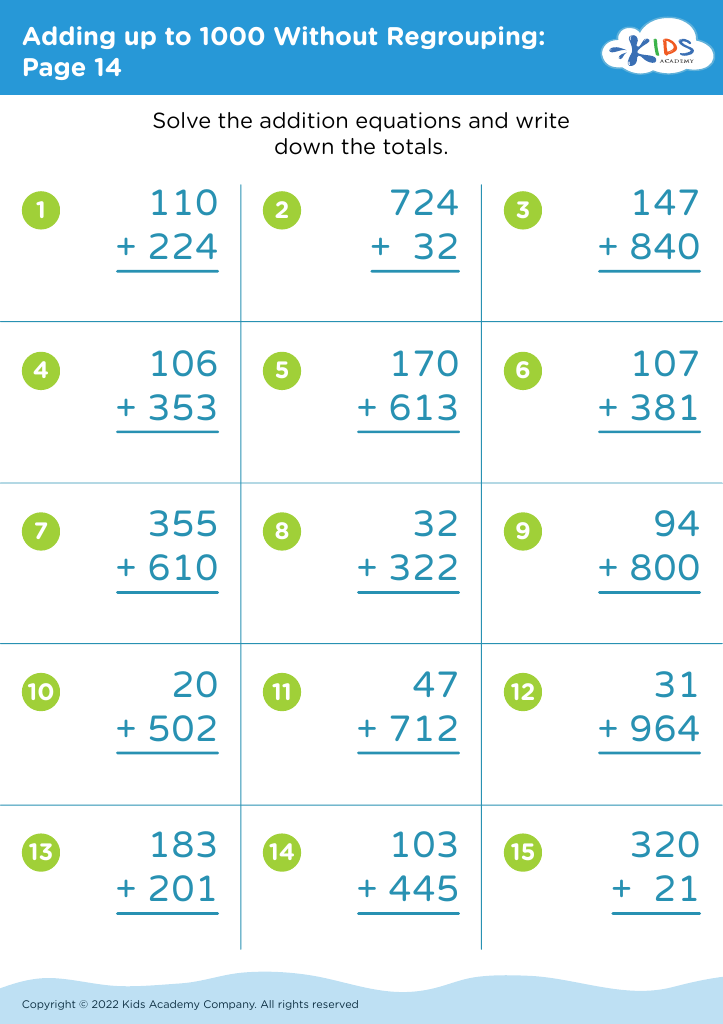
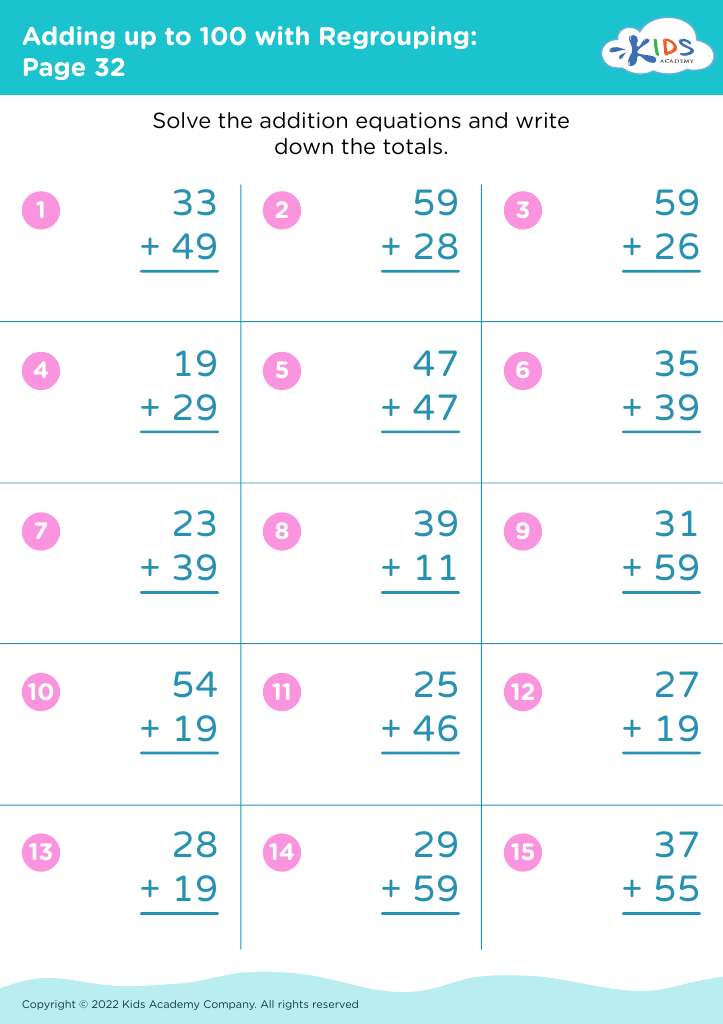
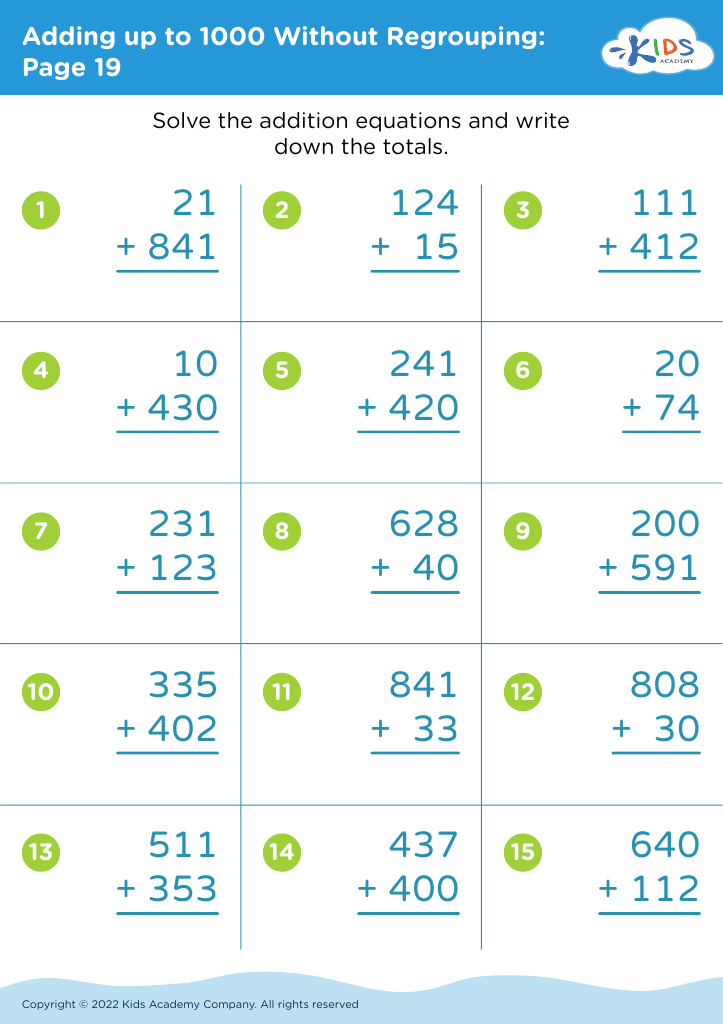
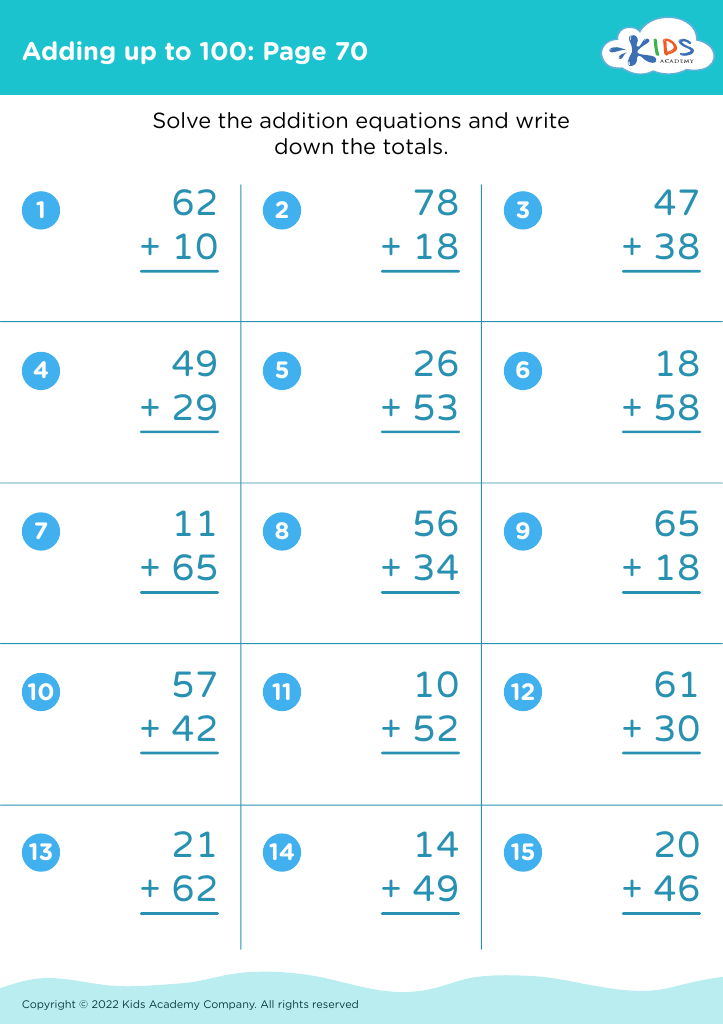
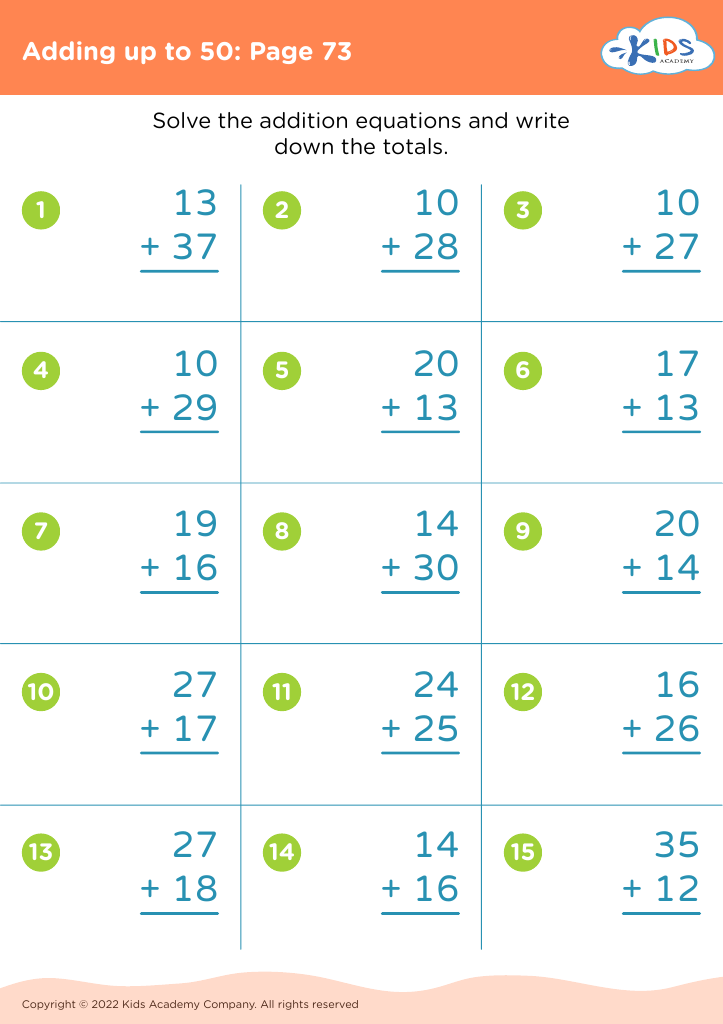
Discover engaging and educational color recognition addition worksheets designed for ages 6-8 at Kids Academy! These fun printable worksheets seamlessly blend math and art, helping your child enhance their addition skills while identifying and differentiating colors. Perfect for first and second graders, our expertly crafted activities feature vibrant illustrations and exciting challenges to keep young learners motivated. Ideal for both classroom and at-home learning, these worksheets support cognitive development and promote foundational math and color recognition skills. Visit Kids Academy today to access our free resources and give your child a head start in their educational journey!
Favorites
With answer key
Interactive
Join Kids Academy for Free
Who is primarily going to use this learning content?


.jpg)





Color recognition and addition are fundamental skills for children aged 6-8, and emphasizing these concepts can have numerous educational benefits. Firstly, color recognition exercises can help enhance a child’s cognitive development. Recognizing and identifying colors is a basic cognitive skill that paves the way for more complex learning tasks. It strengthens a child’s ability to differentiate and categorize visual information, which is vital for reading and math.
Addition skills, on the other hand, form the foundation of mathematical understanding. Mastering simple addition strengthens logical thinking, problem-solving abilities, and analytical skills. These skills are essential for grasping more advanced math concepts encountered later in their schooling.
Integrating color recognition into addition exercises makes learning more engaging and enjoyable for young children. Colorful visuals can capture a child's interest more effectively than monochrome worksheets, turning abstract numbers into tangible and relatable concepts. For example, using colored blocks or beads to teach addition allows children to use visual and tactile senses, building a more comprehensive understanding.
In conclusion, focusing on color recognition and addition simultaneously for children aged 6-8 can create a fun and productive learning environment. This dual focus not only supports cognitive and mathematical development but also fosters an early love for learning through vibrant and interactive methods.








