Identifying fractions Addition Worksheets for Ages 6-8
4 filtered results
-
From - To
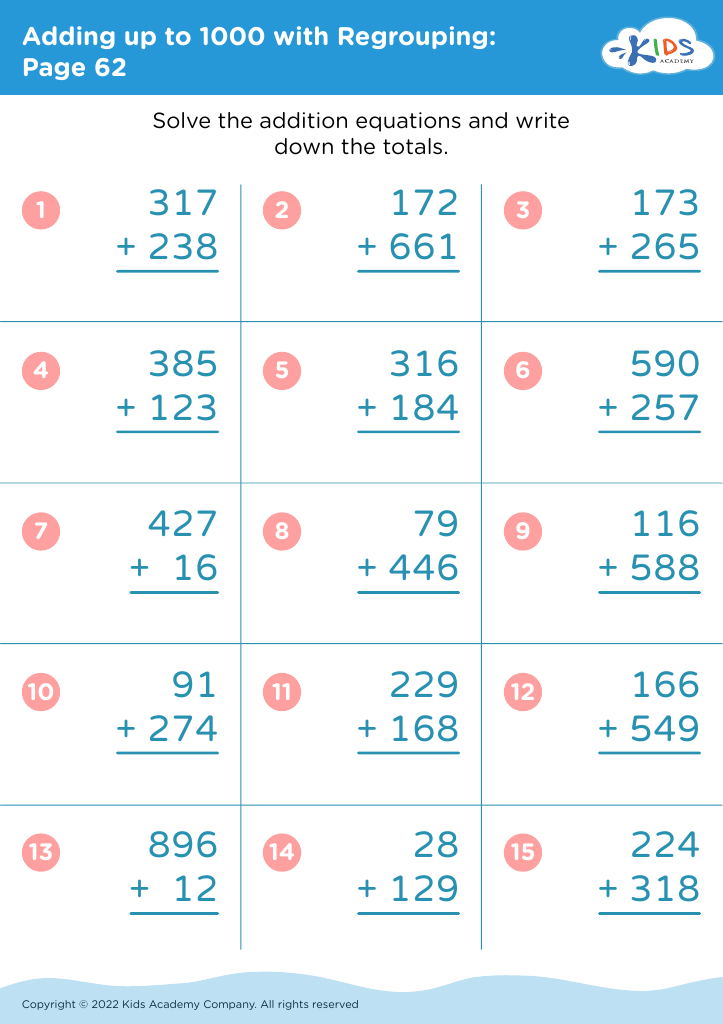
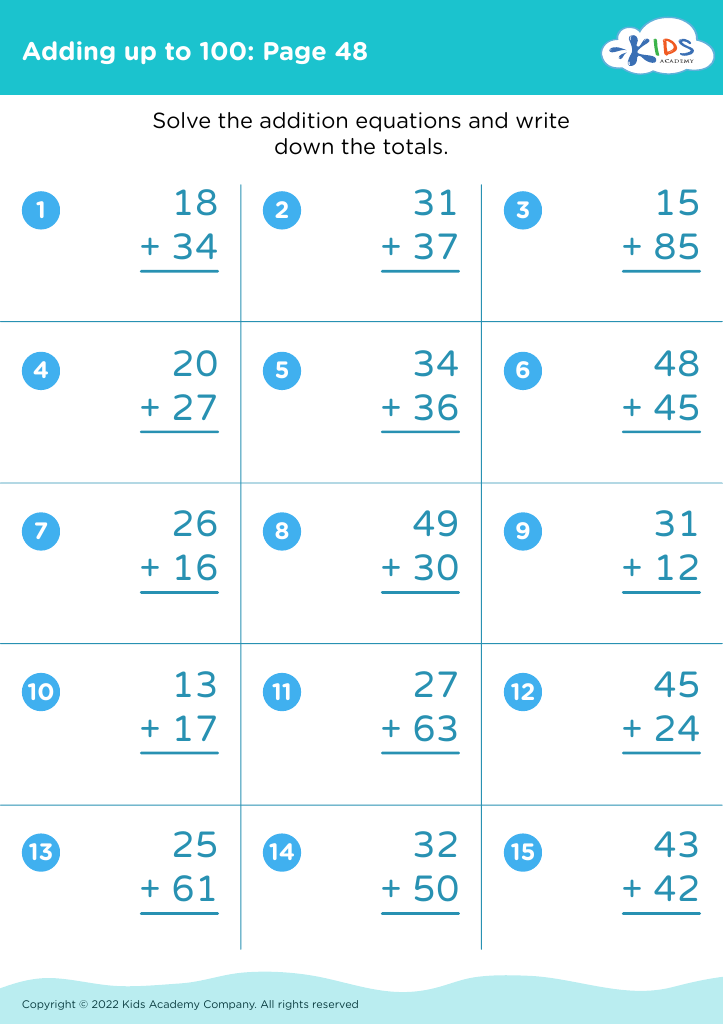
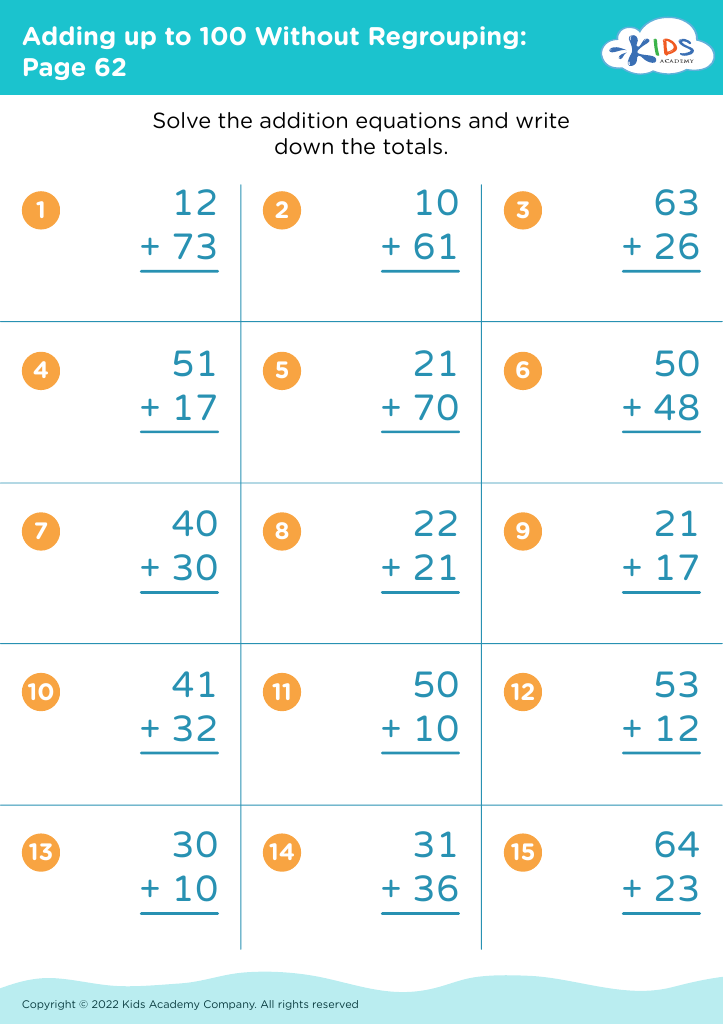
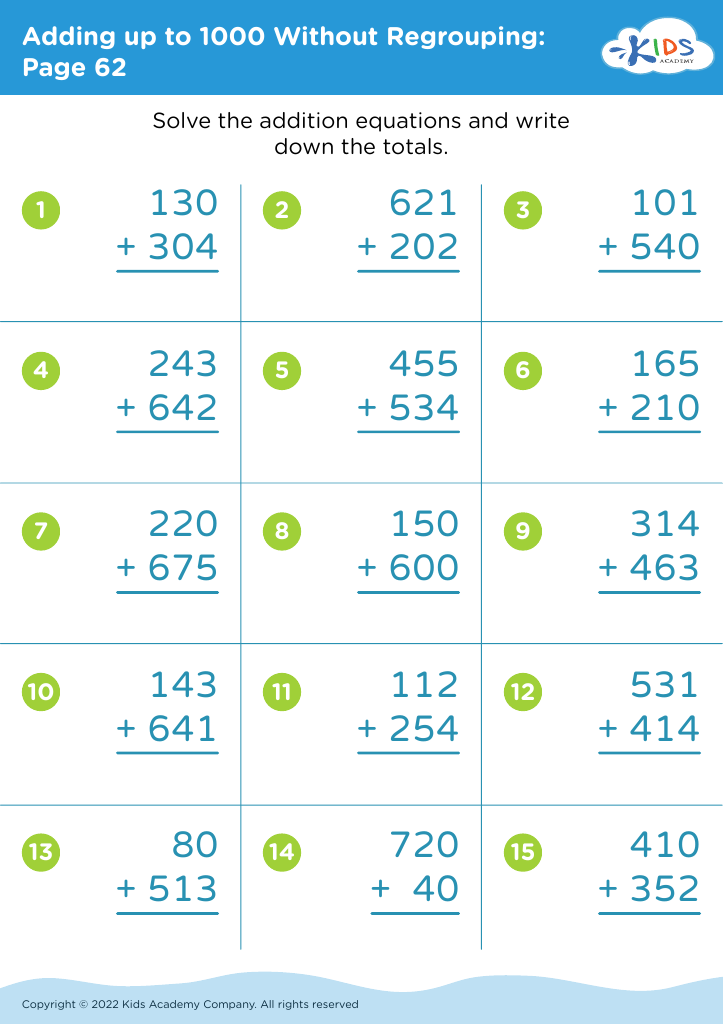
Discover our engaging Identifying Fractions Addition Worksheets designed for children aged 6-8! These interactive resources help young learners understand and master the concept of fractions by adding them in a fun and engaging way. With colorful visuals and diverse problems, our worksheets cater to varying levels of ability, ensuring every child can confidently practice their skills. Ideal for both classroom use and homeschooling, these worksheets not only reinforce key math concepts but also promote critical thinking. Help your child develop a strong foundation in mathematics while enjoying the process of learning fractions and addition through our thoughtfully crafted exercises!





.jpg)


Identifying fractions and mastering addition are crucial skills for children aged 6 to 8, laying the groundwork for their future math success. Understanding fractions provides a foundation for children's comprehension of parts of a whole, encouraging them to develop critical thinking and problem-solving skills. At this age, students are naturally curious and ready to grasp new concepts; hence, introducing fractions helps tap into that curiosity by demonstrating practical applications, such as sharing food or measuring ingredients in cooking.
Moreover, learning to add fractions enhances their basic arithmetic skills. It builds their confidence and sets the stage for more complex mathematical operations they'll encounter later on. When teachers and parents support this learning, they foster a positive attitude towards math, making it less intimidating and more engaging for children.
Furthermore, recognizing fraction addition lays the groundwork for essential life skills, such as cooking, managing money, and understanding ratios, reinforcing the importance of mathematics in everyday situations. By prioritizing these concepts at an early age, parents and teachers help children develop a strong mathematical foundation, enhancing overall academic performance and lifelong learning potential. Supporting children in this area of mathematics is essential for their intellectual growth and future successes.








