Reading comprehension Addition Worksheets for Ages 6-8 - Page 2
37 filtered results
-
From - To
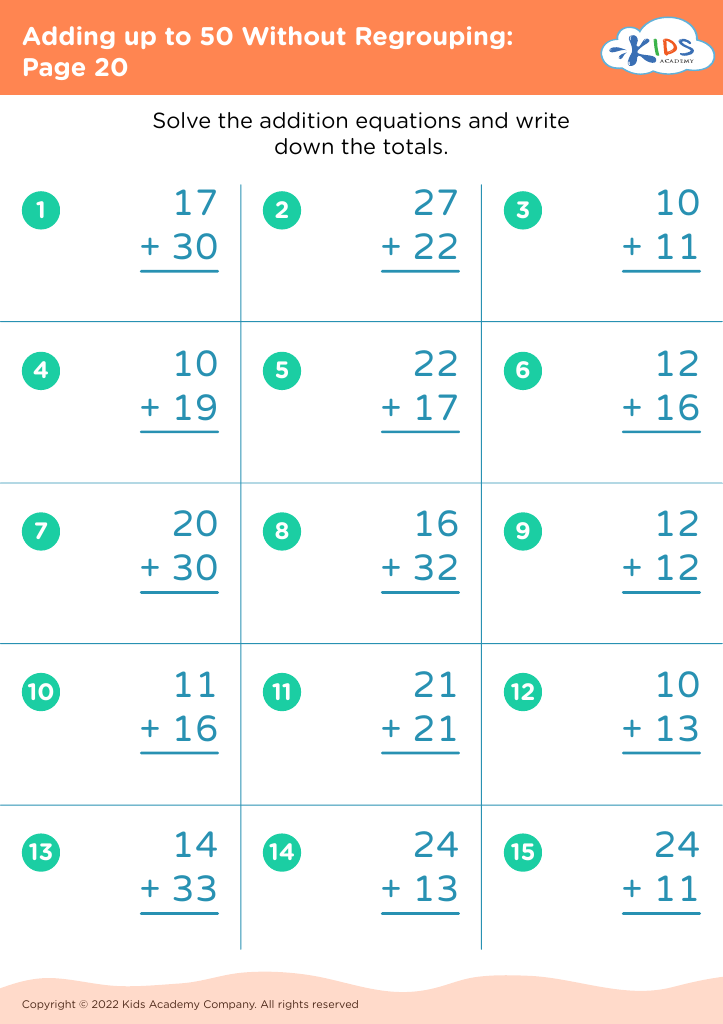
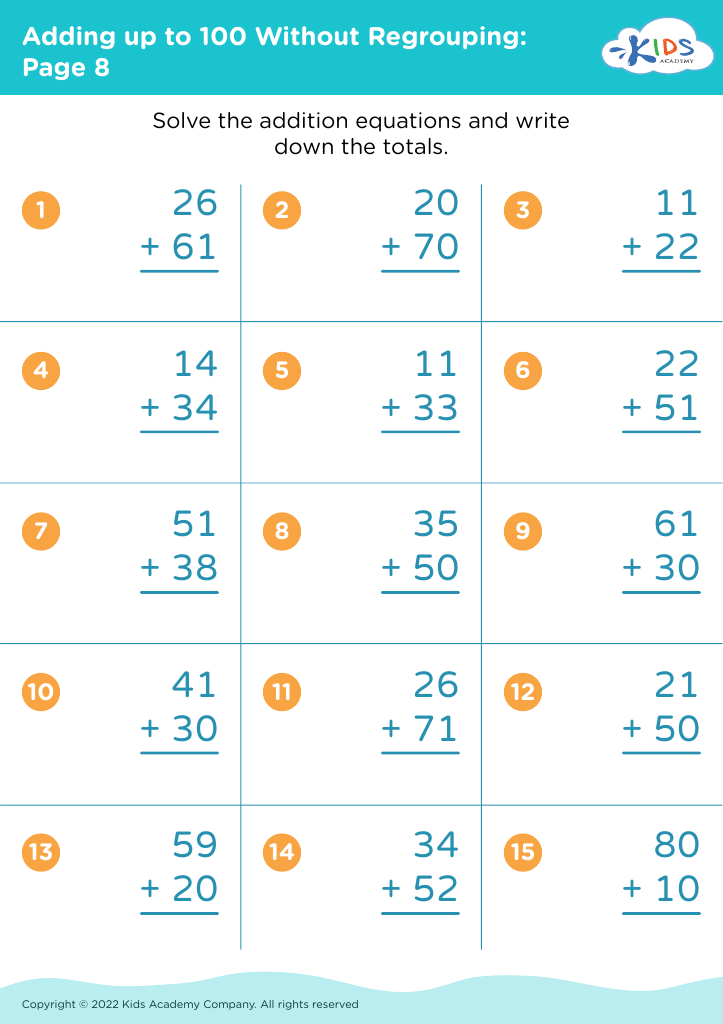
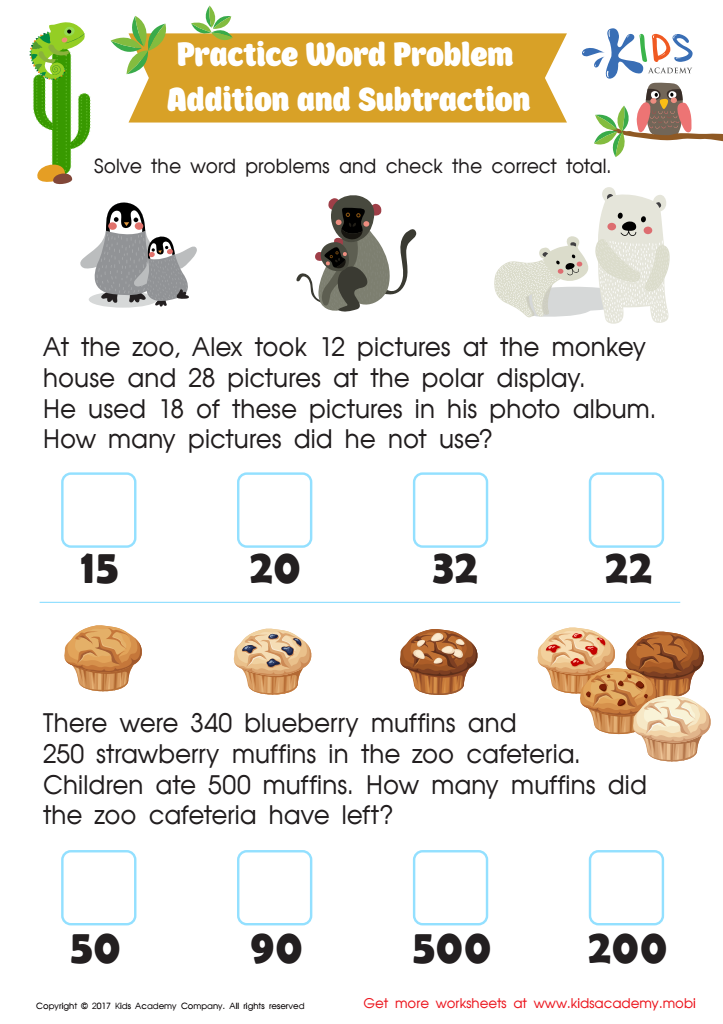
Addition and Subtraction: Word Problems Worksheet
 Assign to My Students
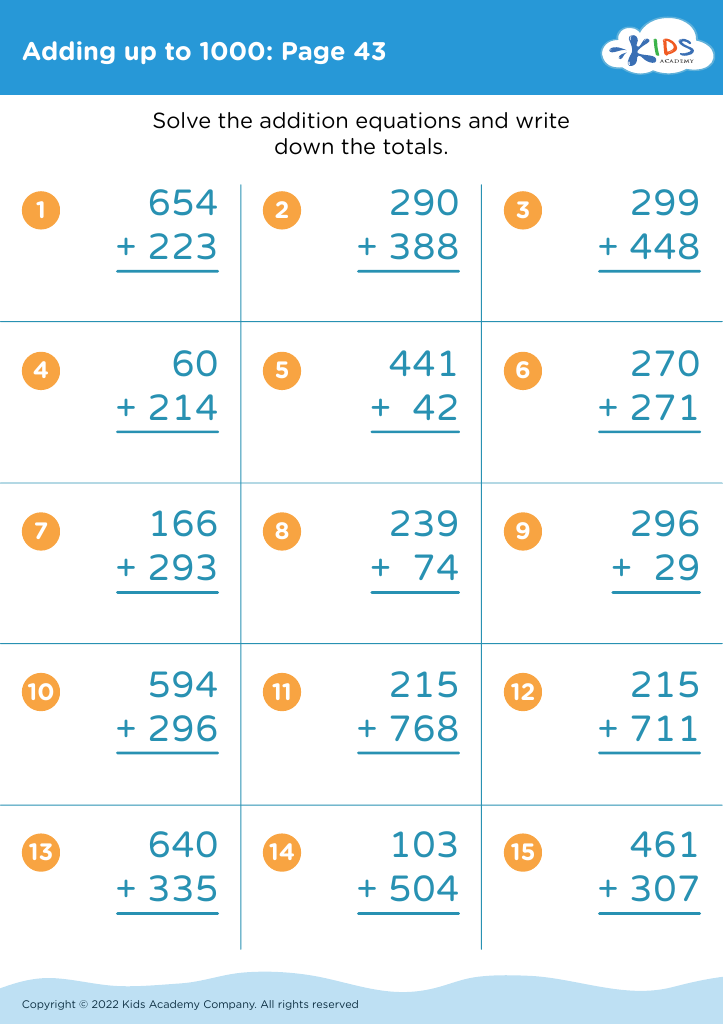
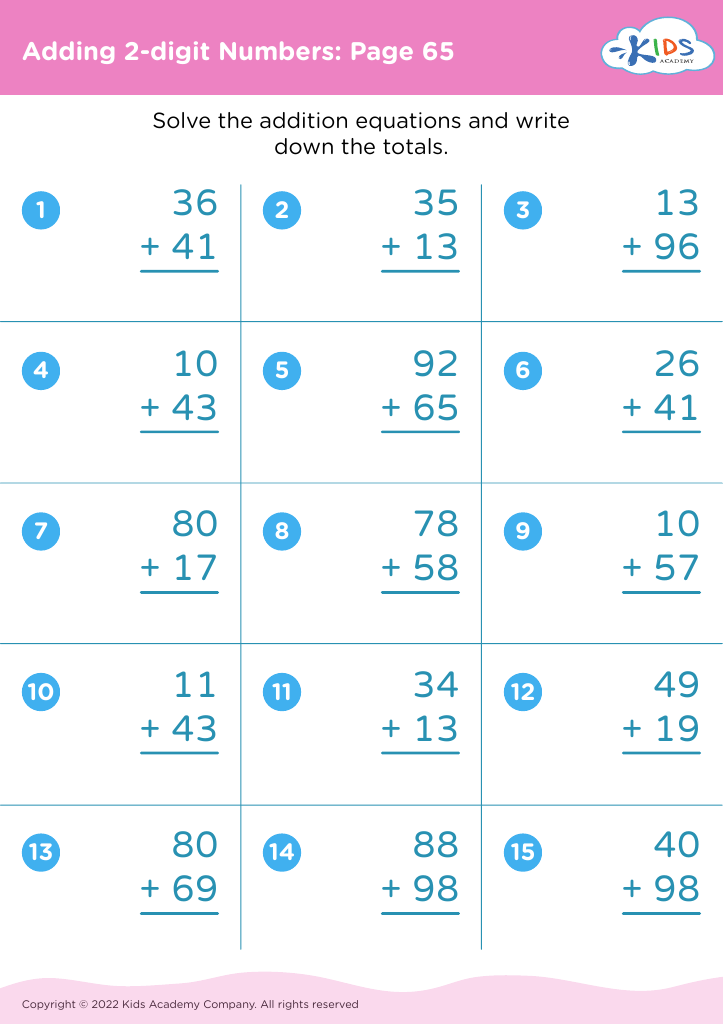
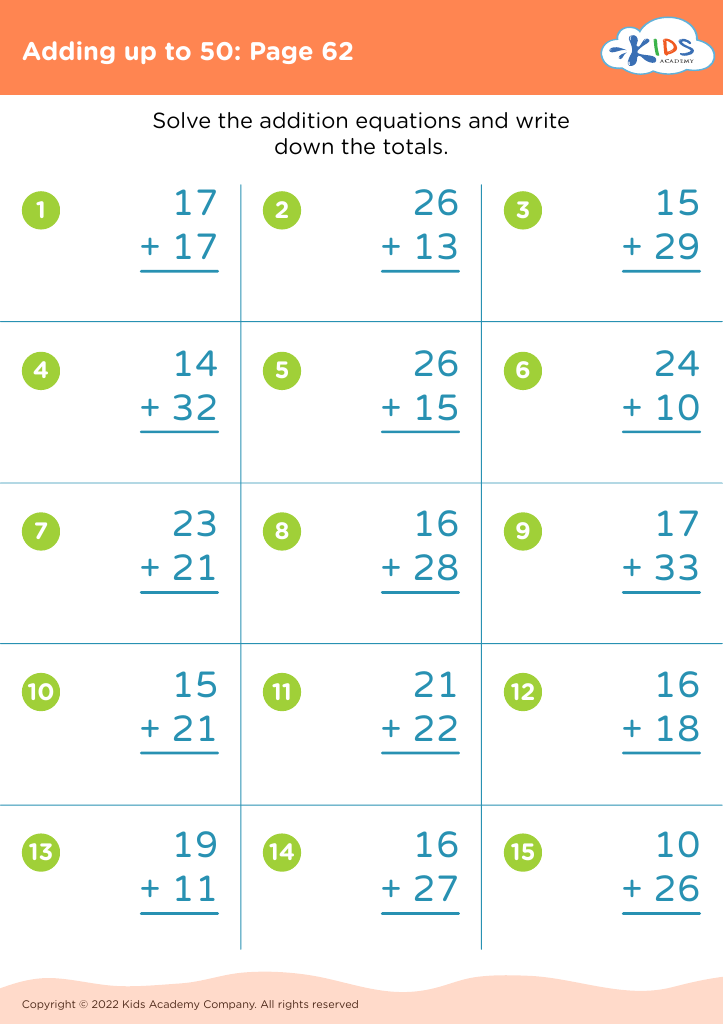
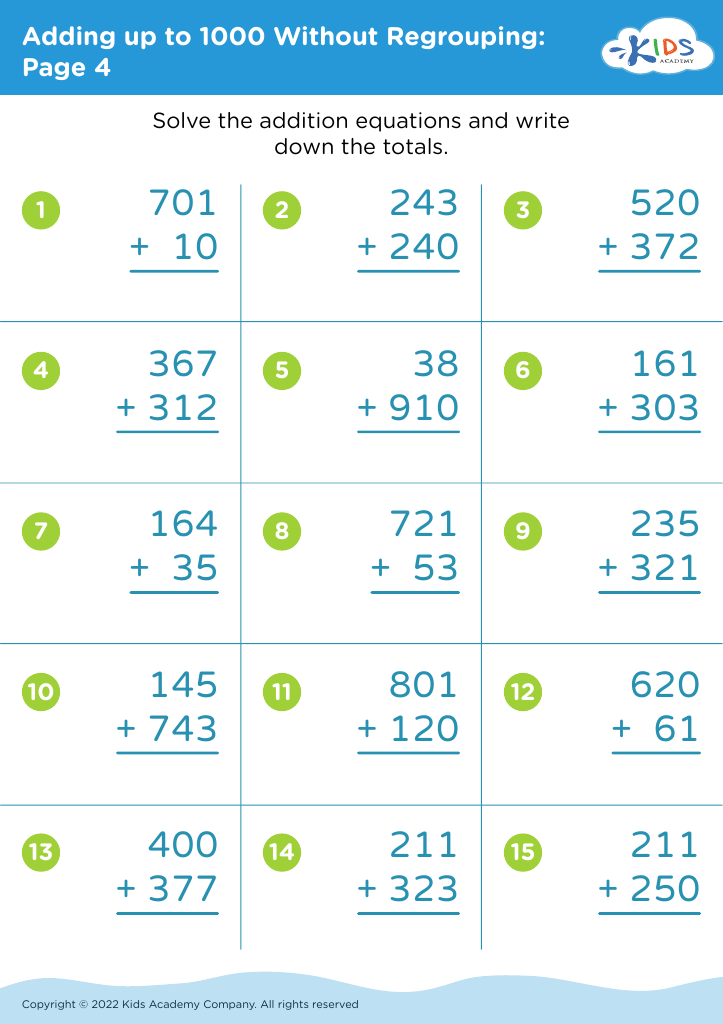
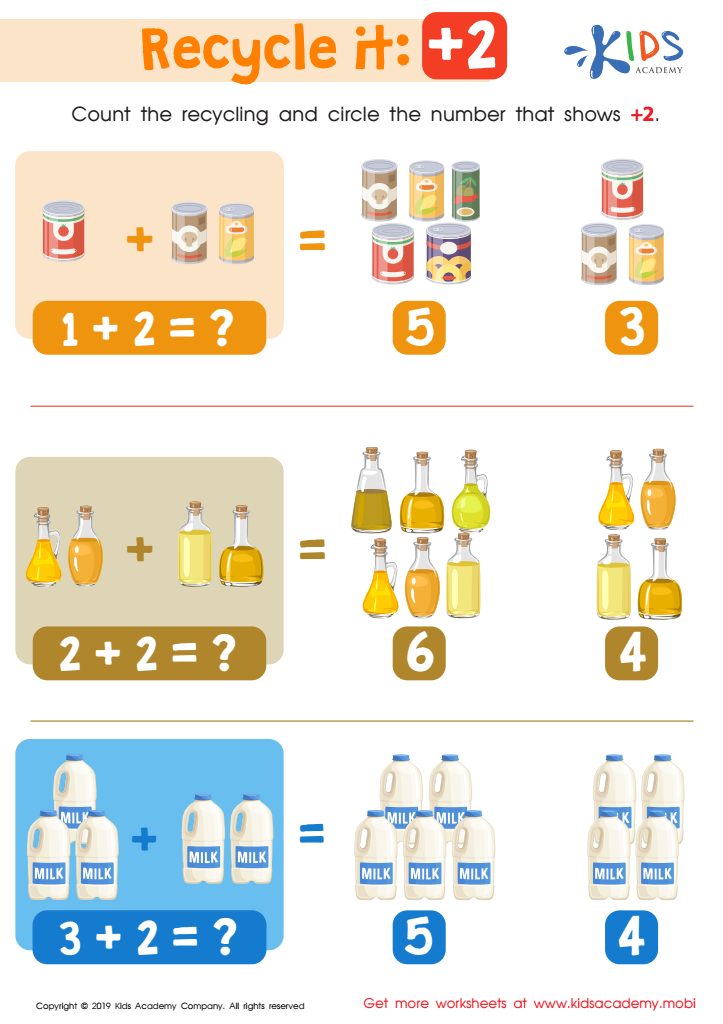
Recycle It: +2 Worksheet








Reading comprehension is a crucial skill for children aged 6-8, as it forms the foundation for future learning and academic success. At this developmental stage, children are transitioning from learning to read to reading to learn, making it essential for them to understand the material they encounter. Improving reading comprehension enhances their ability to process information, follow narratives, and participate in discussions.
Parents and teachers should care about this skill because strong comprehension abilities promote confidence and independence in young readers. Children who grasp what they read are more likely to engage with texts and develop a lifelong love for reading. Moreover, reading comprehension is closely linked to success in other subjects; understanding instructions in math or science, for instance, requires the ability to decode and comprehend written language.
Supporting reading comprehension through targeted activities and discussions enables children to make connections, think critically, and analyze information. Additionally, fostering this skill contributes to better social interactions as children share insights with their peers. Overall, prioritizing reading comprehension in early education lays the groundwork for cognitive development, academic achievement, and a richer understanding of the world around them.








