Vocabulary development Addition Worksheets for Ages 6-8
5 filtered results
-
From - To
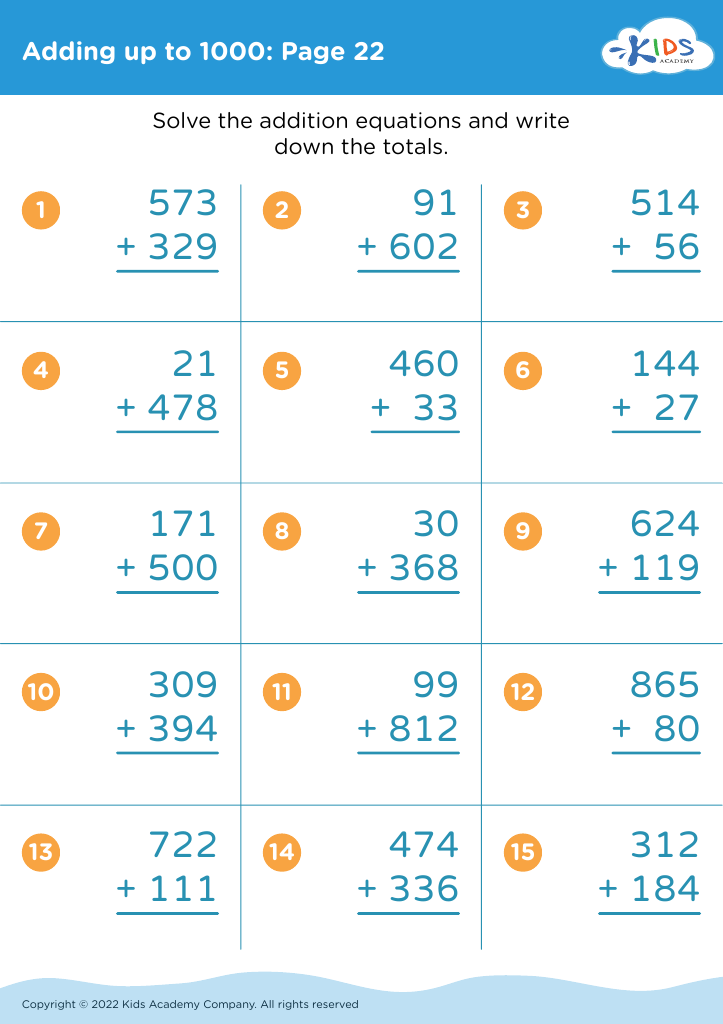
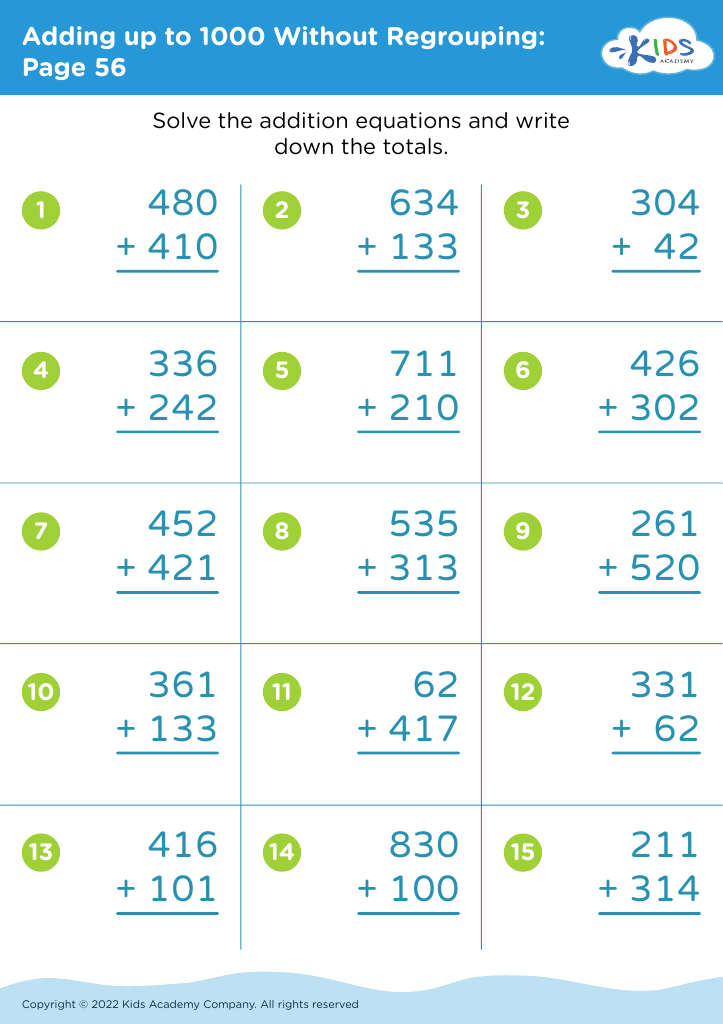
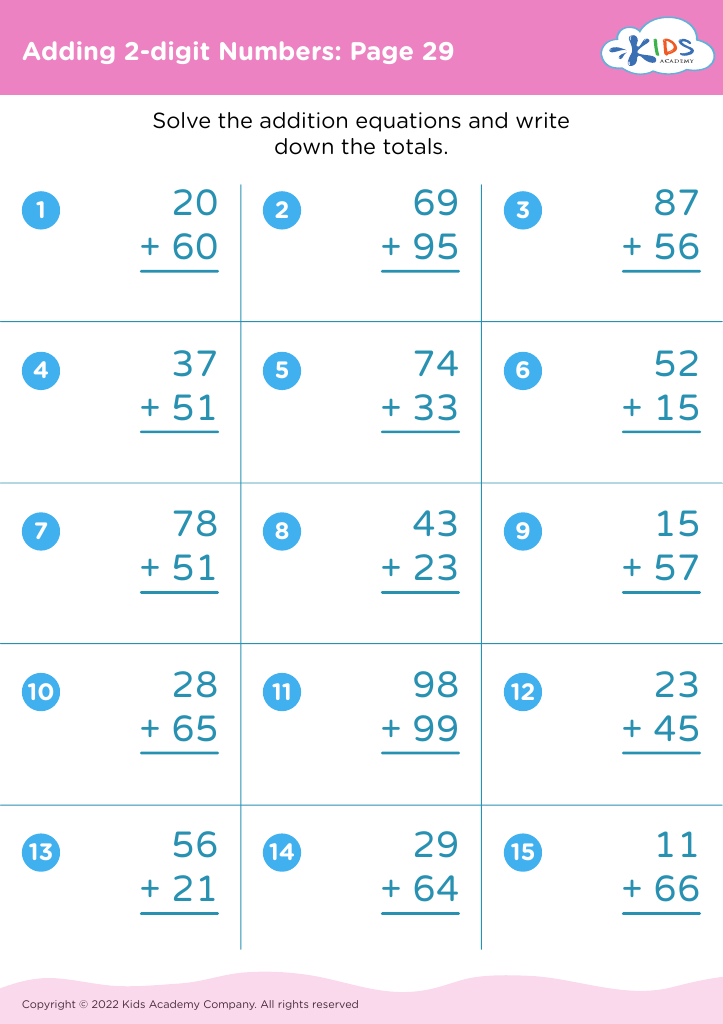
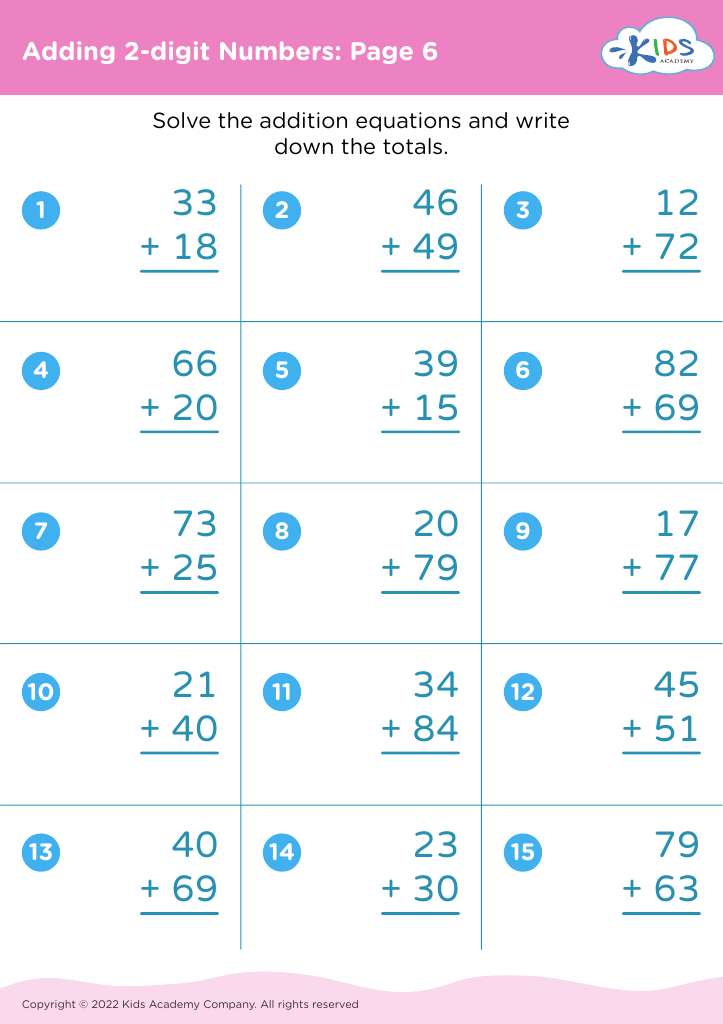
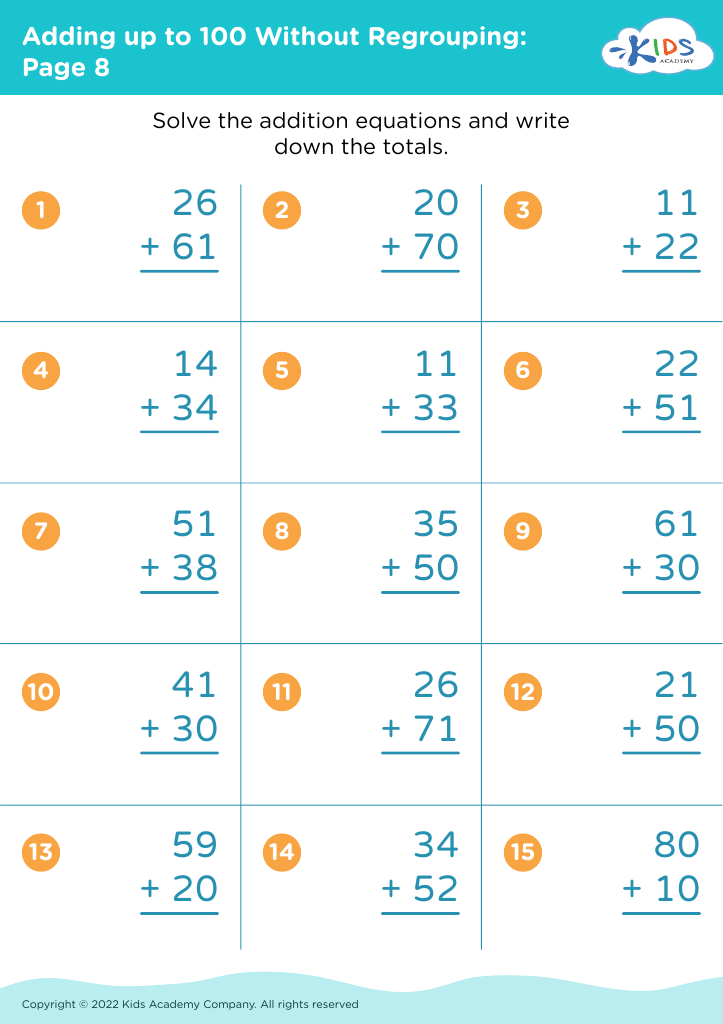
Discover our engaging Vocabulary Development Addition Worksheets designed specifically for children aged 6-8! These worksheets focus on enhancing vocabulary while reinforcing addition skills, making math both fun and educational. Packed with engaging activities, students will learn key mathematical terms and concepts through enjoyable word problems and exercises. Our thoughtfully crafted materials aim to bridge the gap between language and math, empowering young learners to express their thoughts clearly. Perfect for teachers and parents alike, these worksheets foster a love for learning in early grades. Equip your child with essential vocabulary and math skills today! Explore our collection and watch their confidence soar!





.jpg)


Vocabulary development for children aged 6-8 is crucial for their academic and social success. During this formative stage, children are building foundational language skills that impact their reading comprehension, communication abilities, and overall literacy. Expanding vocabulary not only enhances verbal skills but also fosters critical thinking and creativity, enabling children to express their ideas more clearly.
Teachers and parents play a vital role in encouraging vocabulary development through engaging activities that promote language learning. Techniques such as reading together, discussing new words, and integrating vocabulary into everyday conversations can make learning both interactive and enjoyable. Incorporating diverse books, games, and storytelling can help children connect words with meanings and contexts, reinforcing their understanding and usage.
Moreover, a rich vocabulary contributes to future academic achievement. Children with strong language skills are better equipped to tackle complex subjects, engage in discussions, and grasp nuanced ideas. It builds confidence, allowing students to participate actively in classroom activities. By prioritizing vocabulary development, parents and teachers equip kids with the tools they need to thrive in school and beyond, ensuring they're prepared for the challenges of the evolving educational landscape. Taking deliberate steps now can lead to long-lasting benefits in a child's learning journey.








