Improving counting skills Comparing Numbers Worksheets for Ages 6-8
3 filtered results
-
From - To
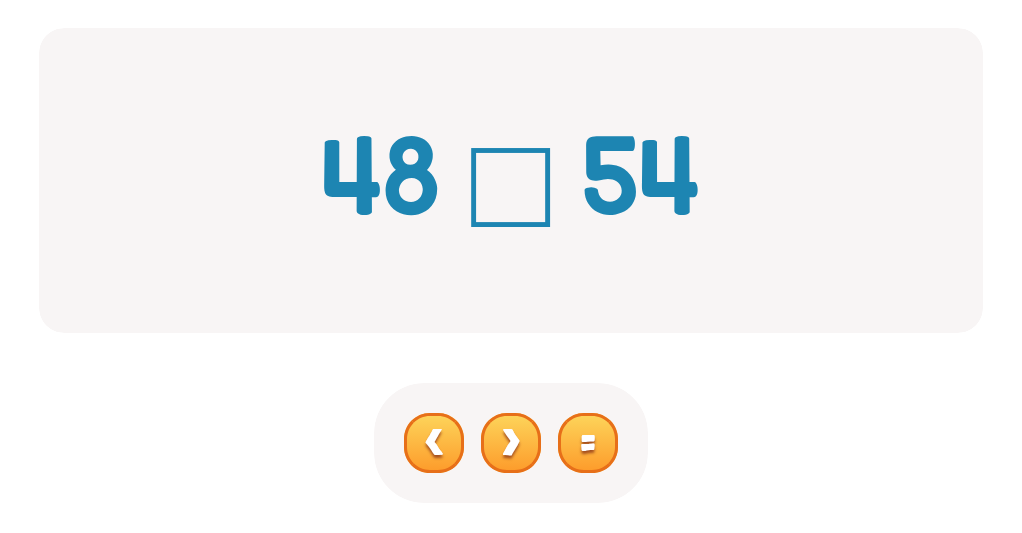
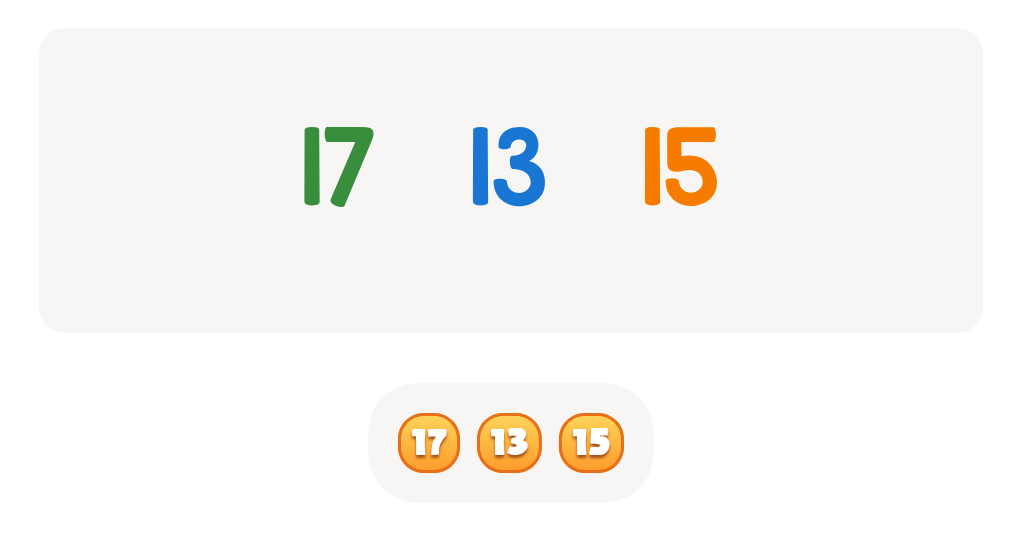
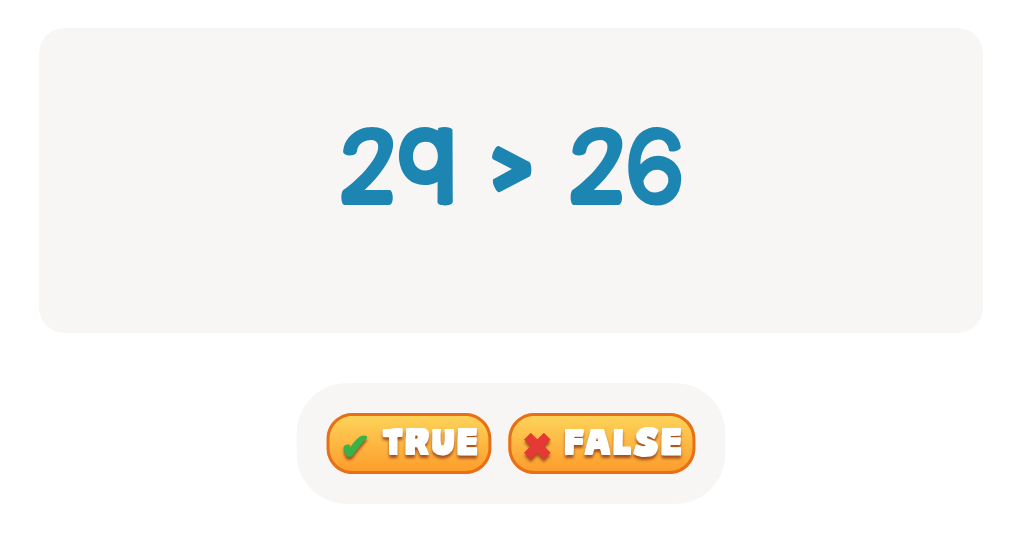
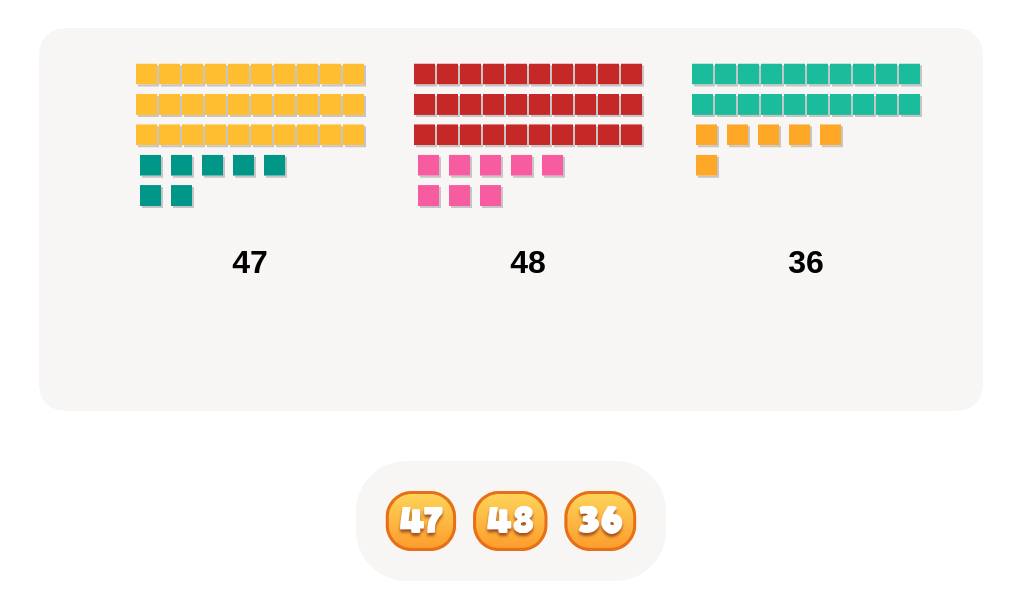
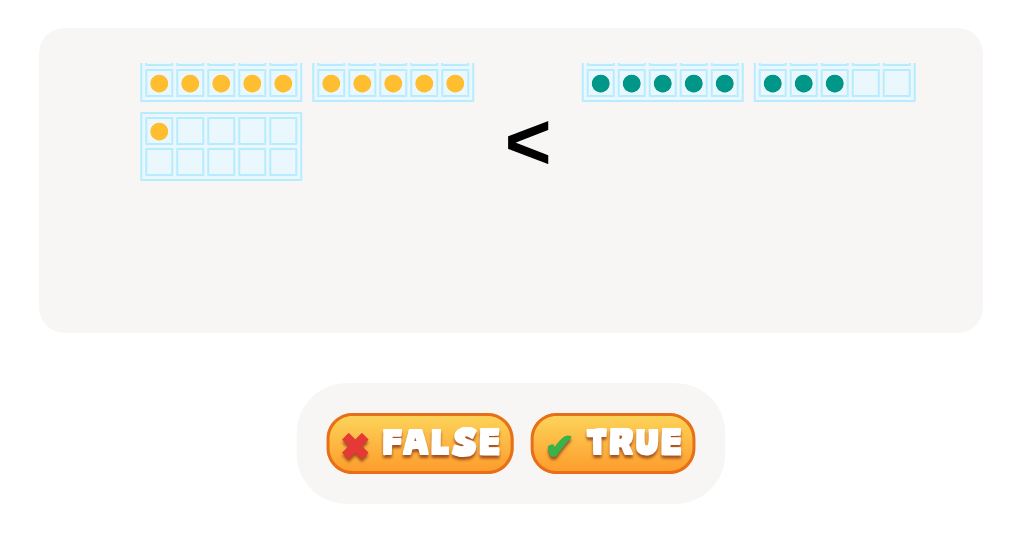
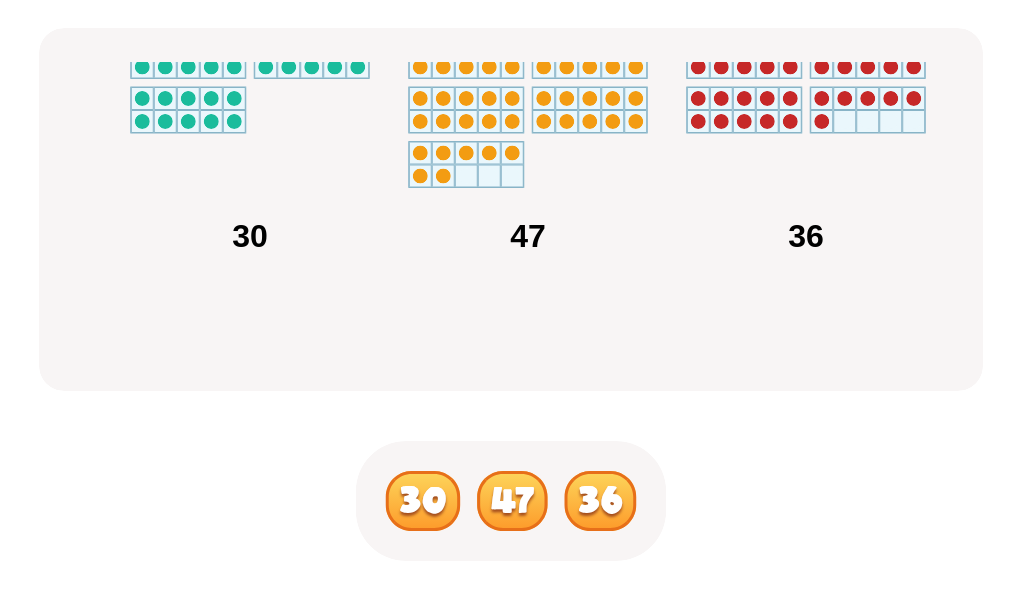
Enhance your child’s mathematical foundation with our “Improving Counting Skills: Comparing Numbers Worksheets,” designed specifically for ages 6-8. These engaging worksheets provide fun and interactive activities that help young learners develop essential counting and comparison skills. Through vibrant illustrations and varied exercises, children will practice identifying greater than, less than, and equal to relationships, building their confidence in math. Perfect for home or classroom use, these resources are tailored to meet the developmental needs of early learners. Foster a love for numbers while ensuring students grasp fundamental concepts with our carefully crafted printable worksheets. Let’s make learning math enjoyable!
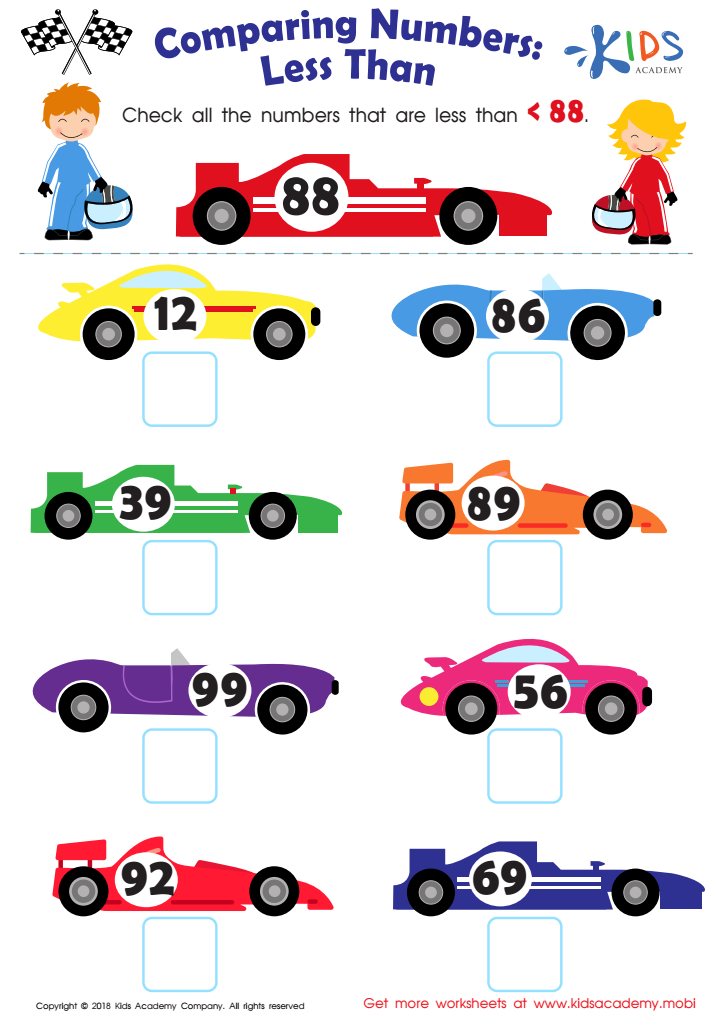
Less Than Worksheet
 Assign to My Students
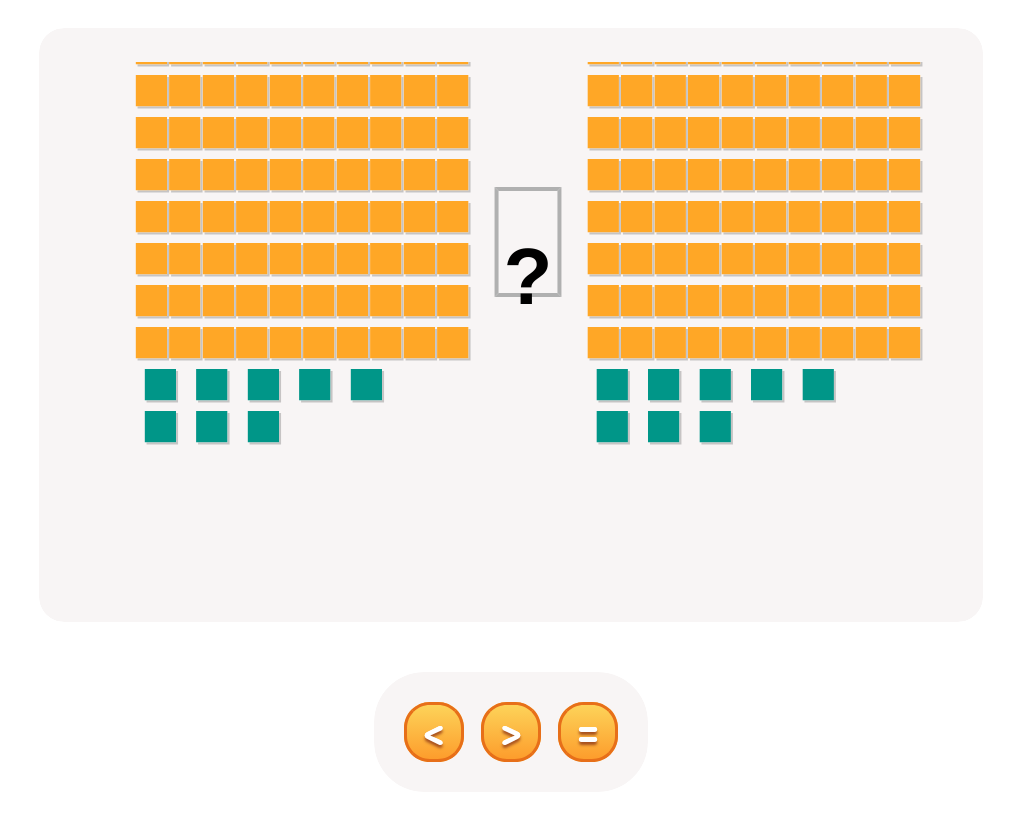

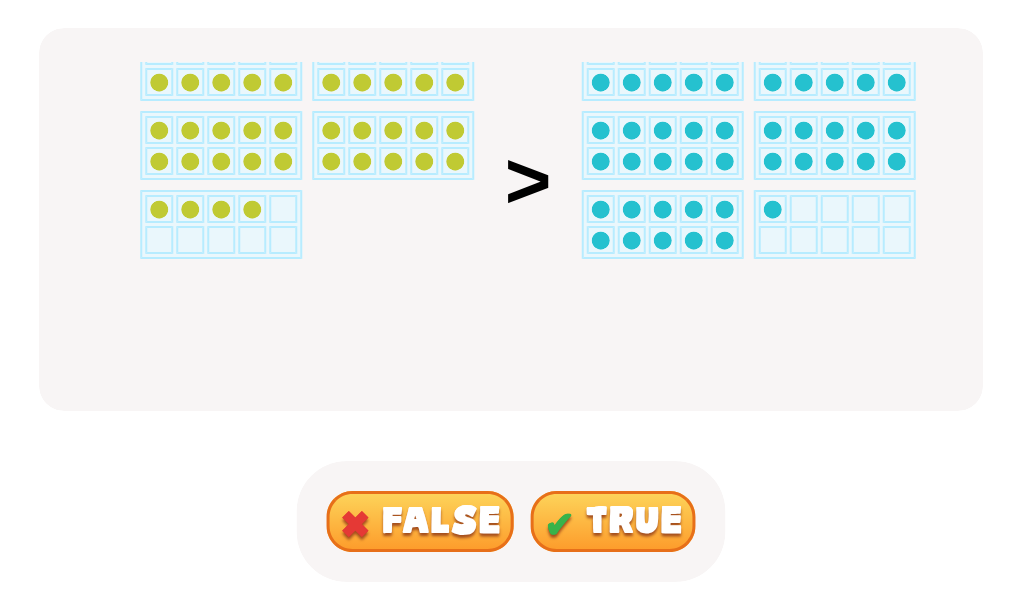
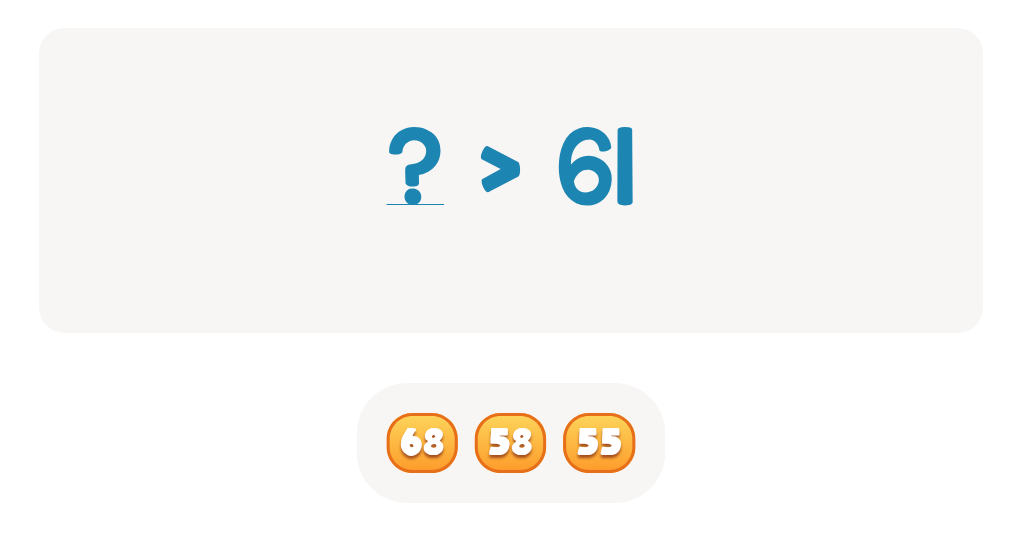
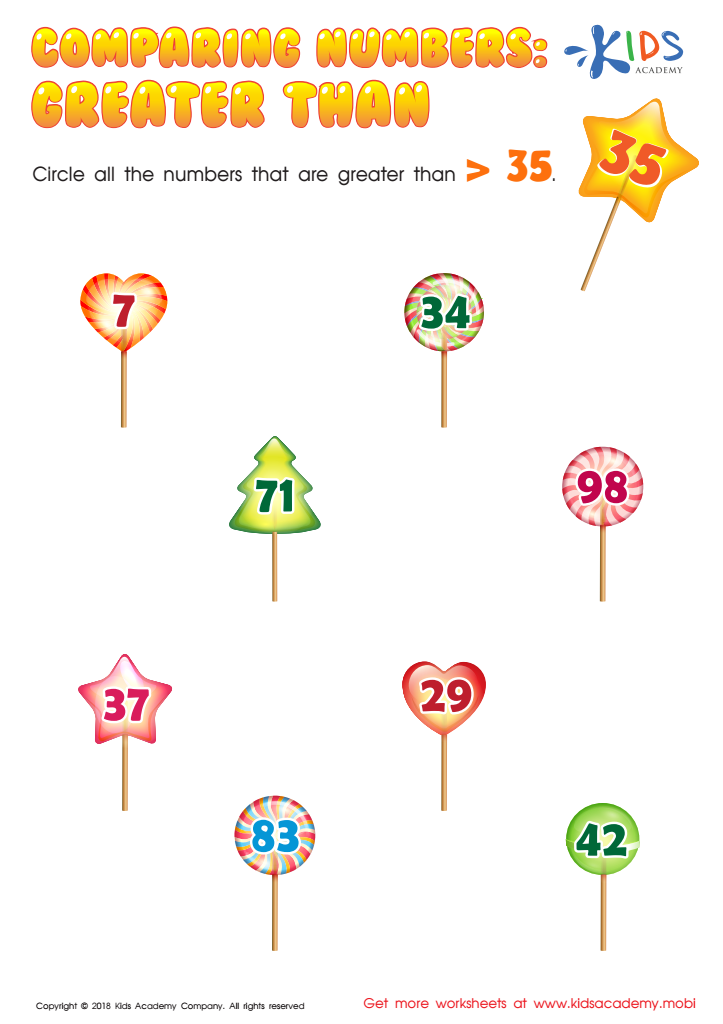
Greater Than Worksheet
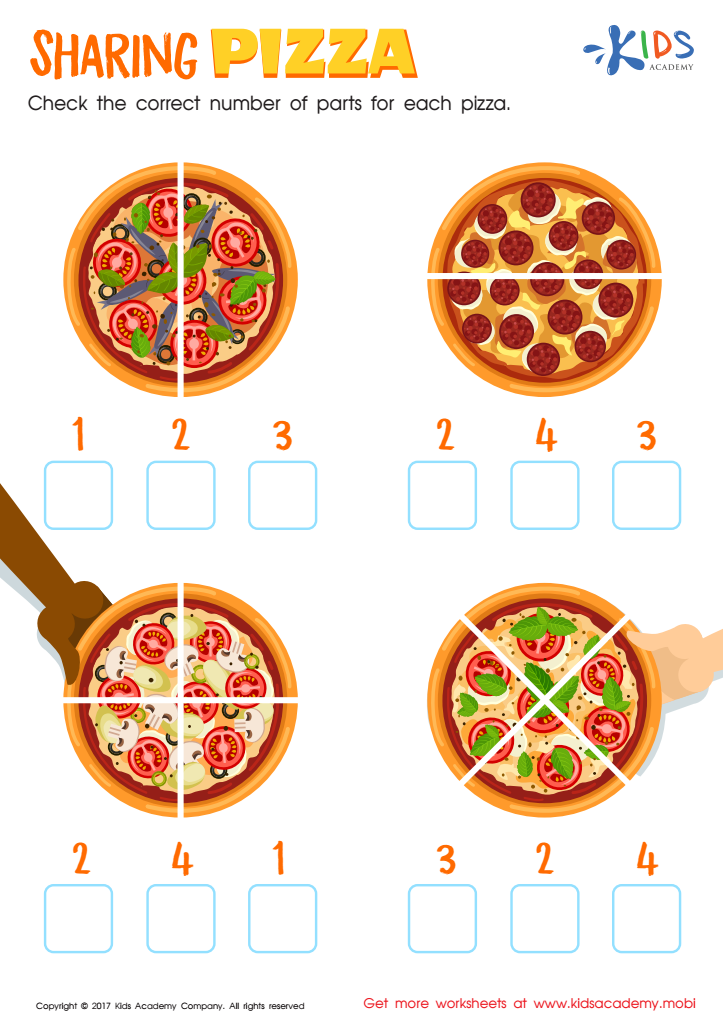
Sharing Pizza Worksheet








Improving counting skills and learning to compare numbers is vital for children aged 6-8 as these foundational abilities set the stage for more complex mathematical concepts later in life. At this stage, children are developing critical thinking and problem-solving skills, and a strong grasp of counting enhances their ability to understand quantity and numerosity.
Counting helps children recognize patterns, which is essential in mathematics and everyday life. It also boosts confidence in their numerical abilities, encouraging active participation in mathematical activities and reducing math anxiety. Comparing numbers introduces children to essential concepts of greater than, less than, and equal to, laying the groundwork for understanding operations such as addition and subtraction.
Moreover, these skills are not just theoretical; they apply to daily situations, from managing money to understanding measurements. By honing these skills, parents and teachers can empower children to navigate their world more effectively and develop a positive attitude toward math. Ultimately, fostering strong counting and comparing skills in early learners helps cultivate mathematical literacy, better positions them for academic success, and equips them with skills to problem-solve and think critically throughout their lives.








