
Comparing weights Math Worksheets for Ages 6-8
4 filtered results
Difficulty Level
Grade
Age
-
From - To
Subject
Activity
Standards
Discover our "Comparing Weights Math Worksheets for Ages 6-8," designed to make learning fun and engaging! These worksheets help young learners grasp the basics of weight comparison using everyday objects. Each activity builds critical thinking and measurement skills, offering a variety of exercises that promote hands-on learning and real-life application. Perfect for classroom or home use, these printable worksheets are tailored to suit your child's unique learning pace, boosting confidence and fostering a solid mathematical foundation. Dive in and watch your child's understanding of weights soar!
Favorites
With answer key
Interactive
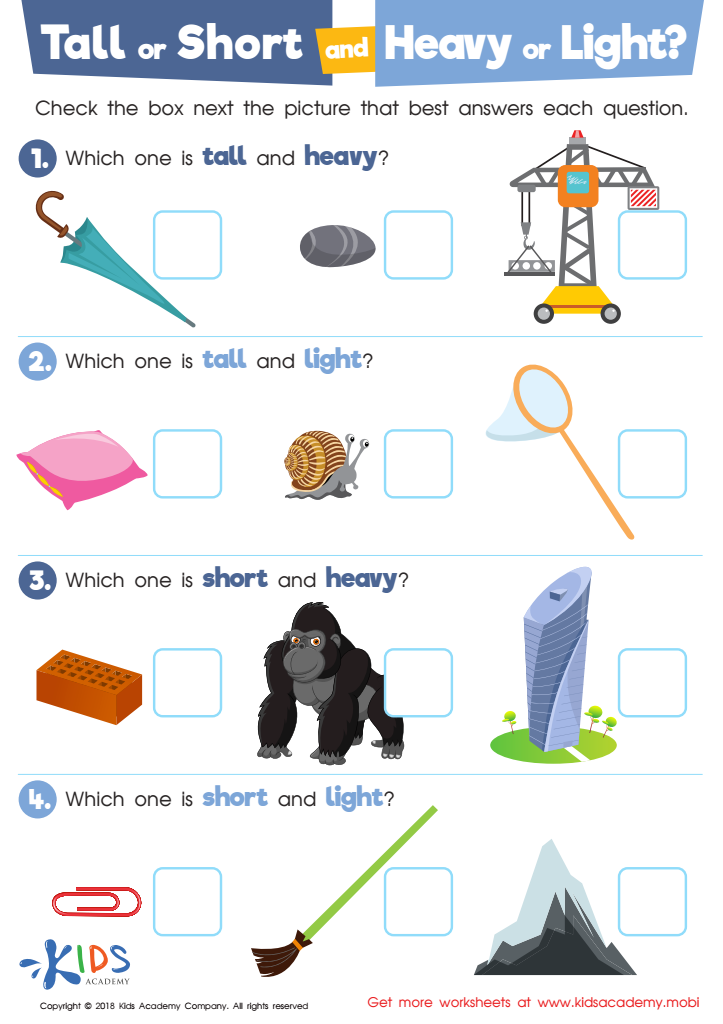
Tall or Short and Heavy or Light? Worksheet
Young children can find basic measurement concepts tricky. This PDF introduces them to the appropriate vocabulary for describing heavy, light, tall and short items, by using familiar pictures. It helps them accurately select which items fit each category.
 Assign to My Students
Tall or Short and Heavy or Light? Worksheet
Worksheet
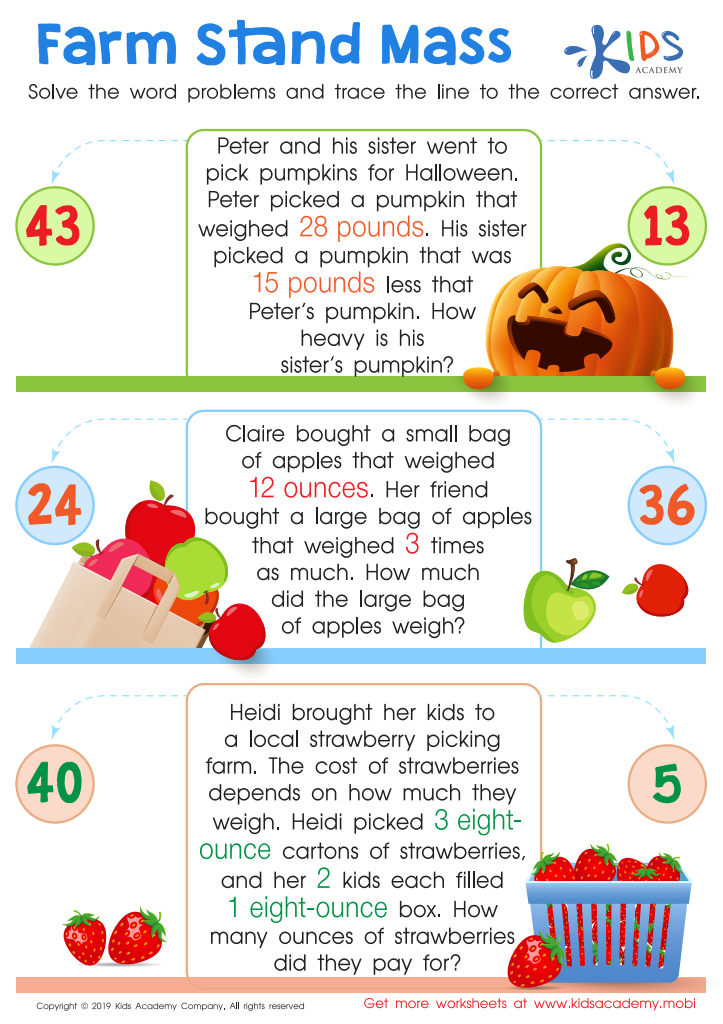
Farm Stand Mass Worksheet
Engage your kids in a fun learning adventure! Encourage them to practice what they learn in school using this worksheet. Look at the picture and read the problem together. Help them solve it and trace the line to the answer. Make learning enjoyable and your kids will be more motivated!
Farm Stand Mass Worksheet
Worksheet
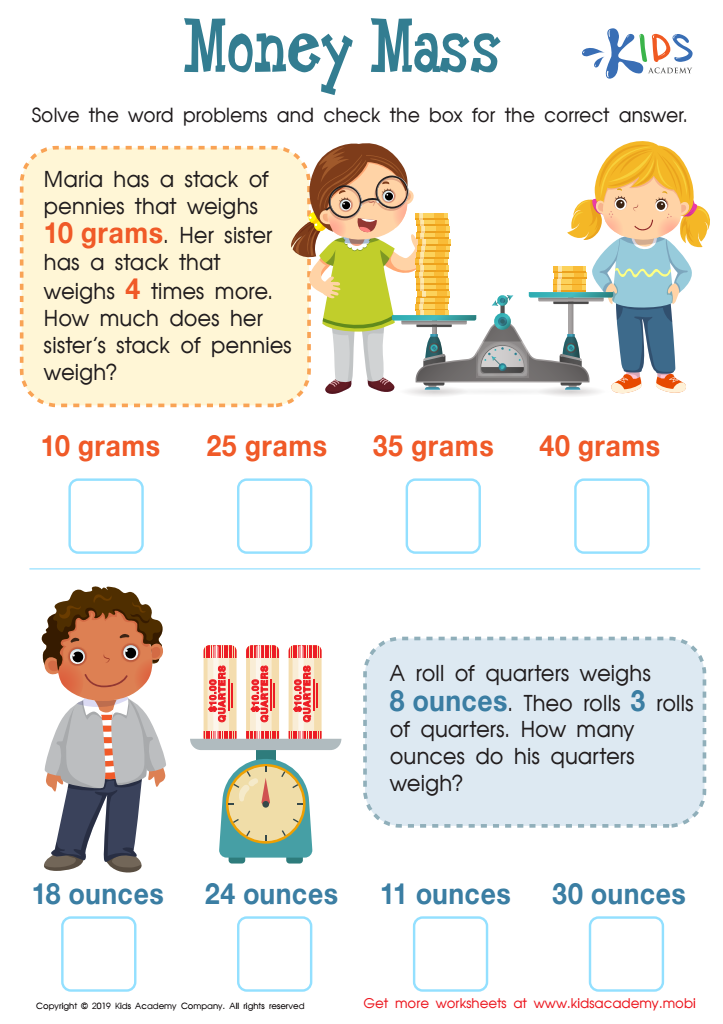
Money Mass Worksheet
By regularly working on math with your kids, they will become more confident. Ensure they understand the word problems in this printout, and help them solve it. Check the box for the correct answer of each to verify their work. With this practice, they will gradually get used to math and make progress.
Money Mass Worksheet
Worksheet
Join Kids Academy for Free
Who is primarily going to use this learning content?




.jpg)
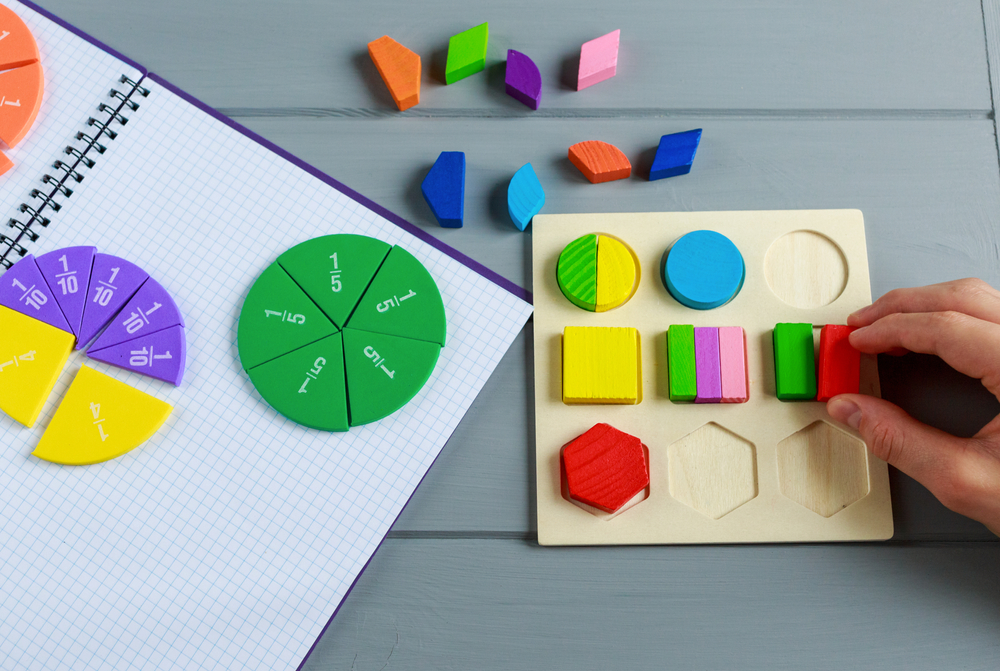

Teaching young children the concept of comparing weights is essential for several reasons. Firstly, it builds foundational math skills that are crucial for future learning. By understanding weights, children can better grasp broader mathematical concepts such as measurement, estimation, and problem-solving. These skills are not only vital in math but also in science and everyday life.
Secondly, comparing weights enhances critical thinking and reasoning abilities. When kids distinguish between heavier and lighter objects, they learn to make comparisons, analyze information, and draw conclusions. This hands-on, practical experience bolsters their cognitive development and helps them become more astute observers of the world around them.
Another key aspect is real-world application. Daily activities often involve weight comparisons — whether they are measuring ingredients in a recipe, packing a school bag, or deciding if they can lift a particular object. Familiarity with weight concepts makes children more competent and independent in handling these tasks.
Lastly, engaging in activities that focus on weight comparison can be quite interactive and fun. Using various objects for practical exercises keeps children engaged and excited about learning. This positive experience contributes to an enduring interest in mathematics and problem-solving.
Therefore, fostering an understanding of comparing weights in young children not only enriches their academic growth but also equips them with practical life skills.








