Counting practice Math Worksheets for Ages 6-8 - Page 2
122 filtered results
-
From - To
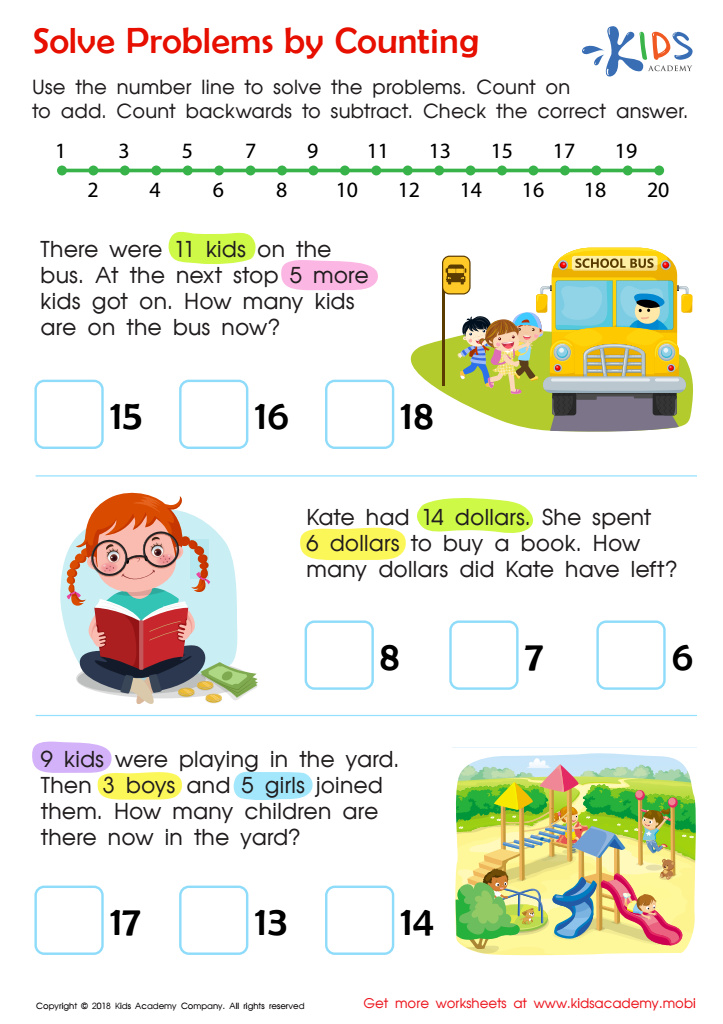
Solve Problems by Counting Worksheet
 Assign to My Students
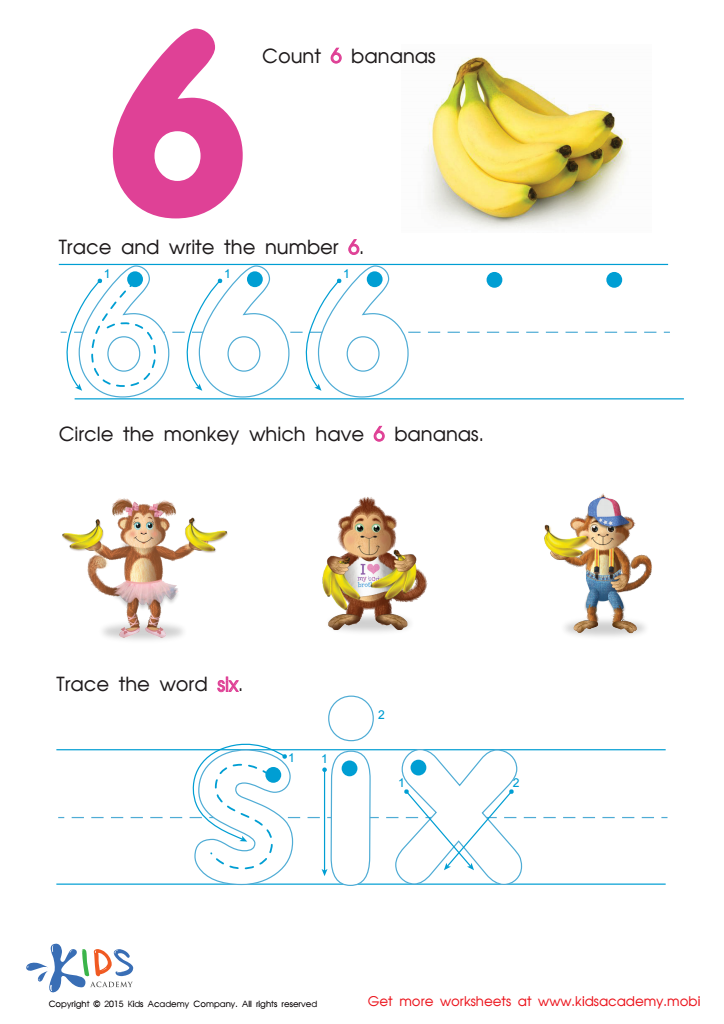
Tracing And Writing Number 6 Worksheet
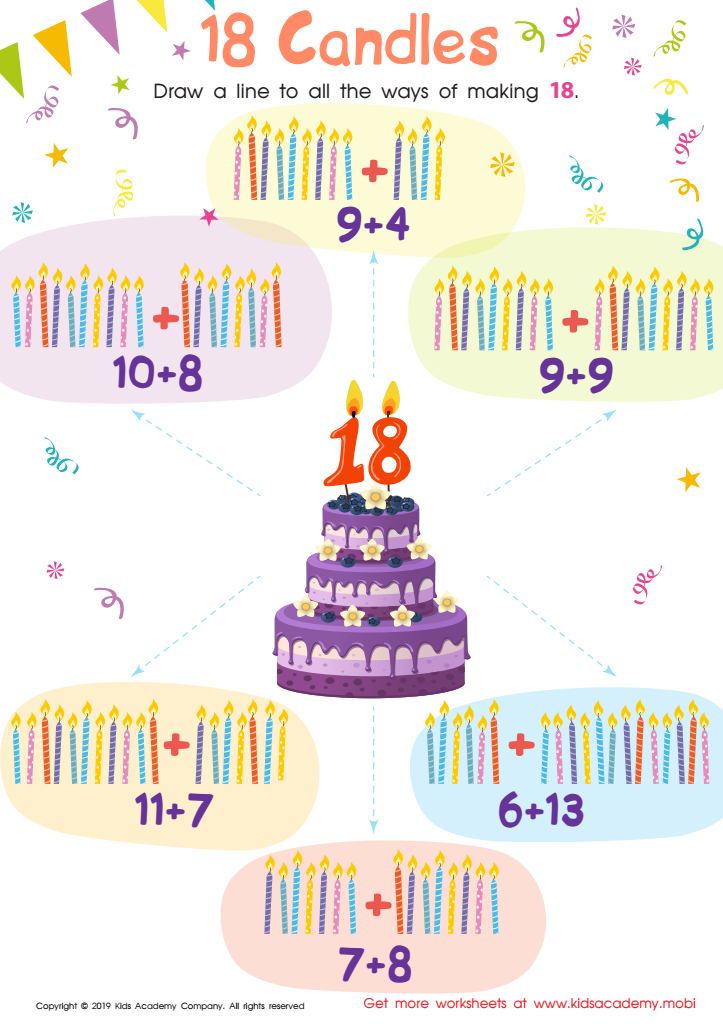
18 Candles Worksheet
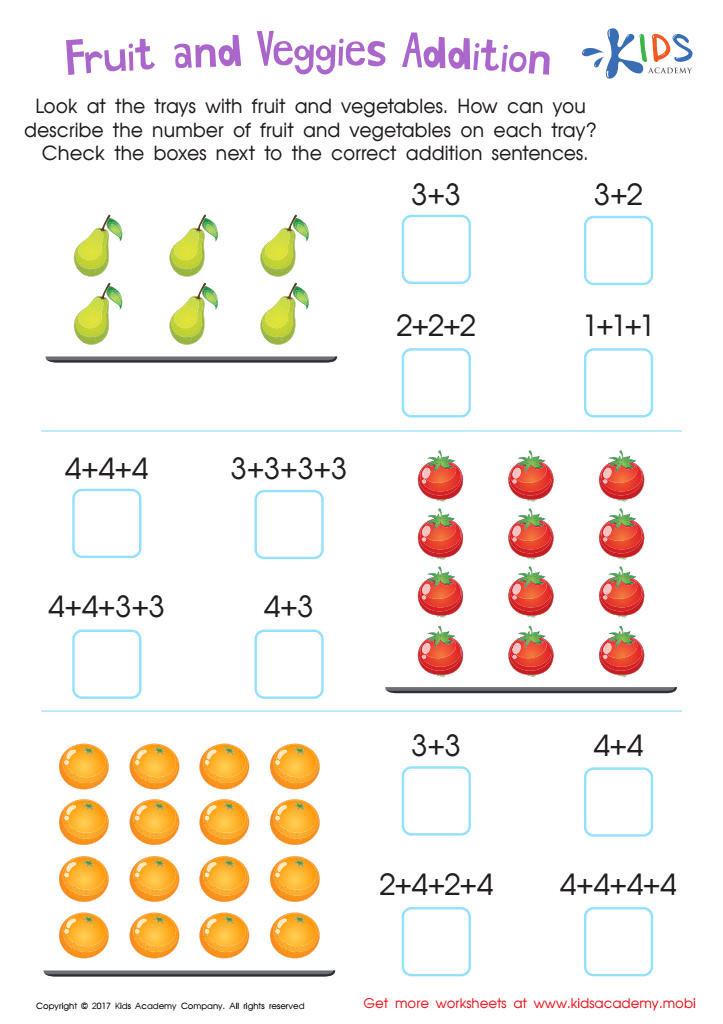
Fruit and Veggies Worksheet
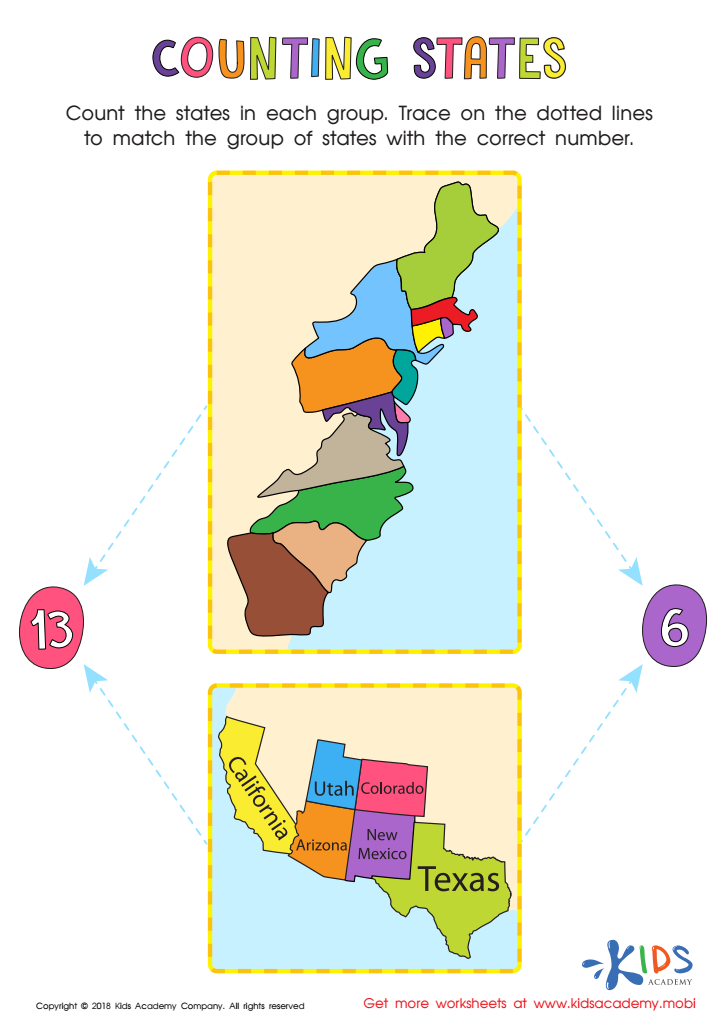
Counting States Worksheet
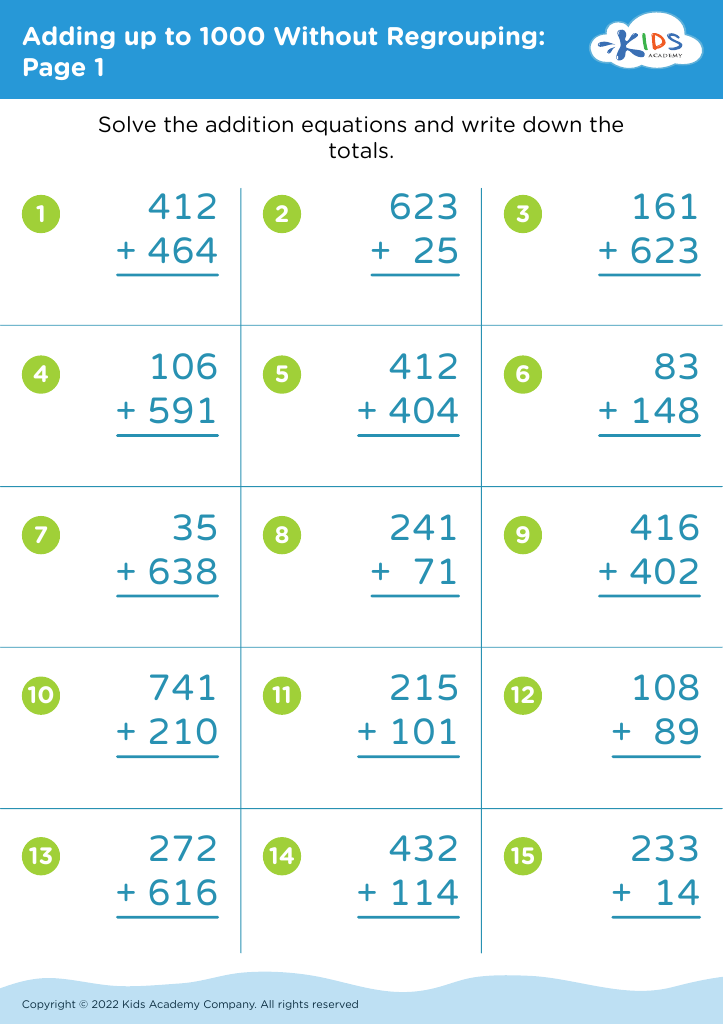
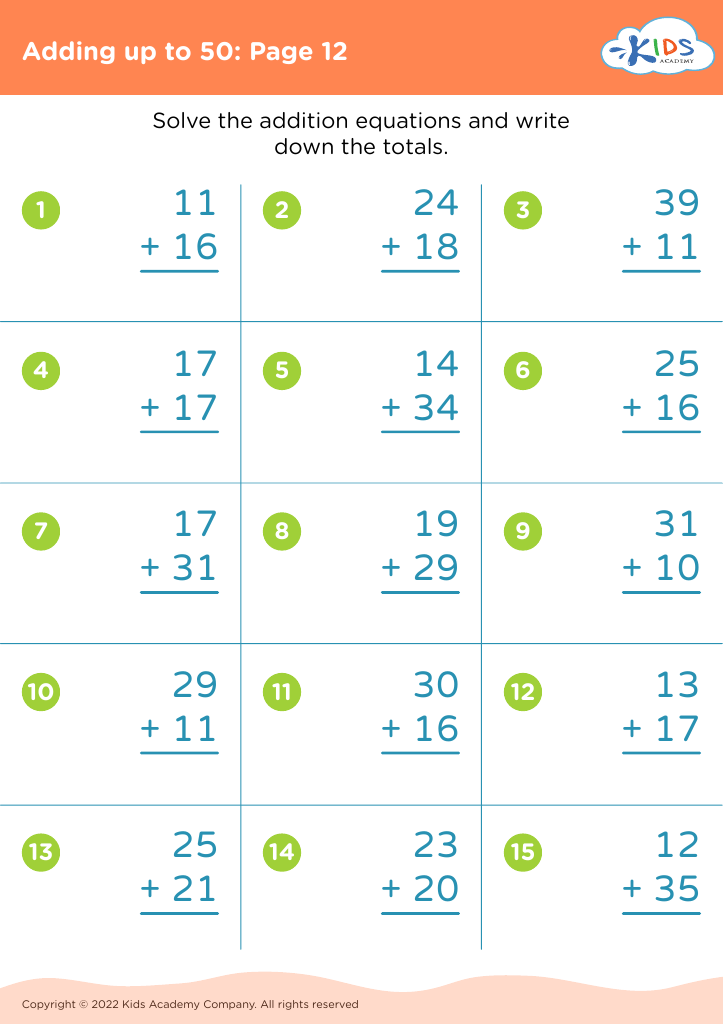
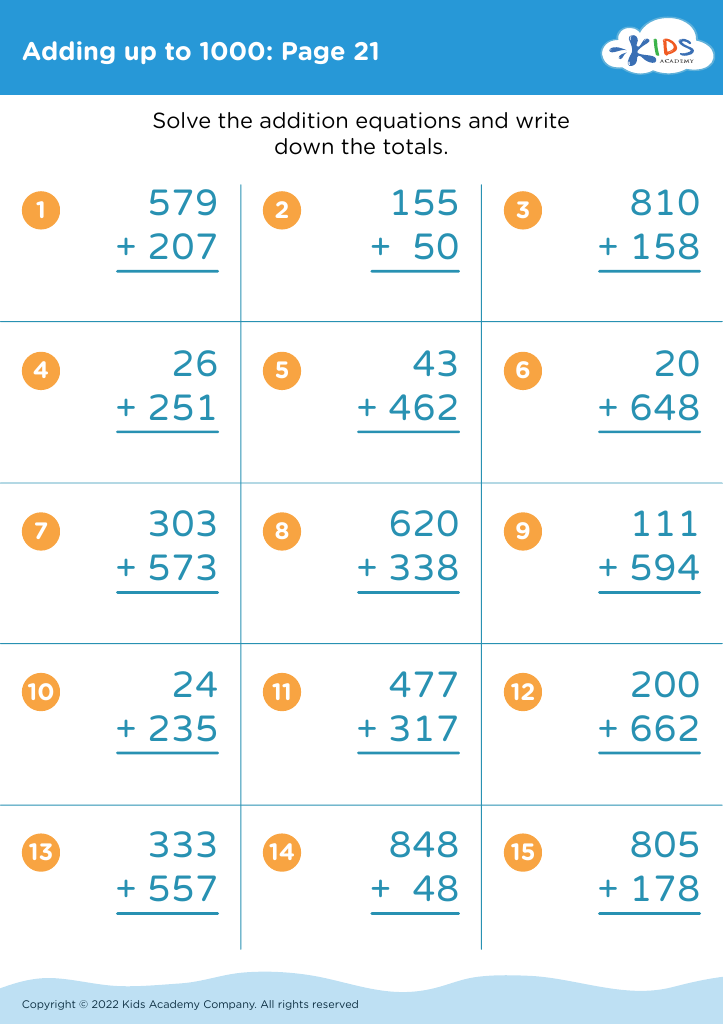
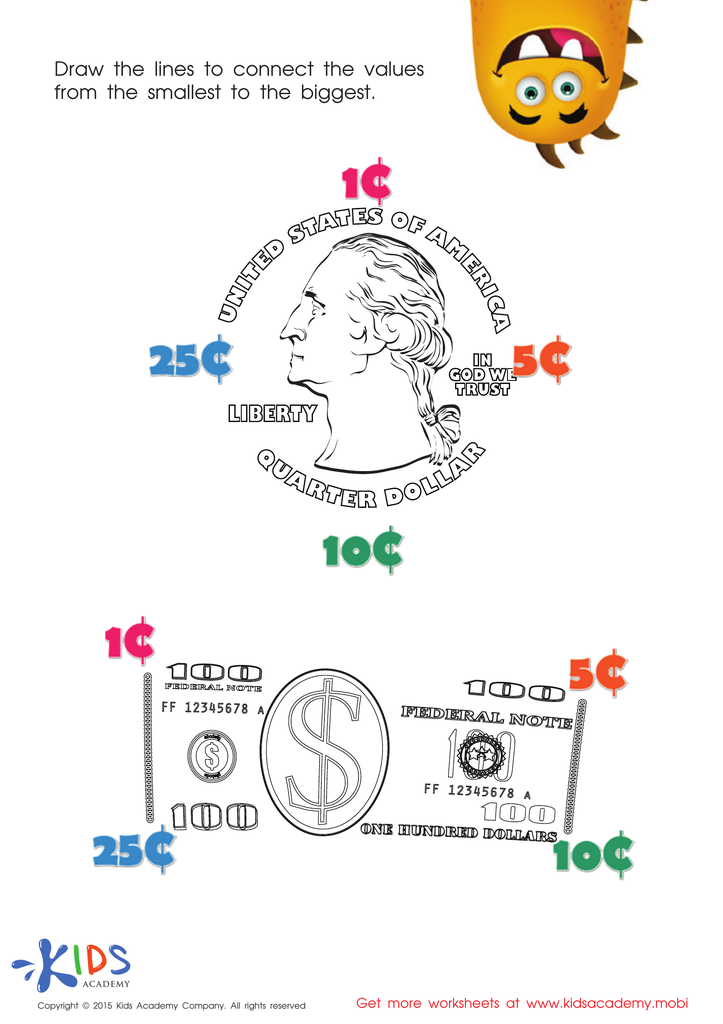
Connecting the Values Money Worksheet
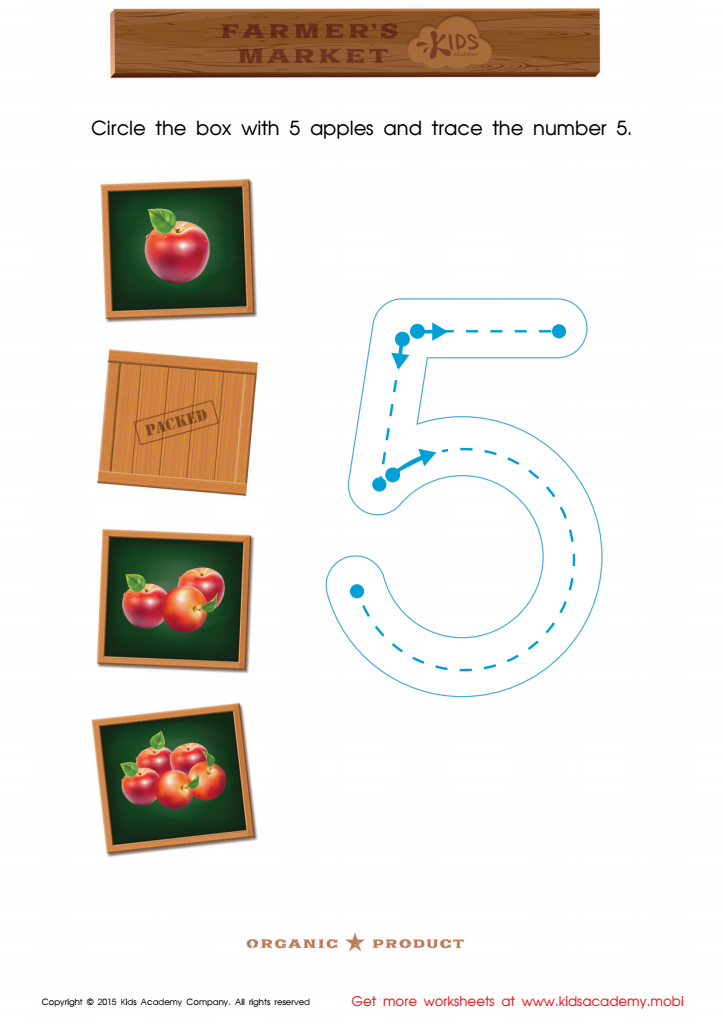
Count the Apples and Trace the Number 5 Printable
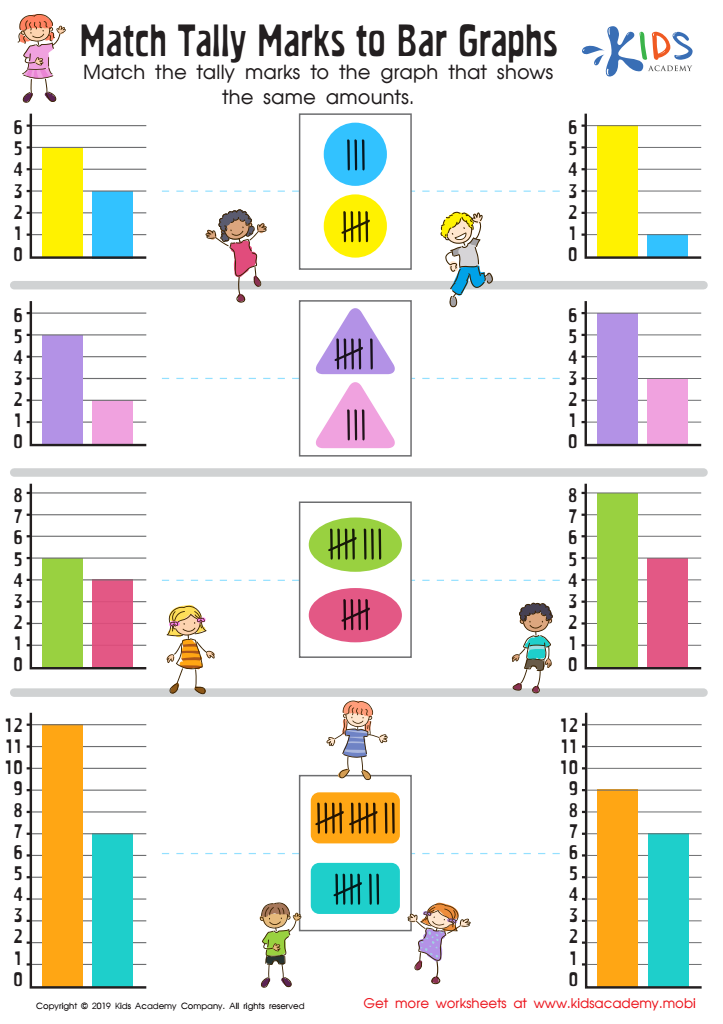
Match Tally Marks to Bar Graphs Worksheet
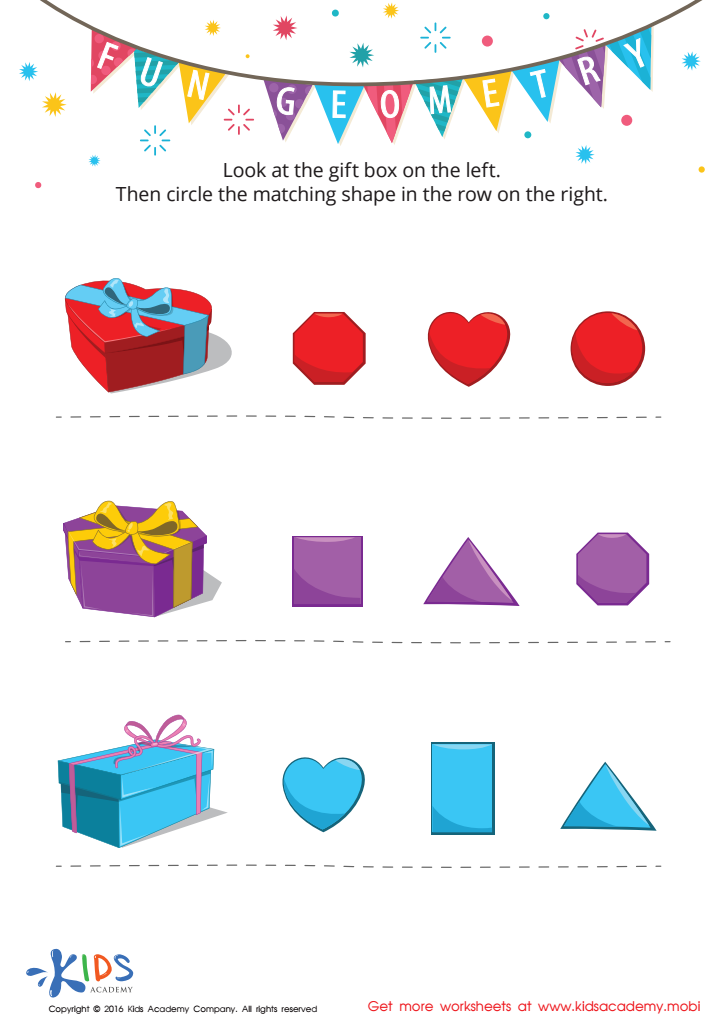
Fun Geometry Worksheet
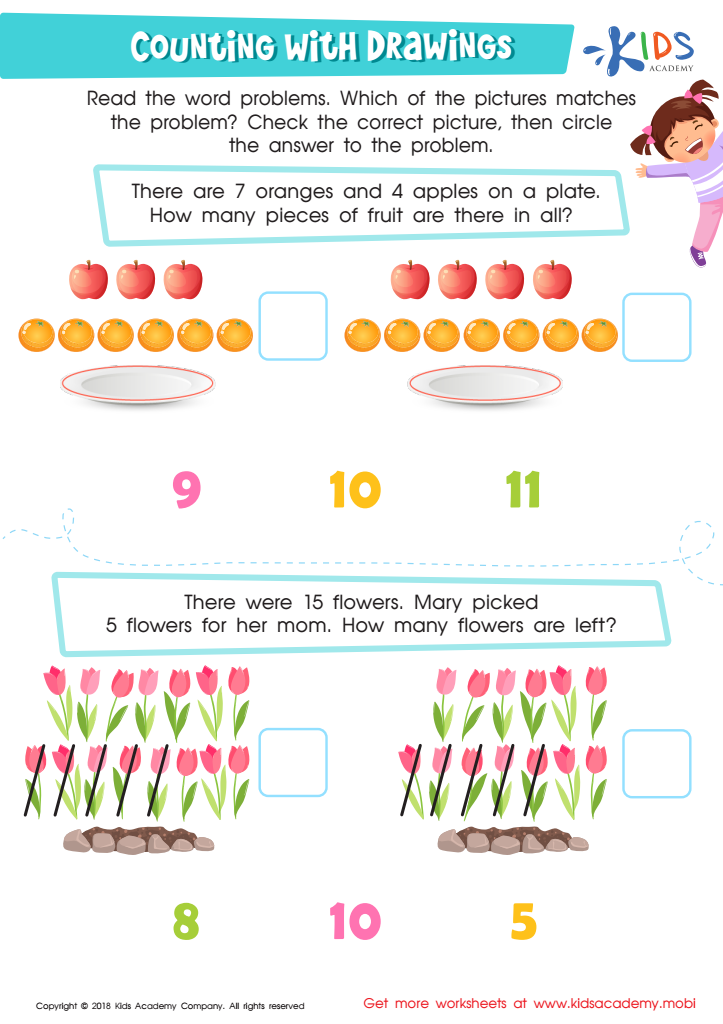
Counting with Drawings: Fruits & Chocolates Worksheet
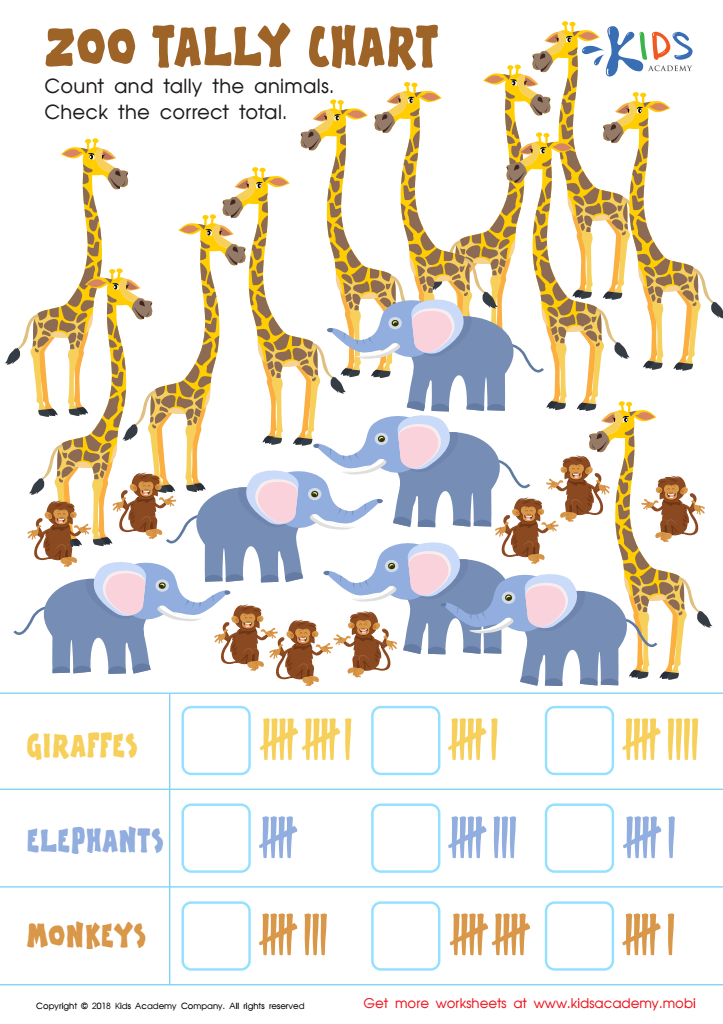
Zoo Tally Chart Worksheet
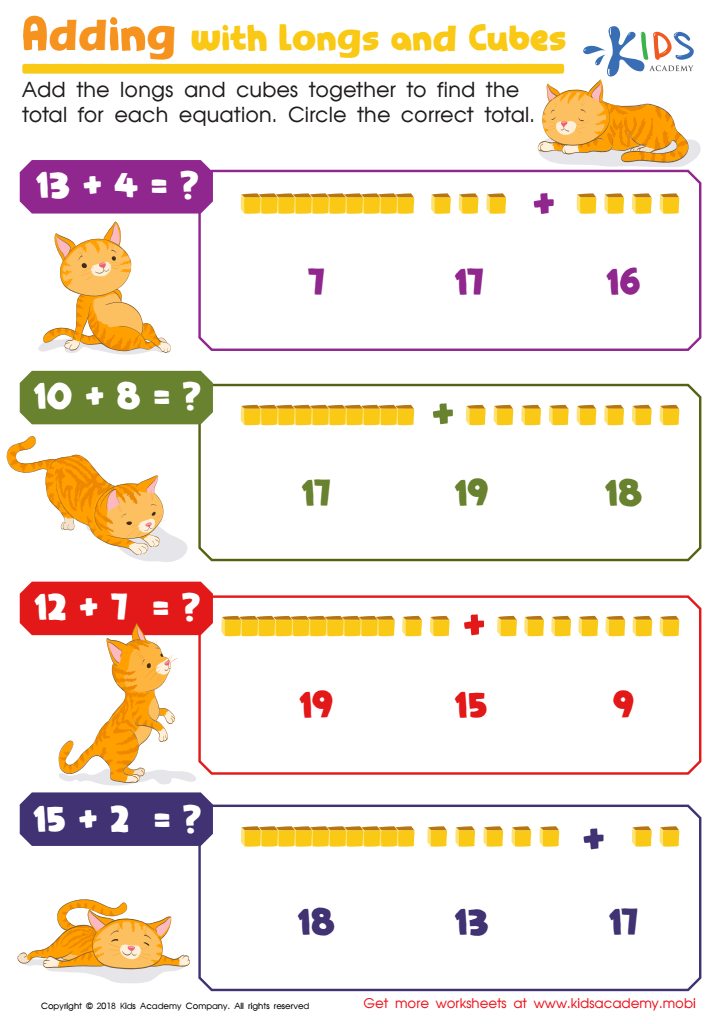
Adding With Longs and Cubes Worksheet





.jpg)
.jpg)

Counting practice is crucial for children aged 6-8, as it lays the foundation for their mathematical understanding and overall cognitive development. At this stage, children are refining their number sense, which is fundamental for their subsequent learning in mathematics. Mastering counting helps students recognize patterns, understand quantities, and develop confidence in problem-solving.
Moreover, counting serves as a bridge between concrete and abstract concepts. By physically counting objects, children make connections between numbers and their real-world applications. This hands-on learning fosters a deeper understanding of addition, subtraction, and later, multiplication and division.
Regular counting practice also enhances fine motor skills through activities like writing numbers or manipulating objects. It encourages logical thinking, promotes persistence through challenges, and cultivates a positive attitude toward mathematics, reducing math anxiety in later years.
For parents and teachers, supporting counting practice at home or in the classroom reinforces these skills in a playful, engaging manner. It can be seamlessly integrated into daily activities, making learning enjoyable and relevant. Ultimately, prioritizing counting practice is an investment in children's future academic success and lifelong learning, ensuring they build strong mathematical foundations.








