Developing analytical thinking Math Worksheets for Ages 6-8
4 filtered results
-
From - To
Discover our engaging and innovative "Developing Analytical Thinking Math Worksheets" designed for kids aged 6-8. These thoughtfully crafted worksheets aim to enhance critical thinking skills through fun and interactive math challenges. Each activity encourages young learners to analyze, interpret, and solve problems, fostering a strong foundation in analytical thinking. Perfect for at-home learning or classroom use, these worksheets make math enjoyable while developing reasoning abilities. From puzzles to word problems, your child will gain confidence as they navigate through engaging exercises tailored to their age group. Join us in nurturing a love for math and critical thinking in your child today!
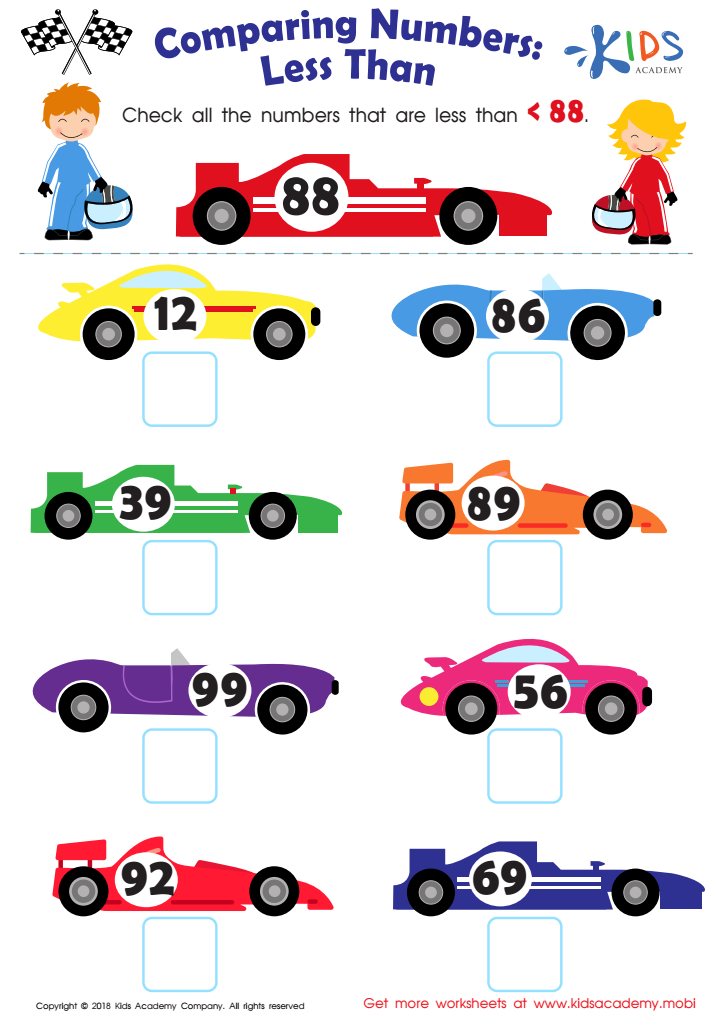
Less Than Worksheet
 Assign to My Students
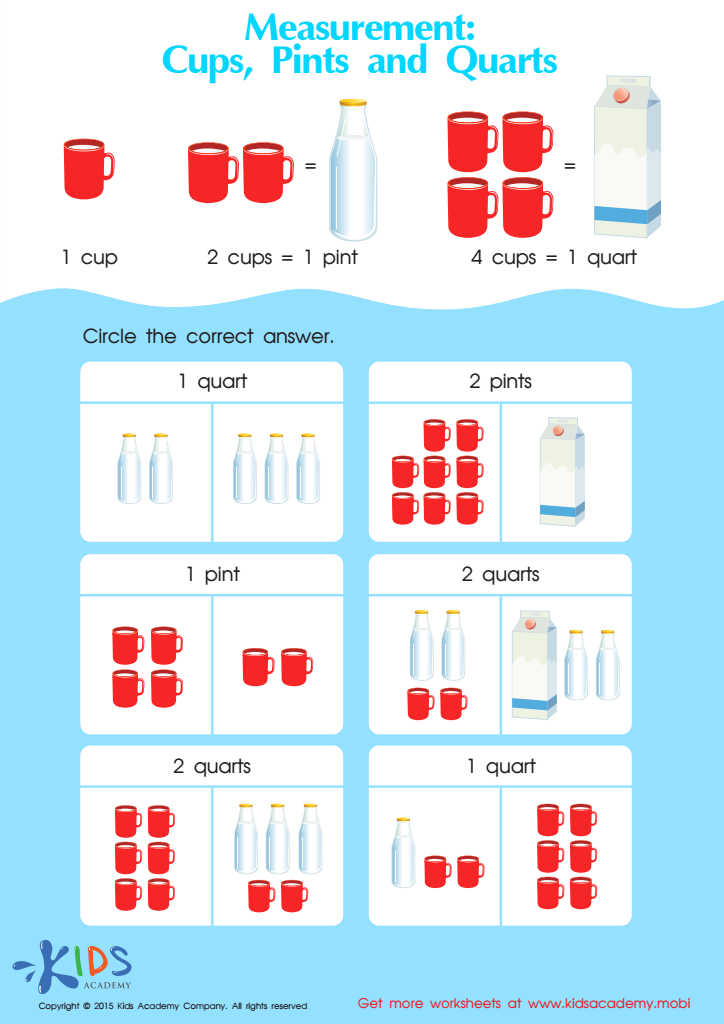
Cups, Pints and Quarts Worksheet
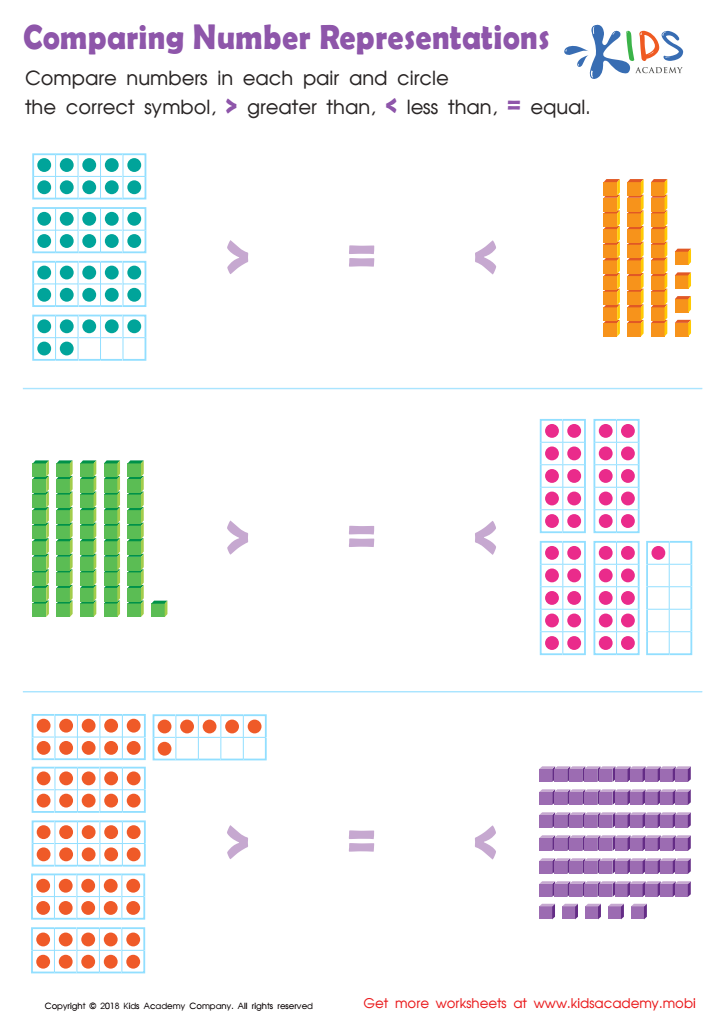
Comparing Number Representations Worksheet
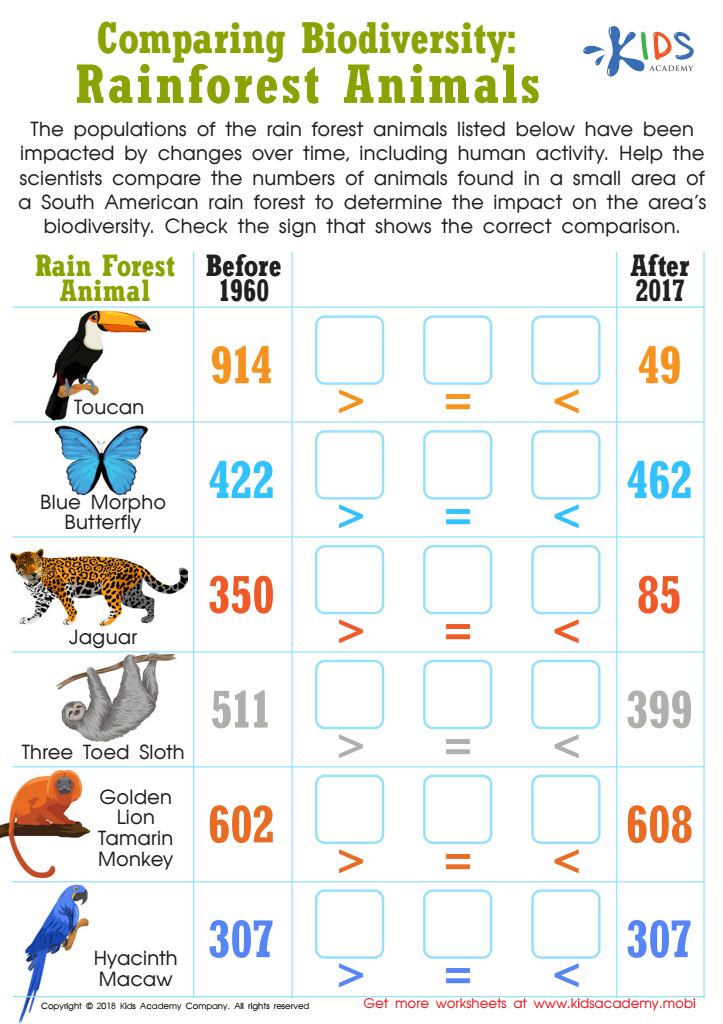
Comparing Biodiversity: Rainforest Animals Worksheet








Developing analytical thinking in mathematics for children aged 6-8 is crucial for their overall cognitive development and future success. At this age, children are particularly receptive to learning foundational skills that will shape their problem-solving abilities. Analytical thinking enables kids to break down complex problems into manageable parts, recognize patterns, and make logical connections—skills that are essential not only in math but also in everyday life.
When parents and teachers emphasize analytical thinking in math, they help children cultivate curiosity and a love for learning. Early exposure to these skills can improve their academic performance, making them more confident and engaged learners. Moreover, such training promotes resilience, as kids learn to approach challenges systematically and understand that failure is a step towards success.
Additionally, fostering analytical thinking enhances children's ability to work collaboratively and communicate their reasoning effectively. As they learn to articulate their thought processes, they also develop important social skills. In an increasingly complex world, these abilities lay the groundwork for critical thinking and decision-making in later academic pursuits and, ultimately, in their professional lives. Thus, nurturing analytical thinking in young learners is essential for building a solid foundation for lifelong learning and success.








