Enhances number recognition Math Worksheets for Ages 6-8
5 filtered results
-
From - To
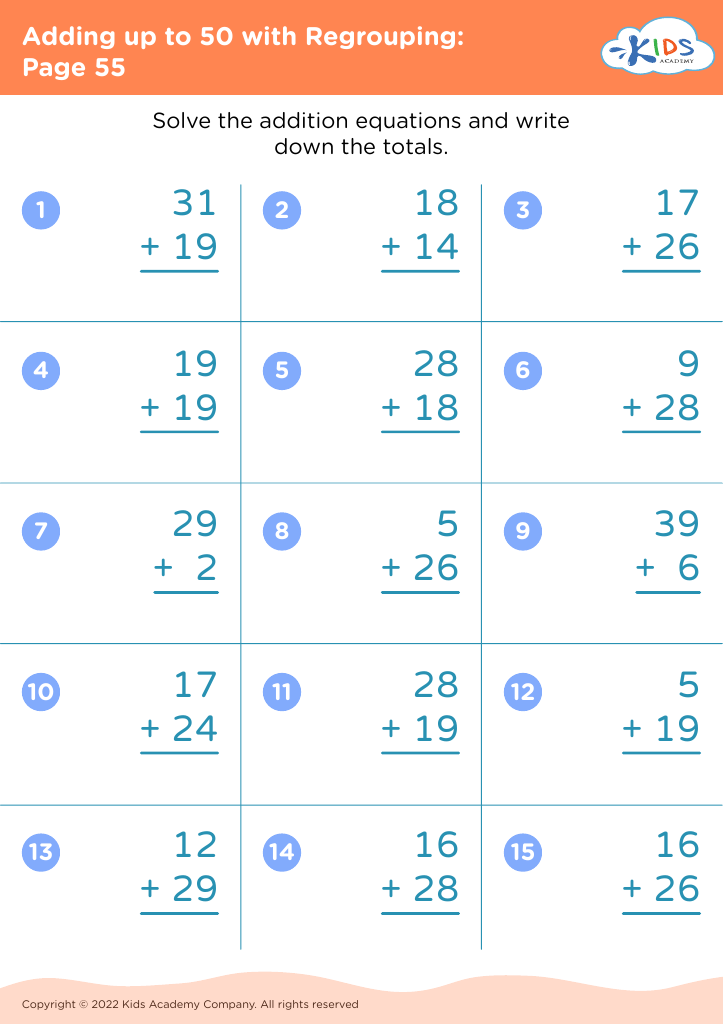
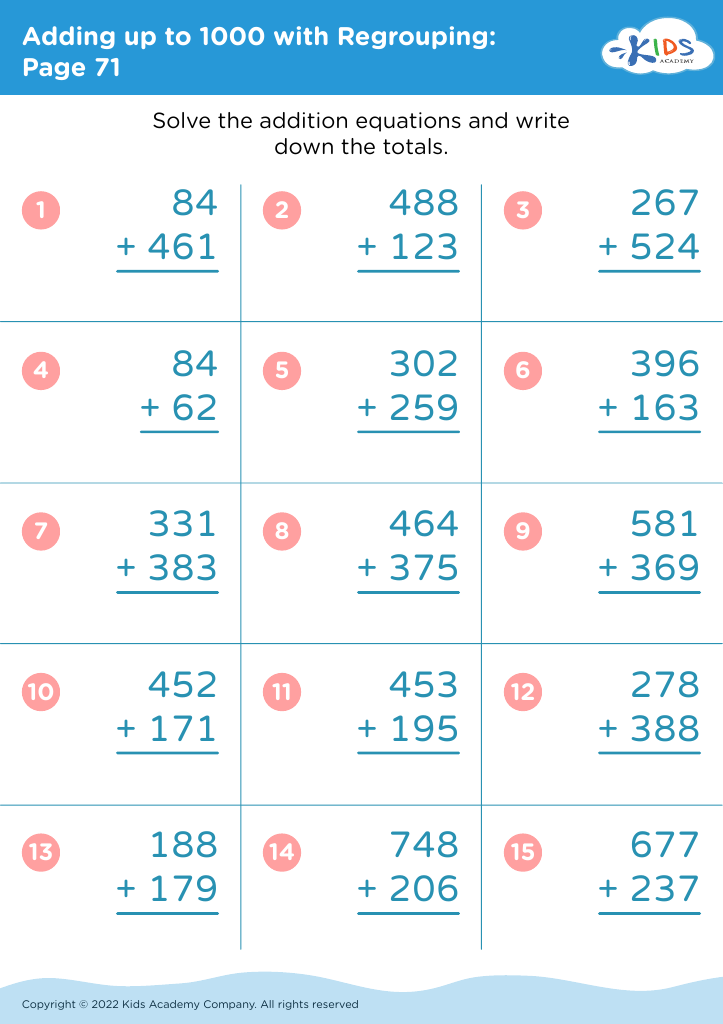
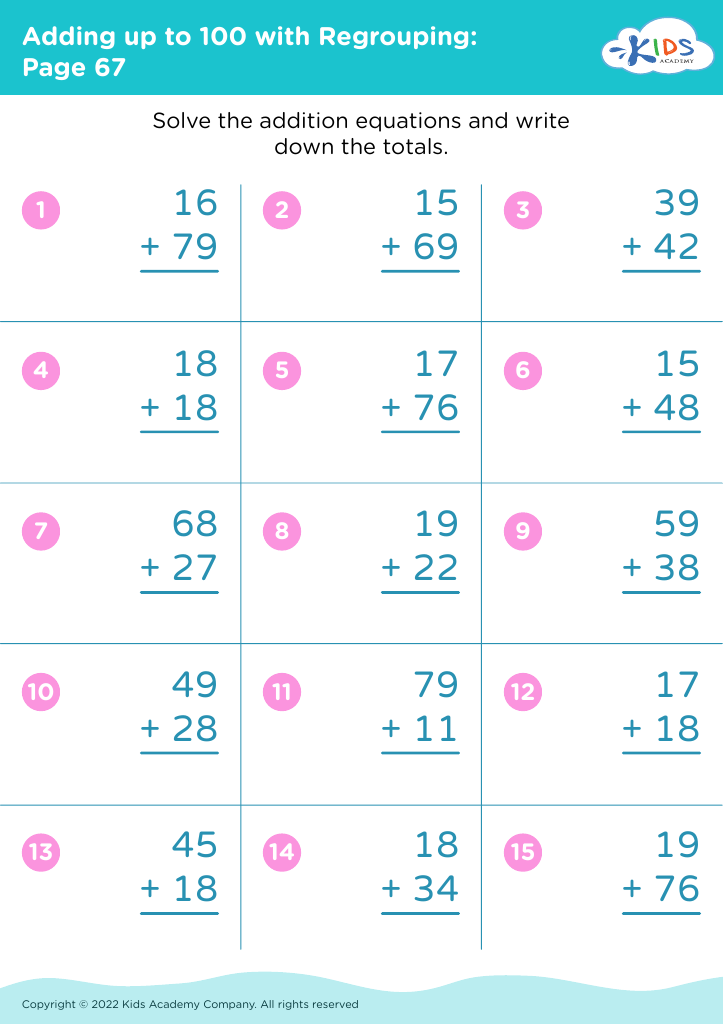
Enhance your child's number recognition skills with our engaging Math Worksheets, specifically designed for ages 6-8! These fun and interactive worksheets provide a variety of activities to help students identify numbers, understand counting, and boost overall math confidence. Featuring colorful illustrations and clear instructions, our printable resources make learning exciting and accessible. Tailored for early learners, these worksheets support both classroom and home learning environments. Whether your child is just starting or needs a little extra practice, our number recognition worksheets offer the perfect solution for nurturing foundational math skills. Start your child’s learning adventure today!
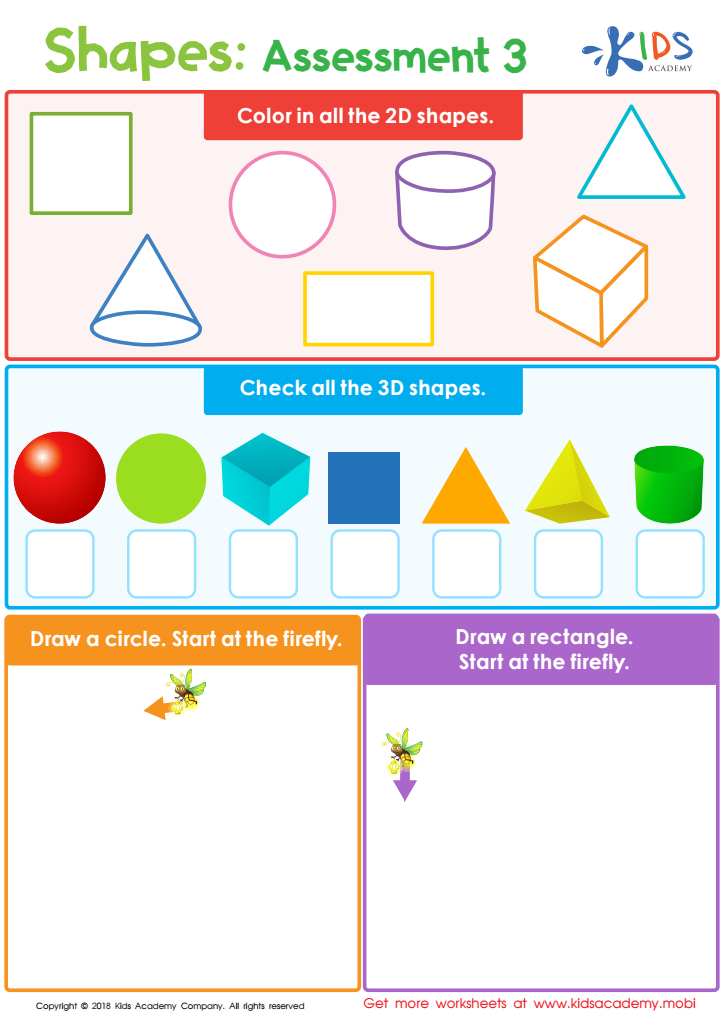
Shapes: Assessment 3 Worksheet
 Assign to My Students
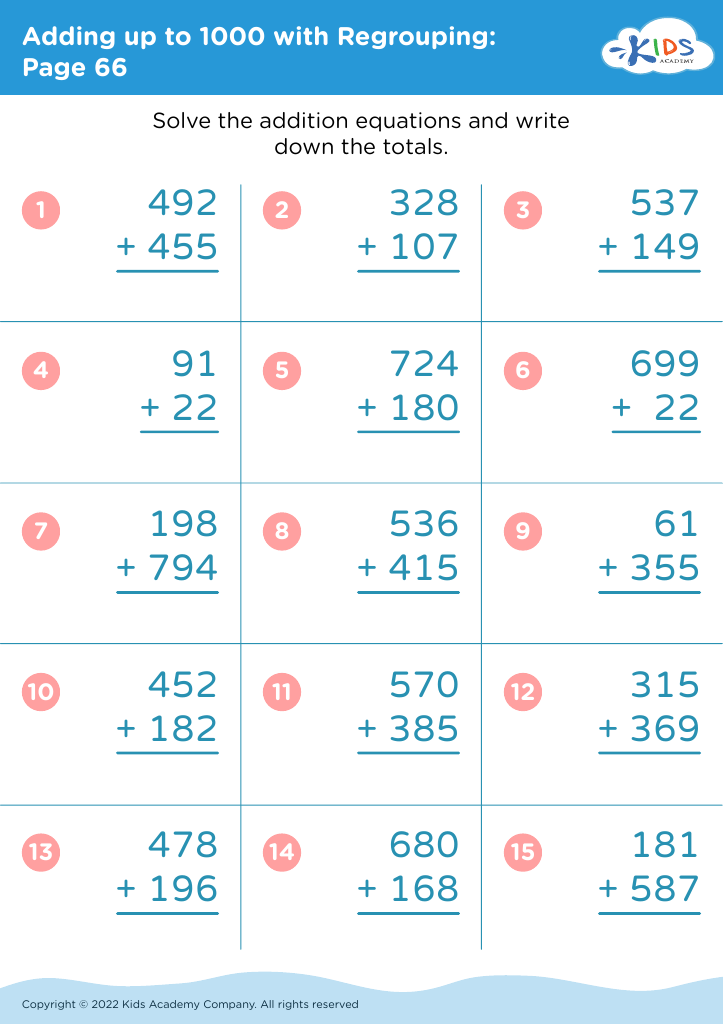








Enhancing number recognition in children aged 6-8 is crucial for their overall mathematical development and lifelong learning. During this pivotal stage, children transition from basic counting to more complex numerical understanding, laying the groundwork for future math skills. A strong foundation in number recognition helps students connect concepts like addition, subtraction, and later operations such as multiplication and division.
Parents and teachers play a significant role in this developmental phase. Engaging children through interactive games, hands-on activities, and real-world applications enhances their numerical confidence and fluency, making learning enjoyable and effective. Early exposure to positive mathematical experiences fosters a growth mindset, encouraging children to embrace challenges rather than shy away from them.
Furthermore, number recognition skills are not just academic; they have practical implications in daily life, such as managing money and telling time. By prioritizing number recognition, parents and teachers equip children with essential skills needed in the classroom and life beyond.
Ultimately, focusing on number recognition in this critical age group enriches children’s learning experiences, preparing them for academic success and instilling a love for math that can last a lifetime. Hence, nurturing these skills is vital for both educators and guardians.








