Fine motor development Math Worksheets for Ages 6-8
5 filtered results
-
From - To
Enhance your child's fine motor skills while engaging in math learning with our specialized worksheets designed for ages 6 to 8. These interactive resources focus on developing essential hand-eye coordination and dexterity through fun, math-related activities. Kids will practice tracing numbers, sorting shapes, and completing engaging patterns, all while honing their writing and motor skills. Our worksheets are perfect for strengthening foundational math concepts in an enjoyable way, helping children develop confidence as they learn. Give your child the tools they need to succeed in math with our comprehensive fine motor development worksheets tailored just for them!
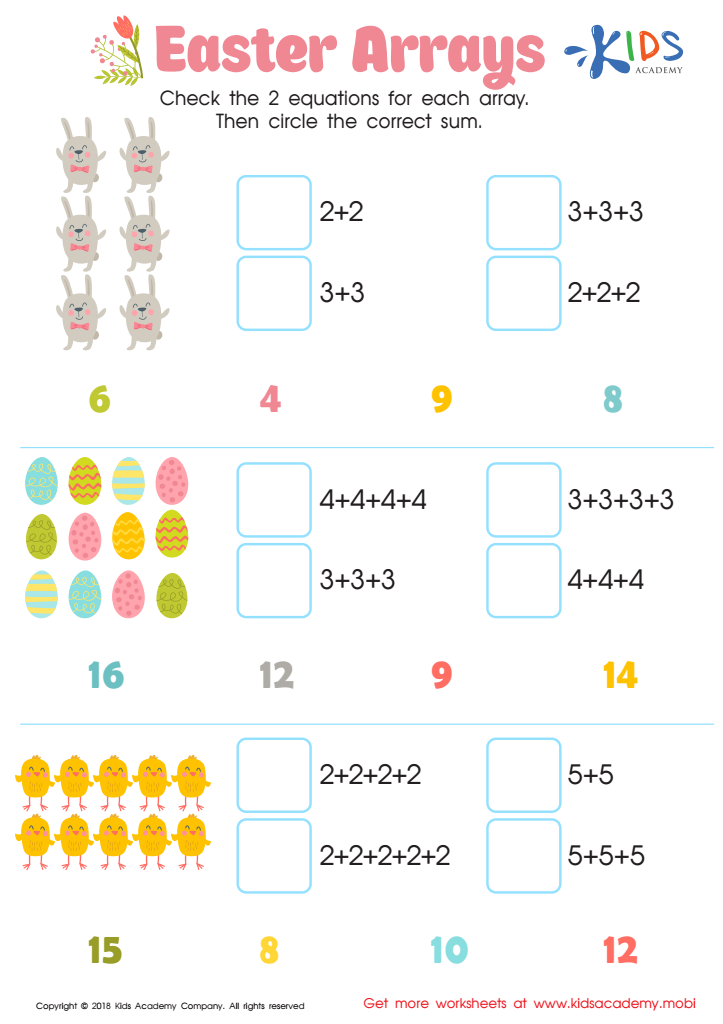
Easter Arrays Worksheet
 Assign to My Students
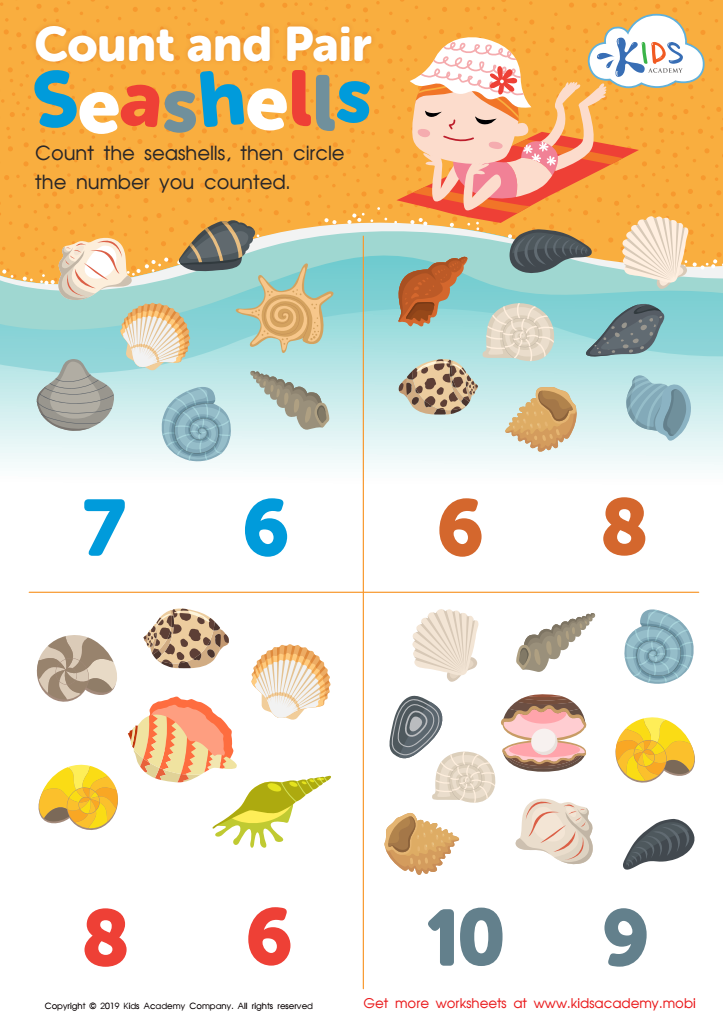
Count and Pair Seashells Worksheet
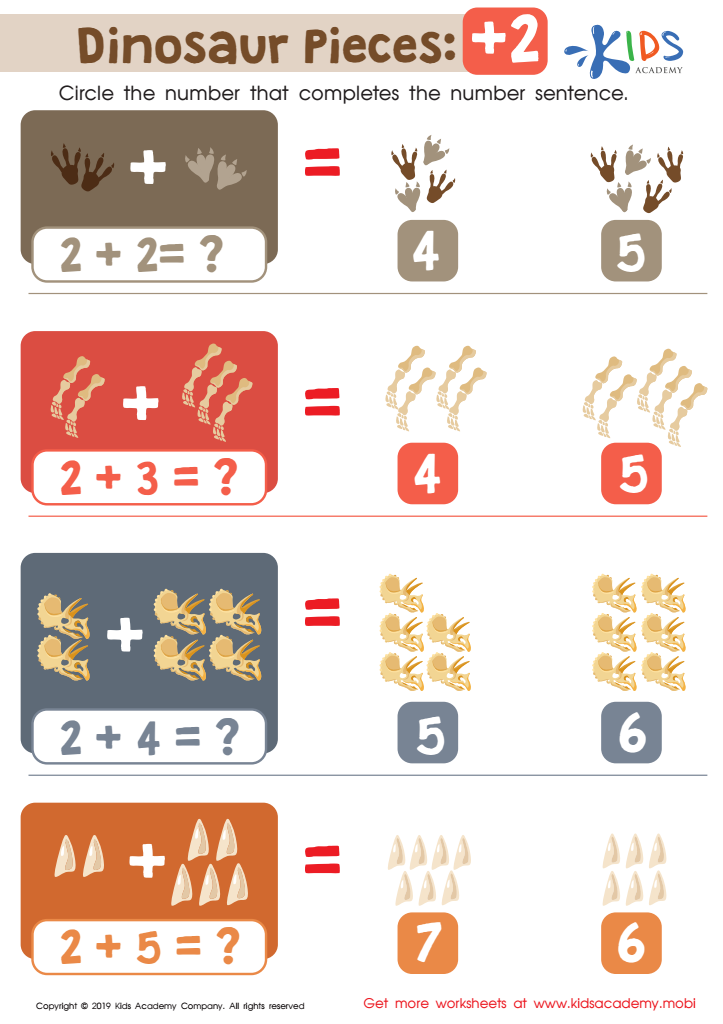
Dinosaur Pieces: +2 Worksheet
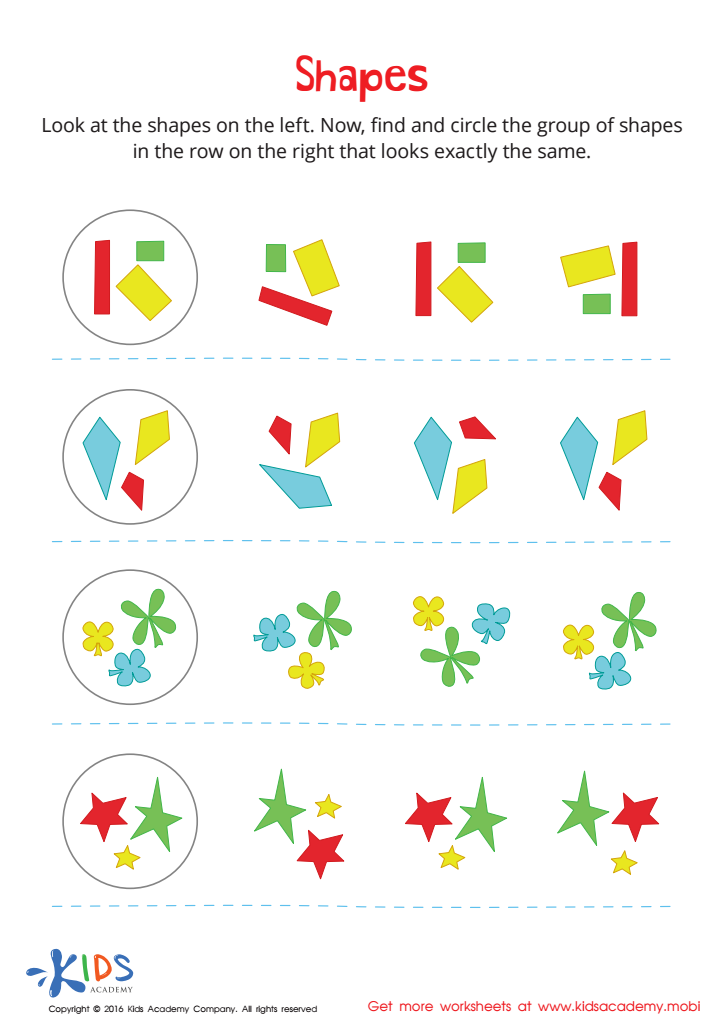
Shapes Worksheet

Kindergarten Number Tracing: Medow Flowers Worksheet








Fine motor development is crucial for children aged 6-8, as it significantly impacts their ability to grasp foundational math concepts in a hands-on and engaging way. During this stage, children develop the dexterity needed for tasks such as writing numbers, manipulating objects, and constructing shapes, which are all fundamental to learning math.
As they engage in activities that require precision, such as cutting paper or using small manipulatives like beads and blocks, children strengthen their hand-eye coordination and finger strength. This not only enhances their fine motor skills but also reinforces spatial awareness and problem-solving abilities, both essential components of math learning.
Teachers and parents should care about fine motor development because it lays the groundwork for building confidence in math-related tasks. When children feel adept at handling materials and tools, they are more likely to engage with math in a positive manner. Additionally, fostering these skills can boost overall academic performance, as many subjects, including writing and science, require fine motor proficiency. Overall, supporting fine motor development helps create well-rounded learners, promoting enthusiastic participation in math and other academic areas. Investing in these skills early on establishes a strong foundation for future learning and success.








