Hand-eye Coordination Math Worksheets for Ages 6-8 - Page 3
51 filtered results
-
From - To
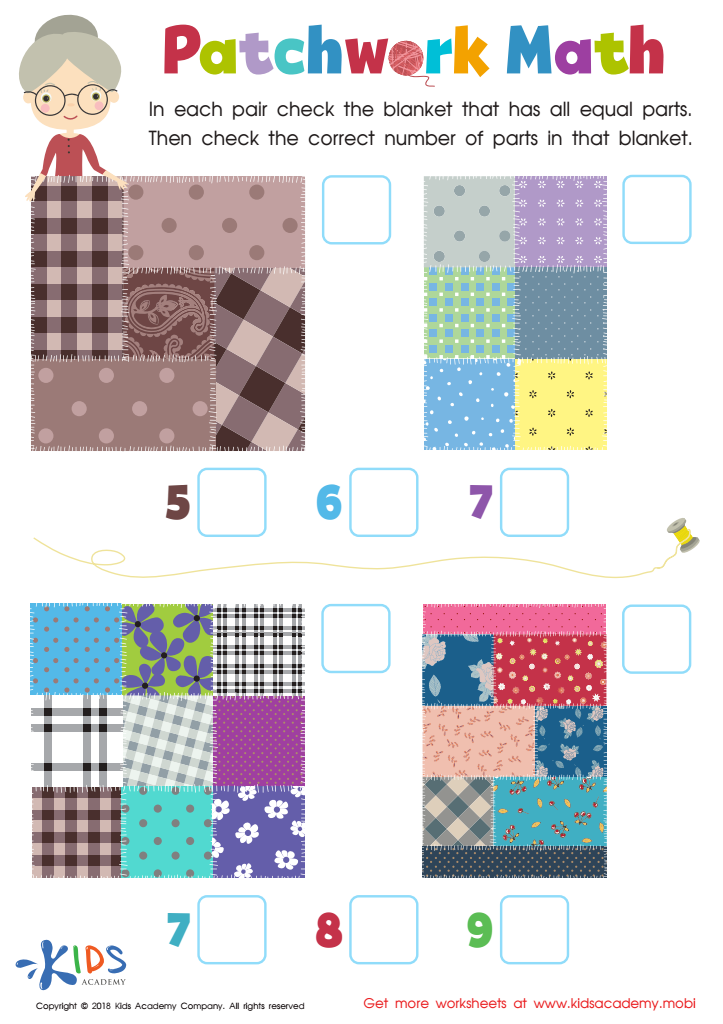
Patchwork Math Worksheet
 Assign to My Students
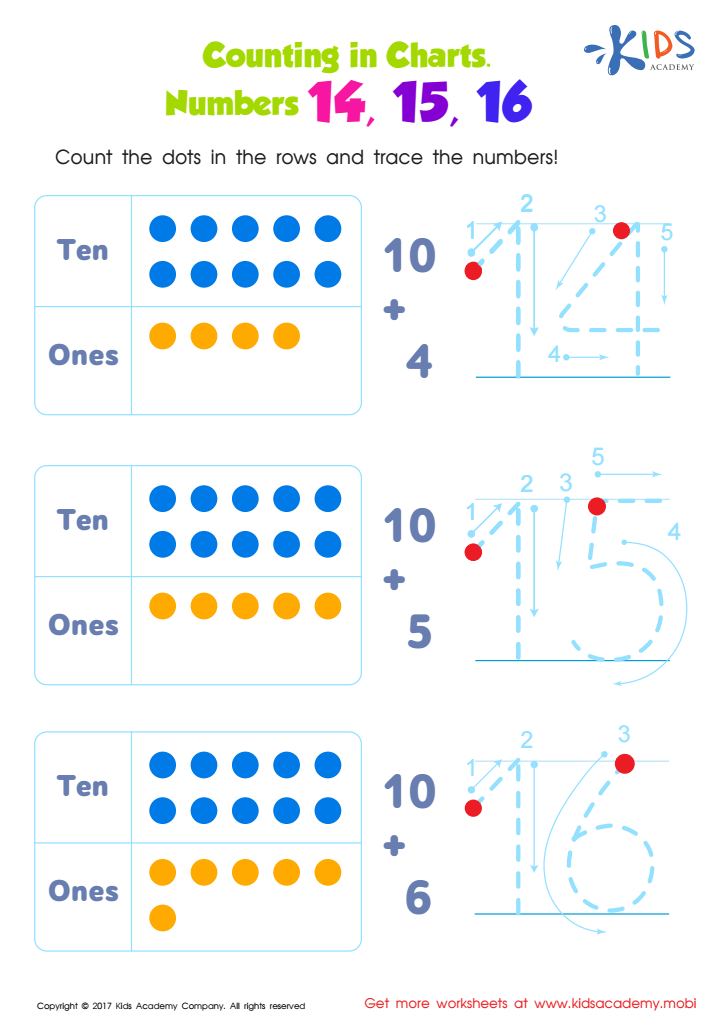
Number Tracing Worksheet
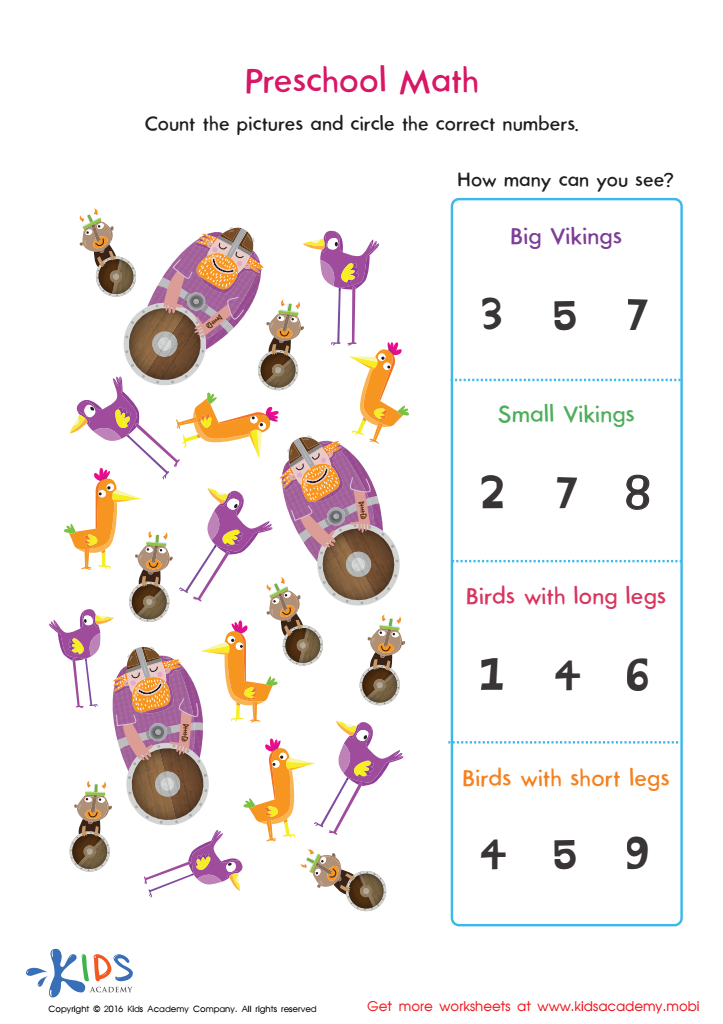





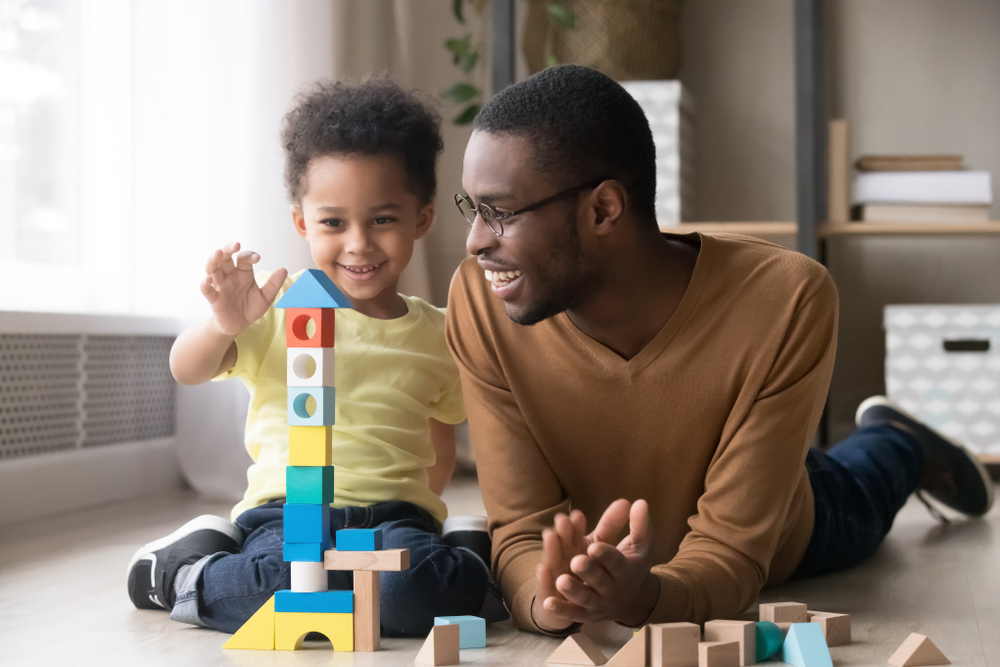

Hand-eye coordination is crucial for young learners, particularly when it comes to engaging with mathematics in ages 6-8. As children begin to grasp foundational math concepts such as counting, addition, and geometry, their ability to physically manipulate objects—such as counting blocks or measuring shapes—is essential. This coordination facilitates better understanding, as children can visualize and physically interact with the math they are learning.
Furthermore, activities that require hand-eye coordination—such as drawing shapes, using counting tools, or playing math games—also enhance fine motor skills, which are vital for writing and other academic tasks. Engaging in these activities not only strengthens cognitive abilities and spatial awareness but also builds confidence and resilience as children overcome challenges.
Additionally, parents and teachers who emphasize the importance of hand-eye coordination in math can create a more holistic educational approach. This synergy fosters a love for learning and invites creativity, making math less intimidating and more enjoyable. Consequently, supporting the development of hand-eye coordination during these formative years contributes to a child's overall academic success and prepares them for more complex mathematical concepts in the future.








