
Identify numbers Math Worksheets for Ages 6-8
3 filtered results
Difficulty Level
Grade
Age
-
From - To
Subject
Activity
Standards
Welcome to our "Identify Numbers Math Worksheets" designed for children ages 6-8! These engaging and interactive worksheets aim to strengthen your child’s number recognition skills through a variety of fun exercises. From identifying numbers in different formats to comparing and ordering them, these activities foster mathematical understanding in an enjoyable way. Each worksheet is tailored to meet the developmental needs of young learners, making math a delightful experience. With vibrant illustrations and clear instructions, your child will explore numbers confidently. Give them the tools they need to succeed in math and watch their skills flourish! Download your worksheets today!
Favorites
With answer key
Interactive
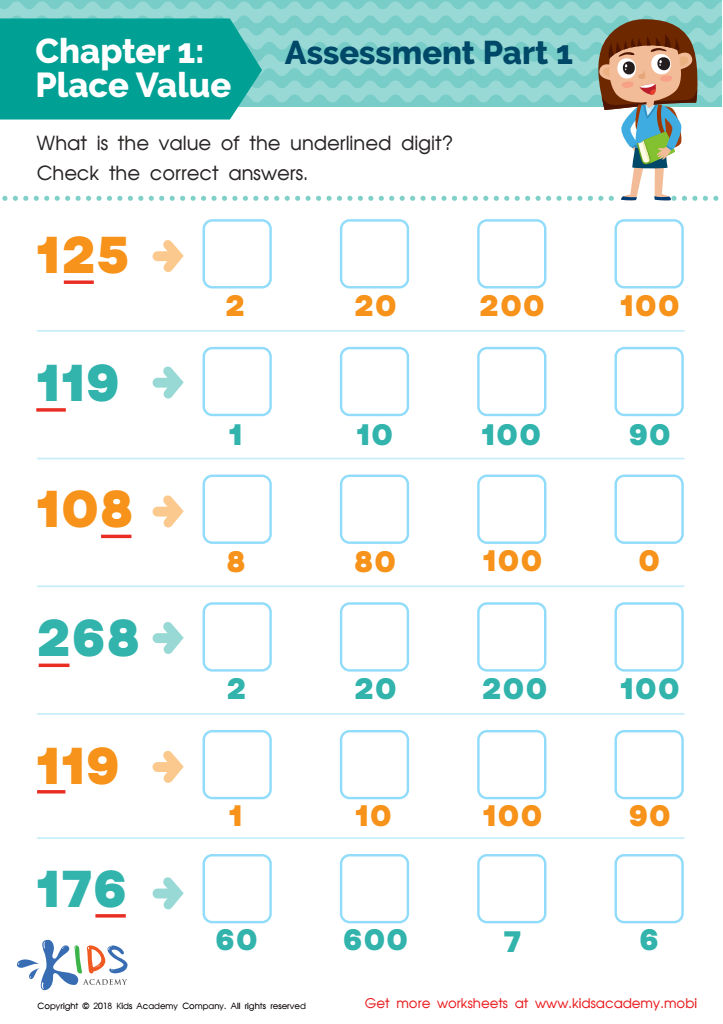
Place Value: Chapter 1 Worksheet
Check your kid's place value understanding with this assessment worksheet. It features 6 questions with one digit underlined for your child to determine the correct value of. Get the download and see if they can correctly choose the answer from the options given. It's a great way to test progress and keep their minds sharp!
 Assign to My Students
Place Value: Chapter 1 Worksheet
Worksheet
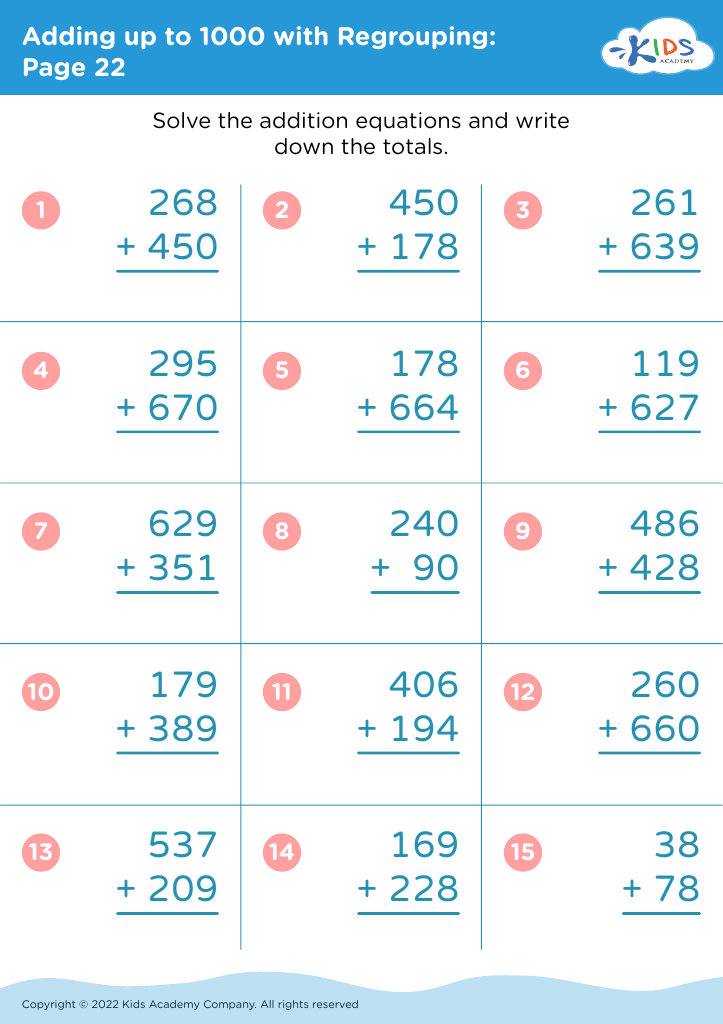
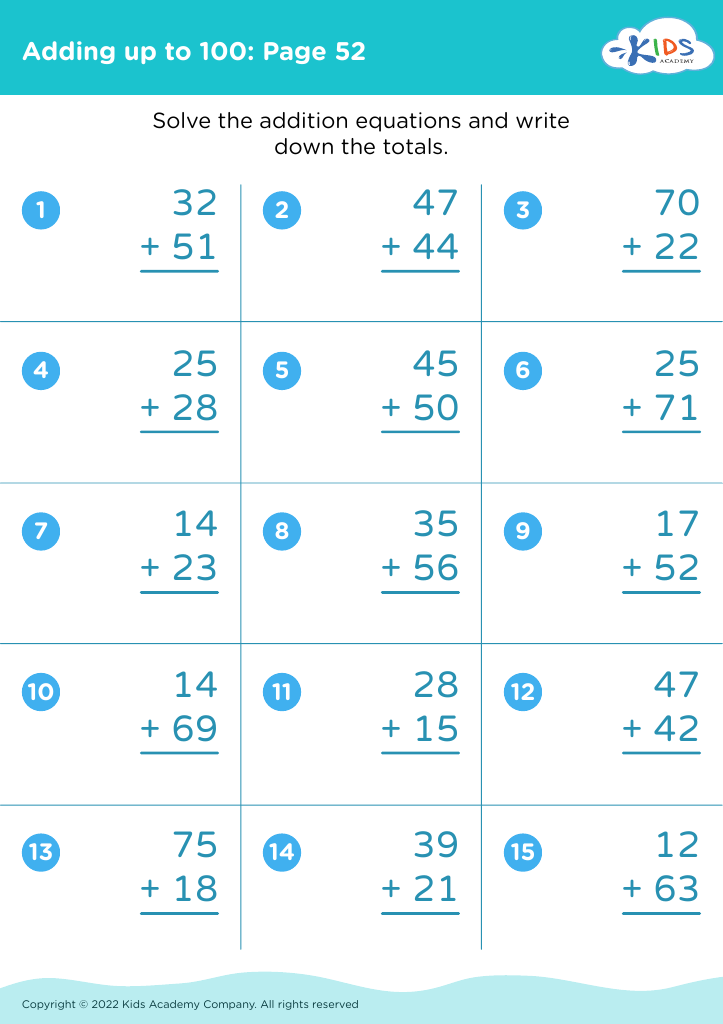
Join Kids Academy for Free
Who is primarily going to use this learning content?








Identifying numbers is a crucial foundational skill for children ages 6-8, playing a vital role in their overall mathematical development. During these early years, children transition from recognizing numbers to understanding various mathematical concepts, such as addition and subtraction. Mastery of number identification helps build confidence in young learners, making them more willing to engage in mathematical activities.
Moreover, children who are proficient in identifying numbers are better equipped to grasp more complex concepts later on, such as place value and basic operations. This fundamental skill is also essential for everyday situations, such as reading times on a clock, counting money, or understanding quantities, which enhances their problem-solving abilities.
For parents and teachers, fostering number identification can help identify gaps in understanding, providing a targeted approach to support each child's learning needs. Engaging children in games, activities, and real-life applications can make learning numbers enjoyable and interactive. By prioritizing this skill, parents and teachers promote not only academic success but also critical thinking and lifelong learning in their children. In essence, focusing on number identification lays the groundwork for a solid mathematical foundation essential for future academic achievements.








