
Improving reading skills Math Worksheets for Ages 6-8
6 filtered results
Difficulty Level
Grade
Age
-
From - To
Subject
Activity
Standards
Enhance your child's reading proficiency with our engaging math worksheets designed for ages 6-8! These carefully curated resources focus on integrating mathematical concepts with reading comprehension, promoting essential skills through fun and imaginative exercises. Each worksheet is crafted to challenge young learners, making it easy to understand the relationship between math and literacy. Interactive tasks will not only boost reading skills but also foster critical thinking as children solve problems and read instructions. Perfect for home or classroom use, our worksheets provide a holistic approach to learning, ensuring your child develops a strong foundation in both reading and math. Dive in today!
Favorites
With answer key
Interactive
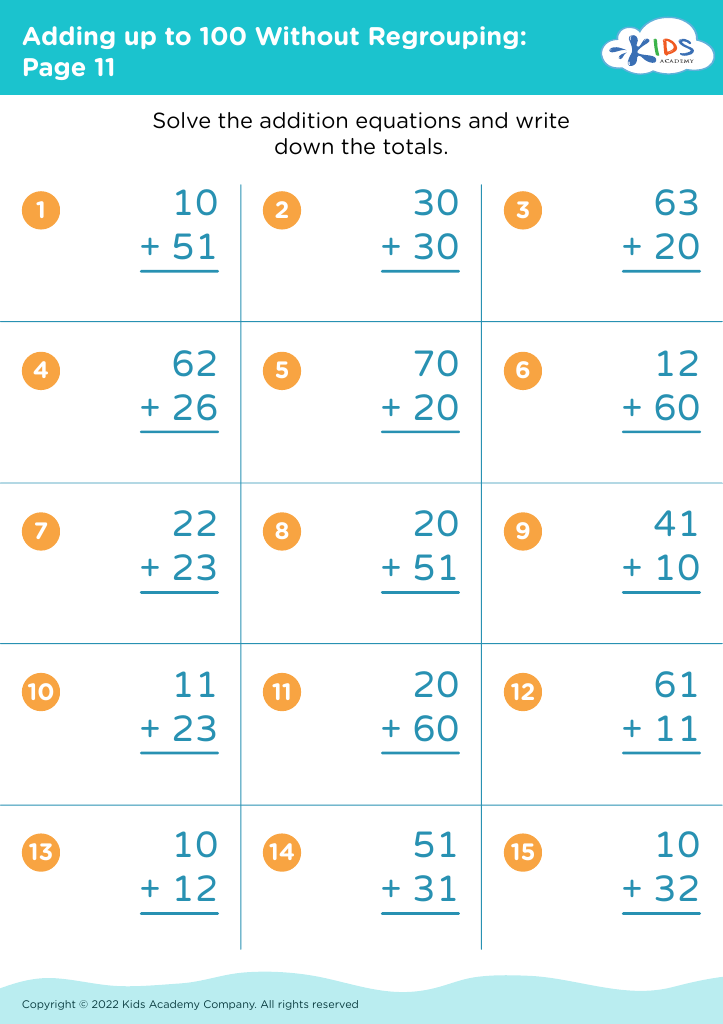
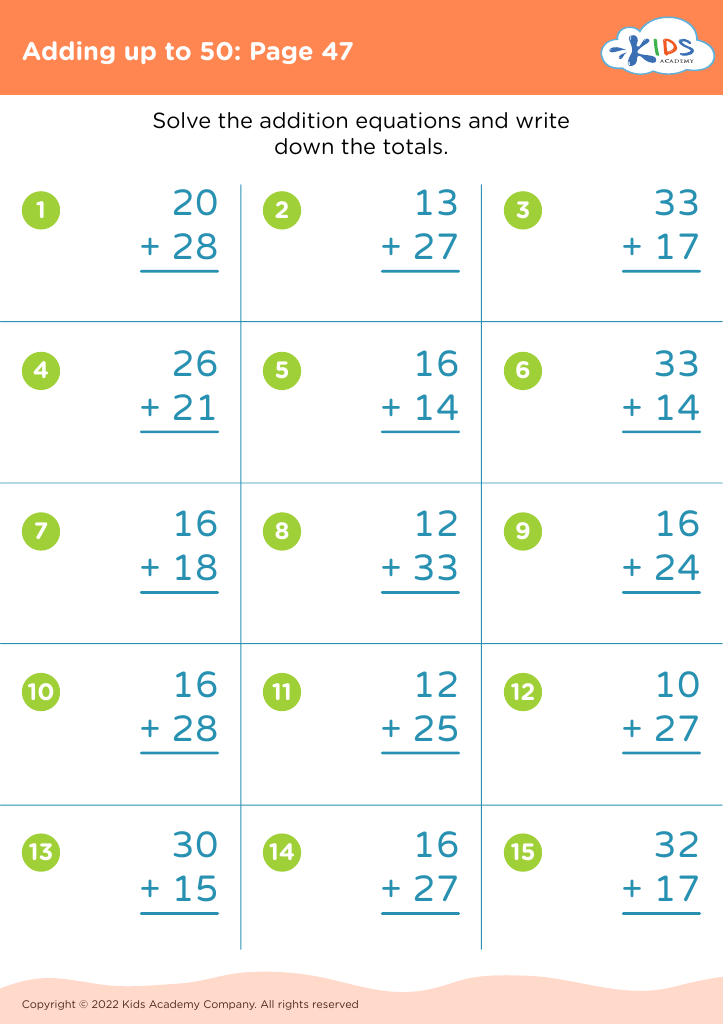
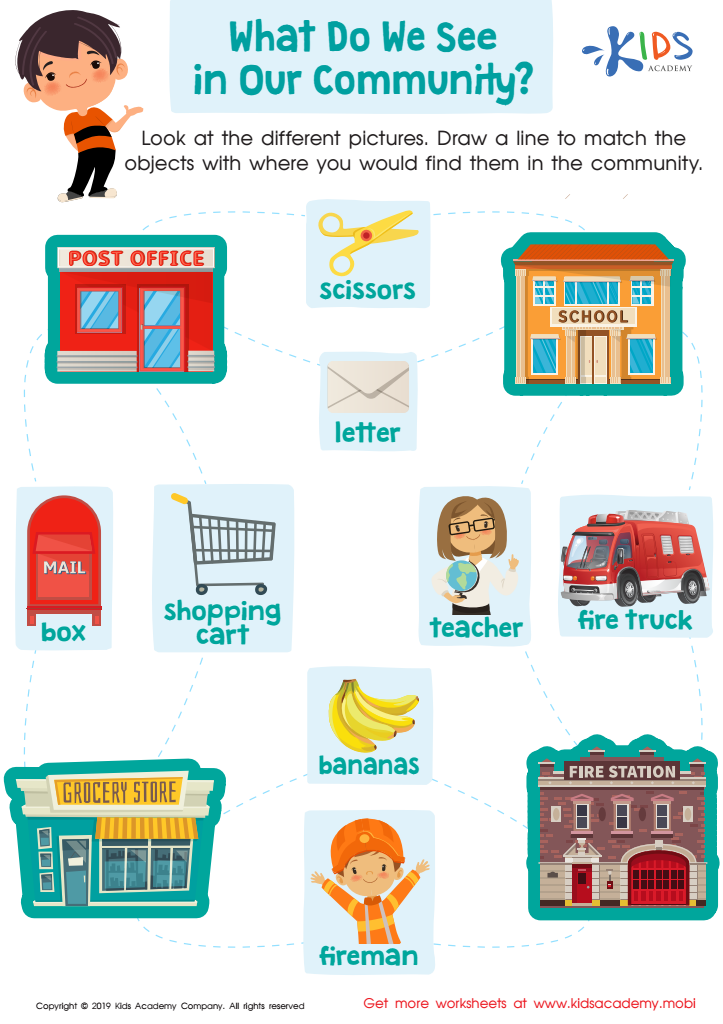
What Do We See in our Community? Worksheet
Kids can learn about citizenship and their place in the world by studying their communities. This free worksheet is a fun way to do it - kids match pictures to what they find in their local community. They can trace the lines to show where they would spot the objects. It's an excellent way to get to know their environment!
 Assign to My Students
What Do We See in our Community? Worksheet
Worksheet
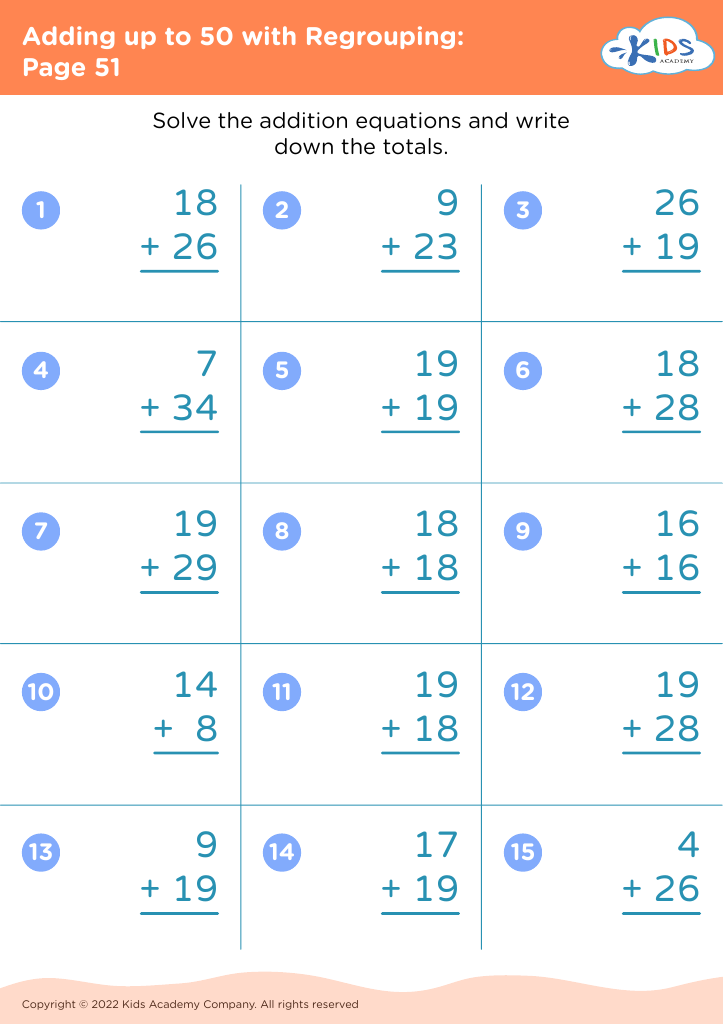
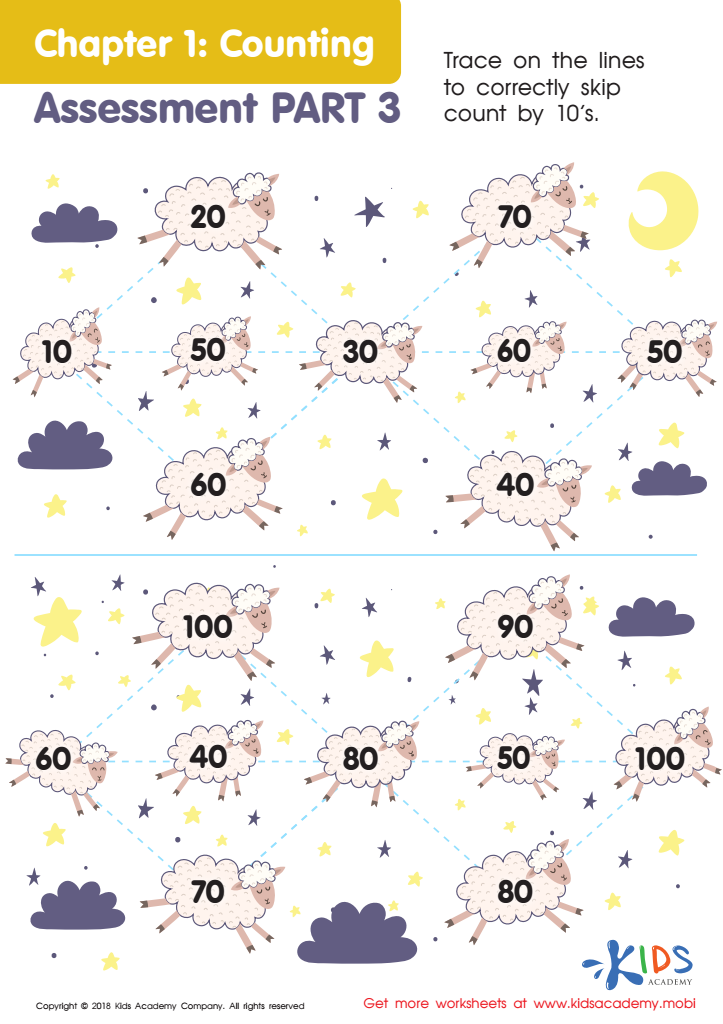
Counting: Assessment 3 Worksheet
This worksheet is great for assessing your child's counting skills. It's a bit more challenging than the usual 'count to fifty' exercises. Have them trace the lines and skip count by 10's to help them learn counting in tens.
Counting: Assessment 3 Worksheet
Worksheet
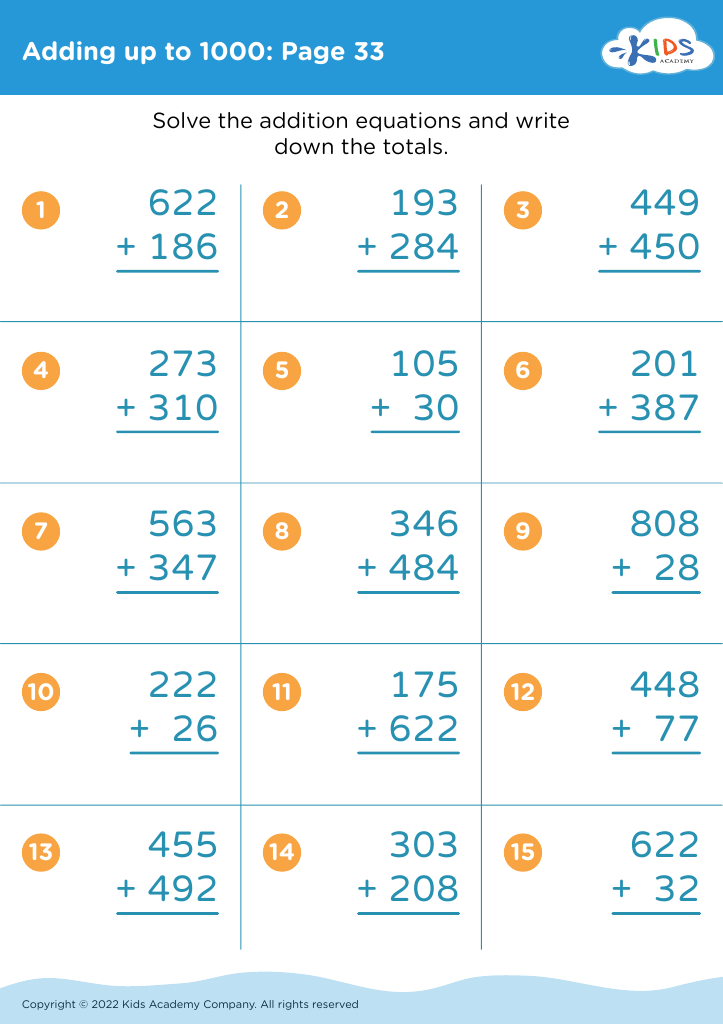
Join Kids Academy for Free
Who is primarily going to use this learning content?




.jpg)

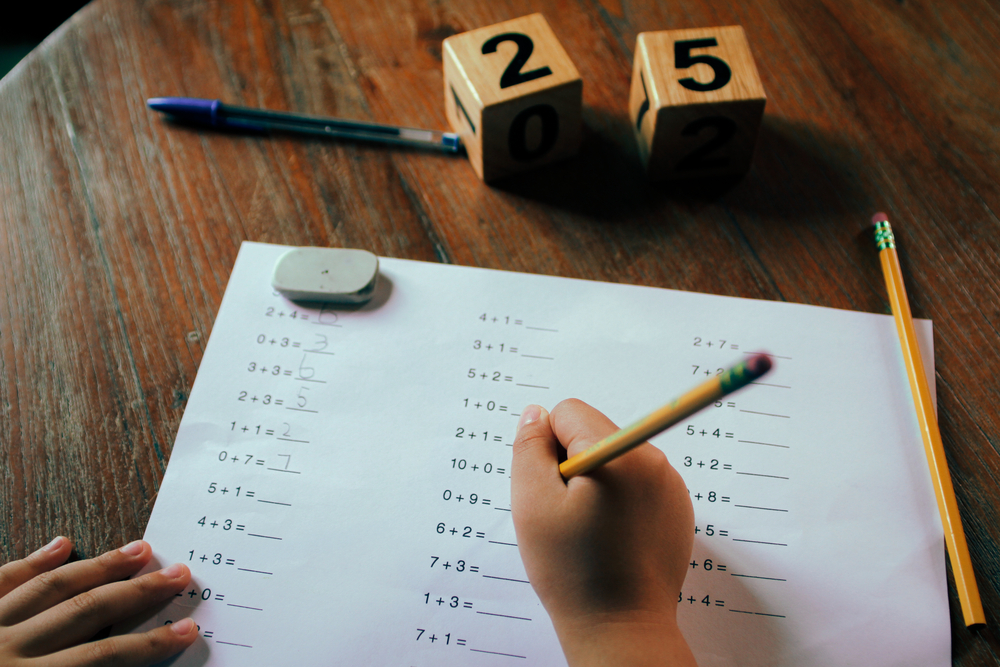

Developing strong reading and math skills in children aged 6-8 is crucial for their overall academic success and future learning. At this age, children are establishing foundational skills that are essential for all subjects. Reading proficiency enables children to understand instructions, follow stories, and engage with learning materials, fostering their cognitive and language development. When children become confident readers, they are more likely to enjoy learning, which promotes a positive attitude toward education.
Similarly, math skills at this age create a basis for logical reasoning and problem-solving. Understanding basic concepts such as addition, subtraction, and number sense helps children make sense of the world around them and prepares them for more complex math later on. Additionally, both reading and math promote critical thinking and analytical skills, which are invaluable for lifelong learning.
Parents and teachers play an essential role in this developmental phase. By prioritizing reading and math, they can empower children to explore, question, and connect ideas. Moreover, support at home and in the classroom can help identify and address any learning challenges early on, ensuring that all children have equal opportunities to succeed. Ultimately, investing in these fundamental skills lays the groundwork for academic achievement and confidence in young learners.








