Logical Reasoning Math Worksheets for Ages 6-8 - Page 2
27 filtered results
-
From - To
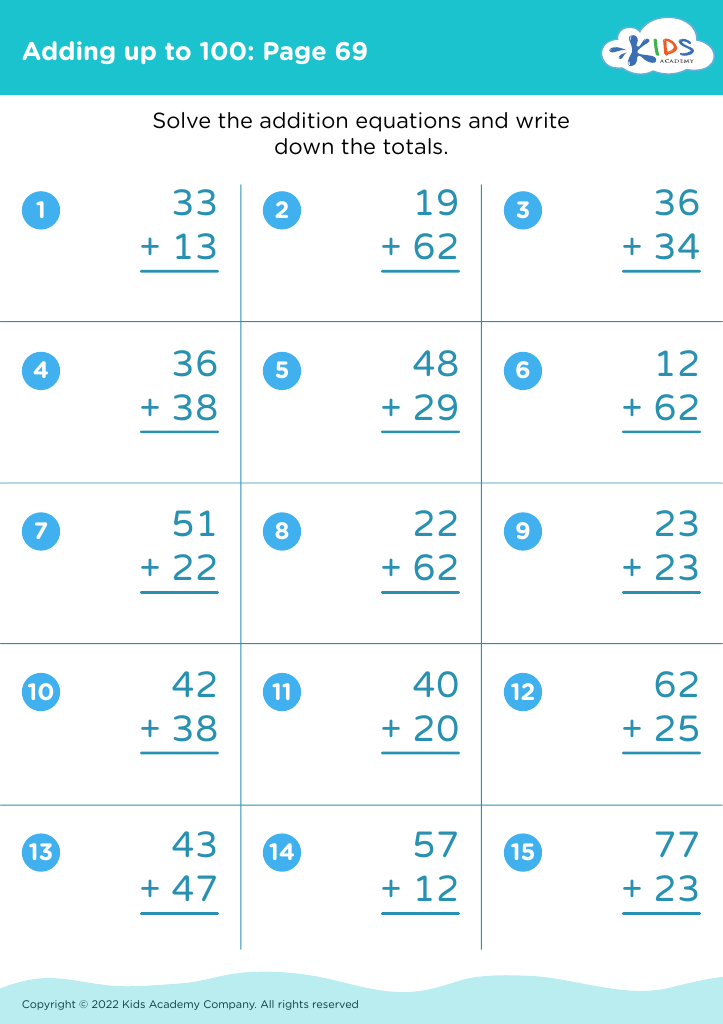
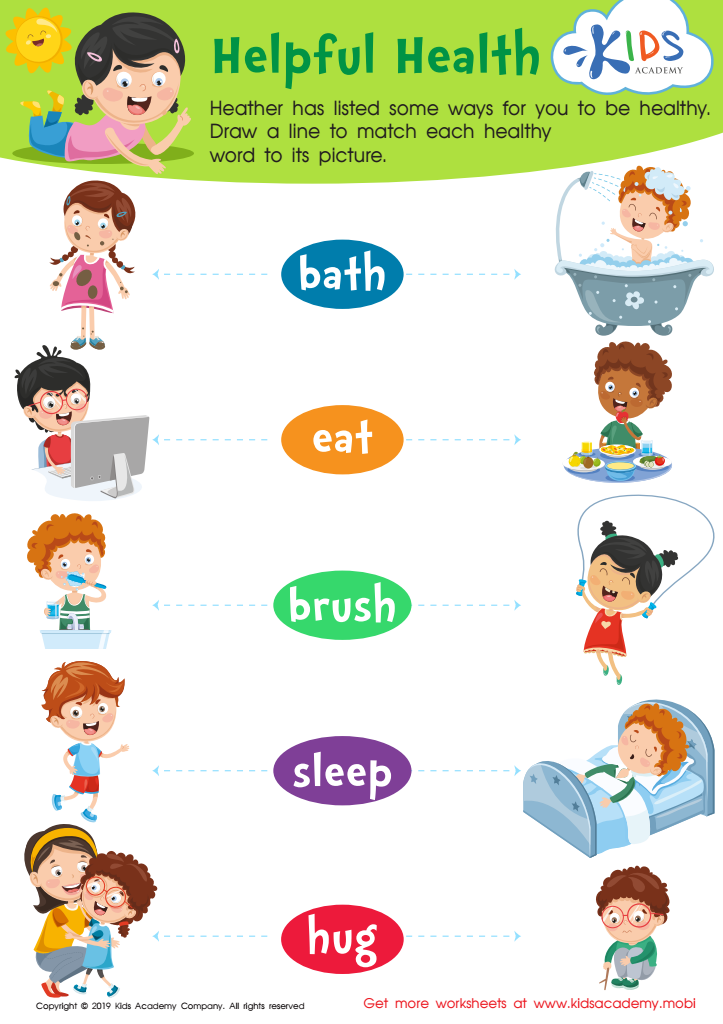
Helpful Health Worksheet
 Assign to My Students
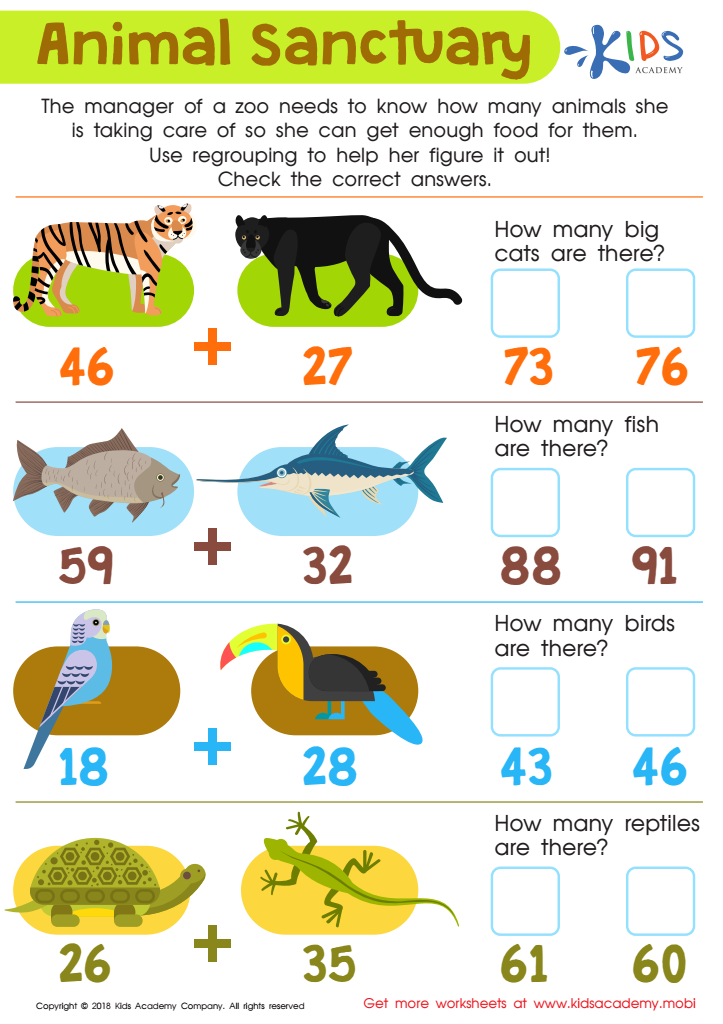
Animal Sanctuary Worksheet







Logical reasoning in math for children aged 6-8 is crucial for their cognitive development and academic success. During this formative stage, children are not just learning basic arithmetic; they are beginning to develop the critical thinking skills that will serve as the foundation for future problem-solving in all subjects. Engaging in logical reasoning exercises helps children enhance their ability to analyze patterns, make connections, and apply concepts to real-life situations.
Parents and teachers should prioritize logical reasoning math because it encourages perseverance and creativity when tackling challenges. By participating in activities that involve mazes, puzzles, or problem-solving scenarios, children learn to approach problems methodically and devise multiple strategies to find solutions. This engagement fosters a growth mindset, teaching children that making mistakes is a natural part of learning and that persistence pays off.
Moreover, strong logical reasoning skills can lead to improved performance not just in math but also in reading comprehension and scientific inquiry. These abilities contribute to a well-rounded academic foundation, preparing children for more complex concepts in later grades. Involvement in logical reasoning encourages both individual and collaborative learning, enabling children to articulate their thought processes and understand diverse perspectives while building social skills.








