
Understanding gravity Math Worksheets for Ages 6-8
3 filtered results
Difficulty Level
Grade
Age
-
From - To
Subject
Activity
Standards
Unlock your child’s potential with our "Understanding Gravity Math Worksheets" designed for ages 6-8! These engaging worksheets help young learners grasp the concept of gravity while enhancing their math skills. Featuring fun activities that integrate basic arithmetic with gravity concepts, kids will explore how weight, mass, and force interact in the world around them. Each worksheet encourages critical thinking and problem-solving, making learning both enjoyable and effective. Perfect for homeschooling or classroom use, these resources are aligned with educational standards to support your child's development. Dive into the wonders of science and math today, and watch your child thrive!
Favorites
With answer key
Interactive
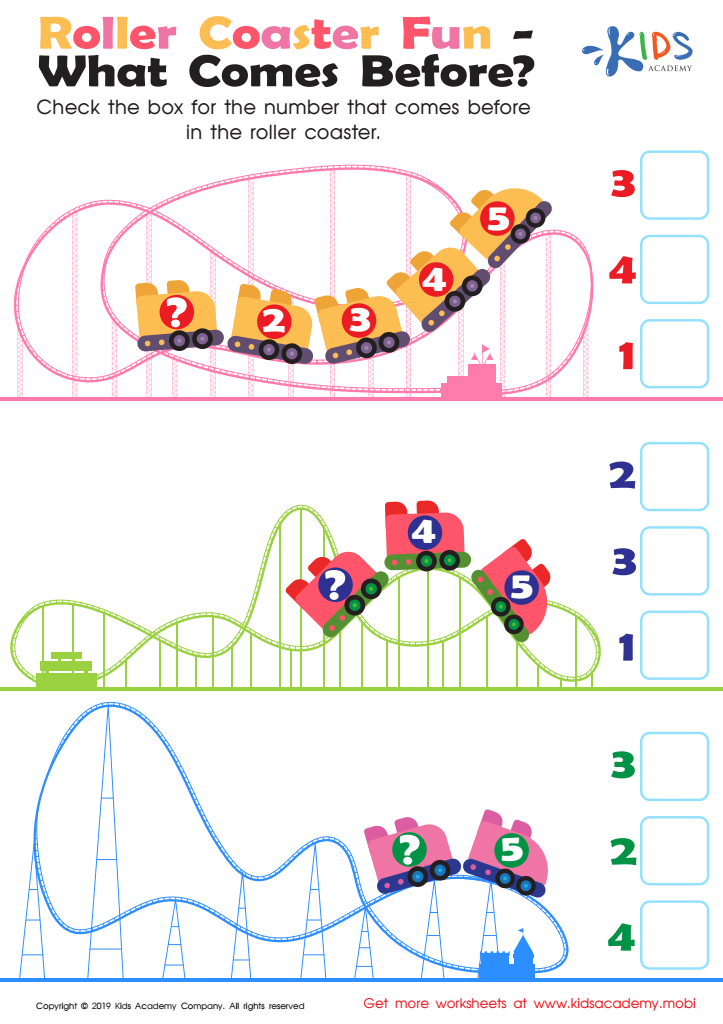
Roller Coaster Fun Worksheet
Ride a roller coaster and experience the thrill! Kids will love checking off the number that comes before each one on the worksheet. With three roller coasters to choose from, the fun never stops! Ask your kids if they've been on a roller coaster and where. Let them explore the excitement and joy of this thrilling ride!
 Assign to My Students
Roller Coaster Fun Worksheet
Worksheet
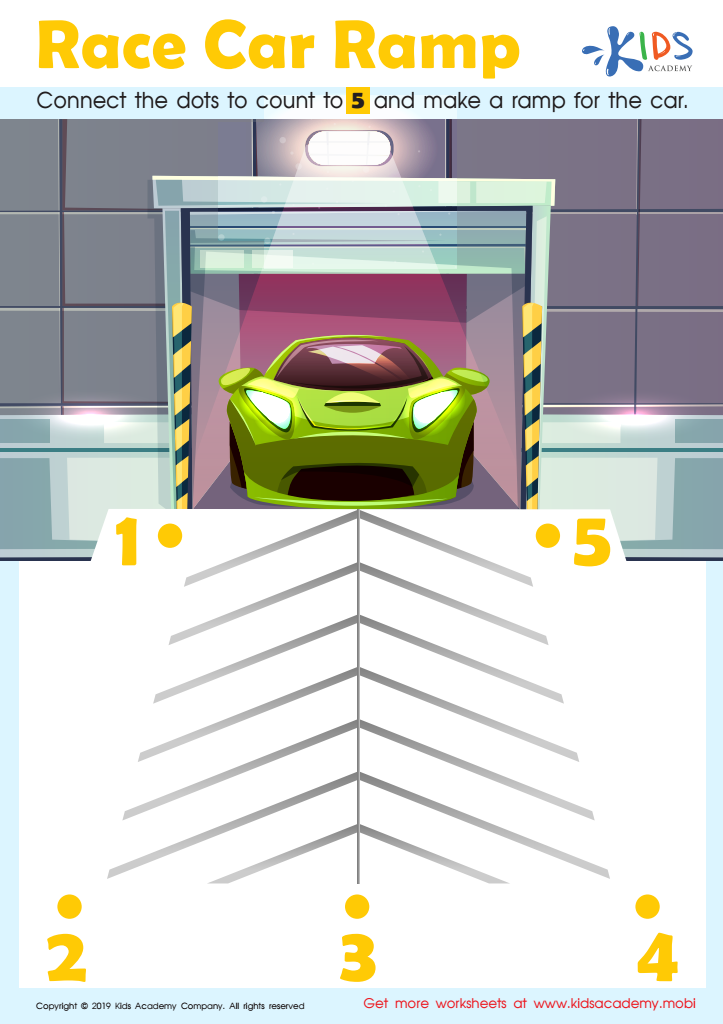
Race Car Ramp Worksheet
Kids can learn numbers quickly and have fun with this worksheet! It teaches preschoolers counting to 5 and allows them to draw a car ramp. It's a creative way to learn numbers, making them fun and easy to remember.
Race Car Ramp Worksheet
Worksheet
Join Kids Academy for Free
Who is primarily going to use this learning content?



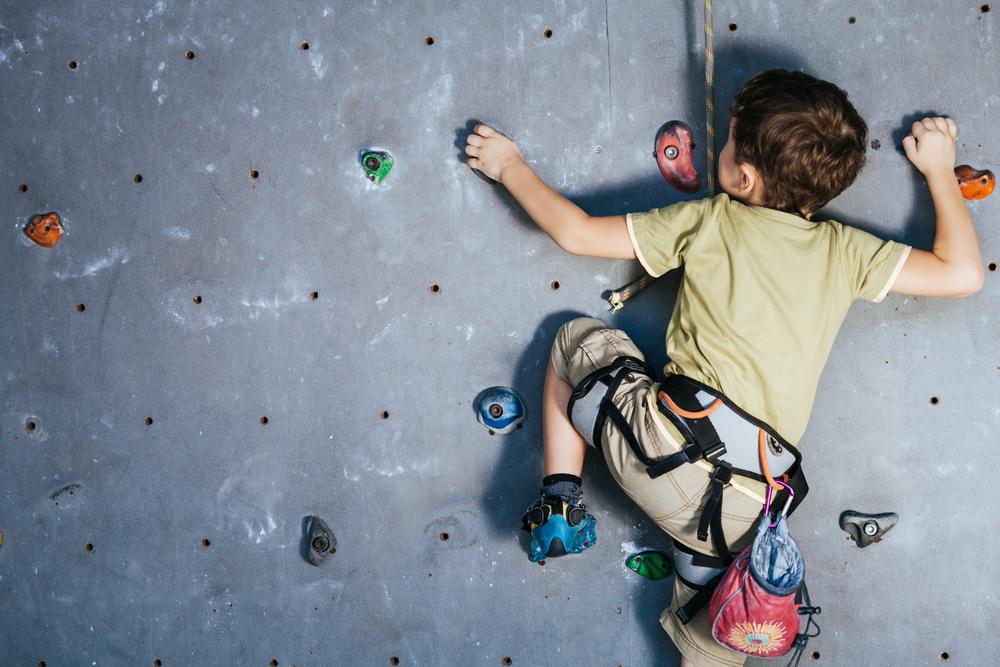



Understanding gravity is crucial for children aged 6-8 as it serves as a foundation for their scientific literacy and critical thinking skills. At this age, children are naturally curious about the world around them. Introducing concepts of gravity helps them understand fundamental principles that govern motion and physical interactions, such as why objects fall or why we stay grounded on Earth.
Engaging with gravity-related math can enhance spatial awareness and problem-solving abilities. Activities like measuring how high and fast objects fall encourages not just mathematical capabilities—like counting, measuring, and basic physics principles—but also nurtures a love for science.
Moreover, this understanding sets the stage for more complex scientific concepts in later years. It fosters an environment where inquiry and creativity thrive, as students learn to ask questions and explore answers through experimentation. For teachers and parents, encouraging this foundational knowledge nurtures students’ confidence in STEM subjects, aiding in their long-term academic and professional prospects. Ultimately, integrating gravity math into early learning promotes holistic education, critical thinking, and a deeper appreciation for the forces that shape our world.








