Understanding Quantities Numbers 0–10 Worksheets for Ages 6-8
3 filtered results
-
From - To
Enhance your child's math skills with our engaging "Understanding Quantities Numbers 0–10" worksheets designed specifically for ages 6-8. These interactive worksheets help children grasp the concept of quantities through fun and educational activities, ensuring they can recognize, compare, and manipulate numbers from 0 to 10 with confidence. Each worksheet encourages critical thinking while providing a colorful and stimulating learning experience. Parents and teachers can easily incorporate these resources into lessons to strengthen foundational math skills. Browse our collection today to support your child's numeracy journey and lay the groundwork for future mathematical success!
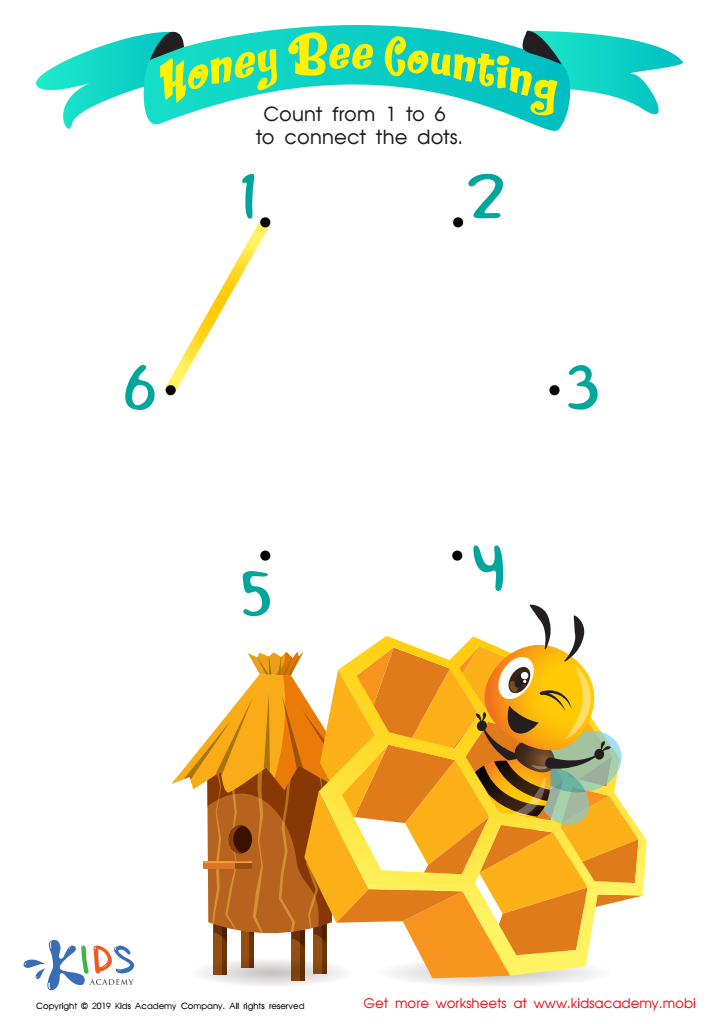
Honey Bee Counting Worksheet
 Assign to My Students
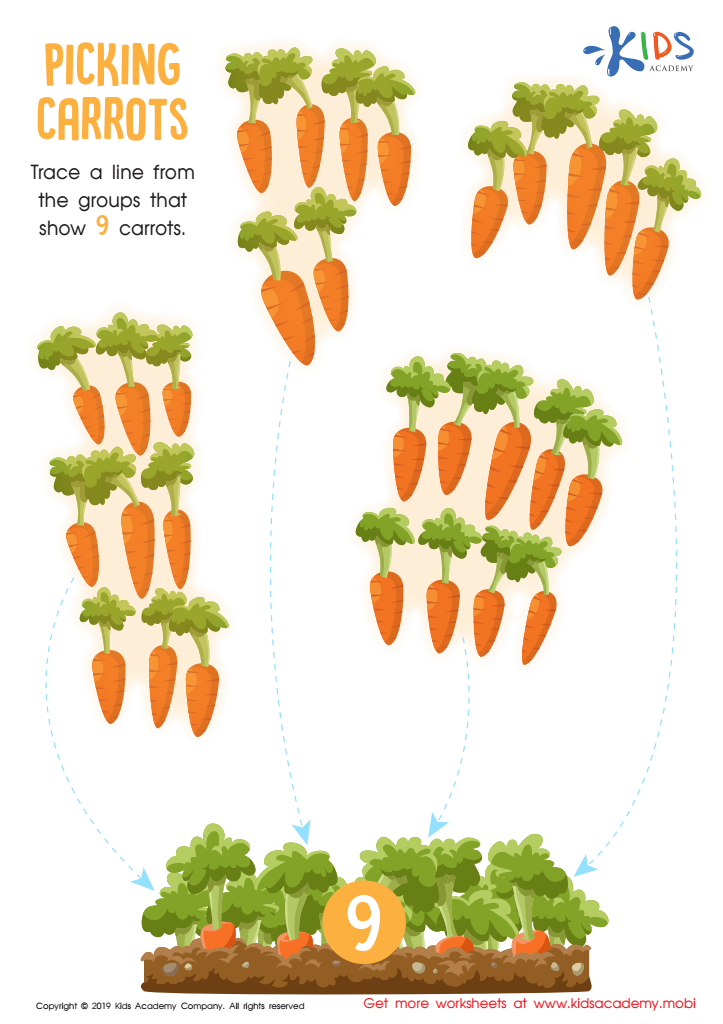
Picking Carrots Worksheet
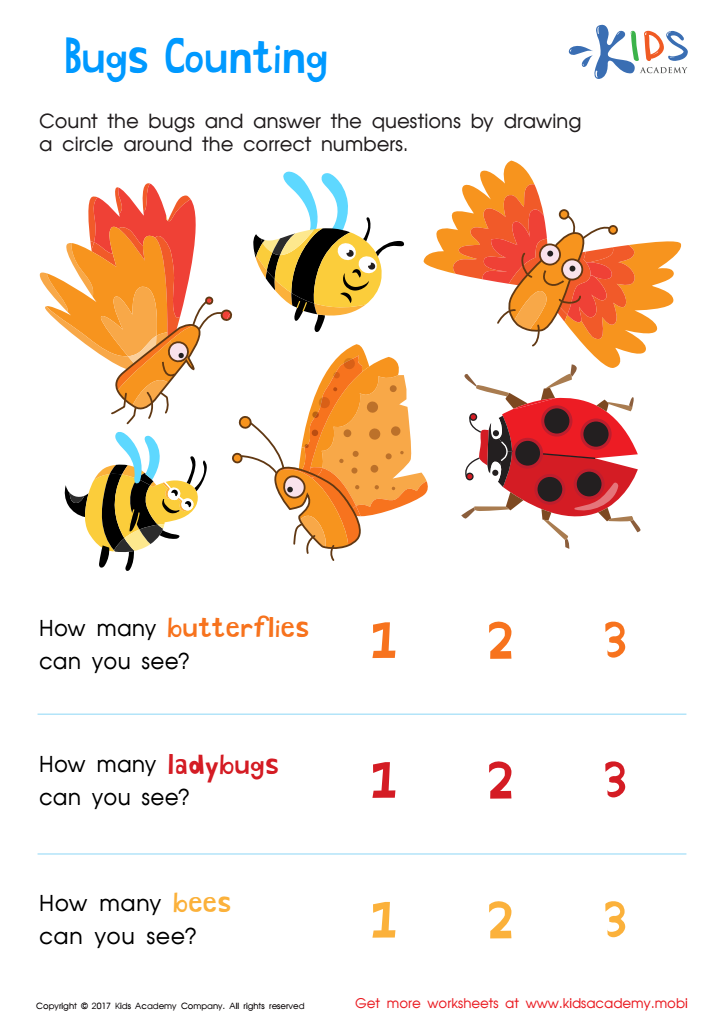
Bugs Counting Worksheet








Understanding quantities and numbers from 0 to 10 is crucial for children aged 6-8 as it lays the foundation for their mathematical development. At this stage, children are transitioning from intuitive counting to more formal mathematical understanding, making it essential for parents and educators to recognize its significance. Mastery of these concepts helps children develop number sense, which is the ability to recognize and work with numbers in various contexts.
By focusing on quantities from 0 to 10, children learn to associate numbers with physical objects, enhancing their visual-spatial skills. This early comprehension aids in problem-solving and critical thinking as they troubleshoot basic arithmetic problems. Additionally, a strong grasp of these initial numerical concepts fosters confidence in mathematics, reducing anxiety about numbers as children progress to more complex topics.
Furthermore, understanding quantities forms a bridge to order and patterns, enabling children to engage in foundational concepts like addition and subtraction. This knowledge also supports emotional and cognitive development, as working with numbers encourages logical reasoning.
Thus, both parents and teachers should prioritize understanding quantities for young learners, ensuring they build a solid numerical foundation that promotes lifelong learning and academic success.